Once an emerging force for democracy in West Africa, Mali has struggled in recent years to maintain governmental stability. A coup in 2012, ensuing military intervention in the north, and regular uprisings by rebel and extremist groups throughout the country have left the nation of about 19 million people vulnerable. Conflict in Mali continues as frequent and severe droughts have added to the country’s challenges — as has COVID-19, which has now reached all areas of the country. The coronavirus has put a strain on the nation’s poor healthcare system and worsened economic decline.
News update, August 19, 2020: Mali’s president has been forced to resign following a military coup. Military leaders pledge to install a civilian transitional government and hold timely elections.
FAQs: What you need to know about the Mali conflict
Explore facts and frequently asked questions about conflicts in Mali, and learn how you can help children and families affected.
- Fast facts: What are the humanitarian conditions in Mali?
- How are conflicts and droughts affecting children in Mali?
- What are the greatest needs of children and families in Mali?
- How can I help people in Mali?
- How does World Vision help people in Mali?
- Mali conflict timeline
Fast facts: What are the humanitarian conditions in Mali?
- Conflict and insecurity are rampant in northern and central Mali.
- Attacks by armed groups that are not parties to the 2015 peace agreement have increased since 2016.
- More than 200,000 people were newly displaced in 2019 because of increasing conflict in the central and northern regions.
- Mali suffered from droughts from 2016 to 2018 that affected their growing seasons. This impacted food security and nutrition.
- Timbuktu, Gao, and Mopti regions have the most people in need of assistance, but some areas are inaccessible to aid groups.
How are conflicts and droughts affecting children in Mali?
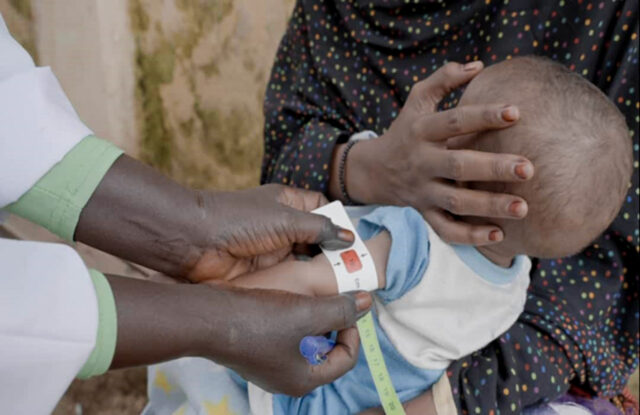
About 1 in 3 children are stunted — short for their age — indicating high levels of chronic malnutrition. Drought and poverty are behind the spike in undernourished children, but lack of clean water and sanitation also play a part.
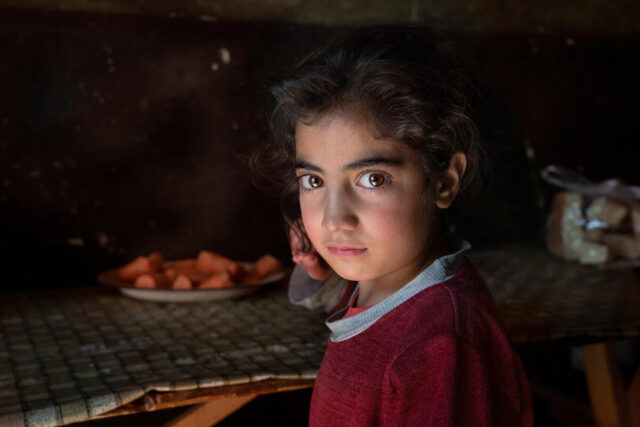
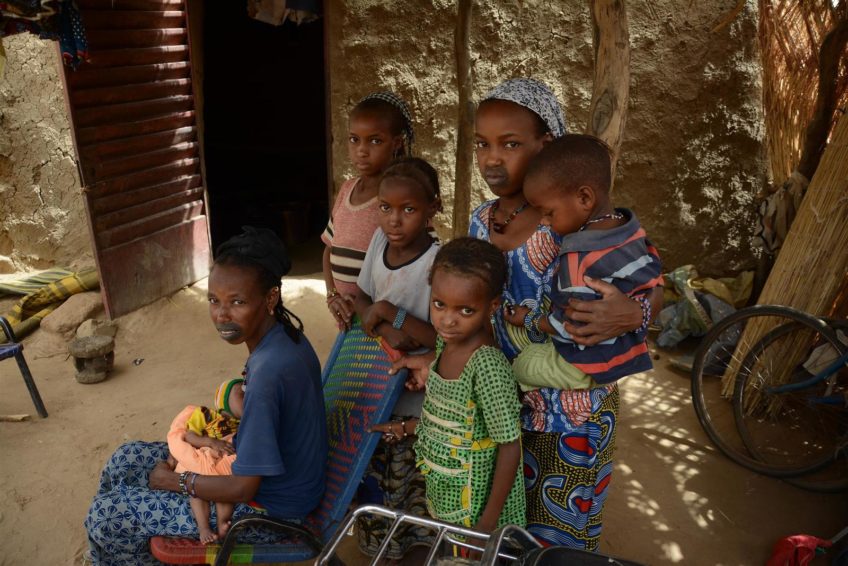
Children who are displaced often don’t have access to the healthcare and education services they need. Increasing conflict endangers children and other civilians, especially in Mopti and Menaka, where intercommunity attacks have led to displacements and several deaths.
What are the greatest needs of children and families in Mali?
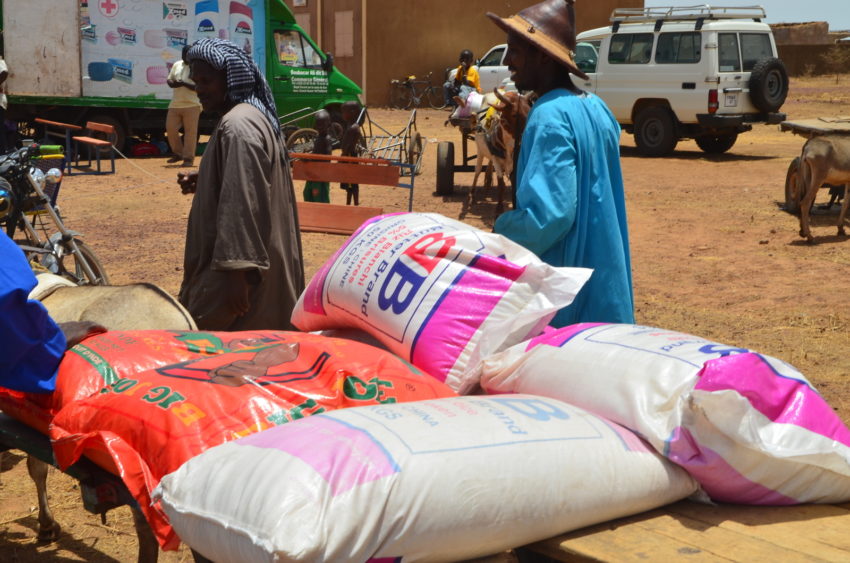
The greatest needs of children and families in Mali are food security, health, and all aspects of child protection. Without reliable sources of food, families are cutting back on how much they eat and more children are becoming malnourished. As many as 4.3 million people don’t have enough food.
More than 2 million school-aged children were not enrolled in school before the coronavirus, and over half of Mali’s youth ages 15 to 24 are not literate. With children vulnerable to violence and recruitment into armed groups, they need opportunities for education and strong support systems within their families and communities.
How can I help people in Mali?
Pray for children and families affected by hunger and conflict in Mali and other West African countries.
Sponsor a child: Help World Vision continue to provide life-saving assistance to children and communities in Mali.
How does World Vision help people in Mali?
World Vision responded to a drought in Mali in 1975, opened an office in 1982, and began child sponsorship there in 1988.
Since then, some of World Vision’s major accomplishments have included:
- Digging more than 1,500 freshwater wells to provide a source of clean, safe water
- Providing food to famine survivors and malnourished children during the 1980s
- Providing immunizations and improved nutrition to reduce the high mortality rates of children throughout the 1990s
- Developing education and health systems and providing access to microfinance in the 21st century
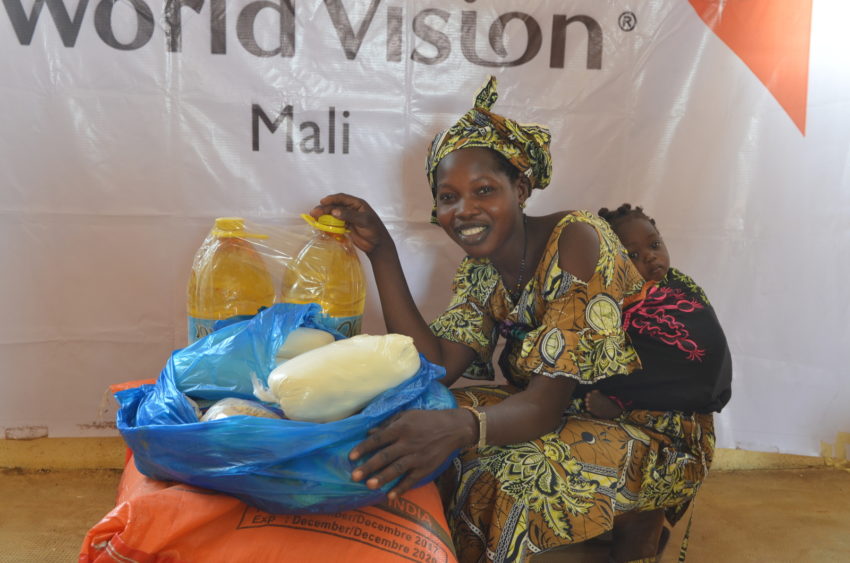
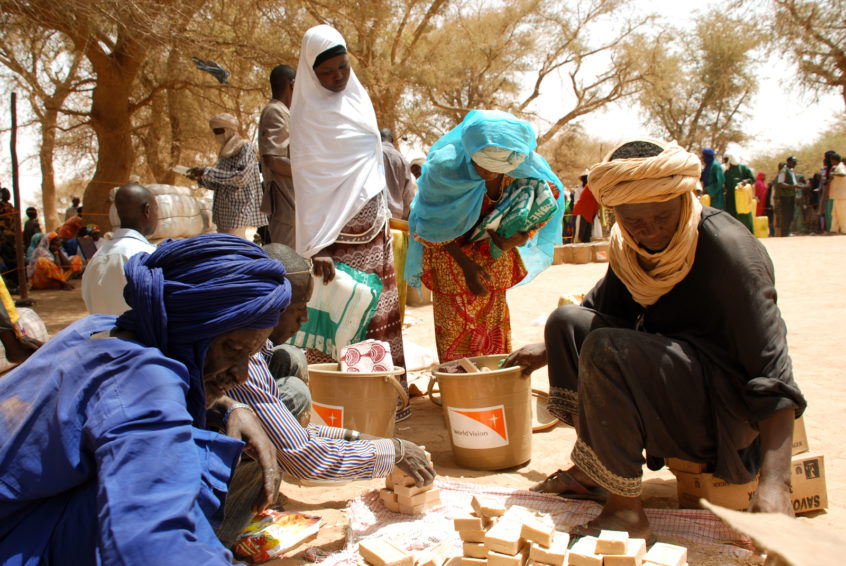
During the height of the political upheaval in 2012 and 2013, World Vision staff worked to provide emergency food aid, shelter, access to safe drinking water and improved hygiene facilities, and household necessities to about 150,000 people throughout the country. About 65,000 children are currently registered in World Vision child sponsorship programs in Mali; almost 21,000 of them are located in conflict-affected areas.
Since April 2018, World Vision mounted a new response to the humanitarian crisis in central Mali, focusing on food assistance, nutrition, water and sanitation, child protection, and peacebuilding.
Mali conflict timeline
1891 — French Sudan colony is formed, which includes modern Mali.
1960 — Mali achieves independence from France on September 22.
1962 to 1964 — Seeking autonomy, Tuareg ethnic groups rebel in the north.
1992 — Alpha Konare wins the first multiparty, democratic presidential election.
2002 — Amadou Toumani Toure is elected president; he serves two terms.
2011 — The drought and hunger crises in West Africa come to the world’s attention, but continue today.
2012 — In January, Tuareg ethnic rebellion in the north sets off massive displacement as people flee fighting. Military officers overthrow President Toure in March. Then in April, Tuareg rebels seize northern Mali and declare independence, calling the state Azawad. From June to July, other rebel groups seize territory and continue conflict in the north. In November, the African Union deploys troops to quell violence in the north. By now, more than 112,000 Malians have fled the violence as refugees to Burkina Faso, Mauritania, or Niger. At least 250,000 more residents are displaced within Mali.
2013 — In January, French and Malian forces recapture much of the north. On May 15, international donors pledge more than $4 billion to help Mali get back on its feet. Then on June 18, rebels and the Malian government sign a peace agreement that prepares the way for elections. In July, a 12,600-strong U.N. military and police force takes over to help stabilize the country. On Aug. 11, the Malian people peacefully elect Ibrahim Boubacar Keita as their new president in a runoff election. Before the coup, Mali’s democracy was considered a success story among West African nations.
2014 — Fighting continues between the Mali government and militias in the north.
2015 — The Mali government negotiates peace with militias and allows more regional autonomy for the Tuareg ethnic group in a peace deal aimed at ending years of civil conflict in the northern regions.
2017 — The people of Mali continue to experience the effects of violence and insecurity from multiple attacks by extremist groups and clashes between rebel factions and communal groups. About 142,000 Malians still live as refugees in neighboring countries.
2018 — Ibrahim Boubacar Keïta is re-elected president. Insecurity and terrorist attacks continue. An increase of insecurity and ethnic conflicts in Central Mali make some areas inaccessible to nongovernmental aid groups.
2020 — President Keïta resigned and dissolved parliament following a military takeover. Neighboring countries are concerned that increasing conflict could threaten regional stability.