
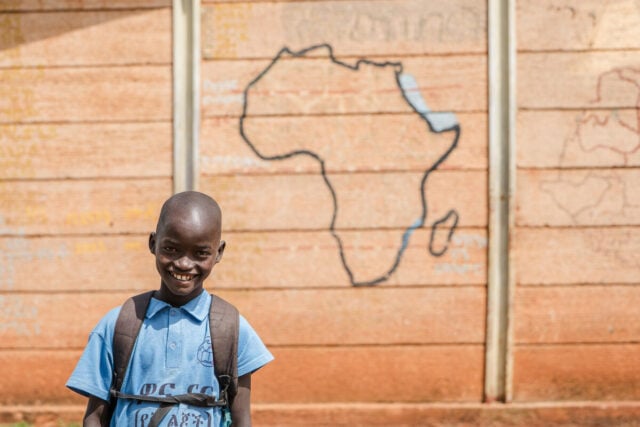
One young man in Ethiopia risked everything to rescue a child marked for death. World Vision is helping families let go of an ancient lie that has stolen thousands of children.
News & Stories
Child Protection Stories
From the Field
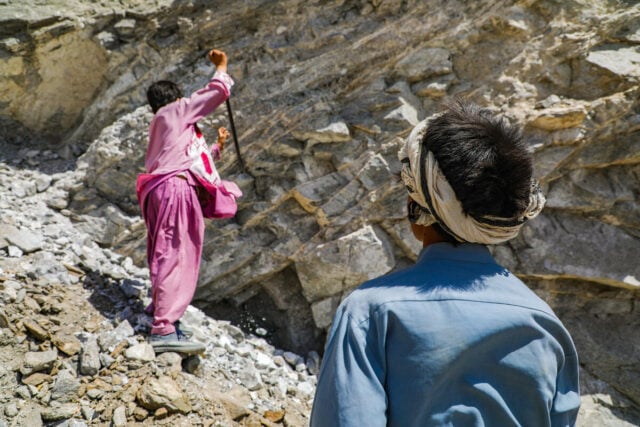
Child labor: Facts, FAQs, and how to help
Around the world, about 160 million children ages 5 to 17 are engaged in child labor, which robs them of their childhood and limits their ability to reach their full potential. Learn what is child labor, child labor history, and what World Vision is doing to end it.
From the Field
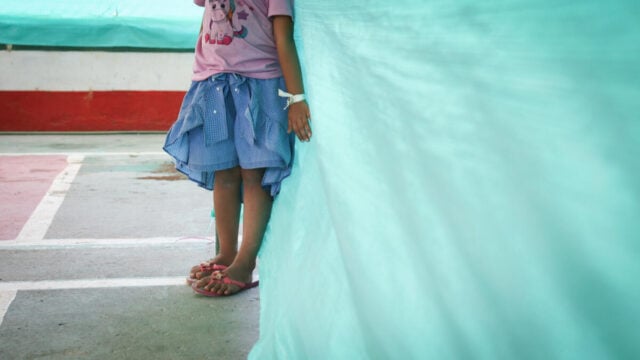
Top 10 most dangerous places in the world to be a child
These are the 10 most dangerous places in the world today — not just for travelers, but for the children and families who call these places home. From war and political instability to extreme hunger and displacement, these regions face immense challenges. Here’s what’s happening and how organizations like World Vision are working to bring hope through food, water, protection, and more.
From the Field
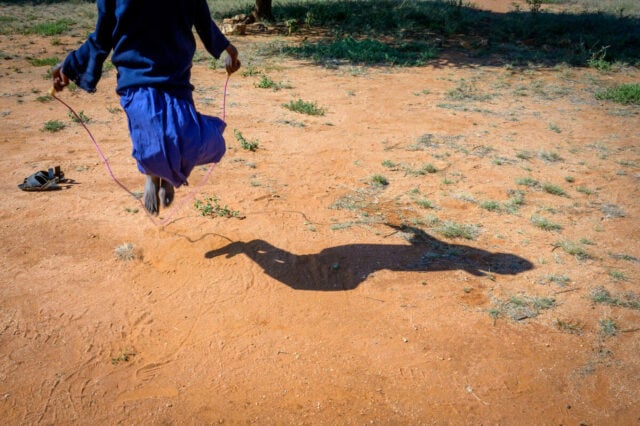
Child marriage: Facts, FAQs, and how to help end it
Child marriage is a violation of human rights. Marrying as a child compromises a girl’s development and severely limits her opportunities in life. Get the facts about child marriage and learn how you help end it.
From the Field
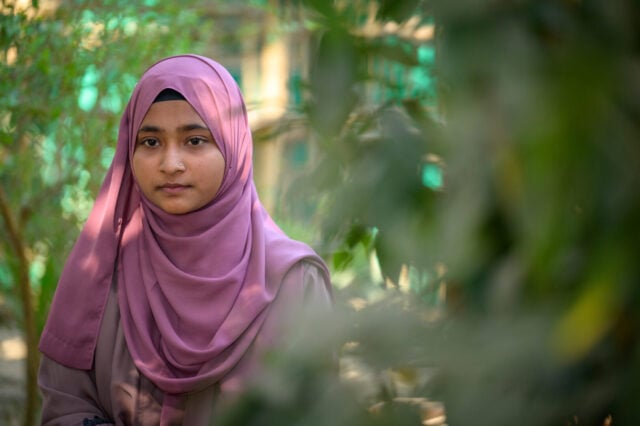
Her voice, her future: Unlocking children’s confidence
Children are the future — and World Vision is empowering youth to be leaders in their communities who advocate for their own well-being, protection for themselves and their peers, and an end to child marriage.
From the Field
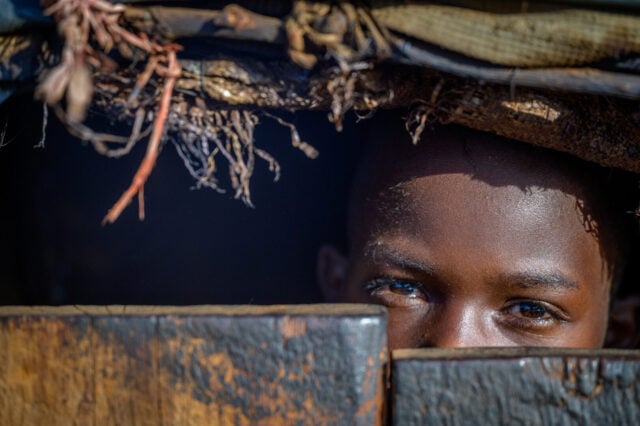
The cost of child marriage
When families in Kenya are faced with extreme poverty and social pressure, they often seek relief by marrying off their young daughters to older men. World Vision has decided to help bring an end to child marriage and other harmful practices for girls by tackling the root causes.
From the Field
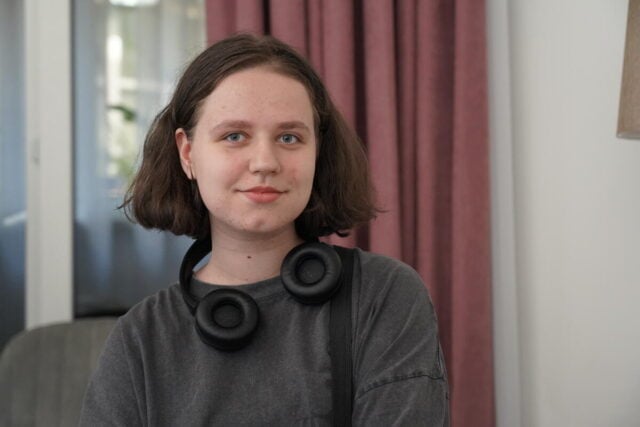
Following dreams in the shadows of war
Forced to flee her home, 15-year-old Eva navigates life in Lviv with resilience and hope, finding healing through art therapy and big dreams. Discover how a safe space helped her rebuild her future.
From the Field
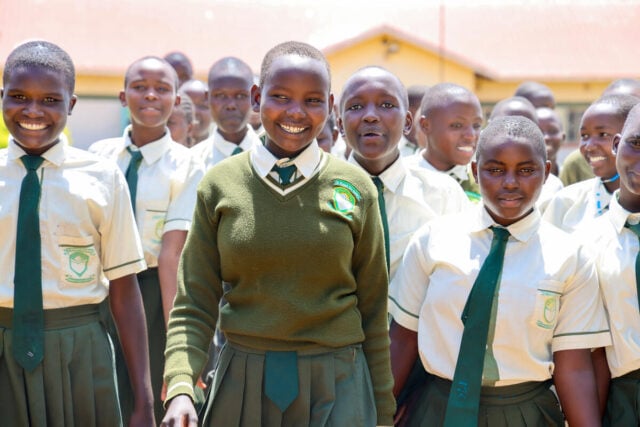
6 facts about female genital mutilation (FGM)
Here are key facts about female genital mutilation (FGM), a harmful practice that has affected at least 230 million women and girls across 30 countries. Millions more girls are at risk.
From the Field
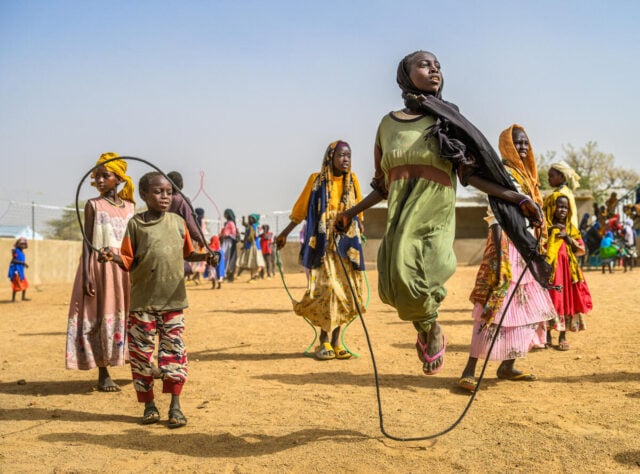
Sudanese refugee children reclaiming their childhood
World Vision is providing crucial child protection support, including Child-Friendly Spaces, to vulnerable children affected by the Sudan conflict. Our programs extend to both Sudan and Chad, where refugee numbers have surged since April 2023.
From the Field
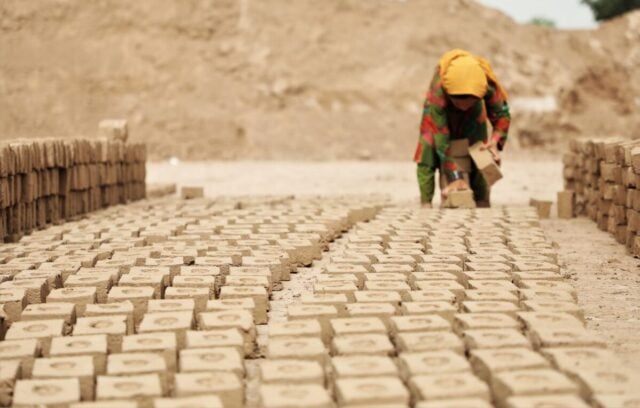
What you need to know about child labor in photos
Child labor deprives children of their childhood, their potential, and their safety, and is harmful to physical and mental development. As many as 160 million children worldwide engaged in child labor in 2020. Let’s explore this important topic through a collection of powerful photos.