Albania
Located in southeast Europe, the small country of Albania is bordered by Greece, Kosovo, Montenegro, Macedonia, and the Adriatic and Ionian Seas. Mountains fill Albania’s eastern region and coastal plains cover the western region, which is home to most of the population.
Population
3,204,000
Land mass
11,099
Life Expectancy
77 years
Literacy Rate
96%
Access to Safe Water
97%
Under Age 5 Mortality Rate
18/1000
School Enrollment
80%
Average Annual Income
(GNI)
4,000
View US
comparison chart >

US Comparison to Albania
Albania United States |
|---|
Population 3,204,000 307,000,000 |
Land Mass 11,099 3,794,083 sq miles |
Life Expectancy 77 years 78 years |
Infant Mortality 18/1000 7/1000 |
Literacy Rate 96% 97% |
School Enrollment 80% 92% |
Access to Safe Water 97% 100% |
Average Annual Income $4,000 $41,400 |
World Vision in Albania Today
World Vision is committed to partnering with the people of Albania to improve their lives today and to help enact sustainable solutions for the future of their children, families, and communities. World Vision’s child sponsorship program plays a vital role in this partnership, with donors from the United States sponsoring more than 12,200 girls and boys. In addition to sponsorship, World Vision operates other programs that benefit communities in Albania. Highlights include:
- Meeting the psychosocial and economic needs of children living and working on the streets through literacy programs, vocational training for parents, and increasing resources for children and their parents.
- Enabling more than 8,000 children to take part in life-changing summer camps.
- Improving treatment of children by training 500 parents on positive child rearing practices.
World Vision History in Albania
World Vision began working in Albania in 1999, providing relief operations in response to the Kosovo refugee crisis. Since then, some of World Vision’s major accomplishments have included:
- Providing tools, clothes, plants, and other necessities to families struggling with poverty.
- Assisting struggling families with a credit program to help them increase their income and improve their nutrition and to provide parents with resources to better care for their children.
- Building school facilities where children can gain an education in a safe and stable environment.
- Raising HIV and AIDS awareness among young people and giving them a forum where they can discuss related issues freely.
Geography & People
Geography and people
Located in southeast Europe, the small country of Albania is bordered by Greece, Kosovo, Montenegro, Macedonia, and the Adriatic and Ionian Seas. Mountains fill Albania’s eastern region and coastal plains cover the western region, which is home to most of the population. The Strait of Otranto separates Albania from Italy by 45 miles.
Natural resources include petroleum, natural gas, coal, copper, iron ore, nickel, salt, timber, and hydropower.
The Albanian ethnic group makes up most of the population; Greeks, Roma, Vlachs, Serbians, and Bulgarians make up the remainder of the population. Albanian, derived from the Tosk dialect, is the official language, but the people also speak Greek.
Most people work in agriculture, growing products such as wheat, corn, potatoes, sugar beets, and grapes. Albania’s other industries include food processing, textiles, lumber, oil, mining, chemicals, cement, and hydropower.
Albanians cherish close family ties, as well as their ethnic heritage. Ethnic Albanians call themselves Shqipetars, which means “sons of the eagle.”
History
Spending centuries under Roman, Byzantine, and Ottoman control, Albania did not declare independence until 1912. Albania’s independence only lasted a couple of decades. Italy invaded the country in 1939 and Communist supporters seized control in 1944.
After more than forty years of communist rule, Albania held multiparty elections in 1991. In the late 1990s, fighting between Serbians and independence-seeking ethnic Albanians in neighboring Kosovo forced 44,000 refugees into Albania, compounding the economic challenges that residents already faced.
Despite Albania’s transition to a democratic government, elections did not gain stability until recent years. Albania jointed NATO in 2009.
Prayer Requests for Albania
Please pray for:
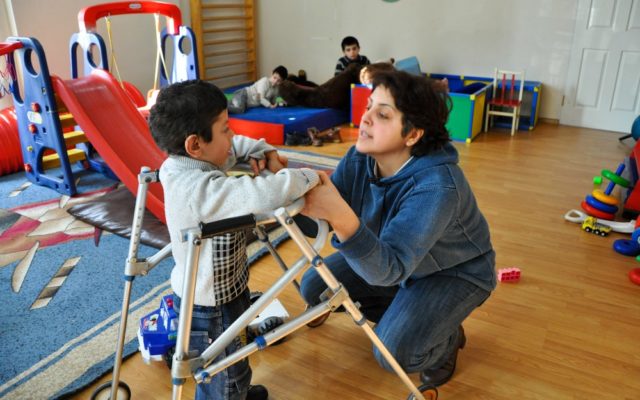
Vulnerable children, including those with disabilities, to have access to quality education.
Peace and stability in Albania’s politics.
Albania Facts
- Despite the economy's recent growth, Albania still remains one of the poorest countries in Europe. The agriculture sector, which employs over half of Albania's workforce, has struggled in recent years.
- About 12 percent of Albanians are unemployed and a quarter of people live below the poverty line.
- School dropout rates are a growing concern for children. Most children enroll in primary school, but only about half actually attend and finish. This problem is especially common among the Roma, an ethnic group formerly known as “gypsies,” which is now a derogatory term.
Child Sponsorship
Through sponsorship, World Vision is partnering with families and communities to help meet immediate needs and promote lasting changes that will strengthen communities and move families toward self-reliance.
Each year sponsors receive updates about their sponsored child and their community. Sponsors also learn about the child's continuing activities and new accomplishments so when they correspond with their child, they can encourage them in their education, hobbies and endeavors.
The commitment of World Vision sponsors helps provide children with love, hope, and opportunities for a healthy, productive future. May God bless sponsors as they make a lasting difference in the life of a special child.
Progress in
Thanks to the generous support of our sponsors, World Vision was able
to work alongside communities to accomplish the
following in 2012.

Education
- Trained teachers in positive discipline techniques, equipping them to resolve conflicts while respecting the rights of children.
- Organized campaigns to raise awareness of the importance of education among parents, leading to an increase in school enrollment.
- Provided vocational education courses for young people who were unable to attend high school.
- Partnered with local organizations to provide life-skills workshops for at-risk children and victims of trafficking.
- 2,385 children received improved health and education because their household income increased due to microloan-supported businesses.

Economic Opportunities
- Coordinated vocational classes for young people in fields such as hairdressing and auto mechanics.

Child Rights
- Facilitated workshops for parents to strengthen family relationships and promote positive parenting methods.
- Held life-skills sessions to teach children how to make healthy decisions, avoid violence, and form healthy relationships.
- 2,381 small-business owners (50 percent of whom are women) have received microloans totaling $2,045,368 to create 6,775 local jobs.

Healthcare
- Educated mothers in children's nutritional requirements and meal planning, enabling them to better care for their children.
- Implemented a program to teach community members about the importance of clean water, sanitation, and hygiene.
- Helped vulnerable children access medical treatment.
Albania
United States