
Armenia

Armenia is a small landlocked country that sits between the Black and Caspian Seas on the crossroads of Europe and Asia. Georgia, Iran, Azerbaijan, and Turkey border this mountainous country.

  • Population
    3,092,000
  • Land mass
    11,483
  • Life Expectancy
    74 years
  • Literacy Rate
    100%
  • Access to Safe Water
    96%
  • Under Age 5 Mortality Rate
    20/1000
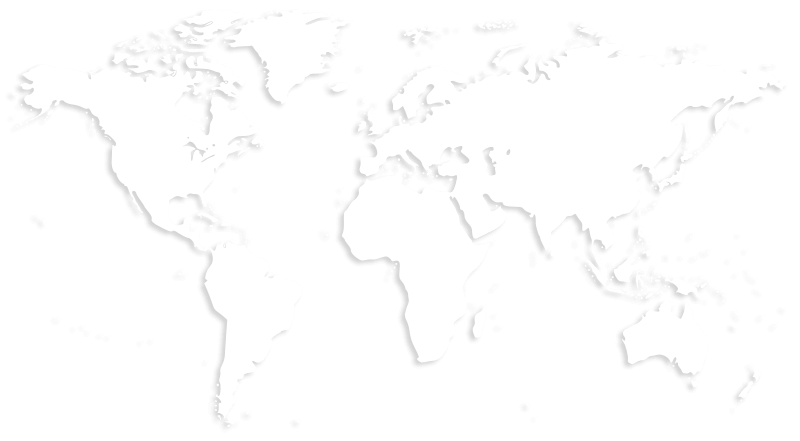
Armenia Map

US Comparison to Armenia

Armenia United States
Population
3,092,000
307,000,000
Land Mass
11,483
3,794,083 sq miles
Life Expectancy
74 years
78 years
Infant Mortality
20/1000
7/1000
Literacy Rate
100%
97%
School Enrollment
93%
92%
Access to Safe Water
96%
100%
Average Annual Income
$3,090
$41,400

World Vision in Armenia Today

World Vision is committed to partnering with the people of Armenia to improve their lives today and to help enact sustainable solutions for the future of their children, families, and communities. World Vision’s child sponsorship program plays a vital role in this partnership, with donors from the United States sponsoring more than 7,300 girls and boys. In addition to sponsorship, World Vision operates other programs that benefit communities in Armenia. Highlights include:

  • Assisting communities to develop disaster preparedness programs.
  • Distributing medical supplies and winter clothing to encourage school attendance.
  • Providing thousands of people in villages with primary healthcare services.
  • Supporting community centers to provide professional assistance to more than a thousand children and their families.

World Vision History in Armenia

In December 1988, World Vision began ministering to the people of Armenia after a devastating earthquake. World Vision quickly responded by delivering more than $1 million in medical supplies to survivors in the most severely impacted areas. Since then, some of World Vision’s major accomplishments have included:

  • Providing food staples and blankets to struggling families after Armenia’s independence in 1991.
  • Delivering donated food to thousands of hungry people and improving houses for hundreds of families during the early 1990s.
  • Offering small loans and business training to small and medium-sized business owners in the late 1990s.
  • Improving mother and child nutrition, HIV and AIDS prevention, and disaster relief since the beginning of the 21st century.

Geography & People

Geography and people

Armenia is a small landlocked country that sits between the Black and Caspian Seas on the crossroads of Europe and Asia. Georgia, Iran, Azerbaijan, and Turkey border this mountainous country. A plateau with little forest growth makes up the terrain.

Lake Sevan, located in eastern Armenia, is one of the largest high-altitude lakes in the world. The lake is a popular tourist spot, as well as a source for electricity, irrigation, and fish.

Natural resources include small deposits of gold, copper, zinc, and bauxite.

The Armenian people have lived in the Southern Caucasus region since about 2,500 B.C. Today, about 98 percent of the population is ethnic Armenian. Most people speak the official language of Armenian; however, the Yezidis and Russians speak their own languages.

Armenians value close family ties. Parents also place high importance on learning and work to give their children the best education possible.

History

In ancient times, Armenia ruled itself for two centuries then fell under the rule of the Romans, Persians, Arabs, Byzantines, Mongols, and Turks. Armenia became the world’s first nation to adopt Christianity as its official religion in A.D. 301.

In 1920, Russia incorporated Armenia as one of its socialist republics. Years later, a five-year war broke out between Armenia and Azerbaijan in the late 1980s, leaving 35,000 people dead and 900,000 displaced. Azerbaijan and Turkey closed their borders to Armenia after the war’s end in 1994.

Armenia declared independence in 1991 and seceded from the Soviet Union, joining the United Nations a year later. The next decade saw massive food and energy shortages, which sparked several protests by Armenians.

Armenia has recently approached Turkey to resume diplomatic discussions.

Prayer Requests for Armenia

Please pray for:

Economic stability so Armenians do not have to leave their families and look for jobs outside the country.

The protection and care of children in Armenia.

Armenia Facts

  • Armenia's transition from the Soviet centralized system to a market economy has led to a severe drop in living standards and a rise in poverty.
  • About seven percent of the workforce is unemployed and more than a quarter of the population lives below the poverty line.
  • Armenians' limited access to healthcare leaves them struggling with serious health issues like anemia and HIV and AIDS. Children often suffer from sickness caused by cold, moisture, and dust.
  • In both rural and urban areas, school attendance remains low despite high enrollment. Some children must help their families in the fields, while some children do not attend for fear that schools are using corporal punishment.

Child Sponsorship

Through sponsorship, World Vision is partnering with families and communities to help meet immediate needs and promote lasting changes that will strengthen communities and move families toward self-reliance.

Each year sponsors receive updates about their sponsored child and their community. Sponsors also learn about the child's continuing activities and new accomplishments so when they correspond with their child, they can encourage them in their education, hobbies and endeavors.

The commitment of World Vision sponsors helps provide children with love, hope, and opportunities for a healthy, productive future. May God bless sponsors as they make a lasting difference in the life of a special child.

Sponsor a child in Armenia

Progress in Armenia

Thanks to the generous support of our sponsors, World Vision was able to work alongside communities to accomplish the
following in 2012.

Food and Agriculture

  • Introduced improved animal husbandry techniques, resulting in healthier, more productive livestock.

Water and Sanitation

  • Helped rebuild drinking-water systems in hospitals and kindergartens.
  • Improved access to clean drinking water by repairing water reservoirs and pipelines.

Education

  • Facilitated campaigns to raise parents' awareness of child rights and encourage them to be more involved with the schools.
 

Economic Opportunities

  • Repaired the roads between pastures and communities to help farmers get their products to market.
  • Partnered with the community to build a sewing facility where community members can learn new job skills.
  • Organized bee-keeping workshops and distributed supplies to help families earn income from the sale of honey.

Healthcare

  • Supplied medical equipment for community health centers to improve the quality of healthcare.

Christian Commitment

  • Helped local churches provide Sunday school classes and Bible studies to teach children about God's love.
  • Organized Christian summer camps where children studied the Bible, prayed, and had fun.