
India

Located in South Asia, India is bordered by Bangladesh, Bhutan, Myanmar, Nepal, and Pakistan. The landscape features an upland plateau in the south, an arid desert in the west, and the Himalayan Mountains in the north.

  • Population
    1,224,614,000
  • Land mass
    1,269,219
  • Life Expectancy
    65 years
  • Literacy Rate
    63%
  • Access to Safe Water
    88%
  • Under Age 5 Mortality Rate
    63/1000
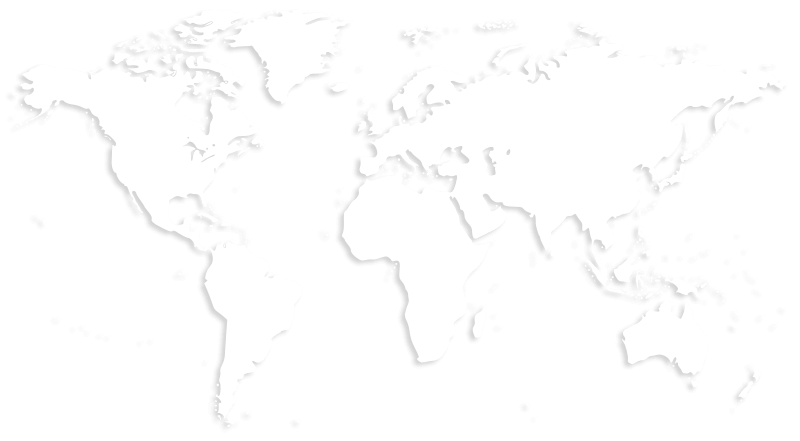
India Map

US Comparison to India

India United States
Population
1,224,614,000
307,000,000
Land Mass
1,269,219
3,794,083 sq miles
Life Expectancy
65 years
78 years
Infant Mortality
63/1000
7/1000
Literacy Rate
63%
97%
School Enrollment
97%
92%
Access to Safe Water
88%
100%
Average Annual Income
$1,340
$41,400

World Vision in India Today

World Vision is committed to partnering with the people of India to improve their lives today and to help enact sustainable solutions for the future of their children, families, and communities. World Vision’s child sponsorship program plays a vital role in this partnership, with donors from the United States sponsoring more than 65,500 girls and boys. In addition to sponsorship, World Vision operates other programs that benefit communities in India. Highlights include:

  • Empowering young women by providing them with financial stability, economic development assistance, and personality development through community projects.
  • Involving children in opportunities for self expression like The Child Journalists' workshop by training children to investigate an issue, make short movies, take photos and write articles.
  • Ensuring children's health by fully immunizing 86 percent of children in target communities.
  • Working to prevent child labor, restore child laborers to their families and school, and advocate for enforcement of existing child labor laws.

World Vision History in India

World Vision began work in India in 1953. Child sponsorship began in 1960. Since then, some accomplishments include:

  • Assisting Indians affected by heavy rains in 1974 with food and shelter.
  • Responding to the damage done by Pradesh cyclones and floods during the 1980s by providing agricultural assistance, clean drinking water, immunizations, and nutrition programs.
  • Launching several projects during the 1990s to address the concerns of bonded child labor, street children, AIDS awareness, rehabilitation of commercial sex workers, and the prevention of female infanticide.
  • Distributing clothes, medicines, kerosene, blankets, food, and more to over 35,000 victims of the December 2004 tsunami.
  • Providing cooked food, household items, mosquito nets, cooking utensils, and clothing to thousands of Indians affected by floods in 2009.

Geography & People

Geography and people

Located in South Asia, India is bordered by Bangladesh, Bhutan, Myanmar, Nepal, and Pakistan. The landscape features an upland plateau in the south, an arid desert in the west, and the Himalayan Mountains in the north. Three of India’s largest rivers (the Ganges, Indus, and Brahmaputra) originate in the Himalayas.

The climate ranges from tropical to temperate. Natural resources include arable land, coal, diamonds, limestone, natural gas, titanium ore, and petroleum. India is the world’s seventh largest country.

As the second most populous country in the world, India supports over 15 percent of the world’s people and contains about 200 ethnic groups. Nearly 75 percent of India’s inhabitants are Indo-Aryan, a mixture of indigenous and either European or Iranian ancestry. Over 337 million people speak the national language of Hindi. Indians use English mostly in political and commercial communications.

Although the effects of poverty in India are widespread, girls often suffer the most. Traditionally the father gets first choice of the food, then his sons, with the leftovers going to his wife and daughters. Girls also often miss out on education, immunizations, health care, and other benefits.

Boys may continue to live with their parents after they get married. Girls, however, go to live with their husbands’ families. By law, women cannot wed until they are 21, but in rural communities, families often arrange marriages while the children are quite young.

History

The Hindu culture developed on the subcontinent of India under the Gupta Dynasty in the fifth century A.D. For the next 700 years, Islam slowly spread across the region and blended with Hindu traditions.

By the 1850s, the British controlled most of India and opened trading posts along the western coast. Beginning in 1920, Mohandas K. Gandhi led a mass movement against British rule, using nonviolent resistance to push for independence.

In 1947, the British partitioned the country into two independent states: India (with a Hindu majority) and Pakistan (with a Muslim majority). Since that time, India and Pakistan have fought three wars over Kashmir, a northern Muslim region.

India controls two of Kashmir’s three states, while Pakistan controls the remaining state. Both countries supported a cease-fire in 2003, yet several attacks occurred in the past few years, straining relations.

In August 2008, devastating floods in Bihar in eastern India destroyed an estimated 315,000 homes and affected more than 4 million people. In November 2008, terrorists attacked Mumbai, the financial capital of India. The attacks left 200 dead and hundreds injured. In 2009, drought and more floods affected millions of people.

Prayer Requests for India

Please pray for:

People struggling with hunger and living with HIV and AIDS to receive the help they need.

The protection and care of vulnerable children, especially for those living on the streets.

India Facts

  • India has the world's 12th largest economy-and third largest in Asia-with a gross domestic product of over $1 trillion. Since 1997, economic growth has averaged seven percent per year. Despite economic progress, the unemployment rate hovers around ten percent.
  • More than 80 percent of Indians (that's 700 million) live on less than $2 a day. According to the World Food Program, about 25 percent of the world's hungry live in India and around 40 percent of children under the age of 5 are malnourished.
  • Because Indians living in rural areas do not have access to adequate sanitation facilities, diarrhea is common and is the second leading cause of death among children.
  • Forced labor is a significant problem in India. Millions of men, women, and children are held in debt bondage and forced to work in brick kilns, rice mills, embroidery factories, and other industries. Women and children are also vulnerable to human trafficking.

Child Sponsorship

Through sponsorship, World Vision is partnering with families and communities to help meet immediate needs and promote lasting changes that will strengthen communities and move families toward self-reliance.

Each year sponsors receive updates about their sponsored child and their community. Sponsors also learn about the child's continuing activities and new accomplishments so when they correspond with their child, they can encourage them in their education, hobbies and endeavors.

The commitment of World Vision sponsors helps provide children with love, hope, and opportunities for a healthy, productive future. May God bless sponsors as they make a lasting difference in the life of a special child.

Sponsor a child in India

Progress in

Thanks to the generous support of our sponsors, World Vision was able to work alongside communities to accomplish the
following in 2012.

Food and Agriculture

  • Helped construct irrigation systems to reduce farmers' reliance on seasonal rainfall and increase crop yields.
  • Distributed livestock and seeds to families, improving food security and increasing income.
  • Trained farmers in improved farming practices and organic methods to increase crop yields and conserve natural resources.

HIV and AIDS

  • Partnered with community care coalitions to care for and support orphans and vulnerable children, and people living with HIV and AIDS.
  • Facilitated age-appropriate HIV and AIDS education for children.
  • Trained community groups in Channels of Hope, a program that equips organizations to respond to the AIDS crisis.

Water and Sanitation

  • Drilled borehole wells, installed water purification systems, and expanded pipelines, increasing access to clean water.
  • Constructed latrines in homes and schools, improving sanitation and health.
 

Education

  • Furnished schools with desks, chairs, and playground equipment to improve the learning environment and motivate children to attend school.
  • Organized a life-skills program for young people to promote positive attributes such as self-discipline and encourage healthy lifestyles.
  • Operated tutoring centers to improve students' academic skills and help them stay in school.
  • Contributed building materials to repair and construct school buildings.

Emergency Response

  • Provided food and emergency supplies to families affected by severe flooding, many of whom lost their homes and crops.
  • Helped villages form disaster-response plans to prepare for emergencies such as cyclones and floods.

Economic Opportunities

  • Provided young people with career counseling and vocational training.
  • Provided livestock, supplies, and equipment to help community members start small businesses.
  • Established community business groups to help entrepreneurs start businesses and access small loans.
 

Child Rights

  • Continued to raise awareness of child rights through advocacy events, children's clubs, and neighborhood child protection committees.

Community Development

  • Trained community organizations in leadership and management, equipping them to continue development work in their villages.

Healthcare

  • Coordinated medical checkups for children and helped sick children access medical treatment.
  • Held information sessions to strengthen community members' knowledge of nutrition, malaria prevention, and the treatment of diarrhea.
  • Distributed treated mosquito nets to help control the spread of malaria and dengue fever.