New report finds rising food costs putting children’s futures at risk
Media Contact :
October 15, 2026
Senior Public Relations Manager
[email protected]
m 404-735-0871

Media Contact :
October 15, 2026
Senior Public Relations Manager
[email protected]
m 404-735-0871
Highlights
SEATTLE, October 15, 2026 — According to a new report from Christian humanitarian organization World Vision, rising food costs are leaving families in the U.S. and around the world with fewer choices, forcing them to buy less food, choose cheaper or less nutritious options, take on debt, or worse, go hungry.
The fifth annual Price Shocks food survey examined how far families’ earnings stretch across 62 countries by comparing the cost of basic food supplies with average wages. The findings come as we mark World Food Day, a global moment dedicated to raising awareness about hunger and food insecurity. Motivated by its faith in Jesus Christ, World Vision has spent 75 years walking alongside families in the places where it’s hardest to be a child — including those facing the daily reality of food insecurity.
Researchers found that while workers in high-income countries like the United States can afford to buy simple, nutritious food after just one hour of work, workers in the least affordable countries require several days or weeks to buy the same basket. In Ukraine, it takes more than 12 hours to purchase staple items. In Sudan, an adult needs to work 19 days to earn enough money to buy the same basic food products.
“These findings reveal a stark divide in what families can afford,” said Margaret Schuler, World Vision’s senior vice president of international programs. “In my work with crisis-affected communities around the world, I’ve met mothers who must make difficult decisions daily around the price of feeding their families. What meal should we skip? Or worse, what child gets to eat? Conflict, displacement, economic crunches, and extreme weather can worsen these pressures, and for children, the consequences can be long-lasting.”
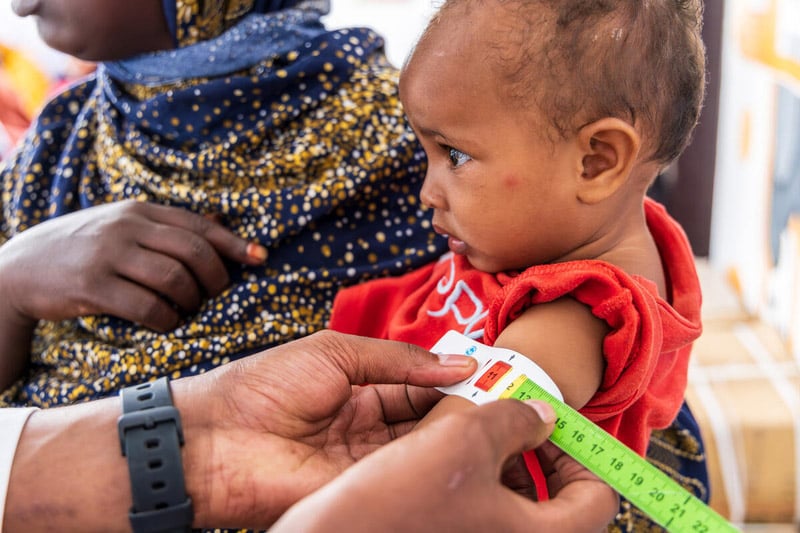
In 2025, an estimated 35.5 million children were acutely malnourished worldwide, including nearly 10 million with severe acute malnutrition. Malnutrition can harm children’s physical and cognitive development, weaken their immunity and increase their risk of death. These impacts can continue throughout childhood and into adulthood and are not always easily reversed.
The cost of food reflects more than prices — it reflects the dignity and potential of every child. When families cannot afford nutritious food, children can pay the highest price through poorer nutrition, lost opportunities to learn, and risks to their health, safety, and future.
“Children should not have to pay the price when nutritious food is out of reach,” Schuler said. “These findings underscore the urgency of ensuring families can afford the food their children need to grow, thrive and reach their full potential.”
World Vision calls on governments, donors, businesses and international institutions to make food affordability and children’s access to nutritious food a priority by:
About Price Shocks 2026: Food price data was collected from local markets by World Vision staff and volunteers who compared the prices of 10 common food items around the world: bananas, rice, flour, sugar, corn, eggs, cooking oil, chicken, tomatoes, and milk.
To read the full Price Shocks 2026 report, visit here.
About World Vision:
World Vision is a Christian humanitarian organization dedicated to working with children, families and their communities worldwide to reach their full potential by tackling the causes of poverty and injustice. Motivated by our faith in Jesus Christ, we serve alongside the poor and oppressed as a demonstration of God’s unconditional love for all people. World Vision serves all people, regardless of religion, race, ethnicity or gender. For more information, visit worldvision.org or follow on X @WorldVisionUSA.