Trauma, the Other Earthquake: World Vision Urges to Protect the Mental Health of Venezuela’s Children
Media Contact :
July 22, 2026
Senior Public Relations Manager
[email protected]
m 202-679-1620

Media Contact :
July 22, 2026
Senior Public Relations Manager
[email protected]
m 202-679-1620
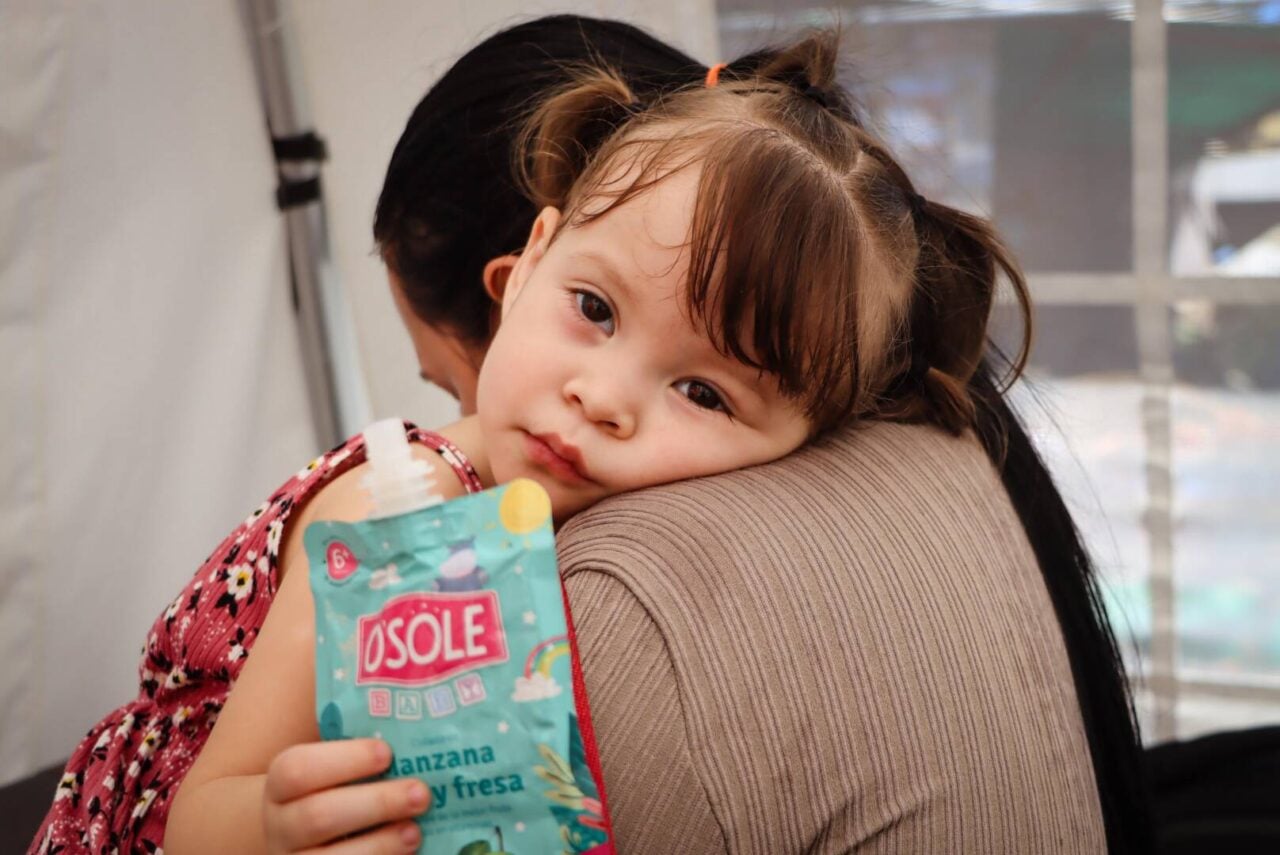
CARACAS, Venezuela (July 21, 2026) — One month after the earthquakes that devastated north-central Venezuela on June 24, World Vision warns that, alongside the visible damage to infrastructure, an “inner earthquake” is unfolding: the protection and mental-health risks the emergency has heightened for thousands of children and adolescents.
The earthquake shook children who were already dealing with tremendous loss. Nearly 7.9 million people had emigrated, and an estimated one million children had been left in the care of relatives or neighbors because their parents migrated. The quake also damaged more than 400 schools in an education system already worn down by years of deterioration. Before the disaster, 22% of Venezuelan migrant children were not enrolled in formal education, according to R4V.
Scientific evidence indicates that trauma and adverse experiences in childhood multiply health risks, and that unprocessed trauma is stored in the body and the nervous system. Those who lived through four or more adverse experiences in childhood are twelve times more likely to experience suicidal ideation and face elevated risks of cardiovascular disease in adulthood, according to studies by Felitti and Anda (1998).
“It is because of this heightened risk to mental and physical health that World Vision prioritizes Child-Friendly Spaces during emergencies. They are an emotional lifeline,” said World Vision Venezuela Country Manager Maribel Prada. “We have worked for more than a decade with the Parenting with Tenderness approach in the region to protect the mental health of children and their families, as a way to healthily process the multiple losses that a disaster brings.”
In these spaces, set up in shelters and distribution points where World Vision provides food, water, and hygiene items, our teams offer psychosocial support, art, and play to help children regulate their emotions. In the first three weeks of the response, the organization has reached 36,720 people, a third of them children, said Prada.
As the first month since the earthquake closes, World Vision stresses that restoring a sense of hope for children will take years, and therefore prioritizes education in emergencies in this new phase. The organization aims to provide psychosocial support for the whole school community (children, parents, caregivers, and teachers), the provision of supplies and uniforms, the rehabilitation of school infrastructure, temporary classrooms, and child protection.
“Restoring the right to education is the most effective way to anticipate and prevent the risks of irregular migration and forced displacement that many families affected by the earthquake could consider” said World Vision’s Regional Director of External Engagement for in Latin America and the Caribbean Mishelle Mitchell. “We call on neighboring countries to keep regular migration pathways and access to asylum open, and to guarantee that Venezuelan children can access education, protection, and psychosocial support on equal terms with children in host communities.”
At the local level, the organization urges not only the rebuilding of infrastructure but also the strengthening of national capacities to ensure children’s access to education during the emergency.
The school year in Venezuela ended this past July, and in the aftermath of the earthquake the country faces severe challenges due to damage to more than 1,000 buildings, including 400 educational centers, according to OCHA.
To support World Vision’s Venezuela earthquake response, visit: https://donate.worldvision.org/give/venezuela-relief-fund
About World Vision:
World Vision is a Christian humanitarian organization dedicated to working with children, families and their communities worldwide to reach their full potential by tackling the causes of poverty and injustice. Motivated by our faith in Jesus Christ, we serve alongside the poor and oppressed as a demonstration of God’s unconditional love for all people. World Vision serves all people, regardless of religion, race, ethnicity or gender. For more information, visit worldvision.org or follow on X @WorldVisionUSA.