
Sponsor a child
For $43 a month, walk alongside a child and their community toward lasting change.
How your sponsorship makes a difference
Why choose World Vision for child sponsorship?
Trusted by millions of sponsors, World Vision has followed Jesus’ example of serving vulnerable people by working in the hardest places to be a child for over 75 years.

Proven impact
Since 2020, 213 communities in 43 countries graduated— equipping 444,708 children and their families to thrive.

Community-based approach
Monthly sponsorship donations are combined to strengthen and support their entire community through long-term solutions.

Global reach
Present in nearly 100 countries, we serve every child we can — regardless of religion, race, ethnicity, or gender.

Local staff
Most of our staff work in their home regions. They know the culture, the language, and the specific challenges better than anyone.

Christ-centered mission
Jesus’ love powers everything we do. It’s the foundation of our programs and the reason we serve in the places where it’s hardest to be a child.

Trusted partner
Third-party evaluators and our board of directors ensure our transparency and accountability through strong benchmarks.
What you’ll experience as a sponsor
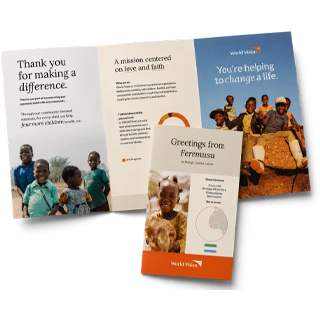
Welcome Kit
You’ll receive a personalized kit with your sponsored child’s photo, story, and details about their family and community.
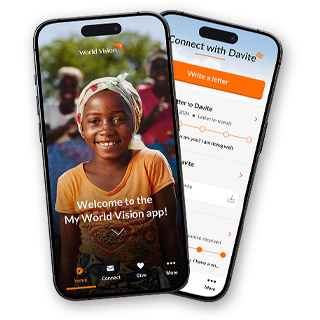
Regular updates
Stay informed about your sponsored child’s progress with letters, photos, and annual reports, plus on-demand access to their updates via a personalized web portal and app.
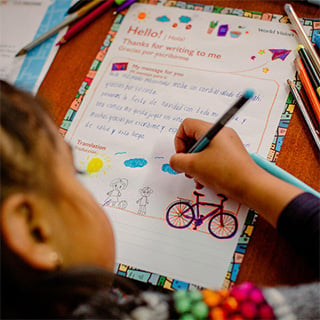
Opportunities to connect
Send gifts, write letters, or even visit your sponsored child in their home country.


surveyed sponsors say sponsoring a child is a rewarding experience.
Real impact of sponsorship
Meet people whose lives have been changed through sponsorship.
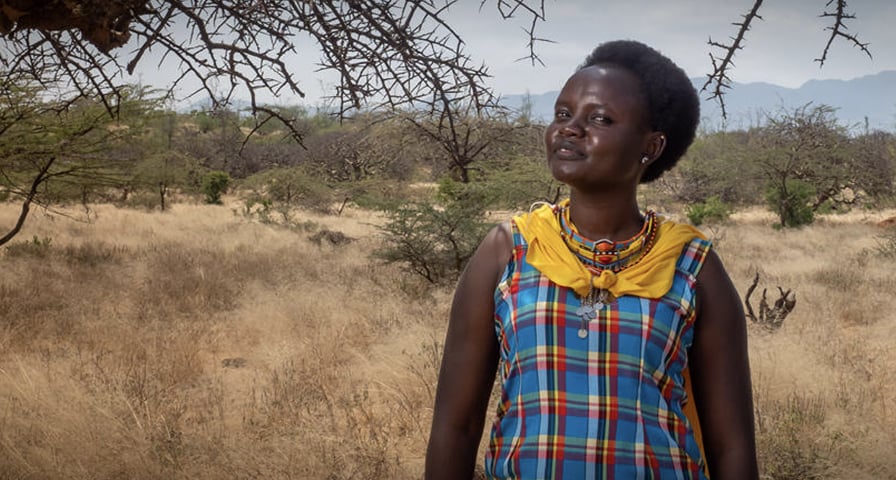
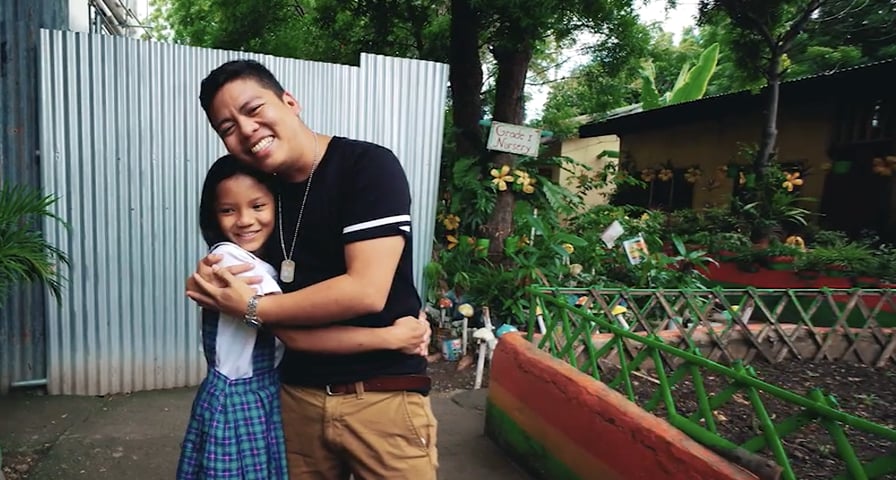
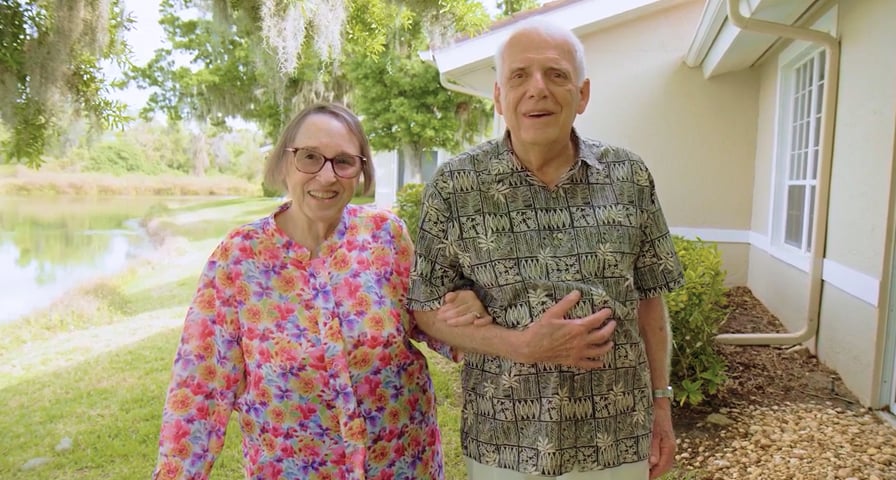
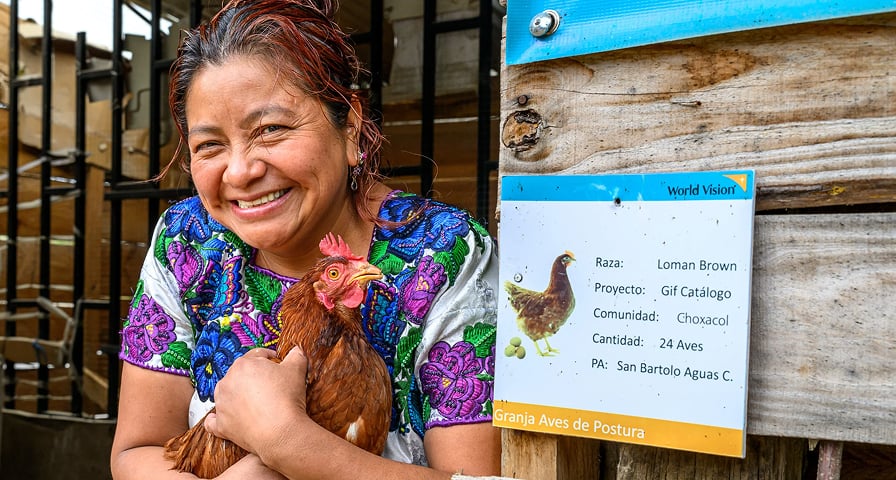
Be part of a success story
Explore more ways to make an impact
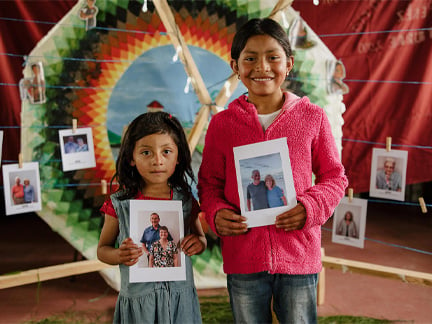
Chosen® sponsorship
Place the power to choose in a child’s hands. Submit your photo and have a child pick you as their sponsor.
World Vision Fund
Meet critical needs both today and tomorrow in the places where it’s hardest to be a child.