South Sudan: Children bear the brunt as rising tensions trigger widespread displacement
Media Contact :
March 11, 2026
Senior Public Relations Manager
[email protected]
m 404-735-0871

Media Contact :
March 11, 2026
Senior Public Relations Manager
[email protected]
m 404-735-0871
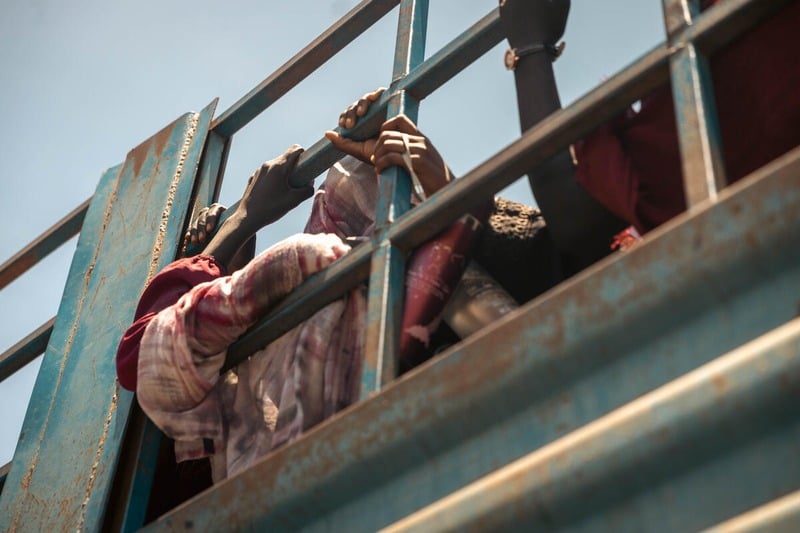
JUBA (March 11, 2026)— A recent escalation of violence in South Sudan threatens to deepen an already severe humanitarian crisis, particularly for children and displaced communities, global Christian organization World Vision warns.
Recent deadly clashes and rising tensions in several parts of the country—including Ruweng administrative area and Jonglei state—are heightening risks for civilians and disrupting humanitarian operations in areas already struggling with conflict, climate shocks, displacement, and widespread poverty.
On March 6, a South Sudanese military group asked United Nations’ agencies and non-governmental organizations to vacate Akobo County in Jonglei state ahead of planned military operations.
This development follows another deadly incident earlier in the month when on March 1, at least 139 people—most of them women and children—were reportedly killed in a violent clash between armed groups in South Sudan’s Ruweng administrative area.
“Every escalation of violence deepens the suffering of children and families who are already living on the edge,” said Dr. Mesfin Loha, World Vision’s country director in South Sudan. “Humanitarian access must be protected so that life-saving assistance can reach those who need it most. Children must never be caught in the crossfire of conflict.”
The recent violence comes as humanitarian needs in the country are rising while funding is decreasing. The South Sudan Humanitarian Needs and Response Plan 2026 estimates that more than 10 million people—nearly two-thirds of the population—will require humanitarian assistance this year. Meanwhile, humanitarian funding cuts are forcing some organizations to scale back life-saving programs leaving vulnerable communities, especially children—without access to essential assistance such as food, healthcare, and protection.
While World Vision does not operate in Akobo and Ruweng, humanitarian assistance in many areas across South Sudan has already been disrupted, affecting tens of thousands of people.
World Vision operates emergency programming in Upper Nile State, supporting displaced populations with food, healthcare and clean water and those fleeing the conflict in Sudan. The recent escalation of tensions in Jonglei is already contributing to increased displacement into Upper Nile, placing additional strain on already overstretched services.
World Vision is closely monitoring the evolving situation, particularly movements of displaced populations into areas where it operates.
About World Vision:
World Vision is a Christian humanitarian organization dedicated to working with children, families and their communities worldwide to reach their full potential by tackling the causes of poverty and injustice. Motivated by our faith in Jesus Christ, we serve alongside the poor and oppressed as a demonstration of God’s unconditional love for all people. World Vision serves all people, regardless of religion, race, ethnicity or gender. For more information, visit worldvision.org or follow on X @WorldVisionUSA.