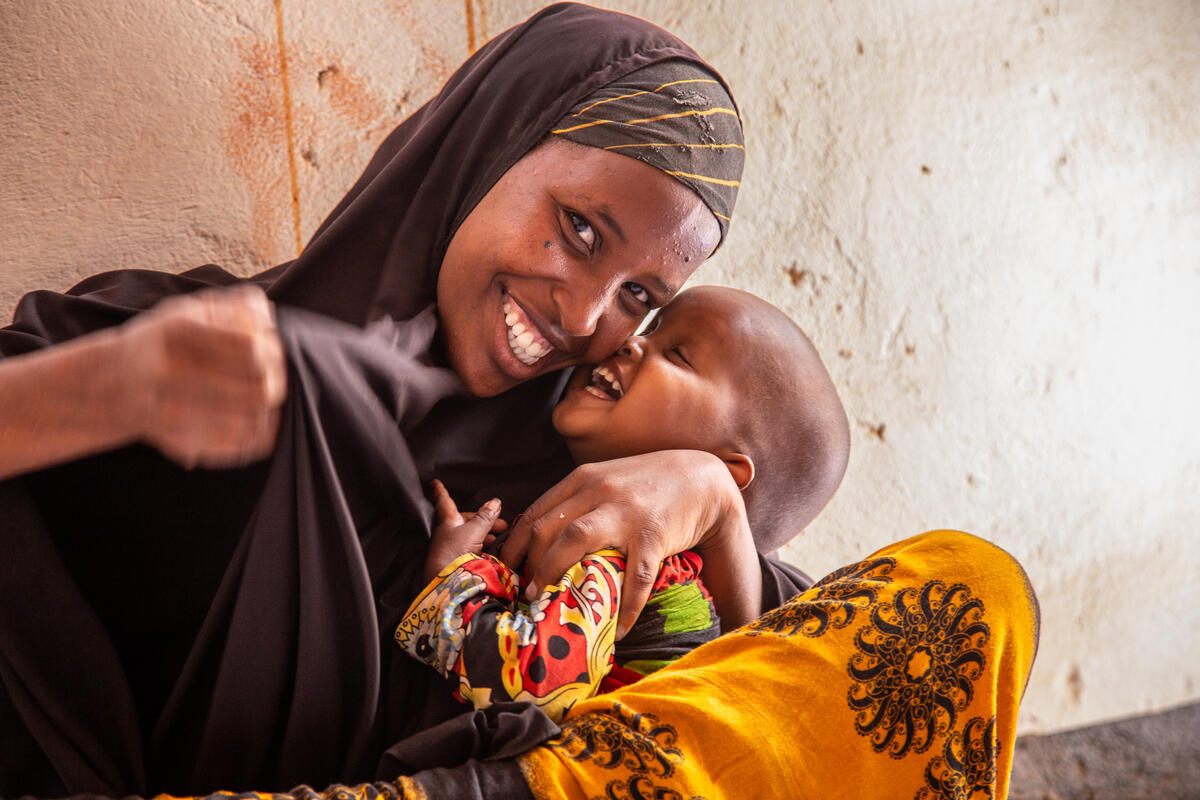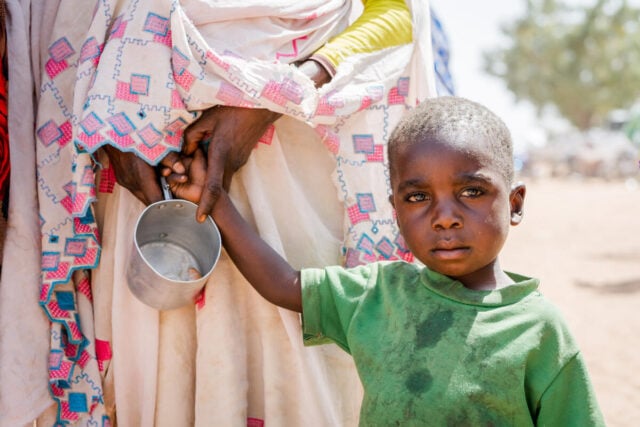
While global food security has improved in some parts of the world, the hunger crisis in Africa is deepening. Conflict, extreme weather, economic instability, and displacement are driving a rise in food insecurity, with women and children being disproportionately affected.
Africa’s hunger crisis: Facts, FAQs, and how to help
- Fast facts: Africa hunger crisis
- What are the main causes of hunger in Africa?
- What is famine, and how is it defined and declared?
- How are women and children affected by hunger?
- World Vision’s response to hunger and food insecurity in Africa
- How does World Vision support resiliency and self-sufficiency in communities?
- How can I help children and families impacted by the hunger crisis?
Fast facts: Africa hunger crisis
- 1 in 5 people in Africa were chronically undernourished in 2024. This means they lacked access to sufficient and nutritious food, a rate above the global average.
- Conflict, displacement, climate shocks, and rising food prices are key drivers of crisis-level hunger across the continent.
- Hunger continues to rise in most subregions of Africa, even as global hunger rates inch down.
- Famine conditions have been officially confirmed in northern Sudan’s Zamzam camp — home to more than 400,000 displaced people.
- Across West and Central Africa, more than 36 million people struggled to meet basic food and nutrition needs as of early 2025, with projections of over 52 million having faced hunger during the 2025 lean season.
What are the main causes of hunger in Africa?
Regional and global conflicts, extreme weather events, and poverty have collectively driven instability and hunger in Africa.
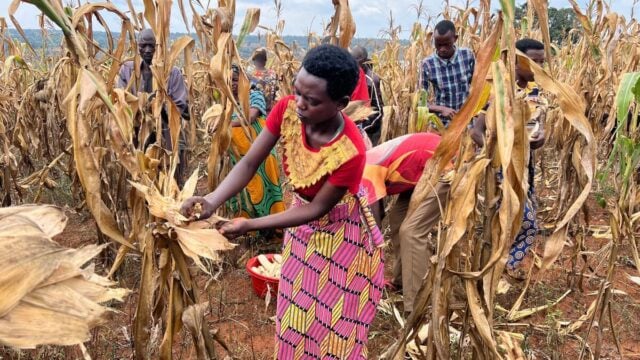
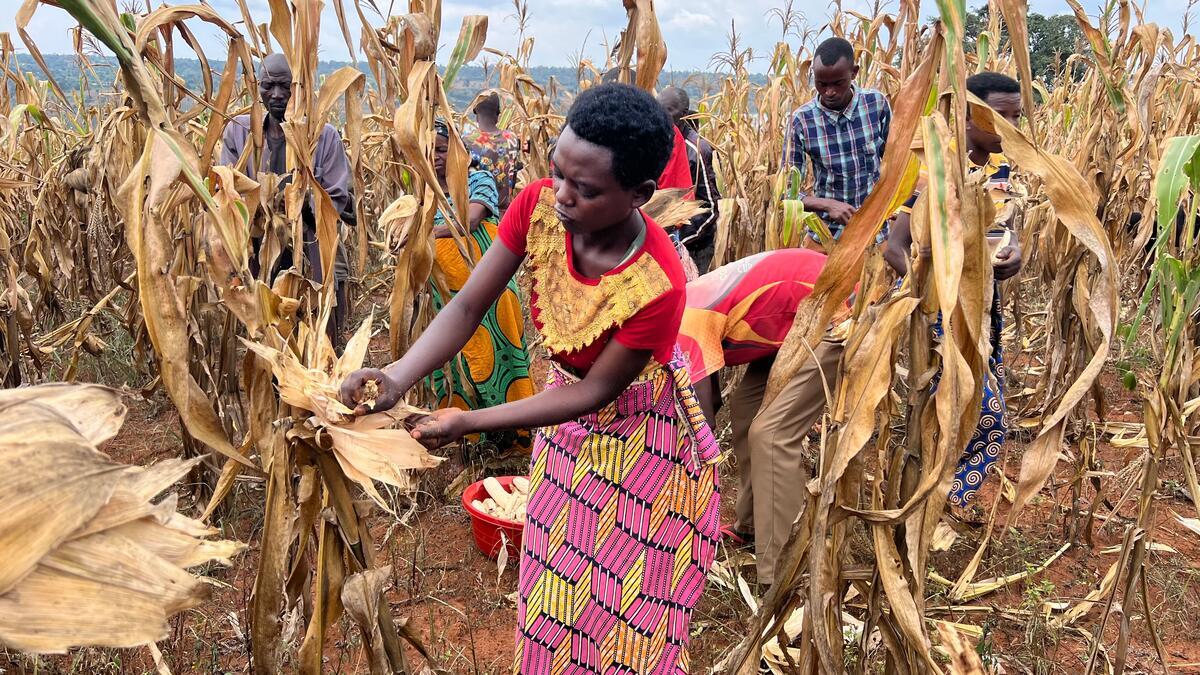
Even when families have the means to buy food, extreme weather, such as droughts and floods, can wipe out crops and limit farmers’ ability to raise livestock, which leads to food shortages.
Conflict can make it too dangerous for people to leave their homes to access markets for food or earn an income, while also disrupting the flow of food and humanitarian aid.
While poverty limits families’ abilities to afford food, it is also these broader disruptions in food production and distribution that can drive acute hunger.
The lingering effects of the COVID-19 pandemic, on supply chains and livelihoods, have further exacerbated existing vulnerabilities.
What is famine, and how is it defined and declared?
Famine is the most severe classification of a food crisis. It is only declared when a specific technical criteria are met, typically by the Integrated Food Security Phase Classification (IPC).
Criteria for declaring a famine
A food crisis transitions into a famine when specific conditions are met:
- Household food shortages: At least 20% of households in a given area face extreme food shortages and struggle to cope.
- Child malnutrition: More than 30% of children suffer from acute malnutrition.
- Mortality rate: Hunger leads to more than two deaths each day for every 10,000 people.
When a food crisis no longer meets these technical criteria, a famine is over, at least temporarily.
How are women and children affected by hunger?
Hunger can have devastating consequences for women and children, going beyond health and nutrition to include the risk of violence and sexual exploitation and abuse. The lingering impacts of the COVID-19 pandemic have exacerbated these concerns for children and communities who lack safety nets. Additionally, women and children are often disproportionately displaced by conflict, which in turn puts them at greater risk of malnutrition.
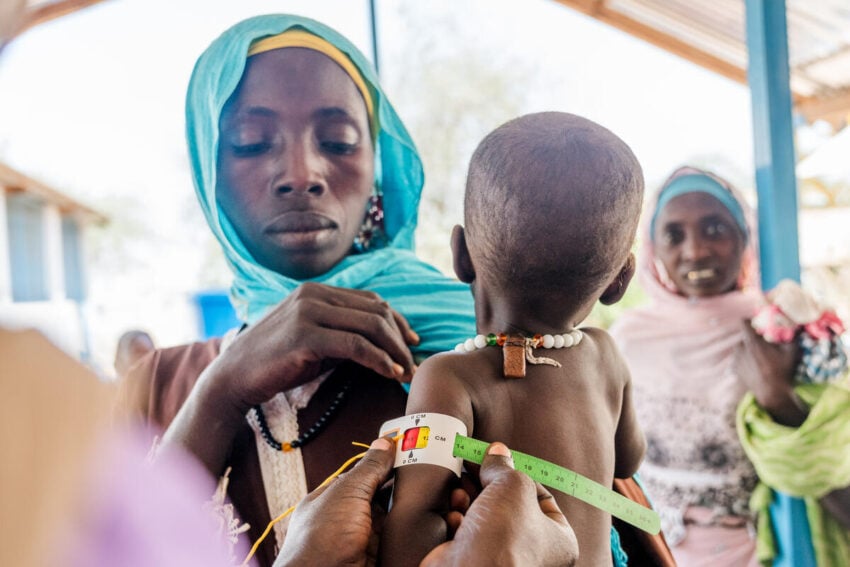
For 20-year-old Tahani, these risks became reality. Fleeing conflict in Sudan in June 2023, the mother and a relative carried her twins, Adam and Adeeb (pictured below), across the border to Chad. “I faced shooting and people killing people on the road when I started coming,” she says. “Houses and villages were on fire.” Eventually Tahani and her boys settled in a refugee camp in Chad, but within less than a year, the 21-month-old boys were severely malnourished. Adam weighed only 13 pounds.
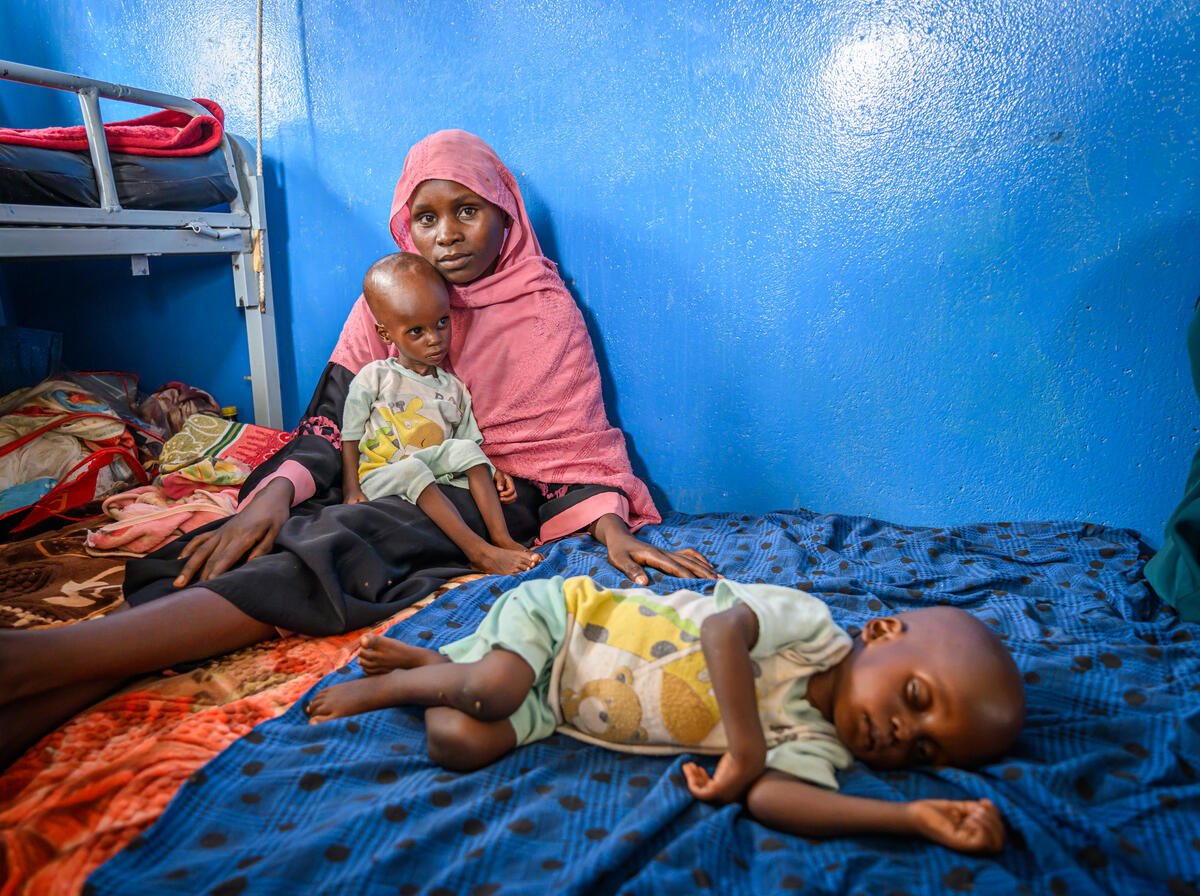
Thankfully, the twins were able to receive treatment at a nutrition and rehabilitation center run by the International Rescue Committee. Within a few months, the boys’ condition had improved — and they were smiling in their mother’s arms.
After we first shared the twins’ story, many World Vision donors generously gave to support the clinic and help expand its capacity with a water system and electricity.
World Vision’s response to hunger and food insecurity in Africa
World Vision is actively addressing the hunger crisis through:
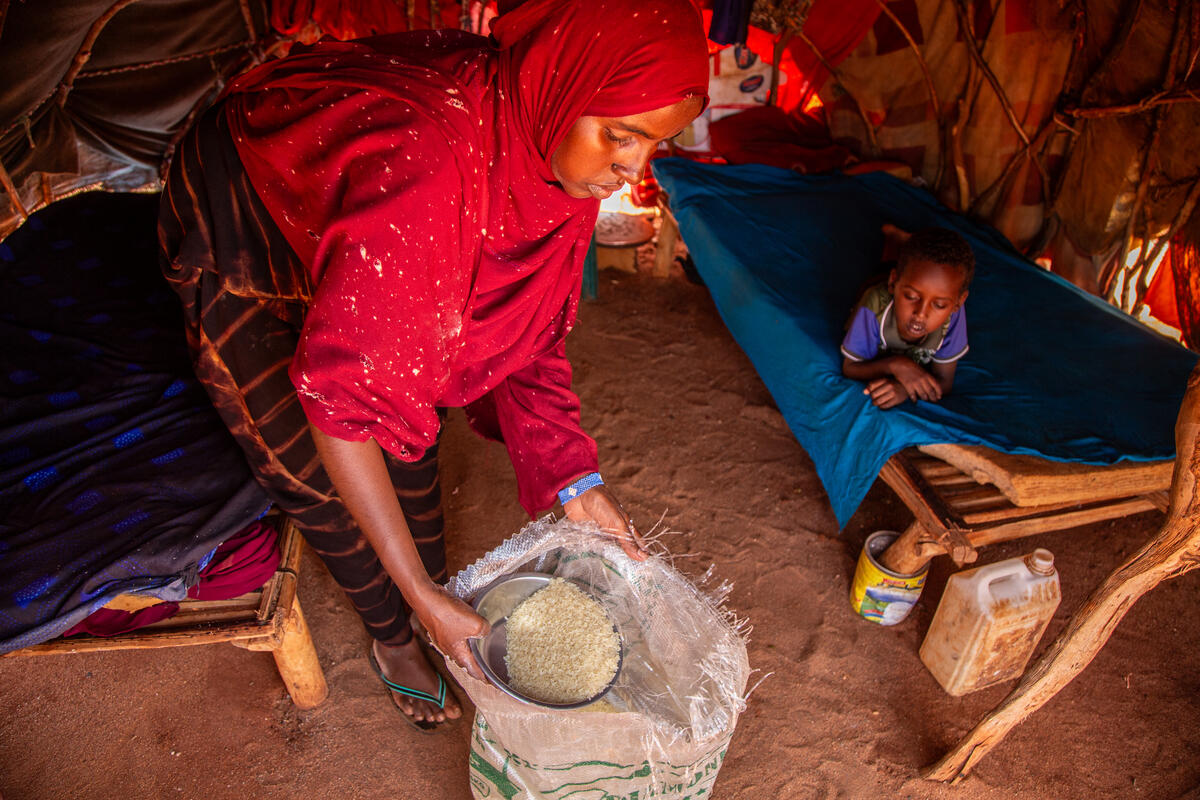
- Food assistance: Delivering emergency food supplies and cash vouchers to affected families
- Nutrition programs: Diagnosing and treating malnutrition, especially among mothers and children
- Water and sanitation: Helping ensure lasting access to clean water, improving sanitation to prevent water-related diseases, and supporting crop irrigation
- Agricultural support: Offering training in improved agricultural techniques to support farmers in diversifying livelihoods, and rehabilitating land to improve harvests
We thank God for the progress made as we’ve responded to the hunger crisis in Africa and around the world. From March 2021 to August 2024, we reached 38.4 million people in 31 of the most affected countries with critical food and aid in response to the global hunger crisis. This effort was made possible by the support of our donors worldwide.
How does World Vision support resiliency and self-sufficiency in communities?
While lifesaving aid is crucial in an emergency, World Vision also prioritizes long-term solutions that build resilience and empower communities to recover from crises independently.
One key aspect of World Vision’s work is livelihood skills training, which equips families with tools they need to navigate a food crisis on their own. Here’s how World Vision is working today to prevent future food and hunger crises:
- Supporting farmers and pastoralists through market development initiatives, livestock immunizations, and training in drought-resistant crop cultivation
- Providing cash aid to help families rebuild and stimulate local economies
- Establishing saving groups and community banks, and offering financial literacy training to assist members in recovering from emergencies and preparing for future shocks
- Installing and repairing water and sanitation facilities to promote health and crop growth
- Offering business training, equipment, and materials to help families diversify their incomes and safeguard their assets from adverse weather conditions
- Providing educational support for children, enabling them to stay in school and acquire skills for a resilient future.
How can I help children and families impacted by the hunger crisis?
- Pray: Join us in praying for children and families facing hunger. Pray that they gain access to food and care and the support they need to be equipped for long-term resilience.
- Give: Your gift will help provide support such as emergency food aid, agricultural training, access to clean water, healthcare, and more to vulnerable children and families.
- Sponsor a child: Sponsorship makes a lasting impact as you help equip children, families, and communities with access to lifesaving essentials like nutritious food, healthcare, clean water, quality education, and spiritual nurture.