
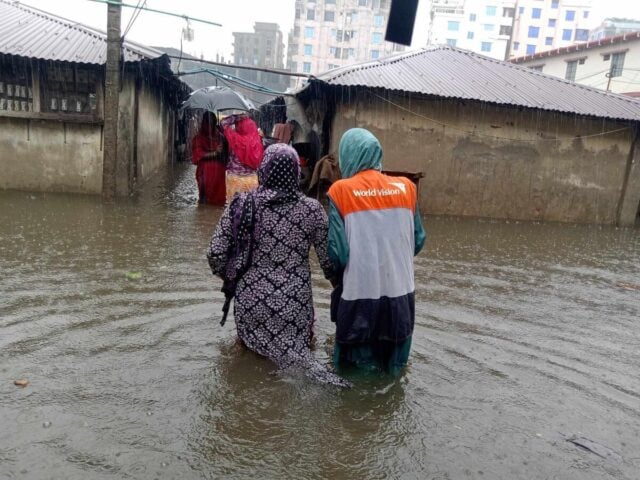
A strengthening 2026-2027 El Niño could worsen food insecurity and extreme weather in vulnerable communities worldwide. Learn the facts, which children are most at risk, and how World Vision is preparing and responding.
News & Stories
From the Field
From the Field
Afghanistan humanitarian crisis: Facts, FAQs, and how to help
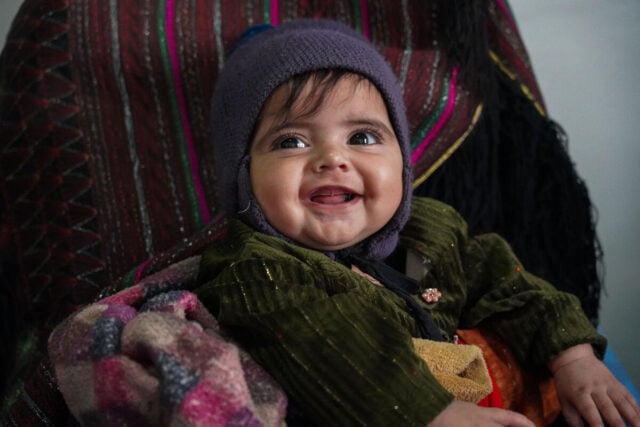
Children and families in Afghanistan are facing an ongoing humanitarian crisis, the result of decades of chronic poverty, economic instability, and natural disasters. Learn how World Vision is responding — and how you can support families caught up in the crisis.
From the Field
2026 Ebola virus outbreak: Facts, FAQs, and how to help
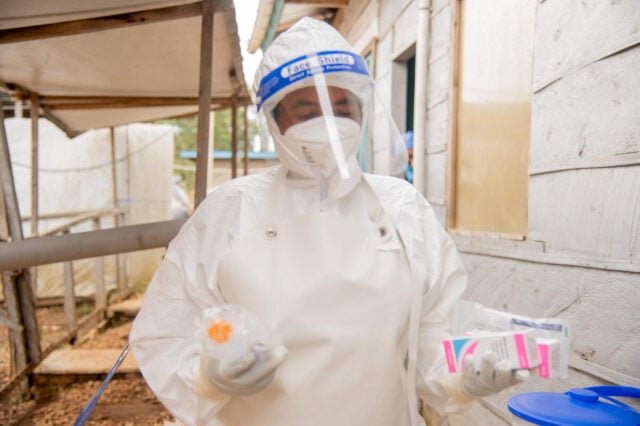
Explore frequently asked questions about the Ebola virus and World Vision’s response to the 2026 Ebola outbreak. Learn how we educate communities, support healthcare workers, provide child protection, and more in the fight against Ebola outbreaks.
From the Field
2026 Venezuela earthquakes: Fast facts, FAQs, and how to help
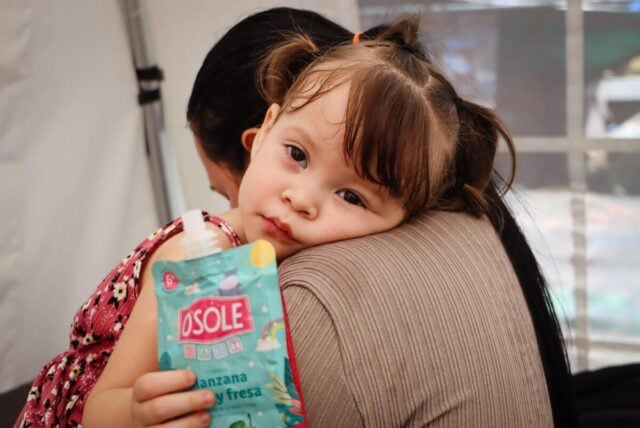
Learn more about the 2026 Venezuela earthquake, including fast facts, ongoing impacts, World Vision’s disaster response, and how to help impacted children, their families, and communities.
From the Field
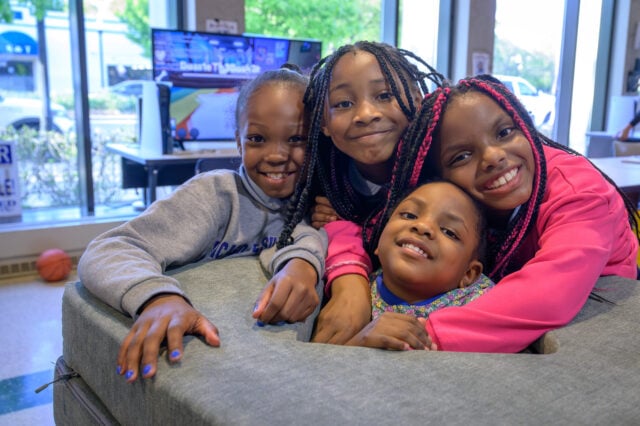
From disasters to healing: World Vision’s work in the U.S.
World Vision responds to disasters globally, including in the United States. Learn about World Vision’s history of U.S. disaster responses, as well our work in education and distributing essential supplies and building materials to communities affected by emergencies in the U.S.
From the Field
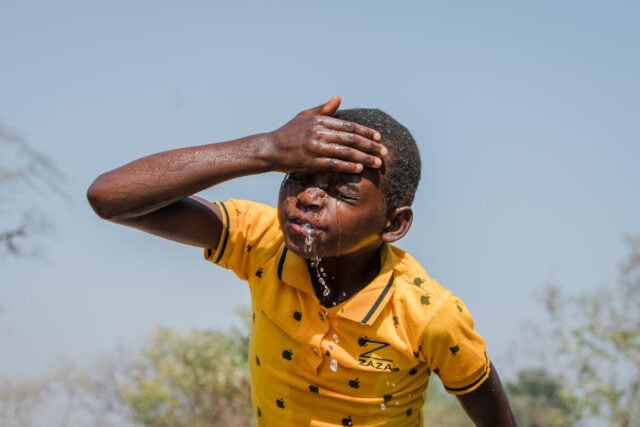
Extreme heat and heat waves: Facts, FAQs, and how to help
Extreme heat and heat waves are becoming more frequent and intense. Learn about the risks of extreme heat and heat waves and how World Vision is supporting children, families, and communities impacted by emergencies.
From the Field
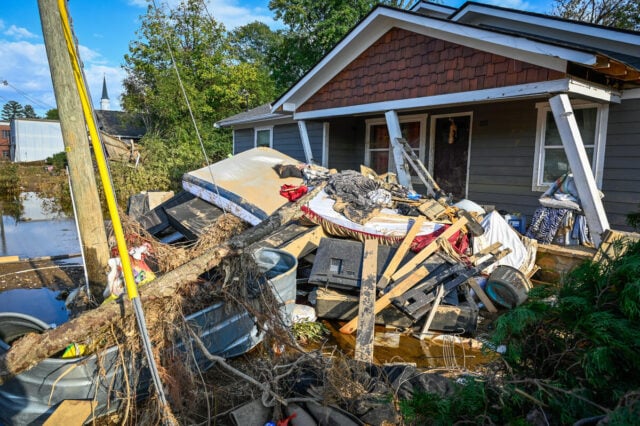
Extreme weather: Helping communities recover and rebuild
Extreme weather events threaten food security, lives, and livelihoods worldwide. Discover how World Vision helps communities recover, rebuild, and prepare for future disasters through emergency relief, resilience-building, and sustainable solutions.
From the Field
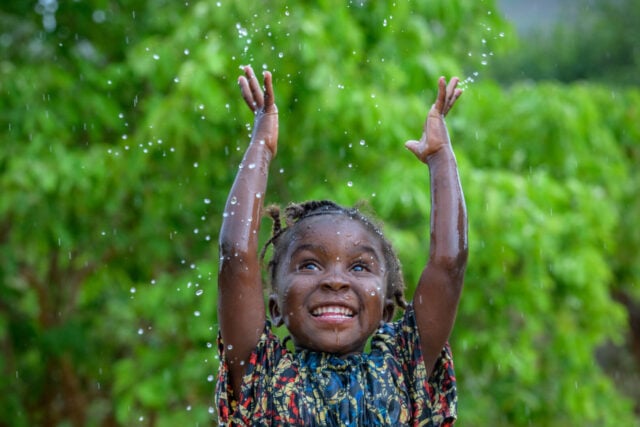
Clean water access assuages a mother’s fears
A past fearful of children drowning no longer exists in a Zambian community. That changed with the arrival of World Vision-drilled wells. Now a young mother and her community no longer fear water-borne illness or sending children to collect water.
From the Field
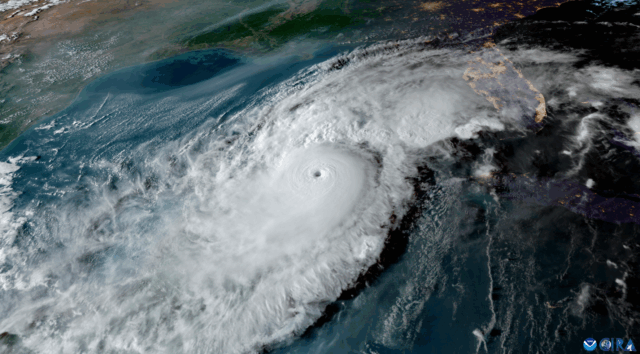
Hurricanes: Facts, FAQs, how to help
Discover key facts about hurricanes, gain a deeper understanding of one of nature’s most destructive forces, learn effective strategies for hurricane preparedness, and explore ways to support people affected by these devastating storms.
From the Field
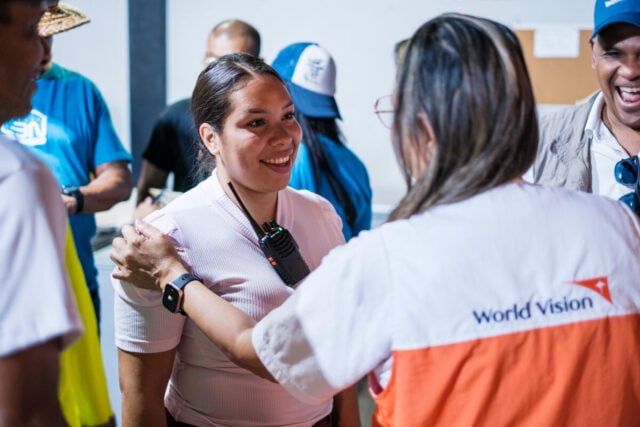
Venezuela earthquakes survivor finds purpose in serving her community
After the 2026 earthquakes in Venezuela, one survivor became a church volunteer and discovered a calling she never expected. “I feel like I was reborn, and I am a different person,” the 27-year-old says. Learn more about her story and the World Vision response to support impacted families in Venezuela.