
Niger

About four-fifths the size of Alaska, Niger sits in West Africa's Sahara region. Niger's climate is mostly hot, dry, and dusty, with sand dunes in the north and the desert plains in the south. The Niger River basin in the south has fertile grassland with a tropical climate.

  • Population
    15,512,000
  • Land mass
    489,191
  • Life Expectancy
    54 years
  • Literacy Rate
    29%
  • Access to Safe Water
    48%
  • Under Age 5 Mortality Rate
    143/1000
Niger Map

US Comparison to Niger

Niger United States
Population
15,512,000
307,000,000
Land Mass
489,191
3,794,083 sq miles
Life Expectancy
54 years
78 years
Infant Mortality
143/1000
7/1000
Literacy Rate
29%
97%
School Enrollment
54%
92%
Access to Safe Water
48%
100%
Average Annual Income
$360
$41,400

World Vision in Niger Today

World Vision is committed to partnering with the people of Niger to improve their lives today and to help enact sustainable solutions for the future of their children, families, and communities. World Vision's child sponsorship program plays a vital role in this partnership, with donors from the United States sponsoring more than 7,700 girls and boys. In addition to sponsorship, World Vision operates other programs that benefit communities in Niger. Highlights include:

  • Providing school children with much-needed school supplies and better classroom facilities.
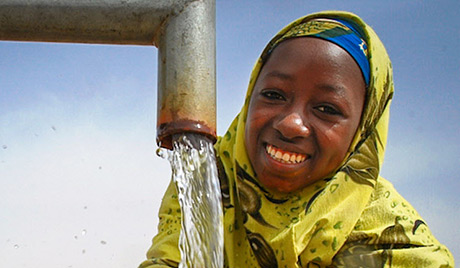
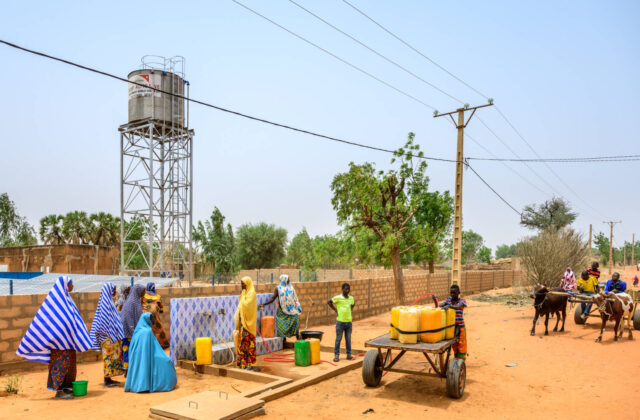
  • Improving access to clean, safe water that will help prevent the spread of waterborne diseases.
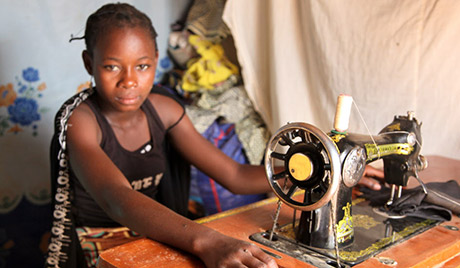
  • Improving the lives of women and their families through microloans and business coaching.
  • Distributing food and seeds to families suffering from hunger and malnutrition.

World Vision History in Niger

World Vision’s work in Niger began with drought relief efforts in August 1973. Since then, some of World Vision’s major accomplishments have included:

  • Providing sponsorship to thousands of children since the late 1990s.
  • Building a multi-functional health center for families in northern Niger in 2002.
  • Improving Nigeriens’ health by raising awareness about HIV and AIDS and providing many villages with access to clean water since 2004.
  • Distributing 350 tons of cereal and seed stock after the 2005 locust infestation.

Geography & People

Geography and people

About four-fifths the size of Alaska, Niger sits in West Africa’s Sahara region. Niger’s climate is mostly hot, dry, and dusty, with sand dunes in the north and the desert plains in the south. The Niger River basin in the south has fertile grassland with a tropical climate.

Natural resources include coal, iron ore, tin, phosphates, gold, gypsum, salt, and petroleum. Niger is the world’s sixth largest producer of uranium.

The two largest ethnic groups in Niger—the Hausa and the Djerma-Sonnghai—make up more than 75 percent of the population. While French is Niger’s official language, Nigeriens use several other native languages.

The majority of Niger’s labor force works in agriculture by growing peas, cotton, peanuts, rice, and other crops.

Families are important in the Nigerien culture. Children are expected to respect their parents as well as obey older people.

History

Niger fell under French influence in 1896 and was colonized in 1922. In 1960, Nigeriens proclaimed independence from France and established a republic.

During the 1970s, the country enjoyed rapid economic growth, mostly from its uranium production. Niger’s brief period of prosperity ended, however, when uranium prices fell a decade later. The drought of 1968-1975 devastated the country, leaving an estimated 2 million starving people.

Since then, Niger has experienced political and tribal unrest, a severe famine, and a locust infestation in 2005. The northern Tuareg rebels, feeling marginalized by the faraway southern government, formed the Niger Movement for Justice and attacked several government facilities in the Sahara region in 2007.

In September 2009, heavy rainfall in Niger flooded thousands of homes and hundreds of acres of cropland, affecting more than 79,000 people. Nigeriens faced one of the worst food shortages in years in 2010, with over 1.5 million children suffering from malnutrition.

Prayer Requests for Niger

Please pray for:

Food shortages to end so families can feed their children.

Economic growth and political stability within the country.

Niger Facts

  • Niger is one of the most impoverished countries in the world. In 2009, it ranked last of 182 countries on the United Nations Human Development Index, which measures the general well-being of a population.
  • Although less than 12 percent of the land is arable, 90 percent of the workforce works in agriculture. The country's economy largely depends on agriculture and uranium exports, but frequent droughts and the declining uranium demand have severely hurt the economy.
  • Nigeriens, particularly children, struggle with health concerns, with child mortality rates the fourth worst in the world.
  • Only an extremely limited percent of the population has access to proper sanitation, leaving them with a high risk for disease.
  • Only 30 percent of the population can read and write, the majority of them males. School attendance among children is low, and few of those who do attend actually finish. Many children, especially girls, stay home to take care of ailing family members or to work in the fields.
  • Over 600,000 people are living with HIV and AIDS, and there are over 25,000 children who have lost one or both parents to AIDS.

Child Sponsorship

Through sponsorship, World Vision is partnering with families and communities to help meet immediate needs and promote lasting changes that will strengthen communities and move families toward self-reliance.

Each year sponsors receive updates about their sponsored child and their community. Sponsors also learn about the child's continuing activities and new accomplishments so when they correspond with their child, they can encourage them in their education, hobbies and endeavors.

The commitment of World Vision sponsors helps provide children with love, hope, and opportunities for a healthy, productive future. May God bless sponsors as they make a lasting difference in the life of a special child.

Sponsor a child in Niger

Progress in Niger

Thanks to the generous support of our sponsors, World Vision was able to work alongside communities to accomplish the
following in 2012.

Food and Agriculture

  • Helped families establish vegetable gardens and provided them with livestock, increasing access to nutritious food.

Water and Sanitation

  • Drilled borehole wells, improving access to water and freeing children to pursue their studies instead of fetching water.

Education

  • Constructed and furnished classrooms, increasing school capacity.
  • Strengthened the quality of education by providing development courses for teachers.
 

Emergency Response

  • Mitigated the effects of severe flooding by distributing food, soap, mosquito nets, and medical kits.
  • Helped families struggling during a food shortage by distributing grain to cereal banks.

Child Rights

  • Established children’s clubs, giving children opportunities to exchange ideas and discuss issues that affect their lives.

Healthcare

  • Distributed food to clinics that treat malnutrition, helping children regain their health.
  • Trained teachers and community volunteers in age-appropriate HIV and AIDS education for children.
  • Worked with local health agencies to immunize children against deadly diseases.
  • Distributed treated bed nets to help control the spread of malaria.