
Ethiopia

Ethiopia is home to more than 80 million people speaking more than 80 languages. Sitting in East Africa, Ethiopia borders Eritrea to the north, Djibouti and Somalia to the east, Kenya to the south, and Sudan to the west.

  • Population
    82,950,000
  • Land mass
    426,372
  • Life Expectancy
    59 years
  • Literacy Rate
    30%
  • Access to Safe Water
    26%
  • Under Age 5 Mortality Rate
    106/1000
Ethiopia Map

US Comparison to Ethiopia

Ethiopia United States
Population
82,950,000
307,000,000
Land Mass
426,372
3,794,083 sq miles
Life Expectancy
59 years
78 years
Infant Mortality
106/1000
7/1000
Literacy Rate
30%
97%
School Enrollment
84%
92%
Access to Safe Water
26%
100%
Average Annual Income
$380
$41,400

World Vision in Ethiopia Today

World Vision is committed to partnering with the people of Ethiopia to transform their lives today and to help enact sustainable solutions for the future of their children, families, and communities. World Vision’s child sponsorship program plays a vital role in this partnership, with donors from the United States sponsoring more than 66,700 girls and boys. In addition to sponsorship, World Vision operates other programs that benefit communities in Ethiopia. Highlights include:

  • Increasing food security, access to health facilities, education and clean drinking water, and improved child well-being
  • Improving access to healthcare by strengthening health services.
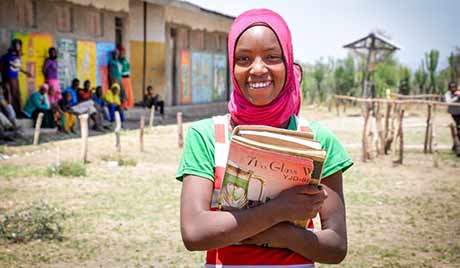
  • Providing support for children to enroll and stay in school.
  • Combating the spread of HIV and AIDS by partnering with the church, the government, and other organizations.

World Vision History in Ethiopia

In 1971, World Vision began its first relief project in Ethiopia to help refugees from the civil war in Sudan. Since then, some of World Vision’s major accomplishments have included:

  • Drilling wells for villagers and their livestock and providing food aid for those affected by a severe drought during the 1970s.
  • Implementing famine relief operations during the 1980s, saving thousands of lives, and starting recovery programs in the 1980s and 1990s.
  • Introducing a program to reduce trachoma, a serious disease that causes blindness, for villagers in the Borkena Valley and raising HIV and AIDS awareness in the 21st century.

Geography & People

Geography and people

Ethiopia is home to more than 80 million people speaking more than 80 languages. Sitting in East Africa, Ethiopia borders Eritrea to the north, Djibouti and Somalia to the east, Kenya to the south, and Sudan to the west.

Varied landscapes fill the land, ranging from rugged highlands to dense forests to hot lowland plains. The slow drying of Africa’s Sahel region has increased droughts in eastern and northeastern Ethiopia.

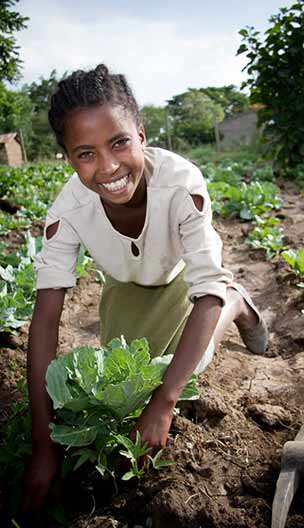
Although deforestation has hurt crop production, over 80 percent of Ethiopians work in agriculture. Major crops include coffee, potatoes, grain, sorghum, and castor beans. Natural resources consist of small reserves of gold, platinum, copper, natural gas, and hydropower.

The second most populous country in Africa, Ethiopia has over 70 different people groups. In many areas, local dialects have replaced the official language of Amharic in primary school instruction. Guaragigna, Somali, Arabic, and English also are spoken. The capital of Addis Ababa is home to the African Union headquarters.

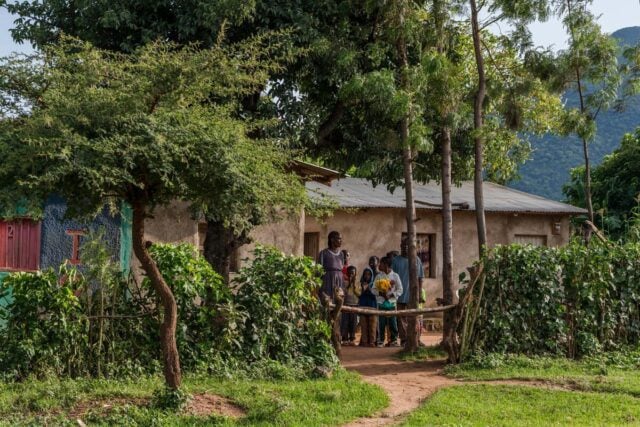
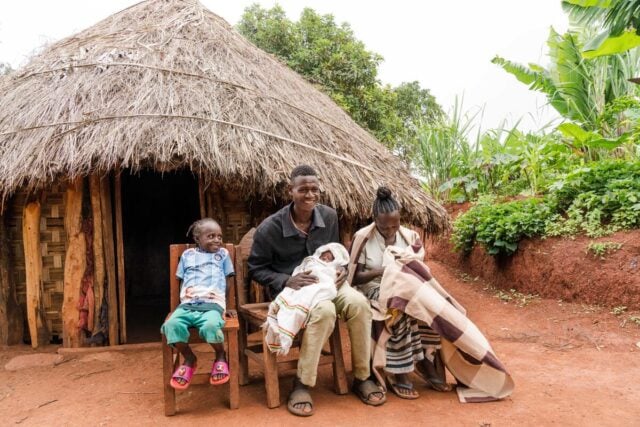
Most Ethiopians live in rural areas, many with their extended families in a clustered group of thatched huts. They sometimes refer to their cousins as “brother” or “sister” and to their aunts and uncles as “mother” and “father.”

History

Unlike most African nations, Ethiopia was never a European colony. Ethiopia became a socialist state in 1974; in 1994, Ethiopians adopted a constitution and held the first multi-party elections a year later.

Ethiopia suffered from the effects of severe economic troubles, civil war, and millions of displaced persons in the early 1980s. A succession of four devastating famines in that decade killed approximately 2 million people.

A 2.5-year border war with Eritrea ended with a peace treaty in December 2000. Voting irregularities in the 2005 parliamentary elections led to mass protests and more than 100 deaths.

In 2006, Ethiopia sent troops into the neighboring country of Somalia to help restore order after Islamist conflicts. However, tensions between Ethiopia and Somalia continue.

Ethiopians still experience a high level of food insecurity today after droughts in 2008 and 2009 and ongoing flooding.

Prayer Requests for Ethiopia

Please pray for:

The countless Ethiopians and Somali refugees still in need of food assistance.

Rain to water crops and livestock so families can recover from the drought.

Ethiopia Facts

  • Recent droughts and declining natural resources have made poverty a common problem, with more than 35 percent of Ethiopians living below the poverty line. In 2009, Ethiopia ranked 171 out of 182 countries on the Human Development Index.
  • Ethiopia also has the 12th largest number of people (almost 1 million) of any country in the world living with HIV and AIDS. There are 600,000 children who have been orphaned due to AIDS-related deaths of one or both parents.

Child Sponsorship

Through sponsorship, World Vision is partnering with families and communities to help meet immediate needs and promote lasting changes that will strengthen communities and move families toward self-reliance.

Each year sponsors receive updates about their sponsored child and their community. Sponsors also learn about the child's continuing activities and new accomplishments so when they correspond with their child, they can encourage them in their education, hobbies and endeavors.

The commitment of World Vision sponsors helps provide children with love, hope, and opportunities for a healthy, productive future. May God bless sponsors as they make a lasting difference in the life of a special child.

Sponsor a child in Ethiopia

Progress in

Thanks to the generous support of our sponsors, World Vision was able to work alongside communities to accomplish the
following in 2012.

Food and Agriculture

  • Upgraded irrigation canals, reducing farmers' reliance on erratic rainfall and enabling them to cultivate more land.
  • Taught farming families how to grow fruit and supplied them with seeds and livestock to improve food security and generate income.

HIV and AIDS

  • Partnered with community care coalitions to care for orphans and vulnerable children, and people living with HIV and AIDS.
  • Organized HIV-prevention workshops and awareness-raising campaigns.

Water and Sanitation

  • Partnered with communities to drill wells, lay pipes, and build reservoirs, increasing access to clean water.
 

Education

  • Built new schools and classrooms to increase enrollment and expand access to education.
  • 48,738 small-business owners (64 percent of whom are women) have received microloans totaling $6,622,401 to create 48,882 local jobs.

Healthcare

  • Worked to improve children's health by teaching caregivers about nutrition, childhood illness, and the importance of immunization.
  • Monitored children's health and helped sick children access medical treatment.
  • Distributed treated bed nets to help control the spread of malaria.
  • Trained health workers on nutrition for nursing mothers and children under age 5.

Child Rights

  • Organized campaigns to advocate for child rights and discourage harmful traditional practices such as early marriage.
 

Economic Opportunities

  • Provided training and supplies to entrepreneurs, equipping them to start small businesses in tailoring, woodworking, and other trades.