
Lesotho
Lesotho is a small, mountainous, independent nation completely surrounded by the Republic of South Africa. It is the only independent state in the world that lies entirely above 4,500 feet in elevation-in fact, 80 percent of the country lies above 5,900 feet.
Population
2,171,000
Land mass
11,720
Life Expectancy
48 years
Literacy Rate
90%
Access to Safe Water
85%
Under Age 5 Mortality Rate
85/1000
School Enrollment
73%
Average Annual Income
(GNI)
1,080
View US
comparison chart >

US Comparison to Lesotho
Lesotho United States |
|---|
Population 2,171,000 307,000,000 |
Land Mass 11,720 3,794,083 sq miles |
Life Expectancy 48 years 78 years |
Infant Mortality 85/1000 7/1000 |
Literacy Rate 90% 97% |
School Enrollment 73% 92% |
Access to Safe Water 85% 100% |
Average Annual Income $1,080 $41,400 |
World Vision in Lesotho Today
World Vision is committed to partnering with the people of Lesotho to improve their lives today and to help enact sustainable solutions for the future of their children, families, and communities. World Vision's child sponsorship program plays a vital role in this partnership, with donors from the United States sponsoring more than 21,200 girls and boys. In addition to sponsorship, World Vision operates other programs that benefit communities in Lesotho. Highlights include:
- Ensuring children have access to quality education in improved facilities.
- Increasing economic development by helping hardworking self-employed parents to increase their incomes in order to feed, educate, and provide healthcare for their children.
World Vision History in Lesotho
World Vision child sponsorship in Lesotho dates back to 1976, with child sponsorship programs in two schools; an office was opened in 1987. Since then, some of World Vision’s major accomplishments have included:
- Providing nutritional programs, clean drinking water, and sanitation facilities, as well as meeting farming needs during the 1980s.
- Supplying meals for malnourished children and offering women vocational training to help them generate income in the late 1980s through the 1990s.
- Distributing food, toiletries, and fuel and offering recovery assistance programs to families affected by the Southern Africa food crisis in the 21st century.
Geography & People
Geography and people
Lesotho is a small, mountainous, independent nation completely surrounded by the Republic of South Africa. It is the only independent state in the world that lies entirely above 4,500 feet in elevation—in fact, 80 percent of the country lies above 5,900 feet.
Due to its altitude, Lesotho remains cool throughout most of the year. The nation’s most important, yet scarce, resource is water for hydroelectricity. Other natural resources include farming and grazing land, sand, clay, building stone, and diamonds.
The Basotho make up over 99 percent of Lesotho’s population and have lived in Southern Africa for nearly 600 years. Sesotho and English are both official languages, while Zulu, Xhosa, and French also are spoken.
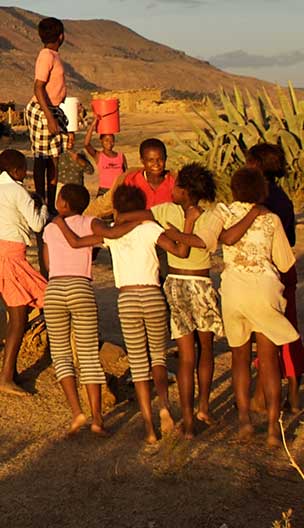
In rural areas, many extended families live together in a compound. The compound includes several buildings, a garden, and living space for animals. Everyone contributes to the upkeep and maintenance by doing chores, cooking, caring for the animals, and other tasks.
History
After 100 years under British protection, Lesotho became an independent nation in October 1966 with King Moshoeshoe II as sovereign. Political unrest after the 1970 elections led to a revision of the constitution and a lessening of the king’s power in politics.
In February 1990, the chairman of the military council stripped the king of his executive power, paving the way for Moshoeshoe’s son to be sworn in as King Letsie III.
Hundreds of demonstrators demanded new parliamentary elections in 1998. Riots destroyed nearly 80 percent of commercial infrastructure in major towns and stalled what had been a steadily growing economy. Troops from South Africa and Botswana entered the country to suppress a mutiny.
Lesotho held peaceful elections in 2002, but disputes continue over recent elections.
Prayer Requests for Lesotho
Please pray for:
Political peace and stability in the coming years.
Families struggling with poverty and hunger.
Lesotho Facts
- Severe droughts in recent years and erratic weather patterns have hurt the economy, which mainly relies on agricultural production.
- The cereal harvest has continually decreased since 2006, and Lesotho was the only country in Southern Africa to harvest less in 2009 than 2008.
- Over 40 percent of the Basotho are unemployed, and almost half live below the poverty line.
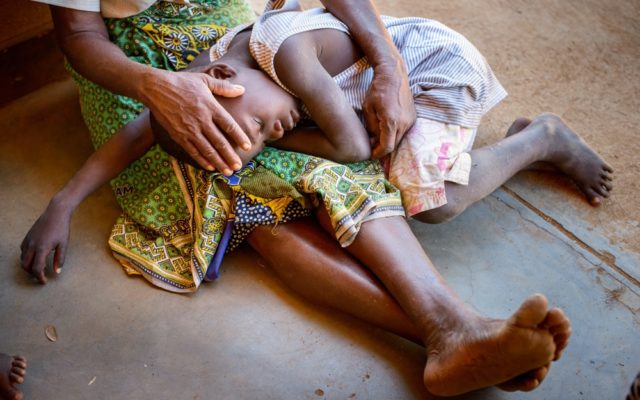
- Lesotho has the world's third highest HIV prevalence rate at 23 percent. More than 270,000 people are living with HIV and AIDS, and over 100,000 children have lost one or both parents to the disease. The consistently high HIV and AIDS rates have also hurt the economy by making many farmers too weak to work.
Child Sponsorship
Through sponsorship, World Vision is partnering with families and communities to help meet immediate needs and promote lasting changes that will strengthen communities and move families toward self-reliance.
Each year sponsors receive updates about their sponsored child and their community. Sponsors also learn about the child's continuing activities and new accomplishments so when they correspond with their child, they can encourage them in their education, hobbies and endeavors.
The commitment of World Vision sponsors helps provide children with love, hope, and opportunities for a healthy, productive future. May God bless sponsors as they make a lasting difference in the life of a special child.
Progress in Lesotho
Thanks to the generous support of our sponsors, World Vision was able
to work alongside communities to accomplish the
following in 2012.

Food and Agriculture
- Distributed vegetable and maize seeds to farming families and schools, improving the supply of nutritious food for children.
- Provided orphans and vulnerable children with seeds and tools to start household vegetable gardens.
- Built storehouses, enabling farmers to set aside food for the lean season and store crops until the market is favorable.
- Provided families with fruit trees, which yield nutritious fruit and help protect the land from soil erosion.

HIV and AIDS
- Involved church leaders in Channels of Hope, a program that equips community groups to respond to the AIDS crisis.
- Provided age-appropriate HIV education for young people to continue raising their awareness of prevention and reduce stigma.
- Organized community care coalitions to provide care and emotional support for orphans and vulnerable children, and people living with HIV and AIDS.

Water and Sanitation
- Built water systems to decrease waterborne illness, reduce the time children spend collecting water, and provide water for crops.
- Constructed household latrines to improve environmental sanitation.

Education
- Organized educational activities such as debates and writing competitions, motivating students to participate in school.
- Helped orphans and vulnerable children stay in school by providing scholarships.
- Strengthened the quality of education by offering professional development courses for teachers.

Economic Opportunities
- Provided vocational training for young people to increase their job opportunities.

Child Rights
- Held workshops and campaigns to raise community members' awareness of child rights and protection.

Birthday Celebration
- Children participated in a birthday party and received gifts such as blankets, school supplies, and soap.

Christian Commitment
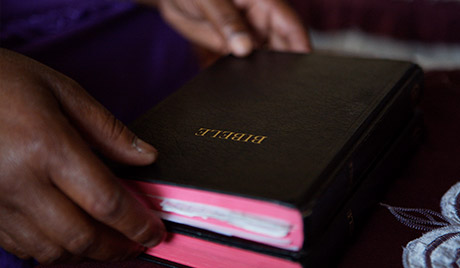
- Partnered with local churches to hold prayer services and children's Bible studies.

Healthcare
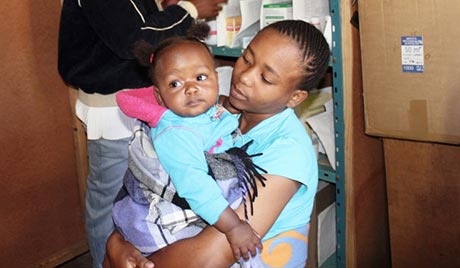
- Monitored children's health and helped sick children access medical treatment.
- Held nutrition workshops for caregivers, demonstrating how to prepare nutritious meals using locally available ingredients.
- Collaborated with local health clinics to deworm children.
- Organized health campaigns to teach caregivers about the importance of immunization and regular medical checkups.
Lesotho
United States