
Mozambique
Located on the southeastern coast of Africa, Mozambique has over 1,400 miles of coastline. Lagoons, coral reefs, and islands run along the coast while a large, dry plateau dominates the rest of the landscape.
Population
23,391,000
Land mass
308,642
Life Expectancy
50 years
Literacy Rate
55%
Access to Safe Water
47%
Under Age 5 Mortality Rate
135/1000
School Enrollment
91%
Average Annual Income
(GNI)
440
View US
comparison chart >

US Comparison to Mozambique
Mozambique United States |
|---|
Population 23,391,000 307,000,000 |
Land Mass 308,642 3,794,083 sq miles |
Life Expectancy 50 years 78 years |
Infant Mortality 135/1000 7/1000 |
Literacy Rate 55% 97% |
School Enrollment 91% 92% |
Access to Safe Water 47% 100% |
Average Annual Income $440 $41,400 |
World Vision in Mozambique Today
World Vision is committed to partnering with the people of Mozambique to improve their lives today and to help enact sustainable solutions for the future of their children, families, and communities. World Vision's child sponsorship program plays a vital role in this partnership, with donors from the United States sponsoring more than 24,800 girls and boys. In addition to sponsorship, World Vision operates other programs that benefit communities in Mozambique. Highlights include:
- Providing the resources and training needed to fight malaria.
- Increasing food security for families.
- Responding to HIV and AIDS by encouraging community-based care and raising awareness.
- Enabling children to attend school by constructing 15 schools.
- Protecting more than 100,000 children against Malaria by distributing insecticide-treated bed nets.
World Vision History in Mozambique
World Vision began work in Mozambique as a response to the 1983 civil war and drought of 1984, where food was distributed to 100,000 affected people. Since then, some of World Vision’s major accomplishments have included:
- Distributing packets of agricultural supplies to those affected by war and drought and training farmers how to increase crop production and maintain soil fertility during the 1980s and 1990s.
- Providing preventive healthcare, including immunizations, to vulnerable groups and improving sanitation facilities and access to clean water during the 1980s and 1990s.
- Providing rescue operation assistance, food, and shelter to survivors of the devastating floods in 2000.
- Improving food security and natural resource management, promoting greater government assistance to farmers, and increasing food crop production since 2000.
Geography & People
Geography and people
Located on the southeastern coast of Africa, Mozambique has over 1,400 miles of coastline. Lagoons, coral reefs, and islands run along the coast while a large, dry plateau dominates the rest of the landscape. The weather is tropical with the rainy season from October to March, and the dry season from April to September.
Natural resources include coal, titanium, natural gas, hydropower, and graphite.
Mozambique has a variety of ethnic groups, with the Makhuwa in the north, the Sena in the Zambezi valley, and the Tsonga in the south. The people primarily speak local dialects and use Portuguese as a second language. English is used in schools and in business.
Families tend to be large and rely on each other for help. Rural houses typically have only one room and are made from mud bricks and a thatched roof.
History
Mozambique gained its independence in June 1975 after 470 years as a Portuguese colony. After the death of the country’s first president in 1986, a six-year civil war started between the government and anti-establishment guerillas.
Joaquim ChissanĂ³ won the country’s first democratic election in 1994. In the late 1990s, Mozambique posted some of the world’s largest economic growth rates, but natural disasters in 2000 and 2001 slowed the growth. The country continues to focus on economic improvement and to hold democratic elections.
Flooding in 2007 from Cyclone Favio and heavy seasonal rains in early 2008 destroyed homes, livestock, and crops and left an estimated 660,000 people in need of food assistance. A severe cholera outbreak in 2009 and 2010 infected thousands of people and killed over 100. More flooding in early 2010 affected hundreds of thousands of people.
Prayer Requests for Mozambique
Please pray for:
Children to have better access to the basics of life like clean water, healthcare, and education.
Refugees from drought to receive the help and resources they need to build better lives.
Mozambique Facts
- Floods in recent years have devastated crops and left hundreds of thousands of people hungry. With the unemployment rate at 21 percent and 70 percent of the population living below the poverty line, the country ranks 172 out of 182 nations worldwide on the United Nations Human Development Index.
- HIV and AIDS pose a serious threat in Mozambique; around 1.5 million people are HIV-positive, and the prevalence rate continues to increase. UNICEF estimates that over 470,000 children have lost one or both parents to the disease.
Child Sponsorship
Through sponsorship, World Vision is partnering with families and communities to help meet immediate needs and promote lasting changes that will strengthen communities and move families toward self-reliance.
Each year sponsors receive updates about their sponsored child and their community. Sponsors also learn about the child's continuing activities and new accomplishments so when they correspond with their child, they can encourage them in their education, hobbies and endeavors.
The commitment of World Vision sponsors helps provide children with love, hope, and opportunities for a healthy, productive future. May God bless sponsors as they make a lasting difference in the life of a special child.
Progress in Mozambique
Thanks to the generous support of our sponsors, World Vision was able
to work alongside communities to accomplish the
following in 2012.

Food and Agriculture
- Supplied families with seeds, tools, and livestock, working to reduce malnutrition among children.
- Trained farmers in improved farming methods to increase production and promote soil and water conservation.

HIV and AIDS
- Partnered with community care coalitions to care for and support orphans and vulnerable children, and people living with HIV and AIDS.
- Helped people living with HIV and AIDS start small businesses to support their families and pay for necessities such as medical treatment.

Water and Sanitation
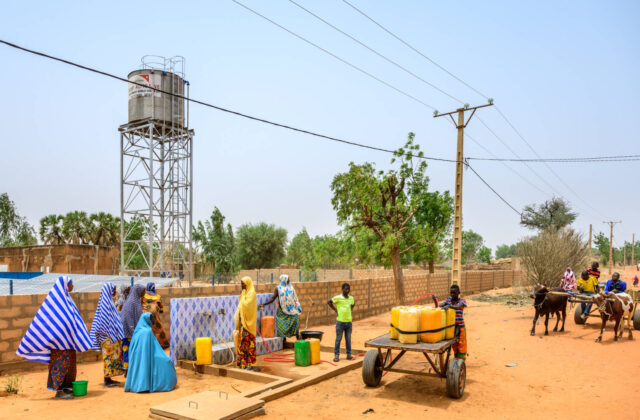
- Drilled borehole wells to provide accessible water sources and reduce the prevalence of waterborne illness.

Education
- Helped children stay in school by providing them with scholarships, school supplies, and uniforms.
- Partnered with community members to construct schools and renovate classrooms, increasing school capacity and enrollment.

Economic Opportunities
- Worked with community business organizations to implement income-generating projects for families.

Healthcare
- Distributed treated mosquito nets to children and pregnant women, helping control the spread of malaria.
- Trained caregivers in nutrition and taught them how to prepare healthy meals using locally available ingredients.
- Worked with local health agencies to immunize and deworm children and pregnant women, and provide them with vitamin A and iron supplements.

Christian Commitment
- Trained Sunday school teachers, equipping them to minister to children's spiritual needs.
Mozambique
United States