
Sri Lanka

The tropical island of Sri Lanka lies in the Indian Ocean, separated from India by 25 miles. Low-lying flatlands fill most of the island, with mountains in the south central region. There are two monsoon seasons—June to October and December to March.

  • Population
    20,860,000
  • Land mass
    25,332
  • Life Expectancy
    75 years
  • Literacy Rate
    91%
  • Access to Safe Water
    90%
  • Under Age 5 Mortality Rate
    17/1000
Sri Lanka Map

US Comparison to Sri Lanka

Sri Lanka United States
Population
20,860,000
307,000,000
Land Mass
25,332
3,794,083 sq miles
Life Expectancy
75 years
78 years
Infant Mortality
17/1000
7/1000
Literacy Rate
91%
97%
School Enrollment
95%
92%
Access to Safe Water
90%
100%
Average Annual Income
$2,290
$41,400

World Vision in Sri Lanka Today

World Vision is committed to partnering with the people of Sri Lanka to improve their lives today and to help enact sustainable solutions for the future of their children, families, and communities. World Vision’s child sponsorship program plays a vital role in this partnership, with donors from the United States sponsoring more than 15,900 girls and boys. In addition to sponsorship, World Vision operates other programs that benefit communities in Sri Lanka. Highlights include:

  • Training farmers in better farming practices and helping them improve connections with local markets.
  • Teaching farmers better techniques on how to breed and care for their animals.
  • Reducing poverty and increasing access to healthcare, clean water, education, and more in local communities.

World Vision History in Sri Lanka

A national office was established in 1977 in Colombo, the nation’s capital, to serve Sri Lankans through disaster relief and development programs. Since then, World Vision has invested over $350 million in programs benefitting the most vulnerable. Some of World Vision’s major accomplishments have included:

  • Opening a rehabilitation center during the 1970s to provide care for vulnerable youth in Colombo.
  • Providing food, clothing, shelter, fruit tree seedlings, and animals for victims of a 1979 cyclone.
  • Promoting self-employment activities, agriculture, and small businesses during the 1980s.
  • Implementing projects like flood relief, agricultural development, and economic development during the 1990s and the beginning of the 21st century.
  • Offering microloans and basic business training to victims of the 2004 tsunami to help them rebuild their lives.

Geography & People

Geography and people

The tropical island of Sri Lanka lies in the Indian Ocean, separated from India by 25 miles. Low-lying flatlands fill most of the island, with mountains in the south central region. There are two monsoon seasons—June to October and December to March.

Sri Lanka’s population density of 799 people per square mile is one of the highest in Asia. Most people live in rural areas and depend on agriculture to make a living.

The Sinhalese people make up 74 percent of the population, while the Tamils form the largest minority group at 18 percent. Other groups include the Vedda, the Moors, the Burghers, and the Malays.

Sinhala and Tamil are the two official languages of Sri Lanka. About 10 percent of Sri Lankans speak English, mostly for educational and commercial purposes.

History

Known as Ceylon prior to 1972, Sri Lanka became an English Crown colony in 1802. Nationalist leaders finally obtained independence nearly 150 years later. The country’s first prime minister made Sinhala the official national language and Buddhism the state-supported religion.

The Tamil minority’s growing resentment toward the Sinhalese’s power monopoly erupted into civil war in 1983. By early 2000, 17 years of civil war claimed the lives of over 64,000 people—mostly civilians. The government and Tamil rebels agreed to a cease-fire in February 2002, but sporadic fighting continued.

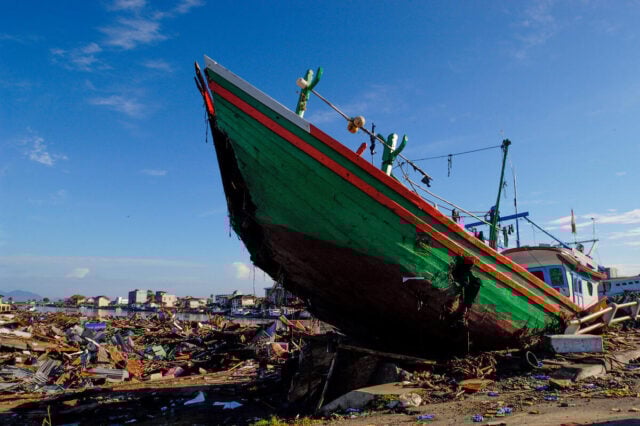
A tsunami in December 2004 killed about 38,000 people in Sri Lanka. Escalating violence threatened a deal between the government and rebels to share an international aid package for the country’s rebuilding.

In January 2008, the Sri Lankan government called off the cease-fire agreement and fighting intensified in the north and east. The death toll from the war stood at an estimated 70,000 people in 2009, with more than 500,000 still displaced, mostly Tamils. In May 2009, the government declared victory after the death of the rebel leader.

Prayer Requests for Sri Lanka

Please pray for:

Families recovering from heavy floods.

People displaced by the civil war to find jobs and food as they return to their homes.

Sri Lanka Facts

  • As of 2009, nearly 6,300 children under the age of 18 have been forcibly recruited to fight in the war.
  • After the 2004 tsunami and years of civil conflict, Sri Lanka's population struggles to recover. Almost a quarter of the population lives below the poverty line, and thousands of people are still displaced from their homes by the war.
  • According to the World Food Program, about 22 percent of children under 5 are malnourished nationally, but the number doubles in areas affected by the civil conflict.
  • The end of the civil war boosted Sri Lanka's economy, which made major gains in 2009.

Child Sponsorship

Through sponsorship, World Vision is partnering with families and communities to help meet immediate needs and promote lasting changes that will strengthen communities and move families toward self-reliance.

Each year sponsors receive updates about their sponsored child and their community. Sponsors also learn about the child's continuing activities and new accomplishments so when they correspond with their child, they can encourage them in their education, hobbies and endeavors.

The commitment of World Vision sponsors helps provide children with love, hope, and opportunities for a healthy, productive future. May God bless sponsors as they make a lasting difference in the life of a special child.

Sponsor a child in Sri Lanka

Progress in

Thanks to the generous support of our sponsors, World Vision was able to work alongside communities to accomplish the
following in 2012.

Food and Agriculture

  • Installed agricultural wells and irrigation systems, enabling farmers to cultivate more land and harvest more than one rice crop per year.
  • Taught families how to grow vegetables and provided them with dairy cows to increase their access to nutritious food.

Water and Sanitation

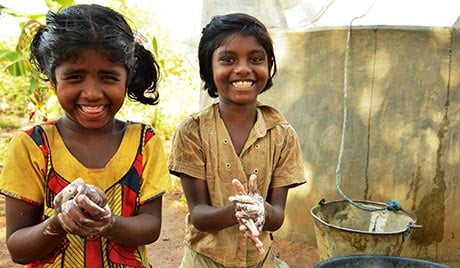
  • Worked to control the spread of waterborne illness by renovating wells, distributing water filters, and constructing latrines.

Education

  • Strengthened early childhood education by building preschools.
  • Expanded teachers’ skills through training in mathematics, English, and child-centered teaching methods.
 

Emergency Response

  • Provided emergency assistance after severe floods—organizing cooking groups, distributing emergency food, and repairing homes.

Economic Opportunities

  • Improved young people's employment prospects by training them in sewing, hairstyling, and other trades.
  • Helped farmers and fishermen access small loans to expand their businesses.

Child Rights

  • Held events such as street dramas and formed children’s clubs to raise awareness of child rights in the community.
 

Healthcare

  • Monitored children's health and development, and helped sick children access medical treatment.
  • Worked to reduce high rates of malnutrition among young children by providing meals to preschoolers and training their caregivers in nutrition.