Jim and Allie finally had the keys to their dream house. It was a beautiful little home, nestled in the Blue Ridge mountains and close to the Swannanoa river. The happy couple spent the next several years making the house into a home. Family pictures on the wall. Dishes in the cabinets. Flowers planted in the garden.
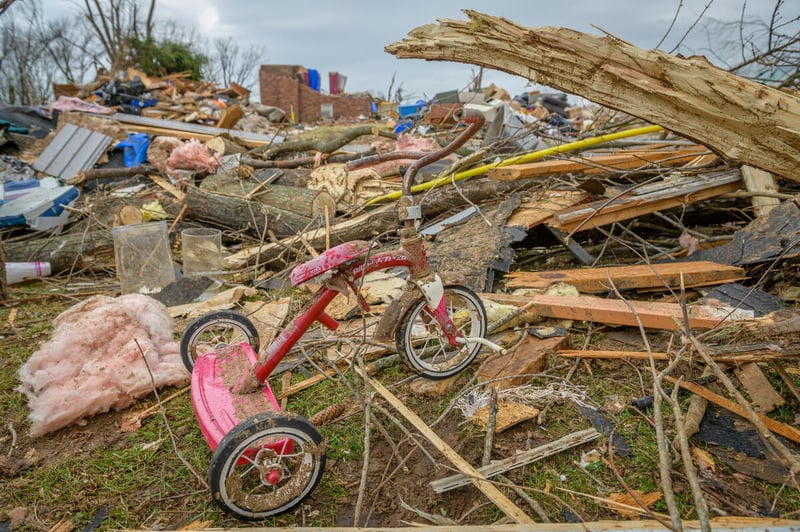
Then came Hurricane Helene — a Category 4 storm with 140 mph winds and an appetite for destruction. Touching down in Florida, Helene soon moved north bringing massive flooding, power outrages, and widespread damage. She quickly weaved her way into Swannanoa community and leveled the town in minutes. Businesses, parks, homes — all gone. No one had been prepared for this. Upon returning to the structure they’d made a home, all that remained to greet Jim and Allie was overturned furniture, a chair hanging from a chandelier, silt everywhere, and the bathroom looked like someone had painted it with mud and water.
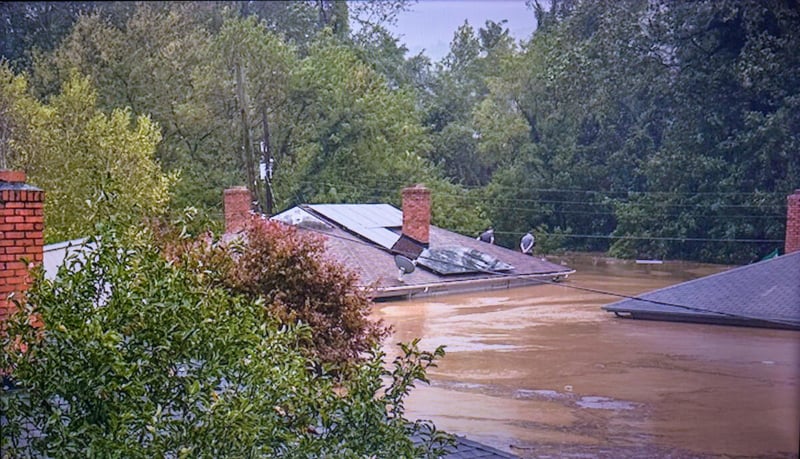
Their story is hardly unique. All around the world we witness destruction as hurricanes and tornadoes rage through communities, earthquakes level cities, and wildfires send people running for their lives. In moments when the world seems to be coming undone, an important question comes to mind: Where is God when disaster strikes?
The Bible does not shy away from these types of questions.
The pages of Scripture are filled with people who cry out to God from places of fear, grief, injustice, and loss. They ask why He seems silent. They plead for rescue. They wrestle with suffering they cannot explain.
The Bible’s answer begins not with an explanation, but with a God who draws near to suffering — and calls His people to do the same.

What the Bible says about God and suffering
The Christian response to disaster is not to pretend suffering makes sense. Nor is it to claim we can always know why God allows one tragedy and prevents another. Scripture offers something more honest — and, perhaps, more profound.
But to get there, we must begin . . . at the beginning.
Scripture tells us that when the universe came into existence, everything was good (Genesis 1:31). Volcanos didn’t belch fire. No one got cancer. Spiders stayed outside and never came into your house (right?!). The world worked perfectly.
But then sin entered the perfect picture and the universe broke. Tectonic plates began to rub together. People began to cough. Weeds started growing through the cracks in the sidewalk. Suddenly, the world and people were no longer on friendly terms. In fact, the world was actively working against people.
Now, it’s commonly said: “lt’s a dog-eat-dog world.” Bad things happen. Disasters strike out of nowhere. People get hurt.
Just look at a guy named Job (rhymes with “globe” not “blob”).
The Bible describes him as a man who is blameless and upright (Job 1:1). He was the modern equivalent of a person who loved his family, brought casseroles to his neighbors, and always got to work on time. He was a good guy.
Then his life collapses.
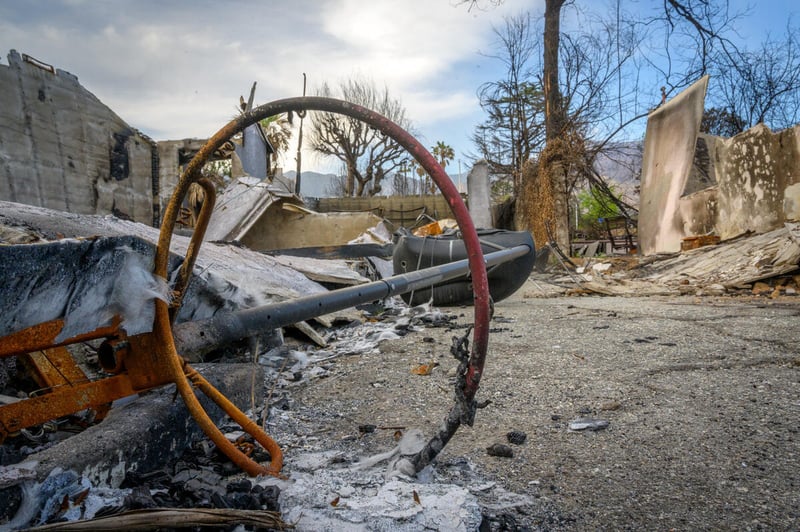
In a matter of a few days, Job loses his job, his savings, his house, and even his children. Then he develops painful boils on his skin. When we see him next, Job is sitting in the rubble of his former life, picking at his wounds, deep in pain and grief, and trying to understand what has happened.
At the end of the book, God finally speaks to Job. But He does not give Job the neat and tidy explanation the man has been seeking. Instead, Job encounters the vastness and mystery of God. He comes to recognize that his understanding is limited.
The lesson is not that suffering doesn’t mean much. Quite the opposite. Job’s suffering matters enormously. His grief is given page after page of Scripture.
But the Bible refuses to turn pain into a simple equation: Suffering = proof of guilt.
That truth becomes especially important when entire communities experience disaster.
After Hurricane Katrina devastated New Orleans in 2005, one religious leader publicly described the disaster as God’s judgment on what he called a “wicked city.” He connected the catastrophe to behaviors and beliefs he opposed, suggesting that the suffering was an act of divine punishment.
That interpretation may sound religious. But it is difficult to reconcile with the Bible’s own warnings against presuming to know God’s specific judgment in the suffering of others.
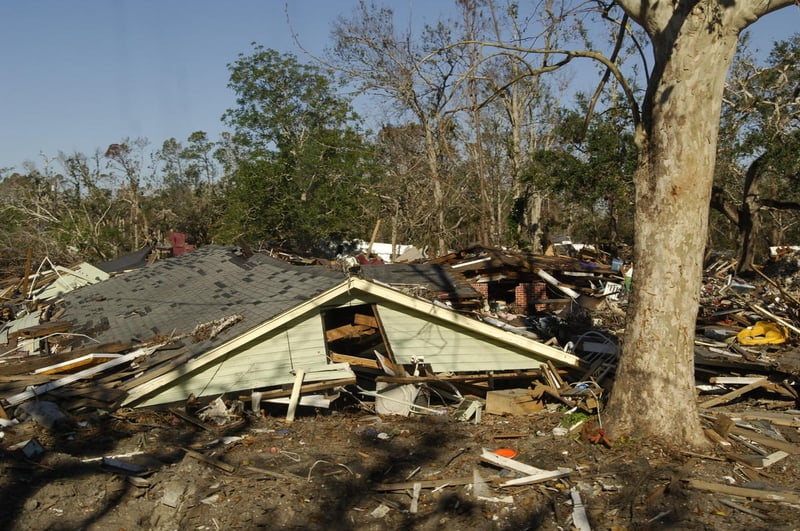
The residents of New Orleans were not a single category of people. They were children and grandparents, wealthy families and poor families, believers and nonbelievers, and people of many races, churches, and faiths. They included people who had spent their lives serving their neighbors and people who were simply trying to get through another ordinary day.
A hurricane does not stop at the boundary of a person’s moral record. And Scripture does not give us permission to pretend that it does.
God’s Word does not give us a decoder ring for every tornado, earthquake, wildfire, flood, war, or pandemic. Instead, the Bible explains that suffering is not the way God ultimately intends creation to be. It tells the story of a fractured world where bad things happen, where good people get hurt, where beautiful things are destroyed. But the Bible also points to a future where God will restore all things. Slowly, but surely, God is making everything right again. He has promised to fix everything that is broken.
When disaster strikes, Christians do not need to manufacture certainty. They can bring something better: compassion without condemnation, humility without indifference, and hope without pretending the pain isn’t real.

Is God absent — or present in a different way?
We circle back to the fundamental question we asked at the start of this article: Where is God when disaster comes? Because if we’re honest, God can feel very far away when life gets shaken.
That feeling is quite common.
But when Jesus arrived, he made a startling claim: God has never been away. He has always been here. With us.
In Matthew’s Gospel Jesus is given the name Immanuel. It means “God with us.” The very moniker of Jesus reassures us that we are not alone.
It is difficult to overstate how radical this idea is.
The audacious truth is that God is not a distant deity watching human suffering from a safe celestial distance. We see this played out in four-color in the person of Jesus. In a humble barn, in a little town, God Himself was born into vulnerability. He felt hunger. He got tired. He knew what it is to be misunderstood, rejected, betrayed, and afraid. God even suffered, broken and bloody upon a rough wooden cross.
Jesus does not merely explain human suffering from a distance. He enters it.
That does not answer every question about why disasters happen. It does not explain why one family survives a flood while another loses everything. It does not make grief less painful or turn devastation into something good.
But it dramatically alters our understanding of where God is when we hurt. The promise of Immanuel is that God is present in our suffering.
When devastating floods swept through Mozambique’s Gaza province early in 2026, there were not many places to escape. The rapid rising waters swept away houses and blocked roads in and out of towns.
For Laura, an expectant mother, the only place to run was to the roof of her house. As the waters slowly climbed up all around her, Laura went into labor. She had imagined welcoming her child in a health facility, surrounded by trained medical professionals. But her baby had other ideas.
“The child came into the world under extremely adverse circumstances, born on a rooftop in the midst of the floods,” says Simione Mhula, a child protection manager for World Vision in Mozambique.
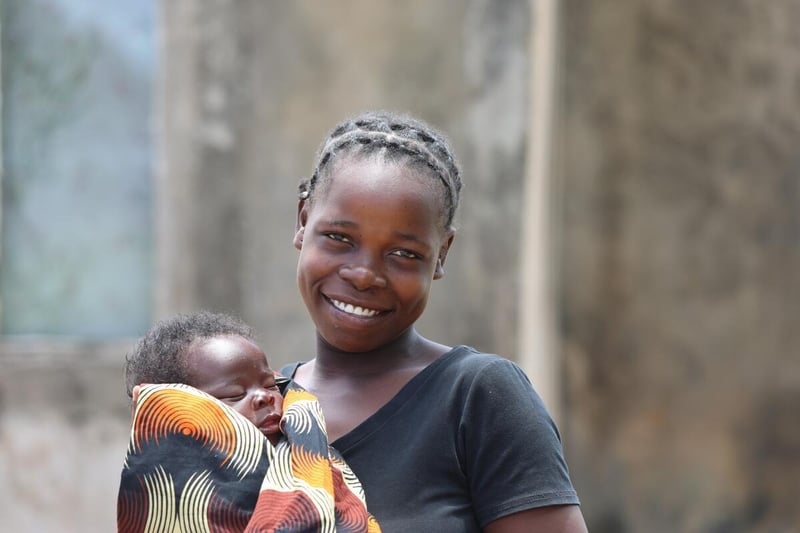
Laura named her daughter Cleiny das Cheias — a name meaning “from the floods.” Her beautiful baby was a reminder of the day that brought both devastating loss and new life.
“We thought everything was lost, but God gave us this child in the middle of all the chaos,” Laura says. “The Lord showed us mercy, and that gave us hope.”
Once the roads reopened, Laura and her baby received medical care. Though it may not have felt like it in the moment, God was with Laura and baby Cleiny there on the roof. Just as He is with all those who are suffering, or hurting, or grieving, or in pain.
While God has promised to never leave us, in a way that almost defies explanation, He draws closer to those who hurt.
Psalm 34:18 tells us that, “The Lord is close to the brokenhearted and saves those who are crushed in spirit.”
God doesn’t retreat when trouble comes. Instead, He comes even closer to us.
What Jesus taught about suffering and compassion
Historically, humans do not have the best track record when it comes to explaining where God is when disaster arrives. Thankfully, Jesus talked a lot about suffering and He offered some needed adjustment on the topic.
The overarching truth Jesus wants us to know is found in the verse that you can find on wristbands, fan posters at ball games, and even the underside of cups at certain fast-food restaurants.
In John 3:16, Jesus is speaking with Nicodemus, a pharisee and member of the Jewish ruling council. Jesus says, “For God so loved the world that he gave his one and only Son … ”
We think of this verse as a declaration of personal salvation. And it is. But it also shares a much larger truth: God loves the world.
Holding that truth close to our hearts should change our view of one another. Every person is loved by God. He is not out to hurt, harm, or wound anyone. Inflicting pain is not in God’s job description. He wants the best for those He loves.
But there is another passage where Jesus directly confronts the way people often think about suffering.
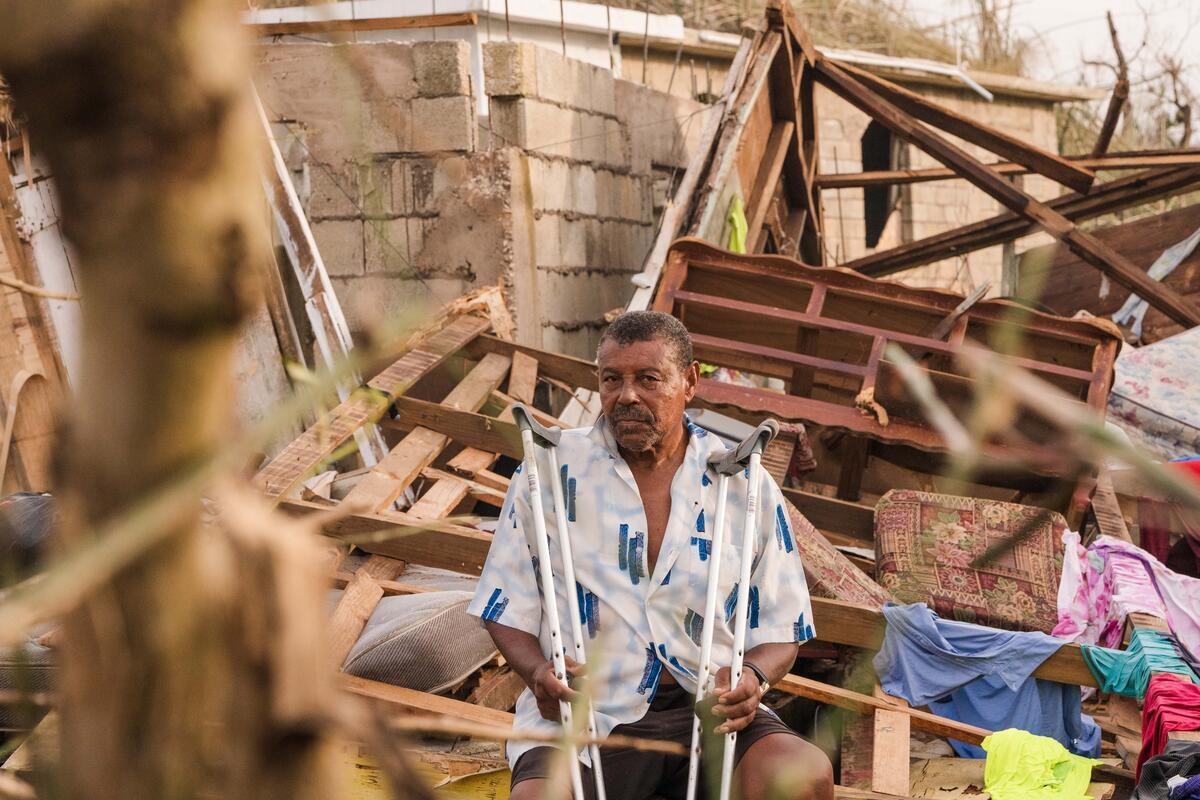
In John 9, Jesus and His friends meet a man who was born blind. Confused, the disciples ask Jesus: “Rabbi, who sinned, this man or his parents, that he was born blind?”
Notice the assumption in their question: If there is suffering, there has to be a sinner behind it. If you eat something sour, you are getting your just deserts.
But Jesus refuses that logic. “‘Neither this man nor his parents sinned,’ said Jesus, ‘but this happened so that the works of God might be displayed in him’” (John 9:3). What does Jesus do next? If you guessed “heal the guy” you are 100% correct! Jesus restores his sight!
Jesus does not turn the suffering man into a theological object lesson about punishment. Instead, Jesus sees a person created in God’s image and loved by his Creator.
And then He acts.
There is a recurring pattern throughout the Gospels. Jesus sees suffering and then moves toward hurting people in compassion.
Compassion is more than feeling sorry for people who have suffered. It is allowing their suffering to move us toward action. That movement may look like providing food to those who are malnourished. Or helping bring clean water to the thirsty. It can look like sponsoring children and investing their God-given potential. It may also look like helping a community rebuild long after the first wave of emergency assistance has ended.
And sometimes it means something as simple — and as difficult — as sitting beside someone who has lost nearly everything.
How faith can survive after disaster
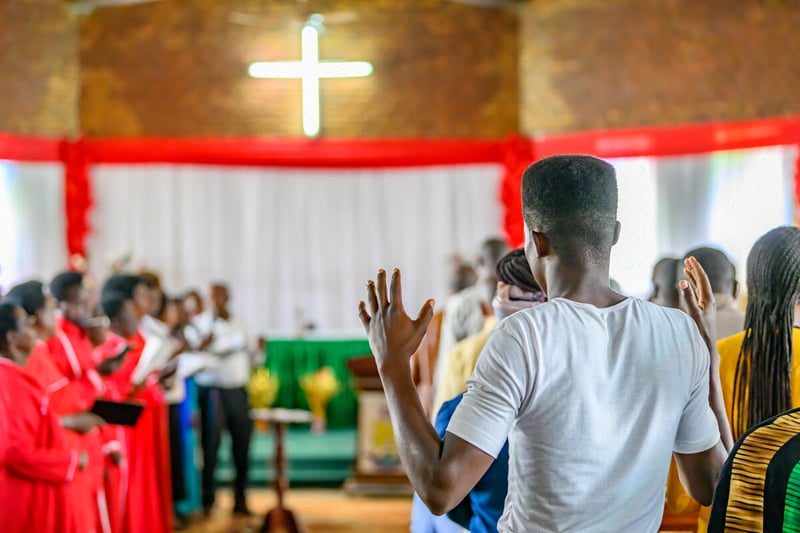
No matter how strong our beliefs before, enduring a disaster can cause anyone’s faith to shake.
Thankfully, Jesus makes room for this kind of faith. He does not demand that people choose between sorrow and trust. Grief and hope can coexist.
Jesus Himself wept at the grave of his good friend, Lazarus. There are entire books of the Bible filled with songs of loneliness, fear, and abandonment. Even Jesus’ closest disciples were absolutely devastated by His death before they understood the resurrection.
A mother can grieve the loss of her home while hoping to rebuild. A father can mourn someone he loves while believing that death does not have the final word. A community can weep over what has been destroyed while beginning, slowly and painfully, to pick up the pieces and put them back together.
Hope does not erase grief.
But we were also not made to grieve alone.
Within days of the wildfires that devastated Southern California, First Church of the Nazarene Pasadena, known as PazNaz Church, began planning how it could serve its neighbors. Chenani, the church’s deputy director of operations, helped lead the response.
“We are a missional church, and it is our job and our desire to always help our community,” she says.
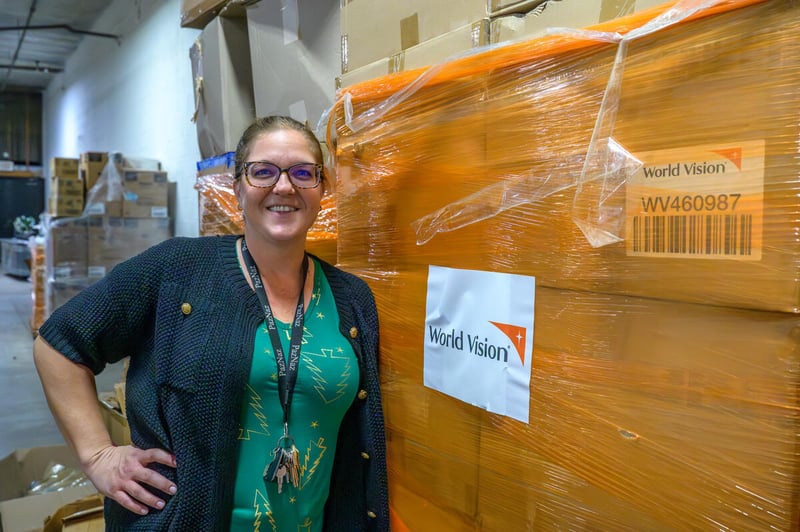
The church committed to serving until the community could rebuild. They helped neighbors mourn together, care for one another, and begin finding their footing again. With World Vision’s donated supplies, the church helped meet the needs of fire-ravaged neighborhoods. The aftereffects of tragedy have been met by what Chenani calls a “ripple effect of blessing.”
“[The donated items] remind you that God is present every day in your life, and that there are people who are willing to serve and define for you, and that we’re your village,” she says.
For Chenani, that is what community looks like after disaster: people carrying one another when the weight becomes too heavy to carry alone. She has watched families leave distributions feeling “just a little more whole.” And she has seen generosity do more than meet immediate needs — it can restore hope.
“We changed the projection of someone’s mental health,” she says. “We reminded people that God is real. And that your community does care.”
Romans 8:28 tells us that God is always working for good in the lives of those who love Him. That does not mean every event itself is good. An earthquake is never good. Neither is a tornado, a drought, or a pandemic. But God can use the bad to bring about ultimate good.
The invitation of faith is not to pretend the rubble isn’t there. It is to believe that God can turn the rubble into restoration.
That’s why we continue to pray. We stay close to our community. We help others. We love like Jesus. And we continue to hope in a good God who is at work amid the broken things.
How Christians are called to respond when disaster strikes
Yes, in the middle of disaster, we have every right to ask, “Where is God?” But perhaps the better question could be: “How can I be part of God’s response?”
This is where our faith starts to grow arms and legs and get moving.
So how should Christians respond when disaster strikes?
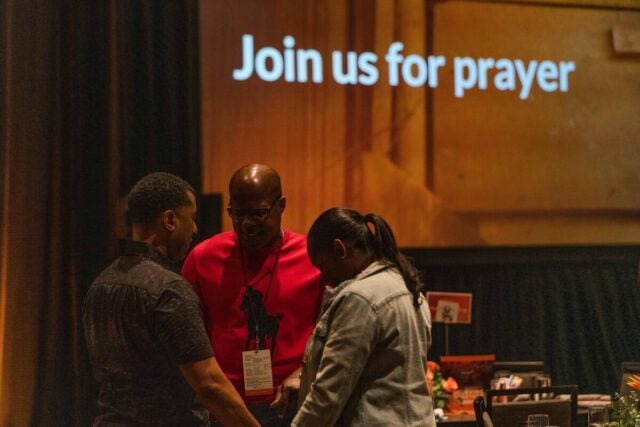
First, we should pray. Prayer matters. We can pray for families who are grieving, for children who are frightened, for first responders, medical workers, pastors, volunteers, and communities facing the long road toward recovery.
Second, we can give.
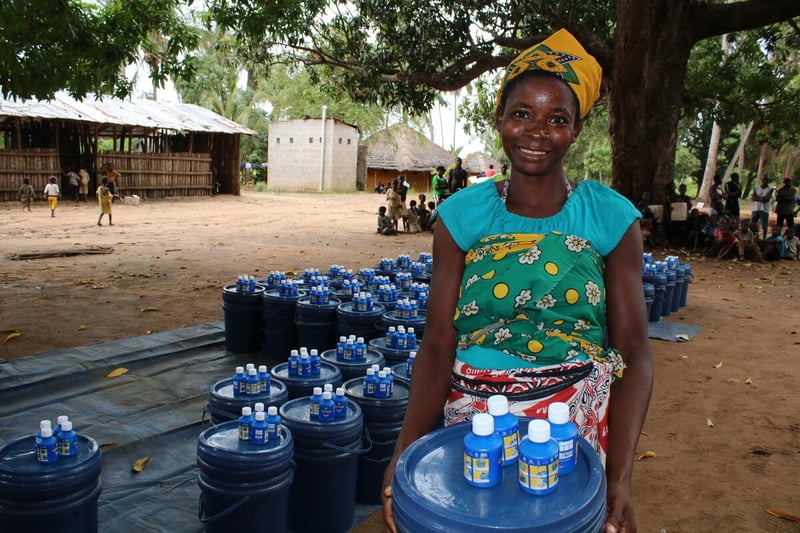
A donation to a trusted relief organization can help put food, clean water, hygiene supplies, shelter, and other essentials into the hands of families who need them. It can also support the less visible work that follows — the months and years of rebuilding after the television cameras have moved on.
Organizations such as World Vision prepare before disasters happen with emergency supplies, trained responders, and local partnerships positioned to act quickly. Our disaster response enables us to quickly provide immediate assistance in all types of disasters and crises. When families need the assistance most, we are there, and we are committed to long-term support, staying to help children, families, and communities recover and rebuild.
Third, we can be present.
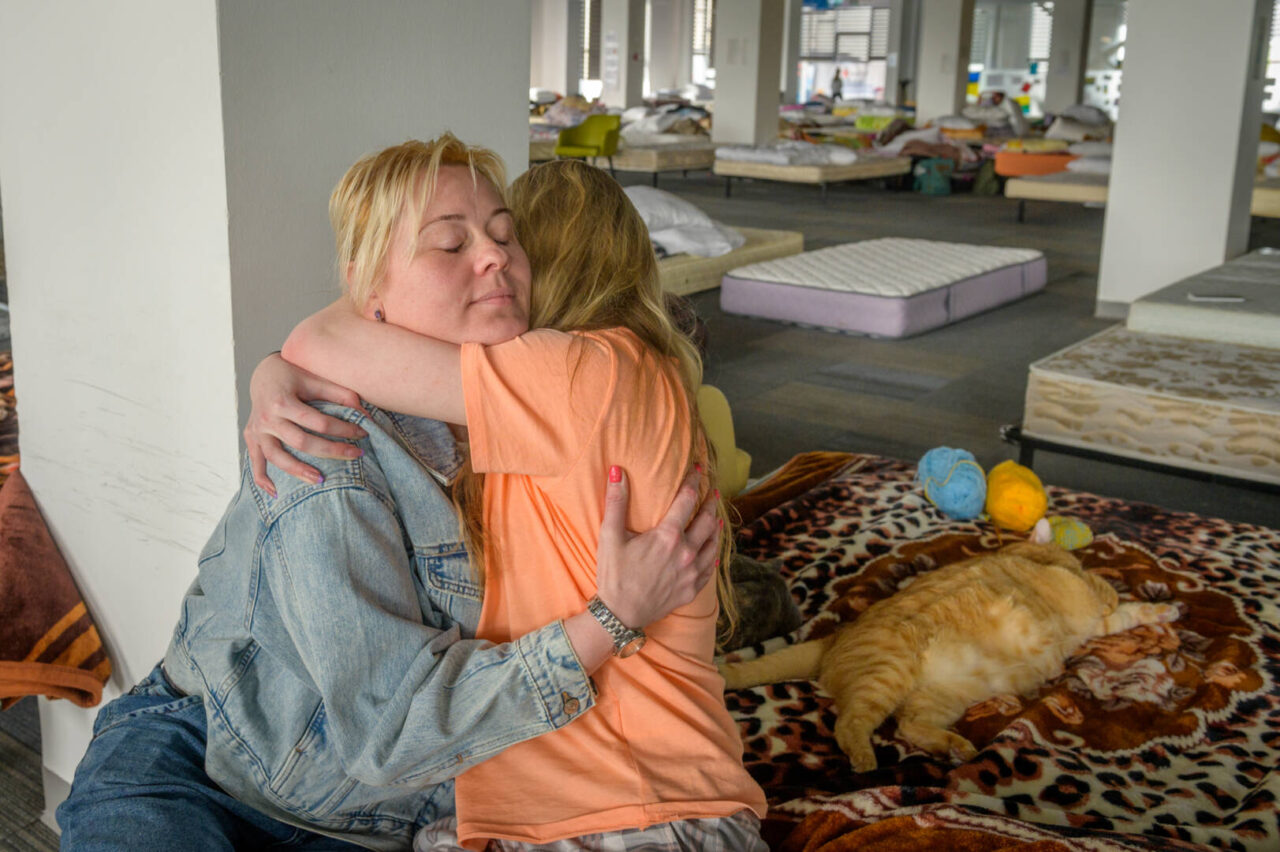
This is where Christian compassion requires patience. Because sometimes the best way to love our neighbors is to simply be there.
Sit with them. Let them talk. Let them cry. We may worry, “What do I even say to help someone coping with a disaster?” The answer is: you might not have to say anything. Your presence may be the best medicine. Christian compassion may require us to offer care for an extended time, because heartache takes time to heal.
God meets us in the rubble
We may never understand why one house survives in a tornado while one next door collapses. We may never know why one prayer seemed to receive an answer while another seemed to disappear into silence. Some losses will remain mysteries this side of heaven.
But we can rest in this promise: God is with us.
He is Immanuel — the God who does not remain distant from human suffering but draws near. And when we cannot see Him clearly through the smoke, the tears, and the rubble, we may begin to recognize His presence through the people who come along side us.
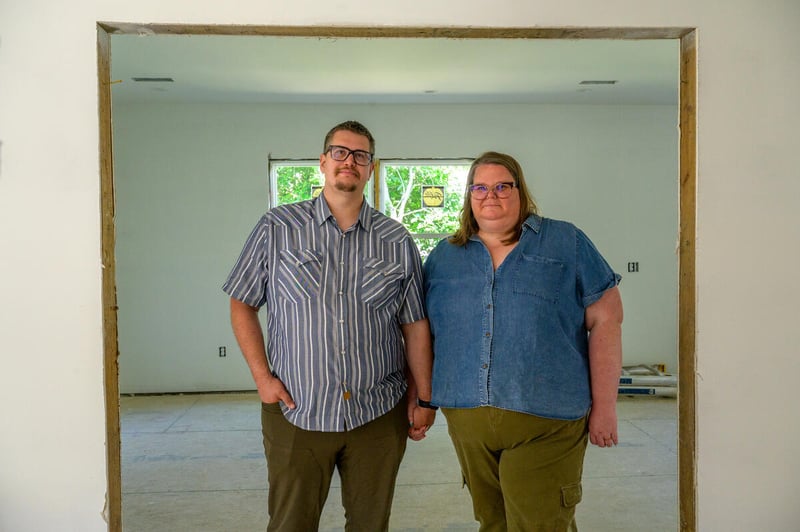
Remember Jim and Allie?
In the wake of Hurricane Helene this amazing couple deepened their ties with their neighbors. They used to know them casually, but they let the crisis lead to tight bonds.
“Disaster like this shouldn’t forge a wedge between people. It should bring them together,” Jim says. “How can we just show God’s love through all of this?”
Humans can’t explain the why of disaster. We were never meant to. But we can use tragedies as opportunities to see God in places we never realized.
Maybe that is where we should finally look for the answer.
Not only for a miracle that stops the storm, but perhaps in the hands reaching into the wreckage. Because disaster does leave us with a choice. We can stand at a distance and ask “why,” or we can draw near and ask “what can I do?”.
World Vision helps followers of Jesus answer that second question. We work alongside local churches, communities, and partners to provide emergency assistance and remain engaged through recovery and rebuilding. For Christians looking for a practical way to stand with people facing disaster, partnering through prayer, generosity, or service can turn compassion into something tangible.
It’s the chance to become the hands and feet of a God who has promised, again and again: