
Bosnia

Bosnia-Herzegovina, located on the Balkan Peninsula in southeastern Europe, shares its borders with Croatia, Serbia, and Montenegro. The country is almost completely landlocked, except for 12 miles along the Adriatic Sea.

  • Population
    3,760,000
  • Land mass
    19,767
  • Life Expectancy
    76 years
  • Literacy Rate
    98%
  • Access to Safe Water
    99%
  • Under Age 5 Mortality Rate
    8/1000
Bosnia Map

US Comparison to Bosnia

Bosnia United States
Population
3,760,000
307,000,000
Land Mass
19,767
3,794,083 sq miles
Life Expectancy
76 years
78 years
Infant Mortality
8/1000
7/1000
Literacy Rate
98%
97%
School Enrollment
87%
92%
Access to Safe Water
99%
100%
Average Annual Income
$4,790
$41,400

World Vision in Bosnia Today

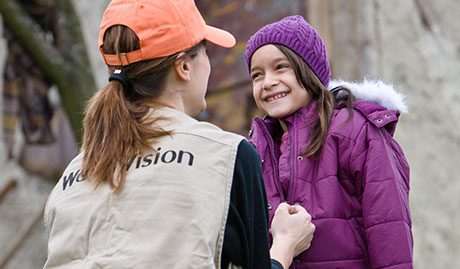
World Vision is committed to partnering with the people of Bosnia-Herzegovina to improve their lives today and to help enact sustainable solutions for the future of their children, families, and communities. Highlights of World Vision programs include:

  • Developing faith-based activities to offer families spiritual nurture.
  • Providing Orthodox churches with Bible-based teaching and study materials.

World Vision History in Bosnia

While World Vision assisted the church in what was then Yugoslavia dating back to 1976, our work in Bosnia began in fiscal year 1994 with assistance to a women’s health center. Since then, some major accomplishments include:

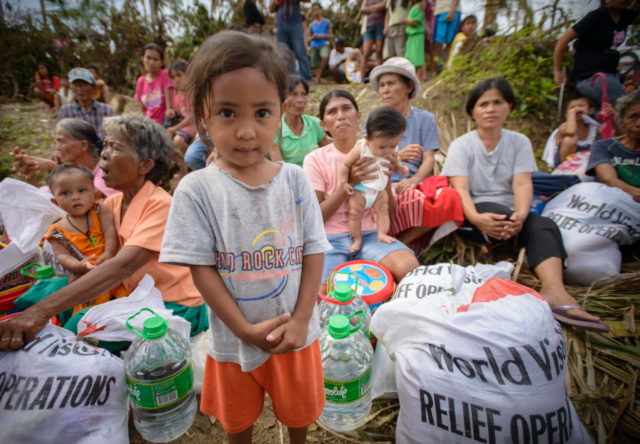
  • Providing coal, firewood, jackets, boots, sweaters, and socks to displaced and war-affected people in the late 1990s.
  • Creating new jobs and improving economic stability for war-affected communities through a microcredit program in the late 1990s.
  • Offering agricultural training to farming communities since 2001.
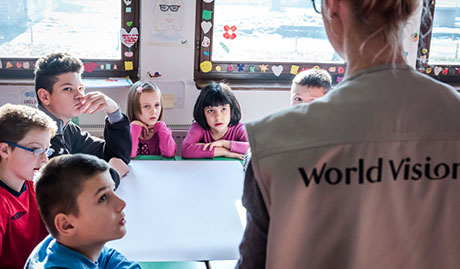
  • Strengthening relationships between children, teachers, and parents through community improvement projects and disaster preparedness workshops at the beginning of the 21st century.

Geography & People

Geography and people

Bosnia-Herzegovina, located on the Balkan Peninsula in southeastern Europe, shares its borders with Croatia, Serbia, and Montenegro. The country is almost completely landlocked, except for 12 miles along the Adriatic Sea. The Bosniak/Croat Federation takes up about half of the country, while the Republika Srpska occupies the remaining territory.

The Dinaric Alps cover most of the central and southern landscape, while plains cover the north. The climate has hot summers and cold winters.

Natural resources include coal, iron ore, copper, lead, zinc, nickel, clay, salt, sand, forests, and hydropower.

Three main ethnic groups make up the population: the Bosniaks (Bosnian Muslims), the Serbs, and the Croats. The Bosniaks are the largest group, making up almost half of the population. Bosnian, Croatian, and Serbian are the country’s three official languages.

History

After centuries of Ottoman rule, Bosnia fell under the control of Austria-Hungary in 1908. Political tensions between Austria-Hungary and Serbia in the early 20th century ended in the assassination of the heir to the Austro-Hungarian throne in 1914 by a Serb from Bosnia. The killing led to the outbreak of World War I a month later.

Following World War II in 1945, Bosnia-Herzegovina became a republic of the newly established communist Yugoslavia. Yugoslavia, however, began losing stability during the 1980s.

Bosnia-Herzegovina declared independence in 1991 and the United Nations recognized the country’s sovereignty in 1992. Conflict between Bosnian Muslims, Croats, and Serbs lasted until around 1995; tens of thousands of people died and even more were displaced during the violence.

In 2000, the Bosnian-Herzegovina government recognized Bosniaks, Croats, and Serbs as official groups within the country.

The country has held democratic elections since 1991.

Prayer Requests for Bosnia

Please pray for the people of Bosnia and for peace and stability in their country.

Bosnia Facts

  • About 27 percent of Bosnians are unemployed and about 25 percent live below the poverty line.
  • Income distribution among Bosnians is very uneven; as of 2010, the country has the 11th highest income inequality in the world.
  • Over 130,000 people are still displaced from their homes because of the civil war during the 1990s.

Child Sponsorship

Through sponsorship, World Vision is partnering with families and communities to help meet immediate needs and promote lasting changes that will strengthen communities and move families toward self-reliance.

Each year sponsors receive updates about their sponsored child and their community. Sponsors also learn about the child's continuing activities and new accomplishments so when they correspond with their child, they can encourage them in their education, hobbies and endeavors.

The commitment of World Vision sponsors helps provide children with love, hope, and opportunities for a healthy, productive future. May God bless sponsors as they make a lasting difference in the life of a special child.