
Chad

Chad lies in north-central Africa, bordered by six countries. The country has three primary regions: arid desert in the north, semi-arid plains in the center, and tropical marshland and grasses in the south.

  • Population
    11,227,000
  • Land mass
    495,755
  • Life Expectancy
    49 years
  • Literacy Rate
    34%
  • Access to Safe Water
    50%
  • Under Age 5 Mortality Rate
    173/1000
Chad Map

US Comparison to Chad

Chad United States
Population
11,227,000
307,000,000
Land Mass
495,755
3,794,083 sq miles
Life Expectancy
49 years
78 years
Infant Mortality
173/1000
7/1000
Literacy Rate
34%
97%
School Enrollment
36%
92%
Access to Safe Water
50%
100%
Average Annual Income
$600
$41,400

World Vision in Chad Today

World Vision is committed to partnering with the people of Chad to improve their lives today and to help enact sustainable solutions for the future of their children, families, and communities. World Vision’s child sponsorship program plays a vital role in this partnership, with donors from the United States sponsoring more than 3,900 children in Chad. In addition to sponsorship, World Vision operates other programs that benefit communities in Chad. These efforts include:

  • Increasing food security and access to basic education for villagers.
  • Improving health with safe water and sanitation facilities in over 100 communities.

World Vision History in Chad

World Vision began working in Chad in 1982 with an anti-famine project. Since then, some of World Vision’s major accomplishments have included:

  • Providing food and medical supplies to people affected by a severe drought in the early 1980s.
  • Reducing high child and mother mortality rates by providing women with training to better equip them to care for their families during the 1990s.
  • Improving water and sanitation, offering health and nutrition education, and providing food for refugees and internally displaced people since 2000.

Geography & People

Geography and people

Chad lies in north-central Africa, bordered by six countries. The country has three primary regions: arid desert in the north, semi-arid plains in the center, and tropical marshland and grasses in the south. The north sees little to no precipitation, while the south has a rainy season from May to October.

Agriculture earns about 40 percent of the country’s income, and agricultural products include cotton, cereal grains, peanuts, rice, and potatoes, along with cattle and other animals. About 80 percent of Chadians depend on farming and herding for their livelihood.

Chad has a variety of natural resources, including petroleum, uranium, sodium carbonate, white clay, gold, limestone, fish, and salt.

The Sara, the country’s largest ethnic group, live primarily in the southern region of Chad. The Arabs, the second largest group, live in the north. French and Arabic are the nation’s official business languages, but Chadians speak more than 120 other languages and dialects.

Families are very important in Chadian society. Extended families live together in compounds, sharing resources and responsibilities.

History

After a nationalism movement in the 1950s, Chad gained full independence from France in August 1960. Since then, Chad has faced years of civil and outside conflict, with four invasions by Libya in the 1980s and multiple insurgencies since 1990.

In October 2003, Chad began exporting oil after the opening of a pipeline connecting its oil fields with those in Cameroon. Unfortunately, this increase in industrial production has led to the pollution of soil and water in rural areas.

The World Food Program estimates that about 255,000 Sudanese refugees and 77,000 from the Central African Republic have settled in Chad over the past few years. Civil conflict has displaced at least 188,000 Chadians. The arrival of refugees, combined with 30 years of political instability, has hindered Chad’s social and economic development.

Prayer Requests for Chad

Please pray for:

Families facing food shortages and hunger.

Political and economic stability in Chad.

Chad Facts

  • Chad ranks 175th out of 182 countries on the 2009 Human Development Index. Chad has historically ranked among the poorest nations in the world—a position made worse by the arrival of hundreds of thousands of refugees. About 80 percent of Chadians live below the poverty line.
  • There are few healthcare centers and even fewer health professionals in Chad. This poor healthcare system, combined with chronic food insecurity and poverty, has led to an average lifespan of 49 years and a high child mortality rate. About 20 percent of children do not live to the age of five.

Child Sponsorship

Through sponsorship, World Vision is partnering with families and communities to help meet immediate needs and promote lasting changes that will strengthen communities and move families toward self-reliance.

Each year sponsors receive updates about their sponsored child and their community. Sponsors also learn about the child's continuing activities and new accomplishments so when they correspond with their child, they can encourage them in their education, hobbies and endeavors.

The commitment of World Vision sponsors helps provide children with love, hope, and opportunities for a healthy, productive future. May God bless sponsors as they make a lasting difference in the life of a special child.

Sponsor a child in Chad

Progress in Chad

Thanks to the generous support of our sponsors, World Vision was able to work alongside communities to accomplish the
following in 2012.

Food and Agriculture

  • Trained farmers in improved agricultural methods so they can grow enough food for the lean season.

Water and Sanitation

  • Drilled wells to improve access to clean drinking water and reduce the prevalence of waterborne illness.

Education

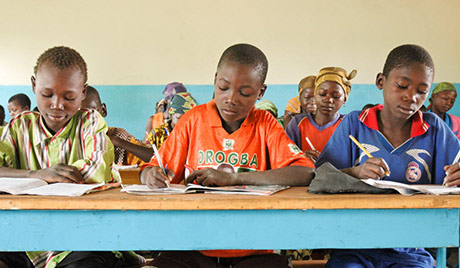
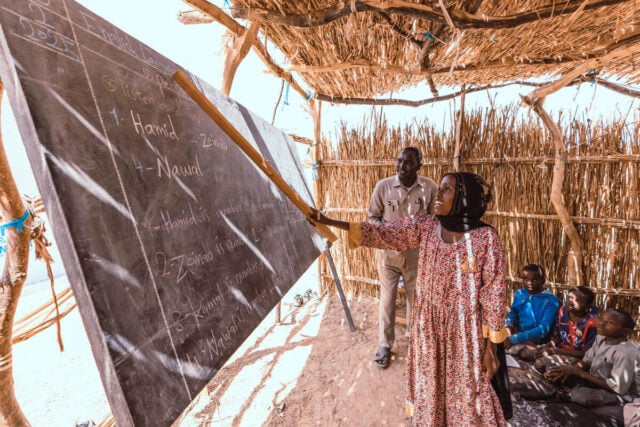
  • Organized schools for orphans and vulnerable children who did not have access to education when they were younger and now need help catching up.
  • Helped orphans and vulnerable children stay in school by assisting with school fees and providing stationery.
 

Emergency Response

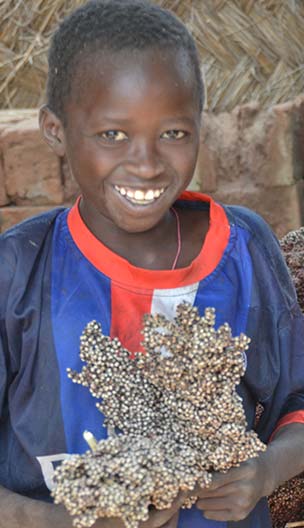
  • Supplied grain banks with millet to mitigate the effects of famine.

Child Rights

  • Celebrated African Child Day and taught participating children about their rights.

Healthcare

  • Provided age-appropriate HIV and AIDS education for children.
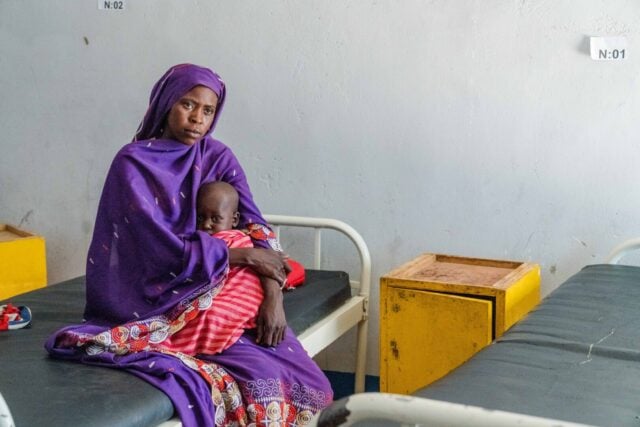
  • Distributed food to nutrition centers, helping malnourished children regain their health.
  • Monitored children's health and helped sick children access medical treatment.