
Honduras
The second largest country in Central America, Honduras shares its borders with Guatemala, El Salvador, and Nicaragua. Mountains, valleys, and fertile plains make up most of the terrain. The climate is tropical with cooler temperatures in the mountains.
Population
7,601,000
Land mass
43,278
Life Expectancy
77 years
Literacy Rate
84%
Access to Safe Water
86%
Under Age 5 Mortality Rate
24/1000
School Enrollment
97%
Average Annual Income
(GNI)
1,880
View US
comparison chart >

US Comparison to Honduras
Honduras United States |
|---|
Population 7,601,000 307,000,000 |
Land Mass 43,278 3,794,083 sq miles |
Life Expectancy 77 years 78 years |
Infant Mortality 24/1000 7/1000 |
Literacy Rate 84% 97% |
School Enrollment 97% 92% |
Access to Safe Water 86% 100% |
Average Annual Income $1,880 $41,400 |
World Vision in Honduras Today
World Vision is committed to partnering with the people of Honduras to improve their lives today and to help enact sustainable solutions for the future of their children, families, and communities. World Vision’s child sponsorship program plays a vital role in this partnership, with donors from the United States sponsoring more than 21,200 girls and boys. In addition to sponsorship, World Vision operates other programs that benefit communities in Honduras. Highlights include:
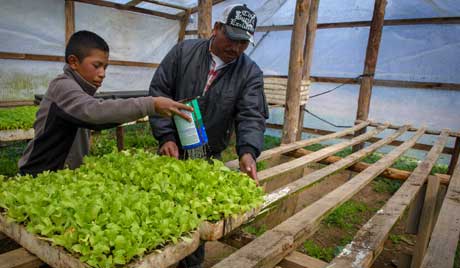
- Helping farmers improve agricultural techniques and diversify their products to increase their income and reduce malnutrition.
- Raising community awareness of HIV and AIDS and helping those who live with this disease support themselves.
- Increasing families’ access to clean water and sanitation, as well as offering training in sanitation and hygiene basics.
World Vision History in Honduras
World Vision began ministering to the people of Honduras in 1974 by providing financial support to help those affected by Hurricane Fifi, a storm that killed 1,200 people and left thousands homeless. Since then, some of World Vision’s major accomplishments have included:
- Assisting refugees from neighboring Nicaragua with food, tents, and emergency kits in the late 1970s.
- Helping people affected by drought and floods throughout the 1980s.
- Providing medical and dental care, nutritional supplements, and school supplies for children in need in the 1980s.
- Supplying families affected by Hurricane Mitch with food, blankets, and medicine, as well as helping them rebuild their communities, since 1998.
- Offering microloans to small business entrepreneurs to improve the quality of life in southwest Honduras since the 1990s and into the 21st century.
Geography & People
Geography and people
The second largest country in Central America, Honduras shares its borders with Guatemala, El Salvador, and Nicaragua. Mountains, valleys, and fertile plains make up most of the terrain. The climate is tropical with cooler temperatures in the mountains.
Natural resources are plentiful and include timber, gold, silver, copper, lead, zinc, iron ore, coal, fish, and hydropower.
Most Hondurans are mestizo—a mix of Amerindian and European ancestry. Spanish is the official language, but residents also speak English and several Amerindian dialects.
Hondurans use both of their parents’ surnames. They use the father’s name as the family name, but the mother’s last name comes at the end of the full name. Women keep their surnames when they marry.
History
Honduras, along with four other Central American nations, declared independence from Spain in 1821 to form a federation of Central American states. Over a decade later, Honduras left the federation and became fully independent.
After decades of military rule, democracy returned in 1982. The 1990s brought economic reform when the government administration helped to reduce inflation, restore economic growth, and hold down spending.
Reform, however, slowed in 1998 with the arrival of Hurricane Mitch. The hurricane killed over 7,000 Hondurans, injured another 13,000, and caused $3.8 billion in damage. Nearly one-third of the highway infrastructure was destroyed along with thousands of homes, displacing 1.5 million people.
The Honduran government collaborated with international relief organizations to help get the country back on its feet. The government has continued to focus on reform over the years. Democratic elections resumed in 2010 after a 2009 military coup.
Prayer Requests for Honduras
Please pray for:
The protection of families from violence.
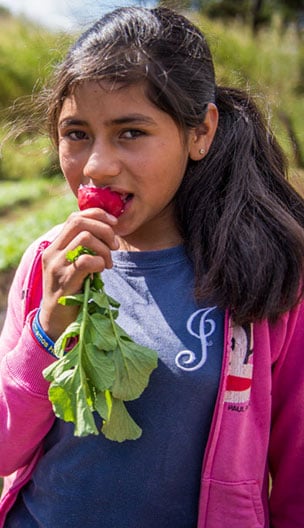
All children to have enough food to eat.
Honduras Facts
- Honduras is among the poorest countries in Latin America. While only three percent of the workforce is unemployed, almost 60 percent of Hondurans live below the poverty line.
- The rough terrain in Honduras has limited the development of a transportation network, keeping much of the rural population isolated.
- Poverty and food scarcity are severe in rural areas.
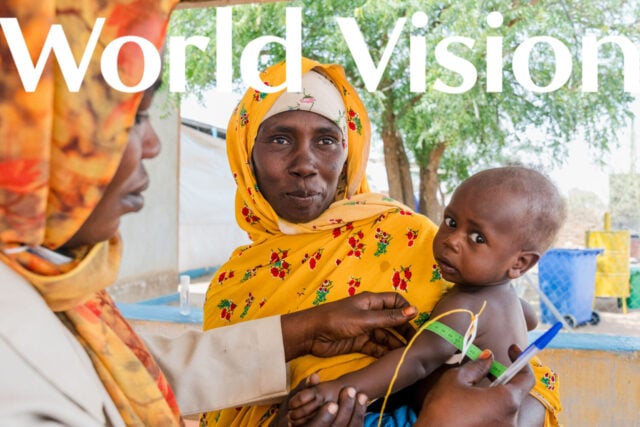
- Health is a major concern for Hondurans: nearly one in five lacks access to healthcare, and one in four struggles with chronic malnutrition.
Child Sponsorship
Through sponsorship, World Vision is partnering with families and communities to help meet immediate needs and promote lasting changes that will strengthen communities and move families toward self-reliance.
Each year sponsors receive updates about their sponsored child and their community. Sponsors also learn about the child's continuing activities and new accomplishments so when they correspond with their child, they can encourage them in their education, hobbies and endeavors.
The commitment of World Vision sponsors helps provide children with love, hope, and opportunities for a healthy, productive future. May God bless sponsors as they make a lasting difference in the life of a special child.
Progress in
Thanks to the generous support of our sponsors, World Vision was able
to work alongside communities to accomplish the
following in 2012.

Food and Agriculture
- Helped families establish vegetable gardens to improve their access to nutritious food.
- Trained farmers in improved farming methods and provided materials to build irrigation systems, increasing crop yields.

Water and Sanitation
- Worked with community members to build household latrines and improve water systems, working to decrease the prevalence of disease.

Education
- Strengthened the quality of education by training teachers in lesson planning and providing preschools with learning materials.
- Facilitated tutoring programs for children, improving their academic skills and helping them stay in school.

Emergency Response
- Worked with partner organizations to provide food for families who lost their crops in Tropical Storm Agatha.
- Distributed food to families affected by a tornado and contributed materials to rebuild their homes.

Economic Opportunities
- Provided training and supplies to help community members start small businesses.

Healthcare
- Trained caregivers in nutrition and taught them how to prepare healthy meals using locally available ingredients.
- Partnered with local health agencies to evaluate children's health and distribute anti-parasite medication and vitamins.

Christian Commitment
- Supported local churches with Bibles, storybooks, and teaching materials to provide spiritual nurture for children.
Honduras
United States