
Kenya

A land of varied landscapes and wildlife, Kenya lies along the equator in eastern Africa. Coconut, mangrove, and palm trees line its more than 300 miles of coastline along the Indian Ocean. The interior features low plains and highlands and Africa’s second highest peak, Mount Kenya.

  • Population
    40,153,000
  • Land mass
    224,080
  • Life Expectancy
    57 years
  • Literacy Rate
    87%
  • Access to Safe Water
    59%
  • Under Age 5 Mortality Rate
    83/1000
Kenya Map

US Comparison to Kenya

Kenya United States
Population
40,153,000
307,000,000
Land Mass
224,080
3,794,083 sq miles
Life Expectancy
57 years
78 years
Infant Mortality
83/1000
7/1000
Literacy Rate
87%
97%
School Enrollment
83%
92%
Access to Safe Water
59%
100%
Average Annual Income
$780
$41,400

World Vision in Kenya Today

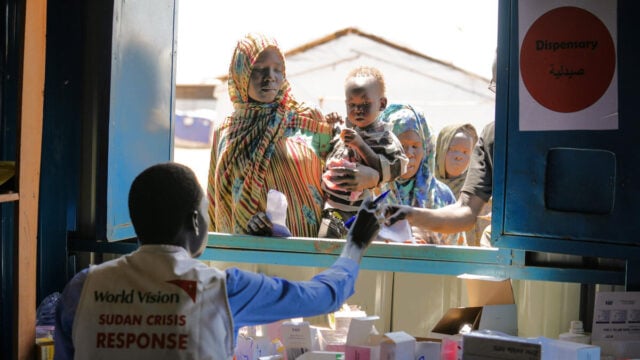
World Vision is committed to partnering with the people of Kenya to improve their lives today and to help enact sustainable solutions for the future of their children, families, and communities. World Vision’s child sponsorship program plays a vital role in this partnership, with donors from the United States sponsoring more than 41,300 girls and boys. In addition to sponsorship, World Vision operates other programs that benefit communities in Kenya. Highlights include:

  • Sustaining livelihoods of people affected by the Horn of Africa drought and food crisis by providing 600,000 of the most vulnerable people with food and emergency supplies.
  • Fighting malaria by distributing bed nets.
  • Helping children go to school by removing them from child labor situations.
  • Providing life-skills training to those affected by HIV and AIDS.
  • Increasing access to improved water supply, sanitation facilities and training on hygiene practices to enhance the status of children's health.
  • Improving the growth and development of 37,526 girls and boys under five years of age, as well as 11,037 pregnant women.

World Vision History in Kenya

World Vision’s early assistance to Kenya includes a 1965 grant to World Gospel Mission; an office was opened in 1974 in response to severe drought and famine. Since then, some of World Vision’s major accomplishments have included:

  • Improving healthcare, education, and water systems and offering literacy and vocational training during the 1980s.
  • Assisting flood-affected communities by providing medicines, food, seeds, livestock, and shelter during the 1990s.
  • Building shelters and classrooms for children in refugee camps and providing medical supplies, blankets, food, and other necessities to people affected by floods in the 21st century.

Geography & People

Geography and people

A land of varied landscapes and wildlife, Kenya lies along the equator in eastern Africa. Coconut, mangrove, and palm trees line its more than 300 miles of coastline along the Indian Ocean. The interior features low plains and highlands and Africa’s second highest peak, Mount Kenya.

The climate ranges from the tropical coast to an arid interior. Kenya’s game parks have lions, giraffes, buffalos, elephants, zebras, and other wild animals. Natural resources include limestone, salt, gypsum, gemstones, zinc, and hydropower.

English and Swahili are the official languages, but dozens of indigenous languages also are spoken throughout the country. More than 40 ethnic groups populate Kenya.

Because most babies are delivered at home, they often do not receive official birth certificates. Instead of birth dates, parents recall that a child was born during a particular season or special event. Kenyans value children, since a large family means more help on the farm and helps to ensure care for parents in their old age.

History

Kenya gained independence from Britain in 1963 after over 40 years as a colony. The resulting government formed by the Kenya African National Union (KANU), however, started a 40-year corrupt rule. During the 1990s, Kenya’s infrastructure began disintegrating, violence increased, and a series of natural disasters occurred.

KANU’s term ended when Mwai Kibaki was elected president in 2002, promising government reform. Kibaki initiated a number of judicial reforms to crack down on corruption and promised to revise the constitution, but Kenyans were disappointed with the lack of progress halfway through her term.

Violent protests broke out over the outcome of the December 2007 presidential election, and, after two months of ethnic brutality, more than 1,000 people had died. With the help of national talks, the Kenyan government finally reached a power-sharing agreement.

Prayer Requests for Kenya

Please pray for:

The millions of Kenyans still in need of food assistance.

Stability in northern Kenya so humanitarian efforts can continue safely.

Kenya Facts

  • While over 70 percent of Kenyans engage in agriculture, the U.N. classifies Kenya as a low income, food-deficit country.
  • Over half of the population lives below the poverty line, and the unemployment rate is about 40 percent-the 13th highest rate in the world. An extended drought starting in 2006 intensified the situation.
  • The World Food Programme estimated that in 2010, more than 1 million people still needed food aid.
  • HIV and AIDS continue to threaten the health of Kenyans, with more than 1 million people living with the disease-the eighth highest number of any country in the world. More than 1 million children have lost one or both parents to HIV and AIDS.

Child Sponsorship

Through sponsorship, World Vision is partnering with families and communities to help meet immediate needs and promote lasting changes that will strengthen communities and move families toward self-reliance.

Each year sponsors receive updates about their sponsored child and their community. Sponsors also learn about the child's continuing activities and new accomplishments so when they correspond with their child, they can encourage them in their education, hobbies and endeavors.

The commitment of World Vision sponsors helps provide children with love, hope, and opportunities for a healthy, productive future. May God bless sponsors as they make a lasting difference in the life of a special child.

Sponsor a child in Kenya

Progress in

Thanks to the generous support of our sponsors, World Vision was able to work alongside communities to accomplish the
following in 2012.

Food and Agriculture

  • Increased the supply of food by teaching farming families how to grow drought-resistant crops and distributing seeds.

HIV and AIDS

  • Provided age-appropriate HIV and AIDS education for schoolchildren and trained peer educators.
  • Trained community volunteers to care for people living with HIV and AIDS, and supplied them with medical kits.

Water and Sanitation

  • Drilled wells to improve access to clean water and reduce the prevalence of waterborne disease.
 

Education

  • Worked with the local schools to build classrooms and dormitories, easing overcrowding and improving the learning environment.
  • Helped orphans and vulnerable children continue their education by providing scholarships.

Emergency Response

  • Provided emergency food relief and nutrition programs to drought-affected households.
  • Provided mosquito nets, blankets, and mattresses to families displaced by flooding.

Economic Opportunities

  • Facilitated vocational and technical training for young people, increasing their job opportunities.
  • Enhanced households’ economic well-being through access to markets, training, technology, information, and financial services.
 

Child Rights

  • Organized children’s clubs and forums to advocate for child rights and give children a chance to express their ideas about issues that affect their lives.

Healthcare

  • Monitored children's health and helped sick children access medical treatment.
  • Distributed treated bed nets to help protect children from malaria.
  • Worked with health agencies to immunize and deworm children.