
Mali

A landlocked country in West Africa, Mali is one of the five least developed countries in the world. More than 90 percent of Mali's population lives in the more fertile southern region of the country. The Niger River acts as important trade passage in the south.

  • Population
    15,370,000
  • Land mass
    478,840
  • Life Expectancy
    51 years
  • Literacy Rate
    26%
  • Access to Safe Water
    56%
  • Under Age 5 Mortality Rate
    178/1000
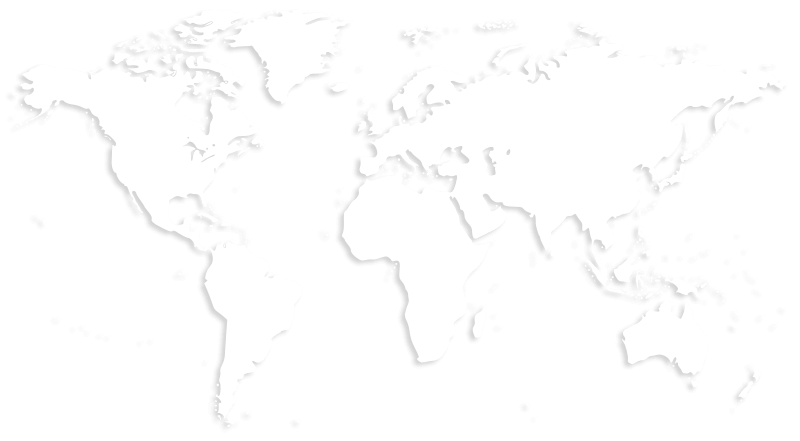
Mali Map

US Comparison to Mali

Mali United States
Population
15,370,000
307,000,000
Land Mass
478,840
3,794,083 sq miles
Life Expectancy
51 years
78 years
Infant Mortality
178/1000
7/1000
Literacy Rate
26%
97%
School Enrollment
77%
92%
Access to Safe Water
56%
100%
Average Annual Income
$600
$41,400

World Vision in Mali Today

World Vision is committed to partnering with the people of Mali to improve their lives today and to help enact sustainable solutions for the future of their children, families, and communities. World Vision's child sponsorship program plays a vital role in this partnership, with donors from the United States sponsoring more than 8,200 girls and boys. In addition to sponsorship, World Vision operates other programs that benefit communities in Mali. Highlights include:

  • Training peer educators, religious leaders, and school teachers on HIV and AIDS.
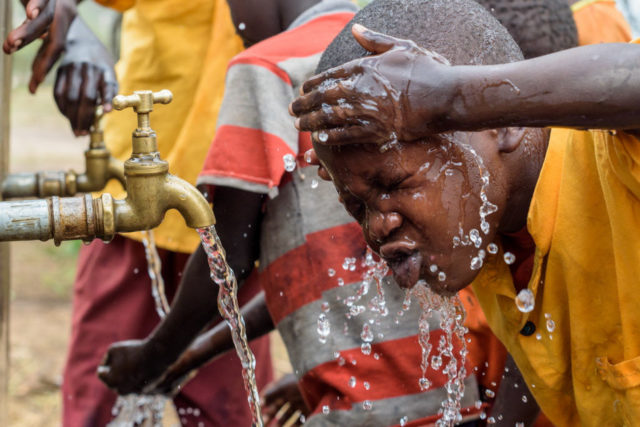
  • Improving safe water access by drilling 90 boreholes and training residents on usage and upkeep for drills.
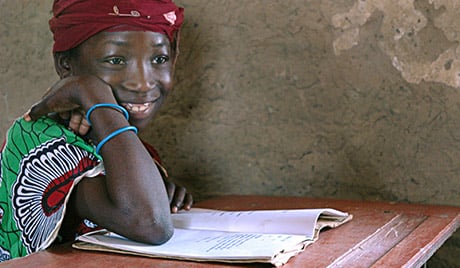
  • Increasing children's school engagement by constructing 104 new classrooms.

World Vision History in Mali

World Vision responded to drought in Mali in 1975, opened an office in 1982, and began sponsorship programs in 1988. Since then, some of World Vision’s major accomplishments have included:

  • Digging freshwater wells to provide a source of clean, safe water in the late 1970s.
  • Providing food to famine survivors and malnourished children during the 1980s.
  • Reducing the high mortality rates of children through immunizations and improved nutrition throughout the 1990s.
  • Developing education and health systems and providing microfinance assistance in the 21st century.

Geography & People

Geography and people

A landlocked country in West Africa, Mali is one of the five least developed countries in the world. Over 90 percent of Mali’s population lives in the more fertile southern region of the country. The Niger River acts as important trade passage in the south.

Natural resources include gold, phosphates, salt, limestone, gypsum, granite, and hydropower.

Several ethnic groups live in Mali. The largest group is the Bambara, who make up nearly 40 percent of the population. French is the country’s official language, but over 80 percent of Malians speak Bambara.

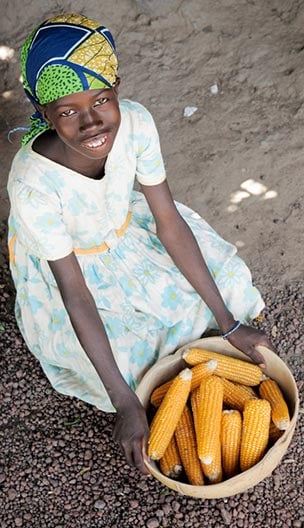
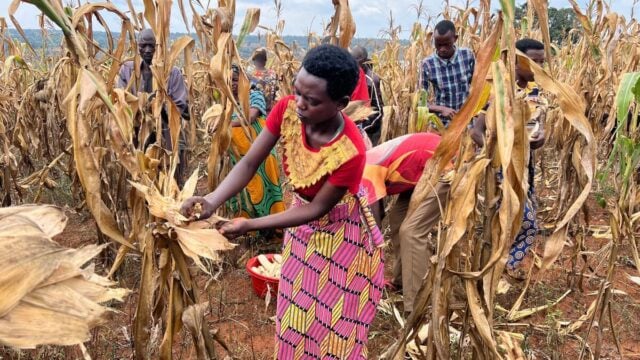
More than 80 percent of Malians work in agriculture, with the majority producing barely enough food to feed their own families. Rural families are large so they will have enough hands to farm. Many girls marry before the age of 18.

History

After several years of French rule and a brief unification with Senegal, Mali declared independence in June 1960. The army overthrew the government in a bloodless coup eight years later and started 23 years of military rule.

In 1991, Amadou Touré removed the dictator and led the peaceful transition to a multi-party democracy. Nomadic Tuareg rebels fought against the government in the early 1990s, accusing the administration of cultural marginalization.

The Malian government and Tauregs later signed a peace agreement that would start development and anti-poverty programs for the Tauregs. Mali has had several peaceful government elections since the start of the 21st century.

Prayer Requests for Mali

Please pray for:

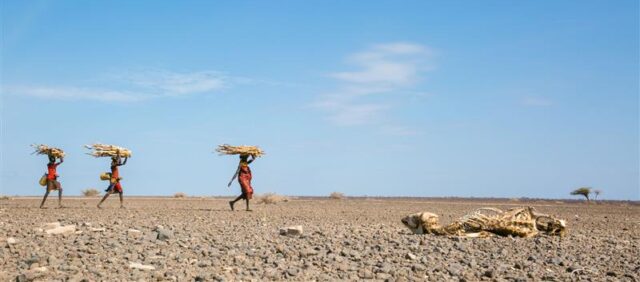
Enough rain so families will be able to grow enough food to eat.

People to have access to important services like healthcare and education.

Mali Facts

  • Mali ranked in the bottom five countries on the 2009 Human Development Index.
  • Less than a quarter of boys and girls attend secondary school, and the adult literacy rate is only 26 percent.
  • Rising food prices over the years have hurt the economy and the population's health.
  • About 30 percent of people are unemployed, and more than 35 percent live below the poverty line.
  • The World Food Programme estimates that about one-third of children under the age of 5 suffer from chronic malnourishment.

Child Sponsorship

Through sponsorship, World Vision is partnering with families and communities to help meet immediate needs and promote lasting changes that will strengthen communities and move families toward self-reliance.

Each year sponsors receive updates about their sponsored child and their community. Sponsors also learn about the child's continuing activities and new accomplishments so when they correspond with their child, they can encourage them in their education, hobbies and endeavors.

The commitment of World Vision sponsors helps provide children with love, hope, and opportunities for a healthy, productive future. May God bless sponsors as they make a lasting difference in the life of a special child.

Sponsor a child in Mali

Progress in

Thanks to the generous support of our sponsors, World Vision was able to work alongside communities to accomplish the
following in 2012.

Food and Agriculture

  • Trained farmers in improved farming methods to increase production, diversify crops, and better manage natural resources.
  • Distributed livestock to families to increase their access to nutritious food and provide income.

Water and Sanitation

  • Drilled borehole wells and installed pumps, improving access to clean drinking water.
  • Built handwashing stations to help reduce the incidence of Guinea worm, trachoma, and hygiene-related illnesses.

Education

  • Organized enrollment campaigns emphasizing the importance of education and encouraging parents to send their children to school.
  • Improved school facilities by constructing classrooms, offices, and latrines.
  • Constructed classrooms, school offices, and latrines, increasing school capacity.
 

Healthcare

  • Partnered with health agencies to immunize children against deadly diseases.
  • Distributed treated bed nets to children and pregnant women, helping prevent the spread of malaria.
  • Provided age-appropriate HIV and AIDS education for young people.
  • Taught caregivers about nutrition and showed them how to prepare healthy meals using locally available ingredients.