
Mauritania

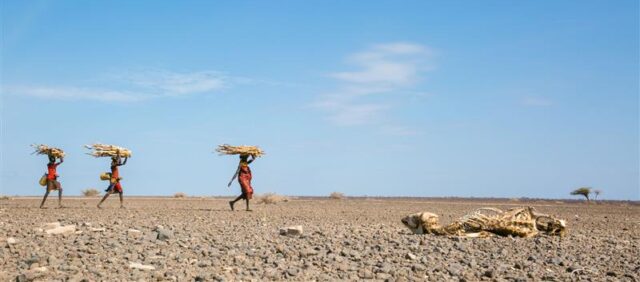
Mauritania is located in West Africa by the Atlantic Ocean. The hot, dry plains of the Sahara Desert cover most of the country, with a narrow fertile valley running along the southern border. This valley holds the country's only area of rich soil and vegetation.

  • Population
    3,460,000
  • Land mass
    397,955
  • Life Expectancy
    58 years
  • Literacy Rate
    57%
  • Access to Safe Water
    49%
  • Under Age 5 Mortality Rate
    111/1000
Mauritania Map

US Comparison to Mauritania

Mauritania United States
Population
3,460,000
307,000,000
Land Mass
397,955
3,794,083 sq miles
Life Expectancy
58 years
78 years
Infant Mortality
111/1000
7/1000
Literacy Rate
57%
97%
School Enrollment
76%
92%
Access to Safe Water
49%
100%
Average Annual Income
$1,060
$41,400

World Vision in Mauritania Today

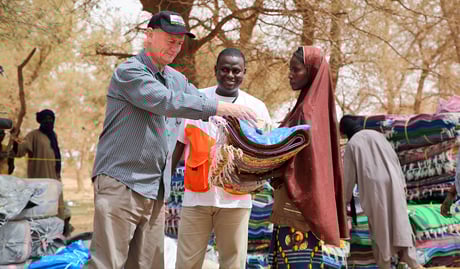
World Vision is committed to partnering with the people of Mauritania to improve their lives today and to help enact sustainable solutions for the future of their children, families, and communities. World Vision's child sponsorship program plays a vital role in this partnership, with donors from the United States sponsoring more than 5,900 girls and boys. In addition to sponsorship, World Vision operates other programs that benefit communities in Mauritania. Highlights include:

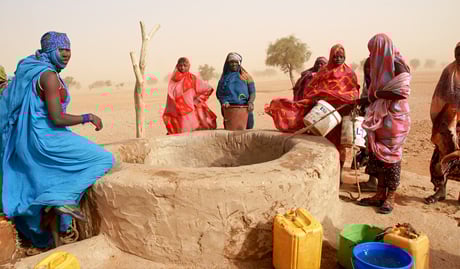
  • Providing access to safe and clean water, reducing the spread of cholera.
  • Increasing food security and reducing poverty.
  • Improving access to clinics and healthcare.
  • Building new school facilities to help children receive quality education.

World Vision History in Mauritania

World Vision responded to a drought in Mauritania in the 1970s which led to a drought response team being set up in 1983. Since then, some of World Vision’s major accomplishments have included:

  • Feeding millions of hungry Mauritanians in the 1980s and 1990s.
  • Educating women about nutrition and health issues and providing thousands of people with access to clean water during the 1990s.
  • Continuing drought relief efforts, supporting microloan endeavors, and raising HIV and AIDS awareness since the beginning of the 21st century.

Geography & People

Geography and people

Mauritania is located in West Africa by the Atlantic Ocean. The hot, dry plains of the Sahara Desert cover most of the country, with a narrow fertile valley running along the southern border. This valley holds the country’s only area of rich soil and vegetation.

Natural resources include iron ore, copper, phosphate, diamonds, gold, oil, and fish.

Most of the people in Mauritania live in the coastal cities of Nouakchott and Nouadhibou and along the Senegal River in the south. Arabic is the country’s official language, but Mauritanians also speak Pulaar, Soninké, Hassaniya, Wolof, and French.

Arab Moors make up about 30 percent of the population, Haratine (black) Moors comprise another 30 percent, and a mixture of the two groups accounts for the remaining 40 percent. Almost all Mauritanians are Muslim.

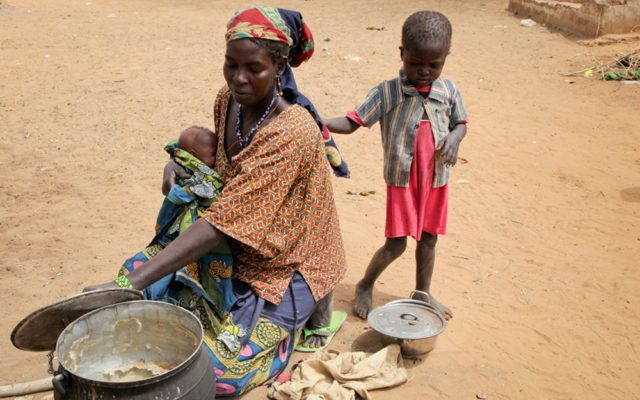
Since they can rarely afford meat or fruit, Mauritanians live on a simple starchy diet of couscous or rice. They are renowned for their kind hospitality; even the poorest host will serve houseguests small glasses of sweet mint tea.

History

Mauritania gained independence from France in November 1960 and was admitted to the United Nations a year later. After the Spanish left in 1975, Mauritania and Morocco divided the territory of Western Sahara.

After the overthrow of President Ould Daddah in 1978, Mauritania had a succession of military rulers. A year later, Mauritania withdrew from Western Sahara. In 1984, a new president took control of the government, relaxing Islamic law, fighting corruption, and instituting economic reforms.

The government prevented two coup attempts in 2003 and 2004, but military officers deposed the president in 2005. Mauritanians held their first democratic election in 2007. Despite a coup in 2008, democratic elections continue today.

Prayer Requests for Mauritania

Please pray for:

Families and children struggling with hunger.

Peace and stability to return to the country.

Mauritania Facts

  • A lessening demand for iron ore and unsuccessful oil projects continues to weaken Mauritania's economy. About 40 percent of people live below the poverty line, and at least 30 percent are unemployed.
  • Despite its history of repeated and prolonged droughts, Mauritania depends heavily on agriculture. Food insecurity and malnutrition are ongoing threats, especially for children.
  • Lack of clean water also affects children, who frequently suffer from diarrhea and malaria--especially in rural areas.

Child Sponsorship

Through sponsorship, World Vision is partnering with families and communities to help meet immediate needs and promote lasting changes that will strengthen communities and move families toward self-reliance.

Each year sponsors receive updates about their sponsored child and their community. Sponsors also learn about the child's continuing activities and new accomplishments so when they correspond with their child, they can encourage them in their education, hobbies and endeavors.

The commitment of World Vision sponsors helps provide children with love, hope, and opportunities for a healthy, productive future. May God bless sponsors as they make a lasting difference in the life of a special child.

Progress in

Thanks to the generous support of our sponsors, World Vision was able to work alongside communities to accomplish the
following in 2012.

Food and Agriculture

  • Trained farmers in agricultural techniques and supplied them with seeds.

Water and Sanitation

  • Drilled wells, built water towers, and connected villages to the water supply, in partnership with community members and municipal agencies.

Education

  • Enabled preschools to accommodate more children by providing desks and solar panels.
  • Worked with the education department to establish educational standards and monitor school quality.
  • Strengthened early childhood education by constructing a childcare center and training preschool teachers.
 

Child Rights

  • Organized campaigns and held workshops to raise community members' awareness of child rights.
  • Worked with community groups to advocate for the rights of people with disabilities.

Healthcare

  • Collaborated with health authorities to vaccinate and deworm children.
  • Distributed treated bed nets to help protect children and pregnant women from malaria.
  • Taught caregivers about nutrition and showed them how to prepare healthy meals using locally available food.
  • Facilitated mobile HIV testing clinics and held information sessions on HIV prevention.