
Mexico

Mexico, the world's most populous Spanish-speaking country, borders the United States, Guatemala, Belize, the Pacific Ocean, the Gulf of Mexico, and the Caribbean Sea. Mountains fill the center of the country while sandy lowlands lie along the coasts.

  • Population
    113,423,000
  • Land mass
    758,449
  • Life Expectancy
    77 years
  • Literacy Rate
    93%
  • Access to Safe Water
    94%
  • Under Age 5 Mortality Rate
    17/1000
Mexico Map

US Comparison to Mexico

Mexico United States
Population
113,423,000
307,000,000
Land Mass
758,449
3,794,083 sq miles
Life Expectancy
77 years
78 years
Infant Mortality
17/1000
7/1000
Literacy Rate
93%
97%
School Enrollment
100%
92%
Access to Safe Water
94%
100%
Average Annual Income
$9,330
$41,400

World Vision in Mexico Today

World Vision is committed to partnering with the people of Mexico to improve their lives today and to help enact sustainable solutions for the future of their children, families, and communities. World Vision's child sponsorship program plays a vital role in this partnership, with donors from the United States sponsoring more than 24,000 girls and boys. In addition to sponsorship, World Vision operates other programs that benefit communities in Mexico. Highlights include:

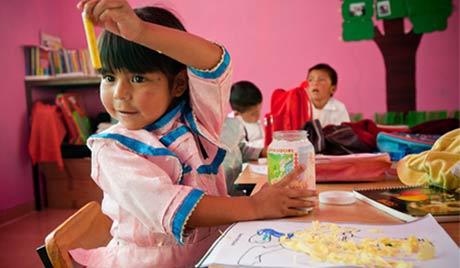
  • Increasing children's school experience by empowering students to extra courses in school and providing scholarships.
  • Helping children who live and work on the street with addiction rehabilitation, drug awareness education, and school enrollment assistance.
  • Improving well-being of households by helping families start their own farms or orchards.

World Vision History in Mexico

World Vision child sponsorship in Mexico dates back to 1963; the current office was opened in 1982. Since then, some of World Vision’s major accomplishments have included:

  • Drilling wells and offering vocational training for communities in the 1960s.
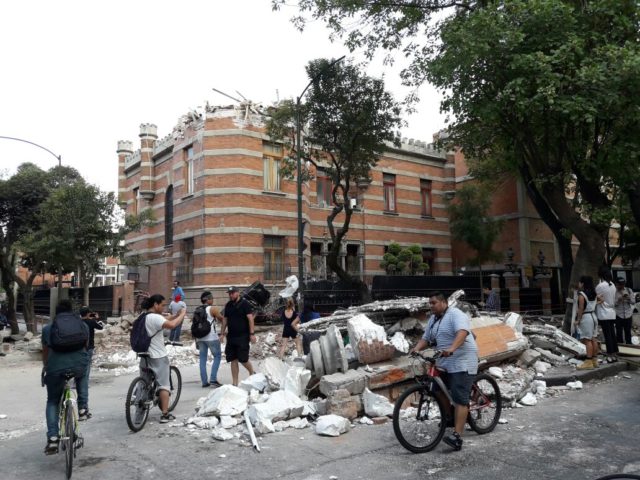
  • Increasing rural communities’ access to clean water and assisting people affected by an earthquake in the 1970s.
  • Providing children from disadvantaged families with daily meals, clothing, healthcare, and educational opportunities during the 1980s.
  • Supplying food, blankets, tarps, and shovels to people affected by flooding and mudslides, as well as helping survivors of major earthquakes during the '80s and '90s.
  • Helping children and families affected by Hurricane Marty rebuild their lives and houses in the beginning of the 21st century.

Geography & People

Geography and people

Mexico, the world’s most populous Spanish-speaking country, borders the United States, Guatemala, Belize, the Pacific Ocean, the Gulf of Mexico, and the Caribbean Sea. Mountains fill the center of the country while sandy lowlands lie along the coasts.

Natural resources include petroleum, natural gas, silver, gold, copper, lead, zinc, and timber.

Over half of the people living in Mexico are mestizo—a mixture of Amerindian and Spanish ancestry. Most Mexicans speak Spanish and consider Spanish as Mexico’s national language. They primarily use English in business and commerce as well as in border towns. Mexicans also speak regional dialects.

Mexico City, the capital and economic hub of the country, is the third largest metropolitan area in the world behind Tokyo and New York.

In Mexico, most families maintain strong ties to their community and live near aunts, uncles, and cousins. The young respect the elderly, and older relatives receive care from their children and grandchildren.

History

Mexico declared independence from Spain in 1810, but Spain did not recognize Mexican sovereignty until 1821 after over a decade of war.

After losing the territory of Texas in 1836, Mexico also lost the area that is now California, Nevada, Utah, Arizona, and New Mexico. In the mid-1800s, President Benito Juárez instituted economic reforms and championed equal rights for the nation’s indigenous people.

Following the decade-long Mexican Revolution (1910-1921), President Venustiano Carranza established a new constitution that still governs Mexico today. The rest of the 20th century brought economic fluctuations, a growing illicit drug trade, border immigration controversy with the United States, and insurgency in the southeastern state of Chiapas.

More economic and social concerns, such as unemployment and unequal income distribution, have occupied the government in recent years.

Prayer Requests for Mexico

Please pray for:

The safety of children and their families as they face drug violence every day.

Peace and stability within the government.

Mexico Facts

  • More than five percent of the Mexican workforce is unemployed, and more than 18 percent of the population lives below the poverty line.
  • Low wages and limited opportunities for progress have led to growing underemployment and an increased number of working children.
  • Violence from drug trafficking continues to rise, threatening the lives of thousands of people.
  • Despite free education, learning remains a challenge for many rural and urban children since parents must provide school supplies.

Child Sponsorship

Through sponsorship, World Vision is partnering with families and communities to help meet immediate needs and promote lasting changes that will strengthen communities and move families toward self-reliance.

Each year sponsors receive updates about their sponsored child and their community. Sponsors also learn about the child's continuing activities and new accomplishments so when they correspond with their child, they can encourage them in their education, hobbies and endeavors.

The commitment of World Vision sponsors helps provide children with love, hope, and opportunities for a healthy, productive future. May God bless sponsors as they make a lasting difference in the life of a special child.

Sponsor a child in Mexico

Progress in

Thanks to the generous support of our sponsors, World Vision was able to work alongside communities to accomplish the
following in 2012.

Food and Agriculture

  • Trained families in poultry breeding and vegetable gardening to improve access to nutritious food and increase household income.

Water and Sanitation

  • Partnered with communities to build water tanks and extend pipelines, increasing access to water and reducing the prevalence of waterborne illness.
  • Taught community members how to construct and maintain latrines, building their capacity to maintain environmental sanitation.

Education

  • Worked with the community to build and equip community centers, where children gather for educational and recreational activities.
  • Helped children with disabilities receive education by training parents and teachers in special-needs education and facilitating therapeutic care.
  • Provided scholarships to help children and young adults continue their studies.
  • Trained educational mentors to provide academic support and tutoring for students.
  • Organized sporting events and cultural activities to develop children’s talents and teach them positive life skills.
 

Emergency Response

  • Provided food to families affected by floods.
  • Established Child-Friendly Spaces—safe places for children to recover from stress caused by severe flooding in their neighborhoods.

Economic Opportunities

  • Provided vocational training and business classes for community members, increasing their economic opportunities.

Child Rights

  • Organized advocacy events and trained child welfare advocates to help bring healing to families afflicted by violence against women and children.
  • Formed children’s groups to teach children about their rights and give them opportunities to express their ideas about issues that affect their lives.
  • Held parenting workshops to strengthen family relationships and promote child rights.
 

Birthday Celebration

  • Children participated in a party and received gifts such as blankets, toys, and pencils.

Healthcare

  • Worked with local organizations to provide medical, dental, and vision checkups for children, and helped sick children access medical treatment.
  • Operated soup kitchens to provide nutritious meals for children.
  • Raised community members' awareness of HIV and AIDS through information sessions and prevention campaigns.
  • Provided psychological support for children distressed by violence in the region.
  • Distributed building materials to families to help them improve their living conditions.
  • Held workshops to teach caregivers about nutrition and meal preparation, working to reduce malnutrition among children.
  • Distributed clean-burning stoves to families to reduce the prevalence of respiratory illness among children caused by unhealthy cooking practices.

Christian Commitment

  • Worked with local churches to develop Sunday school programs, improving opportunities for children to learn about God's Word.