
Sierra Leone
Geography and people Sierra Leone lies on Africa’s Atlantic coast between Guinea and Liberia. The landscape includes eastern mountains, an upland plateau, wooded hills, and coastal mangrove swamps. A rainy season runs from May to November and a dry season runs from December to April.
Population
5,868,000
Land mass
27,699
Life Expectancy
47 years
Literacy Rate
41%
Access to Safe Water
49%
Under Age 5 Mortality Rate
174/1000
School Enrollment
69%
Average Annual Income
(GNI)
340
View US
comparison chart >

US Comparison to Sierra Leone
Sierra Leone United States |
|---|
Population 5,868,000 307,000,000 |
Land Mass 27,699 3,794,083 sq miles |
Life Expectancy 47 years 78 years |
Infant Mortality 174/1000 7/1000 |
Literacy Rate 41% 97% |
School Enrollment 69% 92% |
Access to Safe Water 49% 100% |
Average Annual Income $340 $41,400 |
World Vision in Sierra Leone Today
World Vision is committed to partnering with the people of Sierra Leone to improve their lives today and to help enact sustainable solutions for the future of their children, families, and communities. World Vision’s child sponsorship program plays a vital role in this partnership, with donors from the United States sponsoring more than 5,100 girls and boys. In addition to sponsorship, World Vision operates other programs that benefit communities in Sierra Leone. Highlights include:
World Vision History in Sierra Leone
World Vision provided a one-time grant for rice production to the northern region of Sierra Leone in 1978, but began significant work within the country during a 1996 lull in the country’s bloody civil war. Since then, some of World Vision’s major accomplishments have included:
- Assisting people affected by civil war and improving agriculture, health, and child protection during the 1990s.
- Helping displaced people resettle and rebuild their homes, providing seeds, hoes, and other farming equipment and offering agricultural training since 2001.
- Providing youth training and assistance to more than 80,000 youths affected by civil war.
Geography & People
Geography and people
Sierra Leone lies on Africa’s Atlantic coast between Guinea and Liberia. The landscape includes eastern mountains, an upland plateau, wooded hills, and coastal mangrove swamps. A rainy season runs from May to November and a dry season runs from December to April.
Natural resources include diamonds, titanium, bauxite, iron, and gold.
Nine out of 10 people are descendants of tribes native to Africa. The remaining 10 percent are descendants of freed slaves, called Creoles. English is the official language, but it is limited to the educated minority.
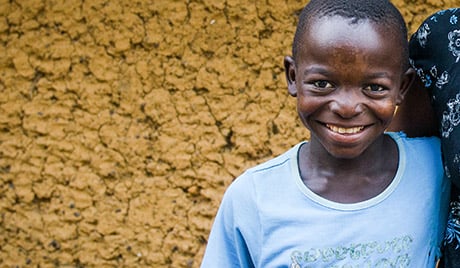
Most of the population lives in rural farming communities. Dwellings are usually mud huts with dirt floors and thatched roofs.
The banned trade of “conflict diamonds” has contributed heavily to Sierra Leone’s status as one of the least developed countries in the world. Conflict diamonds are diamonds sold to fund human rights abuses, either by insurgent groups or corrupt governments.
History
During the 18th and 19th centuries, runaway slaves and blacks discharged from the British armed forces settled in Sierra Leone’s capital of Freetown.
Sierra Leone gained independence from the United Kingdom in 1961 and became a republic on April 19, 1971.
Amid pressure from the United Nations, a 10-year civil war between the government and the Revolutionary United Front ended in 2002. The war claimed an estimated 50,000 lives and displaced more than 2 million people.
In June 2007, a U.N.-backed court convicted three former rebel leaders of crimes against humanity—including enlisting child soldiers. This court was the first time an international tribunal ruled on the recruitment of children under age 15 as soldiers.
Prayer Requests for Sierra Leone
Please pray for:
Adults and children who are vulnerable to many sicknesses like malaria, tuberculosis, and pneumonia.
Economic growth and social development to continue so families can lift themselves out of poverty.
Sierra Leone Facts
- Ranked 180th out of 182 countries on the Human Development Index, Sierra Leone is one of the world's poorest countries. More than 70 percent of the population lives below the poverty line.
- Health is a primary concern in Sierra Leone. The World Food Program estimates that about 40 percent of children under the age of 5 suffer from chronic malnourishment.
- At least 55,000 people are living with HIV and AIDS and thousands of children have lost one or both parents to the disease.
Child Sponsorship
Through sponsorship, World Vision is partnering with families and communities to help meet immediate needs and promote lasting changes that will strengthen communities and move families toward self-reliance.
Each year sponsors receive updates about their sponsored child and their community. Sponsors also learn about the child's continuing activities and new accomplishments so when they correspond with their child, they can encourage them in their education, hobbies and endeavors.
The commitment of World Vision sponsors helps provide children with love, hope, and opportunities for a healthy, productive future. May God bless sponsors as they make a lasting difference in the life of a special child.
Progress in
Thanks to the generous support of our sponsors, World Vision was able
to work alongside communities to accomplish the
following in 2012.

Water and Sanitation
- Partnered with communities to build and renovate hand-pumped water wells, increasing access to clean water.

Education
- Provided schools with teaching materials to enhance the quality of education.
- Trained school management committees to monitor educational programs and improve school performance.
- Strengthened the quality of education through training and professional development for teachers and other education workers.
- Helped orphans and vulnerable children attend school by providing them with school supplies and uniforms.

Child Rights
- Continued to raise awareness of child rights through community meetings and events such as the celebration of African Child Day.

Healthcare
- Partnered with the local health department to immunize and deworm children.
- Distributed treated bed nets to help control the spread of malaria among children and pregnant women.
- Worked to reduce malnutrition in children under age 5 by training caregivers in nutrition, treatment of diarrhea, and the importance of breastfeeding.
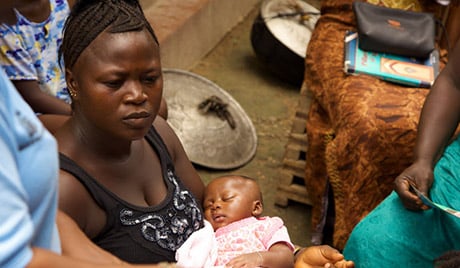
- Trained birth attendants in safe childbirth practices and provided health clinics with newborn care kits to reduce infant mortality.
- Monitored children's health and helped sick and malnourished children access medical treatment.

Christian Commitment
- Held camps and retreats to provide spiritual nurture for children.
Sierra Leone
United States