
South Sudan

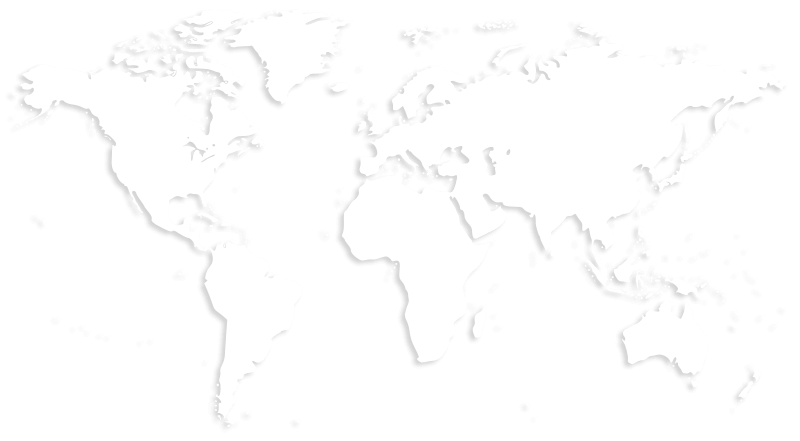
Located in eastern Africa, South Sudan is slightly smaller than Texas, and situated south of Sudan, north of Uganda and Kenya, and west of Ethiopia.The White Nile, flowing north out of the uplands of Central Africa, is the major geographic feature of the country, supporting agriculture and extensive wild animal populations.

  • Population
    10,625,000
  • Land mass
    248,777
  • Life Expectancy
    49 years
  • Literacy Rate
    27%
  • Access to Safe Water
    27%
  • Under Age 5 Mortality Rate
    135/1000
South Sudan Map

US Comparison to South Sudan

South Sudan United States
Population
10,625,000
307,000,000
Land Mass
248,777
3,794,083 sq miles
Life Expectancy
49 years
78 years
Infant Mortality
135/1000
7/1000
Literacy Rate
27%
97%
School Enrollment
48%
92%
Access to Safe Water
27%
100%
Average Annual Income
$
$41,400

World Vision in South Sudan Today

World Vision is committed to partnering with the people of South Sudan to improve their lives today and to help enact sustainable solutions for the future of their children, families, and communities. Highlights of current programs include:

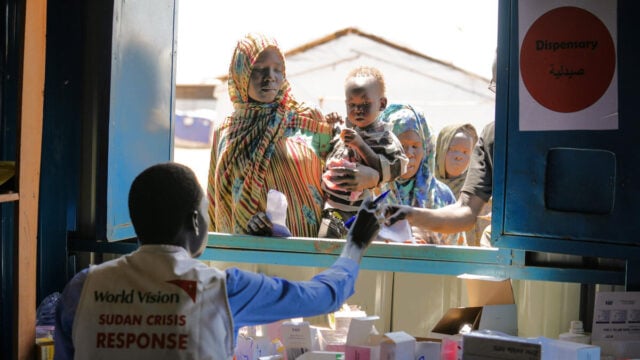
  • Providing health services to 1.3 million in South Sudan
  • Protecting the vulnerable through support for long-term psychological and emotional recovery for 145,000 people in South Sudan
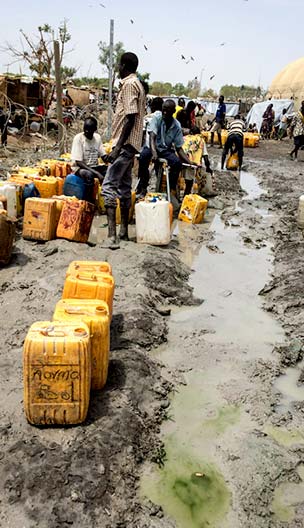
  • Increasing access to clean water, and improving sanitation facilities for better health
  • With the World Food Program, providing food resources to support recovery and development activities across South Sudan
  • Providing items like tents, blankets, and medical kits, to internally displaced persons and others affected by natural disasters and local tensions across South Sudan
  • Supporting local peace initiatives and humanitarian protection of the most vulnerable community members through programs that help them re-enter the community
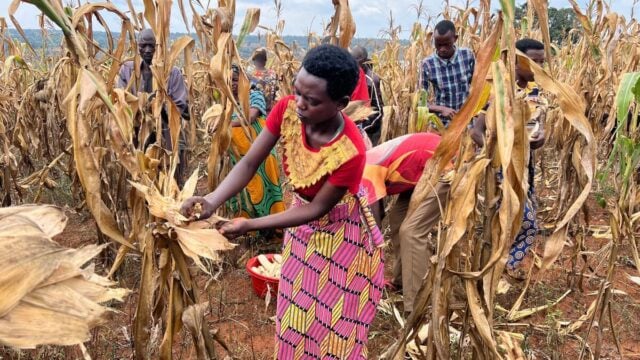
  • Supporting the production of essential food crops to strengthen livelihoods of both returning displaced persons, and their host communities

World Vision History in South Sudan

World Vision assistance to Sudan dates back to 1972. Since then, some major accomplishments include:

  • Distributing blankets, grain, cooking oil, medical kits, and shelter to more than 50,000 people affected by civil war and drought during the 1980s
  • Helping communities through improved farming techniques and literacy education in the 1980s
  • Improving access to healthcare, clean water, and small business training, as well as continuing relief efforts, in southern Sudan during the 1990s and into the beginning of the 21st century

Geography & People

Geography and people

Located in eastern Africa, South Sudan is slightly smaller than Texas, and situated south of Sudan, north of Uganda and Kenya, and west of Ethiopia.The White Nile, flowing north out of the uplands of Central Africa, is the major geographic feature of the country, supporting agriculture and extensive wild animal populations.

Natural resources include hydropower, fertile agricultural land, gold, diamonds, petroleum, hardwoods, limestone, iron ore, copper, chromium ore, zinc, tungsten, mica, and silver.

Ethnic groups in South Sudan include Dinka, Kakwa, Bari, Azande, Shilluk, Kuku, Murle, Mandari, Didinga, Ndogo, Bviri, Lndi, Anuak, Bongo, Lango, Dungotona, and Acholi.

English and Arabic are the official languages, although people also speak a variety of African languages. The country is inhabited by mostly Christians of African descent.

Industry and infrastructure in landlocked South Sudan are severely underdeveloped, and poverty is widespread following several decades of civil war with the north. Subsistence agriculture provides a living for the vast majority of the population.

Despite these disadvantages, South Sudan does have abundant natural resources. South Sudan produces nearly three-fourths of the former Sudan's total oil output of nearly a half million barrels per day. The government of South Sudan derives nearly 98 percent of its budget revenues from oil.


History

Sudan gained independence from Britain in 1953 and established a democratic government in 1956. The military seized control of the government in 1958.

Two civil wars lasted through most of the 20th century. The conflict was partially driven by religious and ethnic disputes between Arabs in the north and Africans in the south.

The first war lasted until 1972, with the second one starting in 1983. The second war displaced about 4 million Sudanese and killed at least 2 million over 20 years. After two years of peace talks starting in 2002, the north and south signed a peace agreement.

In January 2011, South Sudan voted to secede from north Sudan. South Sudan became an independent state on July 9, 2011. Despite some reports of violence, the international community declared the vote to have been fair and mostly peaceful.

Prayer Requests for South Sudan

Please pray for:

South Sudan Facts

  • After years of civil war, millions of South Sudanese still struggle with food insecurity and poverty.
  • About 51 percent of the population lives below the poverty line.
  • Only about 48 percent of children are enrolled in primary school; the percentage of children entering secondary school is even lower. The level of child enrollment in South Sudan is the second lowest in the world, after Afghanistan.
  • More than 250,000 people are living with HIV or AIDS.
  • The mortality rate for children under age 5 is 135 per 1,000 live births. Malaria, acute respiratory infections, and diarrheal diseases, combined with malnutrition, are the leading causes of death among children under 5.

Child Sponsorship

Through sponsorship, World Vision is partnering with families and communities to help meet immediate needs and promote lasting changes that will strengthen communities and move families toward self-reliance.

Each year sponsors receive updates about their sponsored child and their community. Sponsors also learn about the child's continuing activities and new accomplishments so when they correspond with their child, they can encourage them in their education, hobbies and endeavors.

The commitment of World Vision sponsors helps provide children with love, hope, and opportunities for a healthy, productive future. May God bless sponsors as they make a lasting difference in the life of a special child.