
Zimbabwe

Located in southeastern Africa, Zimbabwe is a landlocked country bordered by Botswana, Mozambique, Zambia, and South Africa.

  • Population
    12,571,000
  • Land mass
    150,872
  • Life Expectancy
    50 years
  • Literacy Rate
    92%
  • Access to Safe Water
    82%
  • Under Age 5 Mortality Rate
    80/1000
Zimbabwe Map

US Comparison to Zimbabwe

Zimbabwe United States
Population
12,571,000
307,000,000
Land Mass
150,872
3,794,083 sq miles
Life Expectancy
50 years
78 years
Infant Mortality
80/1000
7/1000
Literacy Rate
92%
97%
School Enrollment
90%
92%
Access to Safe Water
82%
100%
Average Annual Income
$460
$41,400

World Vision in Zimbabwe Today

World Vision is committed to partnering with the people of Zimbabwe to improve their lives today and to help enact sustainable solutions for the future of their children, families, and communities. World Vision’s child sponsorship program plays a vital role in this partnership, with donors from the United States sponsoring more than 23,000 girls and boys. In addition to sponsorship, World Vision operates other programs that benefit communities in Zimbabwe. Highlights include:

  • Improving children's health by facilitating the imminuzation of 4,496,408 children against measles.
  • Protecting residents against waterborne illnesses by facilitating a cholera response in several communities
  • Increasing the accessibility and utilization of food through food distributions and training.

World Vision History in Zimbabwe

World Vision’s efforts in Zimbabwe began in 1973 with the sponsorship of 71 children; since then, some of World Vision’s major accomplishments have included:

  • Establishing nutritional programs to educate mothers of malnourished children about nutritious diets in the 1970s.
  • Providing food, medicine, blankets, seeds, and additional assistance to victims of severe drought during the 1970s and Mozambican refuges in the 1980s.
  • Assisting 60,000 people by constructing improved water systems and offering hygiene education during the 1990s.
  • Focusing on agricultural development, loan programs for Zimbabwean entrepreneurs, HIV and AIDS education, and flood relief since the beginning of the 21st century.

Geography & People

Geography and people

Located in southeastern Africa, Zimbabwe is a landlocked country bordered by Botswana, Mozambique, Zambia, and South Africa.

Zimbabwe is home to vibrant wildlife and varied landscapes. Plateaus and grasslands make up most of the terrain, along with mountains to the east and the Zambezi River to the north. The world’s highest waterfall, Victoria Falls, plunges nearly one mile into the Zambezi River.

The country’s natural resources include coal, gold, nickel, copper, iron ore, lithium, tin, and platinum.

English is the official language, but Zimbabweans speak many other dialects as well.

History

Formerly the British colony of Southern Rhodesia, Zimbabwe gained independence in 1980.

Robert Mugabe won presidential elections in 1980 and has stayed in power ever since. In 2000, Mugabe redistributed white-owned farmlands to blacks—a move that slowed the economy and caused shortages of goods.

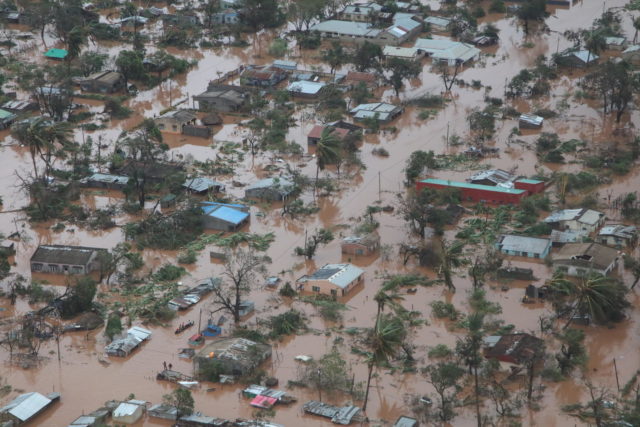
Massive flooding hit northern Zimbabwe in late 2007, displacing more than 1,250 people.

Elections in March 2008 were filled with controversy over the delayed results. After a run-off election in June and negotiations that lasted until February 2009, Mugabe remained in power and his opponent became prime minister.

A devastating cholera epidemic hit Zimbabwe in 2010, causing more than 1,000 deaths and counting and infecting thousands more people.

Prayer Requests for Zimbabwe

Please pray for:

The protection and care of vulnerable children.

Stability in the country’s politics and continued economic recovery.

Zimbabwe Facts

  • After the land redistribution in 2000, agricultural exports sharply declined, causing hyperinflation and severe fuel and commodity shortages. By July 2008, inflation ballooned to more than 200 million percent. The government's removal of the Zimbabwe dollar and price controls in 2009 has helped the economy begin recovery.
  • Poor agricultural policies, the declining economy, and high unemployment have all contributed to the country's ailing health-care system. Zimbabwe has the eighth lowest life expectancy in the world--only 44 years--as of 2009. More than one million people are living with AIDS and more than one million children have lost one or both parents to AIDS.

Child Sponsorship

Through sponsorship, World Vision is partnering with families and communities to help meet immediate needs and promote lasting changes that will strengthen communities and move families toward self-reliance.

Each year sponsors receive updates about their sponsored child and their community. Sponsors also learn about the child's continuing activities and new accomplishments so when they correspond with their child, they can encourage them in their education, hobbies and endeavors.

The commitment of World Vision sponsors helps provide children with love, hope, and opportunities for a healthy, productive future. May God bless sponsors as they make a lasting difference in the life of a special child.

Sponsor a child in Zimbabwe

Progress in Zimbabwe

Thanks to the generous support of our sponsors, World Vision was able to work alongside communities to accomplish the
following in 2012.

Food and Agriculture

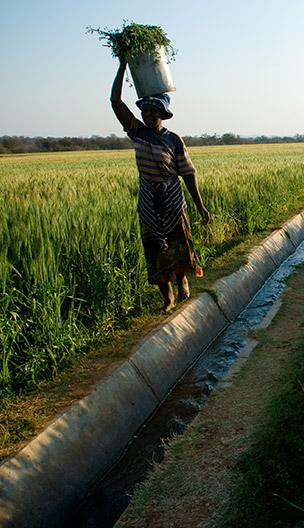
  • Distributed livestock and vegetable seeds to families, increasing the supply of nutritious food and providing a source of income.
  • Taught farmers how to grow drought-tolerant grains, increasing food security and helping families survive the dry season without relying on food aid.

HIV and AIDS

  • Established community care coalitions to care for orphans and vulnerable children, and people living with HIV and AIDS.
  • Provided age-appropriate HIV and AIDS education for children.
  • Involved church leaders in Channels of Hope, a program that equips community groups to respond to the AIDS crisis.

Water and Sanitation

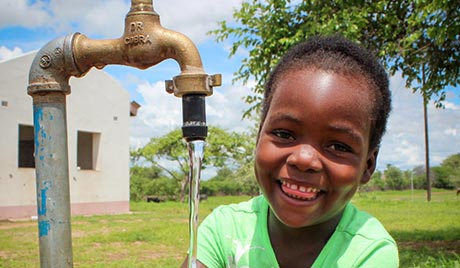
  • Repaired and drilled borehole wells, improving access to clean drinking water.
  • Constructed school and household latrines to improve sanitation and reduce the spread of disease.
 

Education

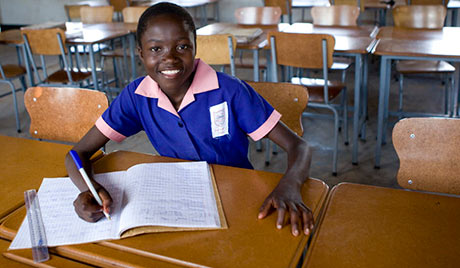
  • Strengthened the quality of education by training teachers in curriculum development and improved teaching methods.
  • Worked with the community to build classrooms and renovate schools, providing safe, comfortable learning spaces for children.

Child Rights

  • Partnered with the local police and other organizations to raise awareness of child rights and establish child protection committees.
  • Partnered with the local police and other organizations to raise awareness of child rights and establish child protection committees.

Healthcare

  • Helped control the spread of malaria by distributing treated bed nets to children and pregnant women.
  • Offered nutritional training to mothers to help improve children's health.