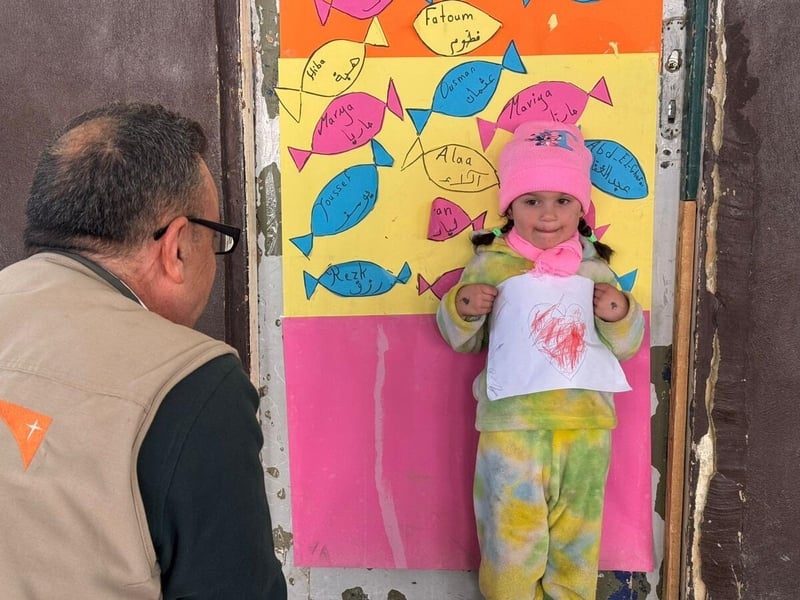
Across Lebanon, communities continue to face insecurity, displacement, and humanitarian needs. Since early March 2026, renewed violence has affected multiple areas of the country, including Beirut’s southern suburbs, the Bekaa Valley, and South Lebanon.
Children are bearing the heaviest impact. More than 2,000 people have been killed, including women and children, and over 1 million people have been forced from their homes as evacuation orders have expanded across South Lebanon, Beirut, Mount Lebanon, and the Bekaa Valley.
Lebanon conflict: Facts, FAQs, and how to help
- Fast facts: Lebanon crisis
- What is happening in Lebanon right now?
- Who is affected by the crisis in Lebanon?
- How are children being affected by the crisis in Lebanon?
- Which areas of Lebanon are impacted?
- How many people have been killed in Lebanon?
- How is World Vision responding to the crisis in Lebanon?
- How can I help people affected by the conflict?
Fast facts: Lebanon crisis
- More than 1 million people, including an estimated 390,000 children, have been displaced within Lebanon, according to UNICEF reports.
- Approximately 2,000 people have been killed, including over 250 women and 166 children.
- More than 4 million people need humanitarian assistance across Lebanon.
- Over 80% of Lebanon’s population lives in multidimensional poverty, struggling to access basic needs.
- In some areas of Lebanon, half of the children under 2 are experiencing severe food poverty.
- Damage to homes, schools, healthcare facilities, roads, and water systems continues to challenge daily life.
- Children face increased risks of hunger, disrupted education, emotional distress, and exploitation.
- Humanitarian access remains constrained, limiting aid delivery.
-
World Vision has three child sponsorship area programs impacted by the conflict.
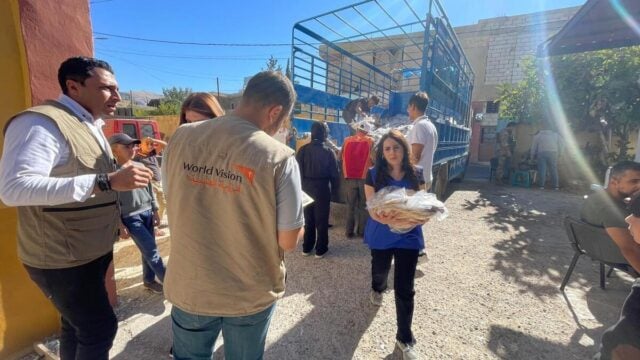
- World Vision is continuing to respond by delivering food, hygiene kits, blankets, and other essential support to families staying in collective shelters.
What is happening in Lebanon right now?
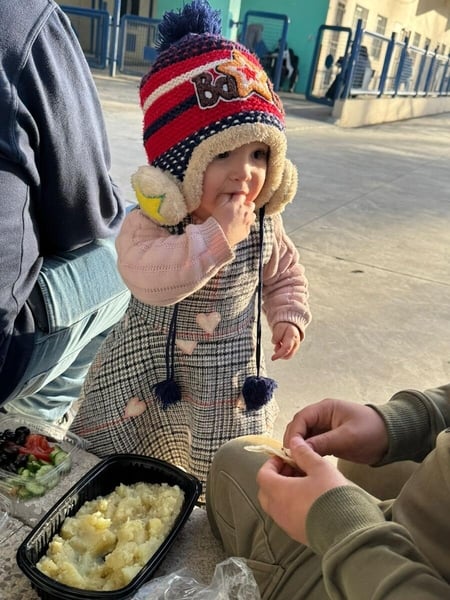
Since the renewed escalation in early March 2026, families have experienced displacement as insecurity spread across parts of South Lebanon, the Bekaa Valley, and Beirut’s southern suburbs.
Damage to homes, schools, roads, and water infrastructure has resulted in limited access to essential services and left many families struggling to meet basic needs. While some people have started to return home, many communities are recovering from extensive damage and ongoing humanitarian challenges. Among the challenges:
- Humanitarian access remains constrained, making it difficult to reach the most vulnerable populations.
- Families are crowded into shelters or seeking safety wherever they can find it.
- Access to health care and other essential services has been disrupted.
- People face economic pressure as they try to recover, especially when homes and businesses have been damaged or when displacement has prevented people from working.
View this post on Instagram
Who is affected by the crisis in Lebanon?
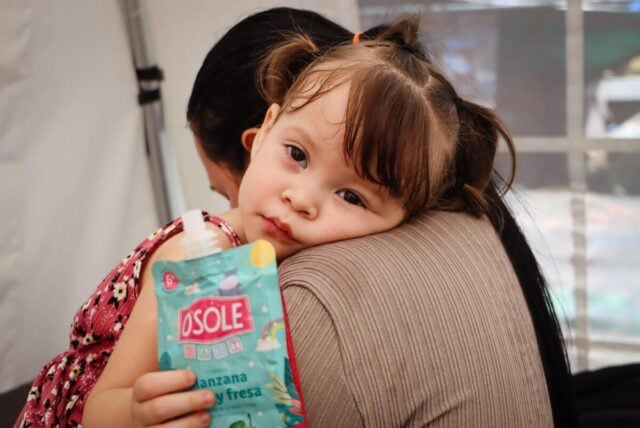
More than 1 million people have been displaced by the conflict. Among them, children are among the most affected. Women, older adults, refugees from the Syrian conflict, people with disabilities, and families already struggling with poverty face added barriers to accessing food, healthcare, education, and other essential services.
“There aren’t enough shelters to house all of the displaced,” says Heidi Diedrich, World Vision’s national director in Lebanon. “ …The shelters are almost full. … The pace of displacement is far more dramatic than the response can address.”
How are children being affected by the crisis?
Children in Lebanon were already living with high levels of poverty and food insecurity. In some regions of Lebanon, more than half of children under 2 face severe food poverty. Nationally, nearly one-third of children had only one meal or none the previous day, even before the escalation of violence.
The conflict is deepening these vulnerabilities for children, disrupting access to food, healthcare, education, and protection services.
World Vision operates three affected area programs in Lebanon, supporting thousands of children. Early assessments showed one-third of the registered children have been displaced, with many families living outside formal shelters.
Sponsorship activities in impacted areas have been realigned so staff can prioritize urgent humanitarian needs for children and families.
Which areas of Lebanon are impacted?
The humanitarian crisis has impacted communities across the country, including areas of the South, the capital of Beirut, and the Bekaa Valley in the east.
Urban and previously less-impacted areas have been most affected, including central Beirut, along with other neighborhoods such as Haret Saida, Tyre, Aramoun, and Ramlet El Bayda.
Families have experienced multiple displacements as conditions have changed, making recovery and rebuilding difficult.
Some families in Beirut are also still dealing with the long-term effects of the 2020 Beirut port explosion, including the loss of homes, livelihoods, and community infrastructure. For these families, renewed violence and displacement can intensify challenges they have already faced during years of recovery.
How many people have been killed in Lebanon?
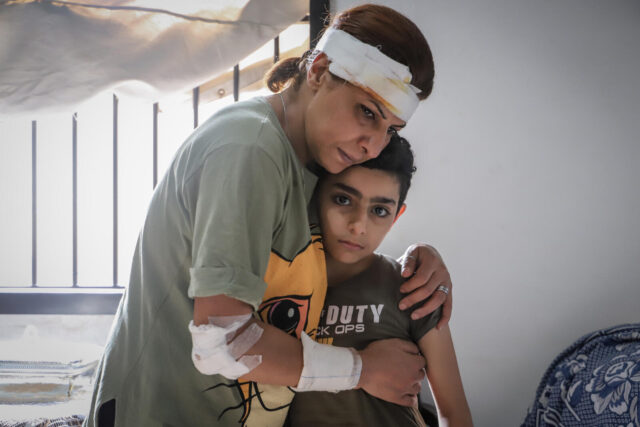
Since March 2, 2026, more than 2,000 people have died, including 166 children, and more than 6,500 people have been injured.
UNICEF estimates that an average of 10 children are killed each day during the escalation. The human cost of this conflict is profound. Two children enrolled in World Vision’s sponsorship program were killed while their families were fleeing airstrikes, a heartbreaking reminder that behind every casualty number is a child, a family forever changed.
Emergency responders have also been affected, including the deaths of 14 paramedics and one member of the Lebanese Red Cross, underscoring the risks faced by humanitarian personnel.
How is World Vision responding to the crisis?
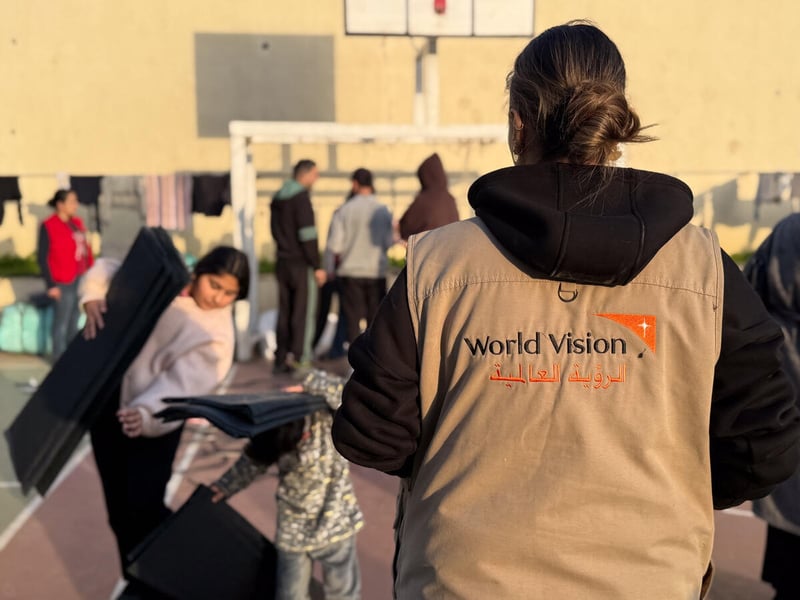
Among the first humanitarian responders, World Vision’s staff in Lebanon reached approximately 6,000 people within hours of escalation.
Working through 22 trusted local partners, World Vision is providing:
- Hot meals and ready-to-eat food
- Hygiene kits, mattresses, and blankets
- Water and other essential relief items
- Psychological first aid for children, families, and caregivers
- Child protection services
- Educational support for displaced children
View this post on Instagram
“Our teams have been working around the clock,” says Heidi Diedrich, World Vision’s national director in Lebanon. “With World Vision, as a child-focused organization, the first thing we do is focus on the wellbeing of the child and what we must do to ensure their protection.”
Our commitment to the communities we serve extends beyond meeting immediate needs. As families begin returning home and communities recover, World Vision will continue supporting children through education, child protection, and more.
View this post on Instagram
How can I help people affected by the conflict?
We remain steadfast in our commitment to children across the Middle East and beyond and invite you to partner with us in our work.
Please join us in praying for:
- Access to food, clean water, and healthcare
- Safety and strength for humanitarian aid workers
- Protection of children and displaced families
- Peace and stability across the region
You can also give a gift today to help World Vision’s global disaster response work in Lebanon and other areas impacted by disasters.
Kristy J. O’Hara-Glaspie from World Vision U.S. contributed to this report.