Global poverty affects hundreds of millions of children and families who struggle to access food, clean water, healthcare, safe housing, and education. According to the World Bank, an estimated 824 million people — 1 in 10 people globally — were living in extreme poverty in 2024, surviving on less than $3 per day.
Children bear a disproportionate share of this burden. Although children represent about 30% of the global population, they account for more than half of all people living in extreme poverty — an estimated 412 million children, or 1 in 5 children worldwide, according to World Bank 2024 research. The consequences reach far beyond income, affecting children’s nutrition, health, education, safety, and opportunities throughout their lives.
Conflicts, economic hardship, and extreme weather events can create setbacks to meeting the United Nations’ Sustainable Development Goal of eliminating poverty in all its forms by 2030.
Yet, World Vision believes meaningful progress is still possible, even in the world’s most unstable and hard-to-reach places. We partner with communities to identify and target root causes of poverty, implement sustainable solutions, and empower people to drive lasting change.
Our work is motivated by the conviction that God desires all people to experience life in all its fullness (John 10:10). Ultimately, we believe that poverty is both physical and spiritual. It’s rooted in broken relationships with God, self, others, and the rest of creation. The cycle of poverty ends when these relationships are restored.
Global poverty: Facts, FAQs, and how to help end it
- Fast facts: Global poverty
- What is poverty?
- What is extreme poverty?
- What is multidimensional poverty?
- How many children live in poverty?
- How is poverty measured?
- What is a poverty line?
- Is the poverty line the same in every country?
- What are the main causes of poverty?
- What is the cycle of poverty?
- How do conflict and extreme weather contribute to poverty?
- How can we break the cycle of extreme poverty?
- How is World Vision helping end extreme poverty?
- How can I help end extreme poverty?
Fast facts: Global poverty
-
An estimated 824 million people worldwide were living in extreme poverty in 2024, surviving on less than $3 per person per day, according to the World Bank.
- Approximately 412 million children (about 1 in 5) live on less than $3 a day.
- Children make up more than half of all people living in extreme poverty globally, even though they represent only about 30% of the world’s population.
- Child poverty is increasingly concentrated in sub-Saharan Africa and fragile and conflict-affected places.
-
Approximately 616 million people in sub-Saharan Africa, or 51.4% of its population, experience multidimensional poverty.
- More than 8 in 10 people experiencing multidimensional poverty live in rural areas.
- In the United States, 34.5 million people lived below the official poverty line in 2025, representing 10.2% of the population, according to the U.S. Census Bureau.
-
Approximately 37% of people over 15 who live in low-income countries are illiterate.
Learn what the Bible says about poverty.
What is poverty?
Poverty is a condition in which people lack access to essential resources and opportunities needed to meet basic needs and live healthy, secure, and dignified lives. Historically, poverty has been defined based on a person’s income and how much they can buy (monetary poverty). However, poverty can also be assessed using multidimensional measures that consider holistic factors impacting people’s quality of life.
What is extreme poverty?
Extreme poverty is the most severe form of poverty. The World Bank defines it as living on less than $3 per person per day, an income that makes it extremely difficult to meet basic needs such as food, clean water, safe shelter, and clothing. By comparison, the World Bank uses higher poverty benchmarks of $4.20 and $8.30 per person per day for lower- and upper-middle-income economies.
But poverty is about more than income. At World Vision, we see the children and families we work with as made in God’s image, with unlimited potential. The Church has an important role to play in addressing the root causes of poverty and helping families build a path toward a better future.
What is multidimensional poverty?
Multidimensional poverty refers to a broader understanding of poverty that goes beyond income. It considers various factors such as access to education, healthcare, clean water, and sanitation. These factors also deeply affect children.
Children living in poverty often face obstacles to accessing quality education, which can perpetuate the cycle of poverty from one generation to the next. Improper nutrition resulting from poverty can cause stunting and wasting, permanently impacting children’s development. Lack of access to clean water and sanitation in impoverished regions can lead to the spread of preventable diseases and unnecessary deaths, especially among children.
The Global Multidimensional Poverty Index, developed in 2010 by the U.N. Development Programme and the Oxford Poverty and Human Development Initiative, offers a comprehensive framework for assessing poverty. This index evaluates people across 10 key indicators, including nutrition, child mortality, years of schooling, school attendance, cooking fuel, sanitation, drinking water, electricity, housing, and assets. If a person lacks access to three or more of these standards, they’re identified as multidimensionally poor. The index offers insights into specific interventions needed to address poverty effectively in each country.
How many children live in poverty?
Approximately 412 million children (about 1 in 5) live on less than $3 per day. Children make up more than half of all people living in extreme poverty globally, even though they represent only about 30% of the world’s population.
Child poverty is increasingly concentrated in sub-Saharan Africa and fragile and conflict-affected places.
How is poverty measured?
Poverty is measured by each country’s government, which gathers data through household surveys of its population. While entities like the World Bank may provide support and conduct their own surveys, the primary responsibility lies with each country. However, traditional data collection methods can be slow and time-consuming. To overcome this, high-frequency surveys are using estimates and mobile phone technology to quickly gather data and provide insights.
What is a poverty line?
A poverty line, also called a poverty threshold, is a set income level below which it becomes difficult, if not impossible, for people to afford essentials like food and shelter. Each country determines its poverty line by calculating the cost of meeting minimum needs. Households with incomes below this line are considered to be living in poverty.
The international poverty line serves as a standard for measuring extreme global poverty and has been updated in recent years to $3.00 a day from $1 a day in 1990 to reflect the rising cost of living and adjust for inflation.
Is the poverty line the same in every country?
No, countries calculate their poverty lines based on their unique economic and social circumstances.
For example, the poverty line in the United States is determined based on data from the U.S. Census Bureau and is updated using the Consumer Price Index to reflect recent price changes. As of 2026, the poverty line stands at $33,000 (annual income) for a family of four, and $15,960 for one person.
What are the main causes of poverty?
Poverty has multiple root causes beyond just a lack of necessities like food, shelter, education, or healthcare. Discrimination based on gender or ethnicity, poor governance, conflict, exploitation, and domestic violence are all factors that contribute. These inequities trap people and communities in poverty and limit access to social services that could help people overcome it.
Poverty tends to be most entrenched in fragile contexts, which are regions or entire countries where political instability, past or present conflicts, corrupt leaders, and poor infrastructure limit access to the basic resources people need to thrive.
What is the cycle of poverty?
Poverty can be difficult to escape because it is cyclical. Without access to essentials like clean water, healthcare, education, and financial resources, people living in poverty have few opportunities to change their circumstances, creating a cycle that persists for generations.
When families lack the means to send their children to school, those children struggle to earn an income as adults, and therefore can have a hard time sending their children to school. In communities lacking access to clean water, women and girls are often forced to spend many hours each day gathering water, leaving little time for school or a livelihood, limiting their prospects for the future. In communities without nearby medical facilities, families lose income when parents take time off work due to their illness or to care for sick loved ones. Each aspect of poverty can impact the others, perpetuating the cycle indefinitely.
How do conflict and extreme weather contribute to poverty?
Conflict and extreme weather can push families already experiencing hardship deeper into poverty and make recovery more difficult.
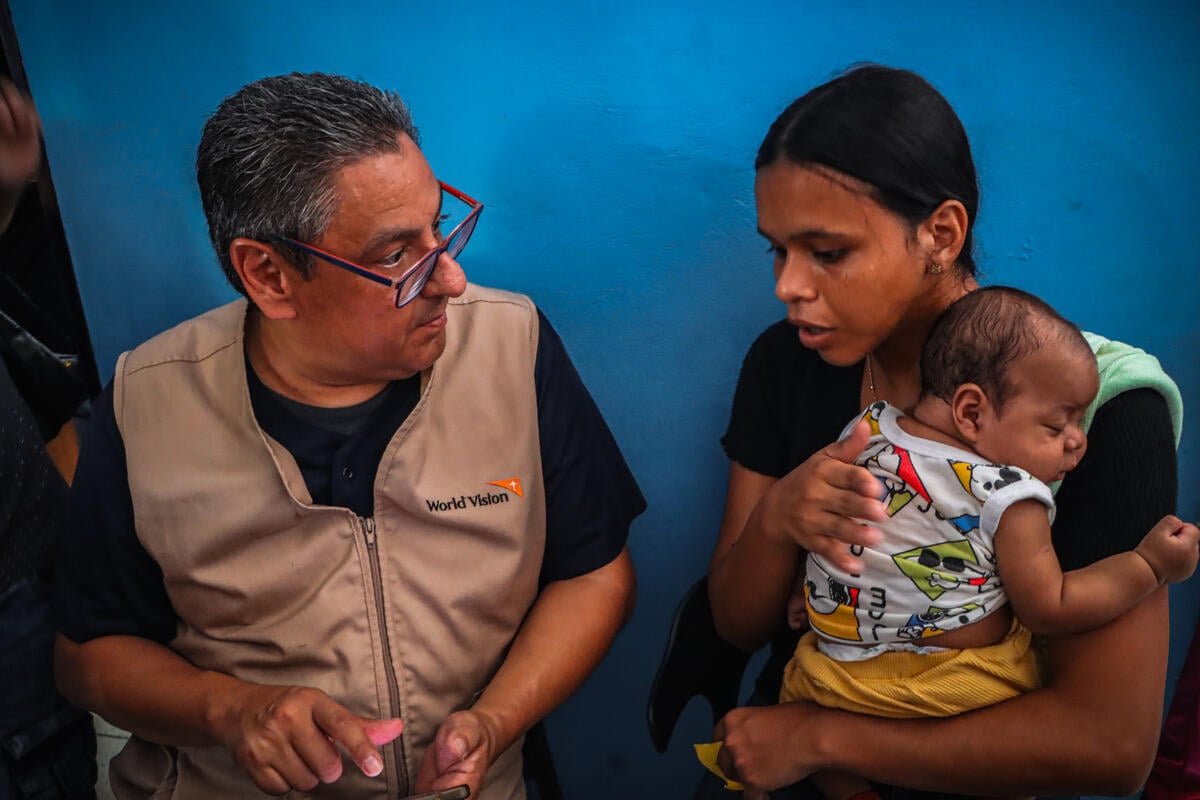
When violence or insecurity disrupts communities, families may lose their homes, land, livelihoods, and access to essential services. Children may be unable to attend school, and parents may struggle to find work or provide enough food for their families.
Extreme weather events can have similar consequences. Drought can destroy crops and livestock, while floods and storms can damage homes, roads, schools, health facilities, and water systems. Families who depend on farming, fishing, or other climate-sensitive livelihoods may lose their primary sources of income.
When these crises strike in areas without strong public institutions, families may lack the resources to recover, thus further entrenching them in poverty.
How can we break the cycle of extreme poverty?
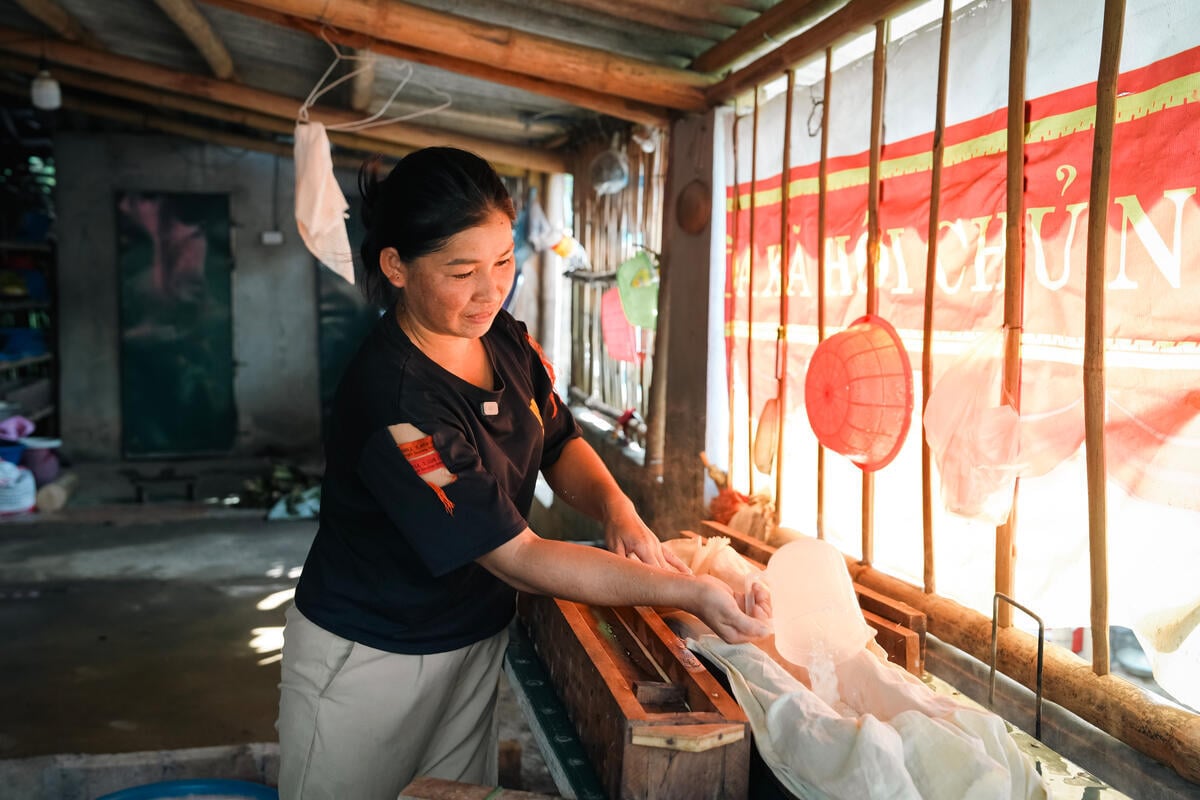
To break the cycle of poverty, we need to tackle its root causes, including economic inequality; lack of access to education, healthcare, and infrastructure; and discrimination. Identifying what’s causing poverty in a particular community can equip people to determine what needs to change. Because it looks different in various places and is caused by different factors, the work to eradicate extreme poverty varies depending on the context.
When World Vision begins working in a community, our expert local staff partner with leaders and other members of the community to understand and help identify its unique needs and work together to develop sustainable solutions that address poverty’s root causes. This work is largely made possible through child sponsorship, which gives donors the opportunity to come alongside vulnerable children and their families, equipping them with pathways to education, access to healthcare, and other essentials. We also work with communities to build resilience and implement effective strategies for coping with economic shocks, climate crises, and other factors that drive poverty in the world’s toughest places.
How is World Vision helping end global poverty?
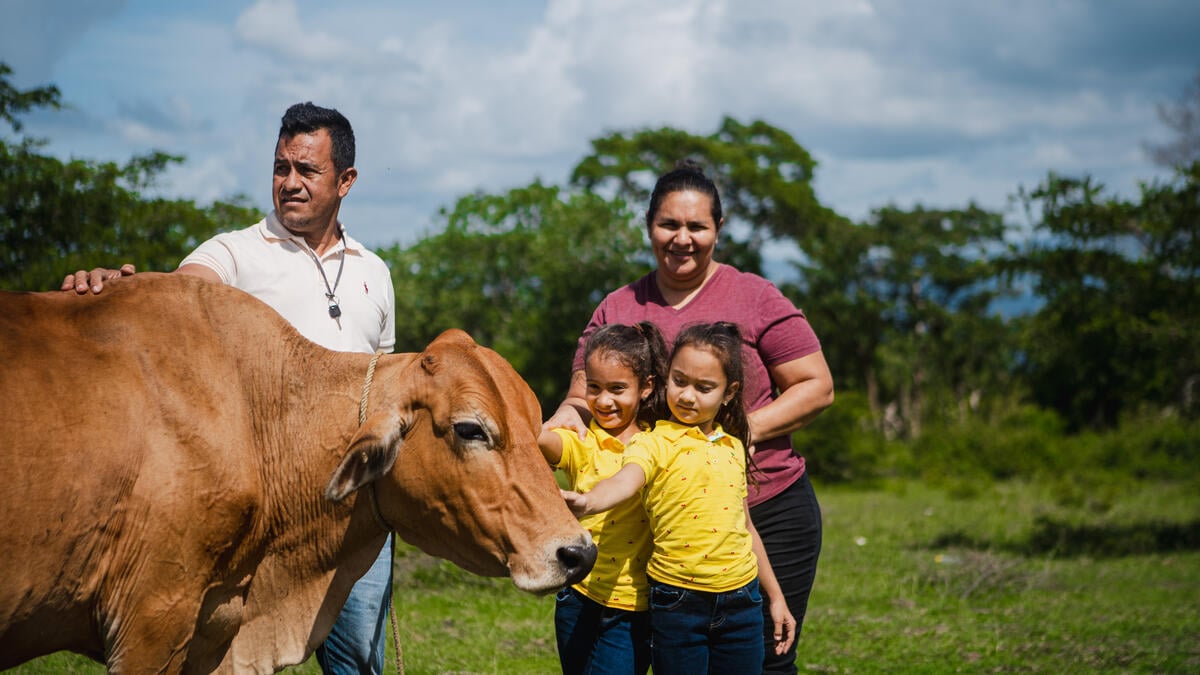
World Vision works toward ending extreme poverty by addressing its root causes and implementing sustainable solutions. Recognizing the complex nature of poverty, we take a holistic approach, focusing on several key areas such as access to nutritious food, clean water, healthcare, quality education, economic empowerment, gender equality, disability inclusion, spiritual nurture, disaster relief, and child protection.
World Vision’s integrated community development model allows us to address the root causes of poverty and empower communities to create meaningful change. As a child-focused organization, we understand that children play a crucial role in their own futures, so we work to equip them, their families, and their communities with the tools they need to address poverty’s underlying causes and create lasting change.
As one of the world’s largest Christian humanitarian organizations, World Vision works closely with communities and partners to identify unique solutions for each context. We have 75 years of experience and a presence in nearly 100 countries. Most of our staff work in the regions where they’re from, contributing valuable local knowledge and helping to build trusting, long-term relationships.
Our work includes these main steps:
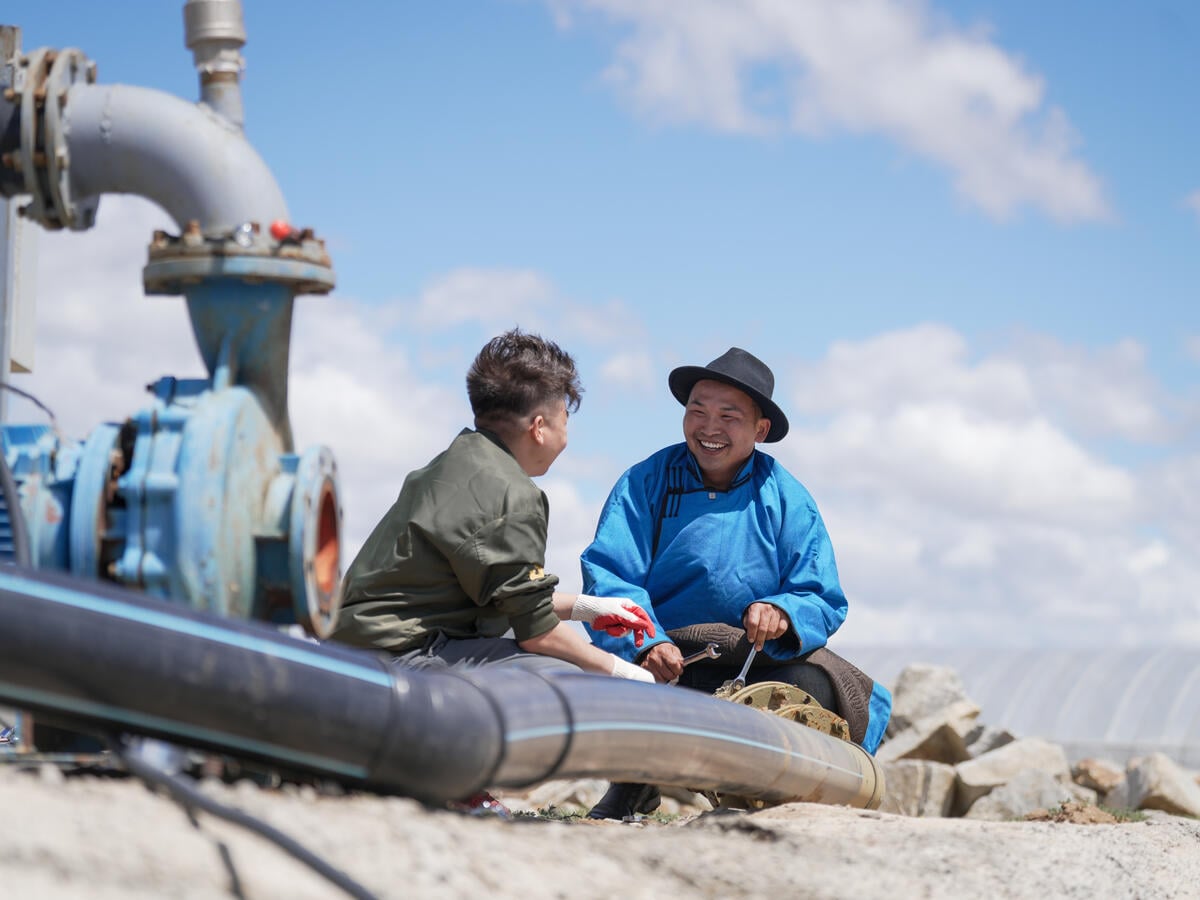
- Listen: We follow Jesus’ example of coming alongside people and communities and listening to their unique challenges and needs. We engage with children, families, churches, and community leaders to understand what they need to thrive and access basics like clean water, quality education, reliable food supply, healthcare, and economic opportunities.
- Develop: After listening to the community’s needs, we collaborate with them to develop action plans that target the root causes of poverty.
- Act: We help the community implement the plan by working with existing leaders and empowering new ones. We bring the community together to address the identified needs and revise plans until the community’s needs are met.
- Train: World Vision also trains community members, equipping people with the skills to manage and increase their resources sustainably.
- Transition: When the community has grown healthier, safer, and more resilient, we transition out, supporting them to take full ownership of their progress. This self-sustaining model leaves the community better equipped to handle emergencies and support the growth and thriving of children.
We also focus efforts on alleviating poverty in America by working in some of the nation’s most distressed and underserved communities. These are areas where poverty is high and opportunities are limited. Across the U.S., we aim to restore hope to vulnerable children and struggling families.
How can I help end extreme poverty?
- Pray: Join us in praying for the world’s most vulnerable people using our Matthew 25 prayer guides.
- Give: Help lift families out of poverty by supporting hardworking entrepreneurs as they start, grow, or sustain their businesses.
- Sponsor a child: Show God’s love to a child and help equip them and their community with access to essentials such as clean water, healthcare, economic opportunity, and quality education.
Beth Gallick and Sevil Omer of World Vision’s U.S. staff contributed to this article.