
Bangladesh

Located in south Asia on the Ganges River delta, Bangladesh borders the Bay of Bengal, India, and Myanmar. About 160 million people live in Bangladesh, making it one of the world’s most densely populated countries.

  • Population
    148,692,000
  • Land mass
    55,597
  • Life Expectancy
    69 years
  • Literacy Rate
    56%
  • Access to Safe Water
    80%
  • Under Age 5 Mortality Rate
    47/1000
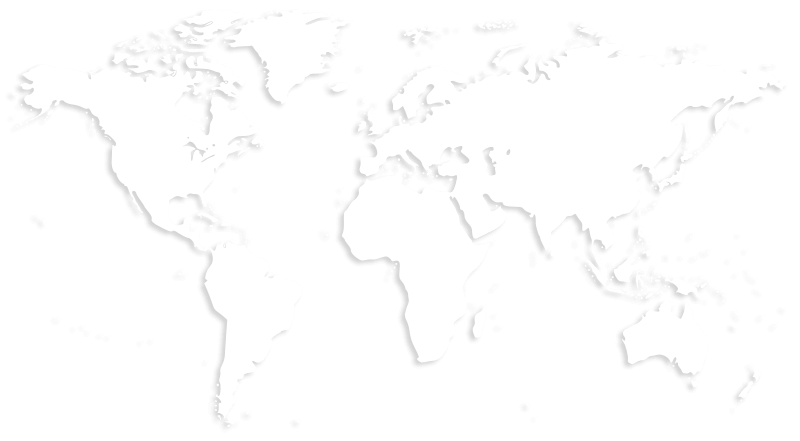
Bangladesh Map

US Comparison to Bangladesh

Bangladesh United States
Population
148,692,000
307,000,000
Land Mass
55,597
3,794,083 sq miles
Life Expectancy
69 years
78 years
Infant Mortality
47/1000
7/1000
Literacy Rate
56%
97%
School Enrollment
89%
92%
Access to Safe Water
80%
100%
Average Annual Income
$640
$41,400

World Vision in Bangladesh Today

World Vision is committed to partnering with the people of Bangladesh to improve their lives today and to help enact sustainable solutions for the future of their children, families, and communities. World Vision’s child sponsorship program plays a vital role in this partnership, with donors from the United States sponsoring more than 36,600 girls and boys. In addition to sponsorship, World Vision operates other programs that benefit communities in Bangladesh. Highlights include:

  • Reaching college students with HIV and AIDS prevention information.
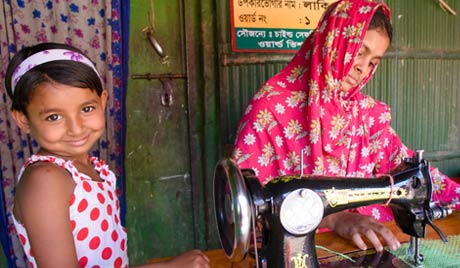
  • Offering courses designed for women, giving them skills like bookkeeping, simple accounting, reading, writing, and self-managing their revolving loans.
  • Implementing agricultural programs in communities, ranging from raising crops and livestock to pond fishing and household fruit trees.
  • Installing more than 2,000 tube-wells in arsenic-free areas.
  • Encouraging attendance at primary school through special programs.

World Vision History in Bangladesh

World Vision began assisting the people of East Pakistan (later Bangladesh) in 1970 following a flood and cyclone, bringing relief to the people of the coastal region. Since then, some of World Vision’s major accomplishments have included:

  • Helping Bangladeshis rebuild their homes after the civil war with West Pakistan after 1971.
  • Offering nutrition education to mothers and promoting pediatric research during the 1970s.
  • Providing food, clothing, housing, medical services, and rebuilding assistance for people affected by floods since the 1980s.
  • Increasing access to safe drinking water during the 1990s.
  • Helping children who were abused in adult correctional facilities move to juvenile detention centers since the beginning of the 21st century.

Geography & People

Geography and people

Located in south Asia on the Ganges River delta, Bangladesh borders the Bay of Bengal, India, and Myanmar. About 160 million people live in Bangladesh, making it one of the world’s most densely populated countries.

Bangladesh sits in one of the most disaster-prone areas of the world. Frequent cyclones and floods have killed thousands of people and impeded economic growth for decades.

About 45 percent of Bangladeshis work in agriculture. Crops include rice, wheat, sugarcane, potatoes, and more. Because of severe overpopulation, farmers cannot produce enough crops. Natural resources include arable land, coal, natural gas, and timber.

About 98 percent of people consider themselves Bengal. The official language is Bangla, often known as Bengali, but people also speak English.

In Bangladesh culture, parents often arrange for their daughter to marry when she is very young. She then lives with her husband’s family as she grows up. Her husband often is older, and she will never address him by name.

History

Bangladesh, formerly East Pakistan, proclaimed independence from West Pakistan in March 1971. Over the next 30 years, the country saw political assassinations, bloodless coups, and a succession of corrupt presidents and prime ministers.

In October 2006, violent protests started over alleged election corruption when President Iajuddin Ahmed took office. The violence intensified in January 2007, prompting President Ahmed to declare a state of emergency and postpone the impending elections. Elections resumed in late 2008.

Prayer Requests for Bangladesh

Please pray for:

The millions of Bangladeshis living in poverty and unable to buy enough food for their families.

Economic stability, including lower inflation rates, within the country.

Bangladesh Facts

  • Bangladesh has a history of devastating cyclones and floods, which have damaged crop production and increased food insecurity. The World Food Program estimates that more than 45 percent of children suffer from stunting due to malnutrition.
  • About 36 percent of the population lives below the poverty line.
  • The 5-inch rise in sea levels predicted due to climate change has the potential to displace millions and place half of the country underwater by 2030.

Child Sponsorship

Through sponsorship, World Vision is partnering with families and communities to help meet immediate needs and promote lasting changes that will strengthen communities and move families toward self-reliance.

Each year sponsors receive updates about their sponsored child and their community. Sponsors also learn about the child's continuing activities and new accomplishments so when they correspond with their child, they can encourage them in their education, hobbies and endeavors.

The commitment of World Vision sponsors helps provide children with love, hope, and opportunities for a healthy, productive future. May God bless sponsors as they make a lasting difference in the life of a special child.

Sponsor a child in Bangladesh

Progress in Bangladesh

Thanks to the generous support of our sponsors, World Vision was able to work alongside communities to accomplish the
following in 2012.

Food and Agriculture

  • Provided livestock, seeds, and fruit trees to families, supplying them with nutritious food and increasing income.

Water and Sanitation

  • Drilled wells, providing safe drinking water and decreasing waterborne illness.
  • Constructed household latrines to improve sanitation.

Education

  • Supported schools by renovating and furnishing classrooms and providing teaching aids.
  • Helped children stay in school by assisting with school fees and providing textbooks.
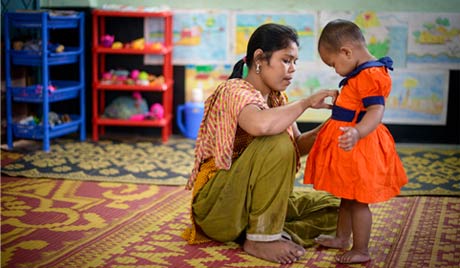
  • Established preschools to increase access to early childhood education.
 

Emergency Response

  • Organized disaster management committees to respond to emergencies.

Economic Opportunities

  • Established and trained community-based organizations, which provide jobs and help communities become self-sufficient.
  • Provided vocational training for community members.

Child Rights

  • Held workshops on women’s rights, children’s rights, and the consequences of early marriage.
  • Established children’s forums to advocate for child rights in the community.
 

Birthday Celebration

  • Children participated in a cultural program and received gifts.

Healthcare

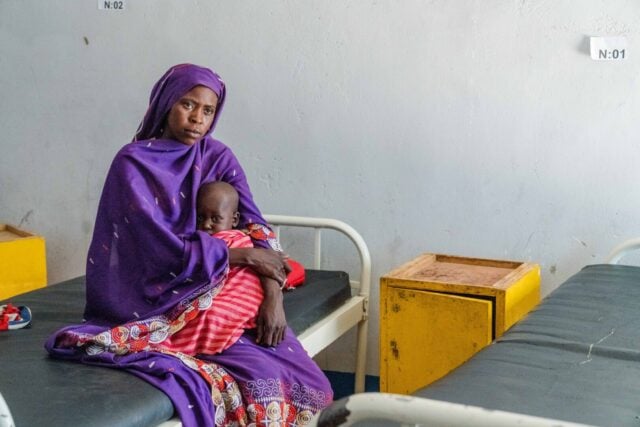
  • Implemented a supplemental feeding program for pregnant mothers and children, reducing severe malnutrition.
  • Provided age-appropriate HIV and AIDS education for children and young people.
  • Worked with local health agencies to immunize and deworm children.
  • Monitored children's health and helped sick children access medical treatment.