
Colombia

The only South American country with coastlines on both the Atlantic and the Pacific, Colombia is the point where North and South America meet. The varied terrain contains the Andes Mountains, coastal lowlands, flat plains, and rainforests.

  • Population
    46,295,000
  • Land mass
    493,737
  • Life Expectancy
    73 years
  • Literacy Rate
    93%
  • Access to Safe Water
    92%
  • Under Age 5 Mortality Rate
    19/1000
Colombia Map

US Comparison to Colombia

Colombia United States
Population
46,295,000
307,000,000
Land Mass
493,737
3,794,083 sq miles
Life Expectancy
73 years
78 years
Infant Mortality
19/1000
7/1000
Literacy Rate
93%
97%
School Enrollment
93%
92%
Access to Safe Water
92%
100%
Average Annual Income
$5,510
$41,400

World Vision in Colombia Today

World Vision is committed to partnering with the people of Colombia to improve their lives today and to help enact sustainable solutions for the future of their children, families, and communities. World Vision’s child sponsorship program plays a vital role in this partnership, with donors from the United States sponsoring more than 20,300 girls and boys. In addition to sponsorship, World Vision operates other programs that benefit communities in Colombia. Highlights include:

  • Improving children's health by ensuring that 100% of children, adolescents and youth receive health care and vaccinations.
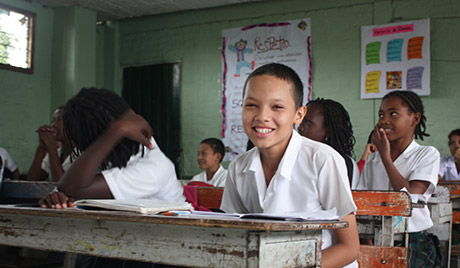
  • Strengthening the quality of education and providing children with school supplies.
  • Preventing child labor and enrolling children in educational programs.
  • Enriching individuals by providing psychological, medical and spiritual counseling.

World Vision History in Colombia

World Vision began serving in Colombia in 1960 with a conference for pastors in Medellin. Since then, some of World Vision’s major accomplishments include:

  • Offering child sponsorship programs since 1971.
  • Providing families affected by earthquakes with relief supplies and helping them rebuild their communities during the 1970s.
  • Providing thousands of Colombians with educational opportunities, health and hygiene products, and recreational activities for children in the 1980s.
  • Assisting women affected by rebel violence with workshops on health education, literacy training, and business skills in the 1990s.
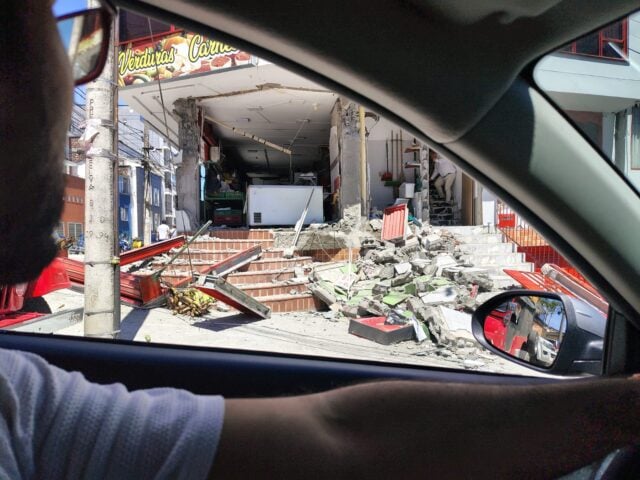
  • Addressing the physical, economic, social, emotional, and spiritual needs of families affected by a major earthquake in 1999.
  • Improving water and sanitation systems, building schools, and offering community training for thousands of Colombians displaced by civil conflict since the beginning of the 21st century.

Geography & People

Geography and people

The only South American country with coastlines on both the Atlantic and the Pacific, Colombia is the point where North and South America meet. The varied terrain contains the Andes Mountains, coastal lowlands, flat plains, and tropical rainforests.

Natural resources are plentiful and include petroleum, natural gas, coal, iron ore, gold, copper, and hydropower.

Most Colombians are of mixed Spanish and Native American ancestry. Other ethnic groups include Caucasians, mulattos, Afro-Colombians, and indigenous Amerindians.

The country’s official language is Spanish. Colombia has the second largest number of Spanish speakers in the world after Mexico. Some Colombians also speak German, French, and various indigenous languages.

Colombians take pride in being a creative, warm, and optimistic people. Families are close-knit and extended families often live nearby. Children usually do not move out of their parents’ home until they marry.

History

Colombia, formerly named New Granada, won its independence from Spain after a revolution that lasted from 1810 to 1824. Six civil wars marked the decades after independence, with the worst fighting coming in the middle of the 20th century.

La Violencia, a period of political rebellion between the Liberals and the Conservatives, broke out in 1946, lasting for about 12 years and claiming hundreds of thousands of lives. After this period, Marxist guerilla groups—notably the Revolutionary Armed Forces of Colombia (FARC)—organized in the 1960s and 1970s and continued internal conflicts.

In the 1980s, Colombia became one of the international centers for illegal drug production and trafficking. In 2002, the president pledged to crack down on rebel fighters and drug traffickers. He increased Colombia’s security forces and applied military pressure on FARC.

Today, the government continues to deal with internal tensions and social issues. 

Prayer Requests for Colombia

Please pray for:

The country to recover from the damage caused by major rainstorms.

Families who have been displaced by the continuous civil conflict.

Colombia Facts

  • Political and social unrest continues to plague Colombia. Violence with rebel fighters and drug traders has forced about 3 million people to abandon their homes-one of the highest rates of internally displaced people in the world.
  • Political and social unrest continues to plague Colombia. About 12 percent of the Colombian workforce is unemployed and almost half of the population lives below the poverty line.
  • Colombia has one of the highest levels of income inequality in the world.
  • Rural schools lack sufficient classroom space and qualified teachers, causing many children to drop out.

Child Sponsorship

Through sponsorship, World Vision is partnering with families and communities to help meet immediate needs and promote lasting changes that will strengthen communities and move families toward self-reliance.

Each year sponsors receive updates about their sponsored child and their community. Sponsors also learn about the child's continuing activities and new accomplishments so when they correspond with their child, they can encourage them in their education, hobbies and endeavors.

The commitment of World Vision sponsors helps provide children with love, hope, and opportunities for a healthy, productive future. May God bless sponsors as they make a lasting difference in the life of a special child.

Sponsor a child in Colombia

Progress in Colombia

Thanks to the generous support of our sponsors, World Vision was able to work alongside communities to accomplish the
following in 2012.

Education

  • Organized sports and art programs to develop children’s talents, strengthen their social skills, and promote positive use of free time.
  • Trained teachers in peaceful conflict resolution, improving the learning environment.

Economic Opportunities

  • Helped young people find jobs by training them in fabric printing and office administration.
  • Trained young people and adults in accounting, customer service, and marketing, equipping them for entrepreneurship.

Child Rights

  • Held workshops to teach families about parenting techniques, child rights, and conflict management.
  • Trained youth mentors and peer educators to advocate for child rights and promote a culture of peace.
 

Healthcare

  • Trained caregivers in nutrition, disease prevention, and healthcare rights.
  • Supplied food to community nutrition centers, helping restore malnourished children to health.
  • Monitored children's health and helped them access medical treatment.
  • Collaborated with health agencies to immunize children against deadly diseases.

Christian Commitment

  • Distributed Bibles to children, enabling them to study God's Word and encouraging them to participate in local church programs.