
El Salvador

Located on the Pacific Coast of Central America between Guatemala and Honduras, El Salvador is the smallest and most densely populated country in Central America. El Salvador experiences frequent earthquakes and volcanic activity, making it known as the “land of volcanoes.”

  • Population
    6,193,000
  • Land mass
    8,123
  • Life Expectancy
    72 years
  • Literacy Rate
    84%
  • Access to Safe Water
    87%
  • Under Age 5 Mortality Rate
    16/1000
El Salvador Map

US Comparison to El Salvador

El Salvador United States
Population
6,193,000
307,000,000
Land Mass
8,123
3,794,083 sq miles
Life Expectancy
72 years
78 years
Infant Mortality
16/1000
7/1000
Literacy Rate
84%
97%
School Enrollment
94%
92%
Access to Safe Water
87%
100%
Average Annual Income
$3,360
$41,400

World Vision in El Salvador Today

World Vision is committed to partnering with the people of El Salvador to improve their lives today and to help enact sustainable solutions for the future of their children, families, and communities. World Vision’s child sponsorship program plays a vital role in this partnership, with donors from the United States sponsoring more than 21,500 girls and boys. In addition to sponsorship, World Vision operates other programs that benefit communities in El Salvador. Highlights include:

  • Improving educational quality and opportunities for children.
  • Helping provide adequate care for children and adolescents with physical and/or speech impairments
  • Offering loans to Salvadorans struggling with poverty in order to help improve their lives.

World Vision History in El Salvador

World Vision began its work in El Salvador in 1975, initiating a child sponsorship program through five school projects. Since then, some of World Vision’s major accomplishments have included:

  • Offering communities education, nutrition, healthcare, literacy, and job resources during the 1980s.
  • Providing relief supplies and aid to thousands of people affected by two major earthquakes in 1986.
  • Helping communities recover and rebuild after the end of the civil war since 1992.
  • Encouraging economic development by providing credit to families in the 1990s.
  • Assisting thousands of people with food, water, medicine, and other relief supplies after natural disasters since the beginning of the 21st century.

Geography & People

Geography and people

Located on the Pacific Coast of Central America between Guatemala and Honduras, El Salvador is the smallest and most densely populated country in Central America. El Salvador experiences frequent earthquakes and volcanic activity, making it known as the “land of volcanoes.”

The climate is tropical along the coast and more temperate in the highlands. Natural resources include hydropower, geothermal power, petroleum, and arable land.

About 90 percent of Salvadorans are mestizo—mixed Amerindian and Spanish heritage. Nearly everyone speaks Spanish, the country’s official language, although people also speak English and the native language Nahua.

Salvadorans are industrious people, valuing hard work over income level. Even those who are unemployed or struggle with poverty work hard to provide food, clothing, and other essentials for their families.

History

In 1821, El Salvador and several other Central American provinces declared independence from Spain and formed the United Provinces of Central America. El Salvador became an independent republic after the federation disbanded in the late 1830s.

Frequent revolutions marked the country’s early history. El Salvador did not achieve national stability until the early 20th century. Following a decline in democracy in the 1970s, a period of civil war plagued the country from 1980 to 1992, killing more than 75,000 people.

As El Salvador began recovering from the war, Hurricane Mitch hit in 1998, and a series of earthquakes shook the country in 2001. Since then, several more natural disasters have impacted El Salvador, including tropical storms Ida in 2009 and Agatha in 2010.

Prayer Requests for El Salvador

Please pray for:

The protection of children and families from high rates of violence and crime.

Communities to receive much-needed resources and assistance so they can overcome poverty.

El Salvador Facts

  • About seven percent of Salvadoran workers are unemployed and over 30 percent of people live below the poverty line.
  • Crime rates remain very high in El Salvador, negatively affecting the economy. Increasing gang-related violence among youth led to all-time high level of homicide and other crimes in 2009.
  • The World Food Program estimates that 18 percent of children under age 5 are chronically under-nourished.

Child Sponsorship

Through sponsorship, World Vision is partnering with families and communities to help meet immediate needs and promote lasting changes that will strengthen communities and move families toward self-reliance.

Each year sponsors receive updates about their sponsored child and their community. Sponsors also learn about the child's continuing activities and new accomplishments so when they correspond with their child, they can encourage them in their education, hobbies and endeavors.

The commitment of World Vision sponsors helps provide children with love, hope, and opportunities for a healthy, productive future. May God bless sponsors as they make a lasting difference in the life of a special child.

Sponsor a child in El Salvador

Progress in

Thanks to the generous support of our sponsors, World Vision was able to work alongside communities to accomplish the
following in 2012.

Food and Agriculture

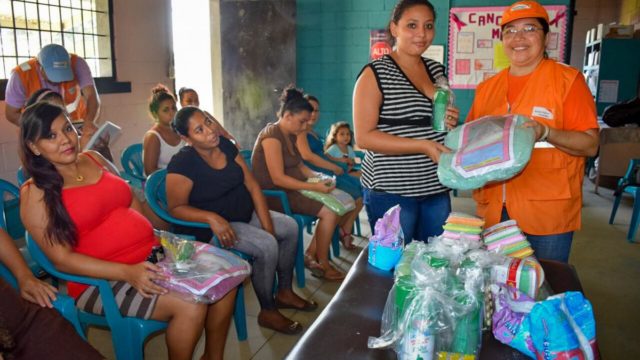
  • Provided families with seeds and chickens, improving their access to nutritious food.

Water and Sanitation

  • Contributed materials to help families build household latrines, improving environmental sanitation.

Education

  • Opened child development centers in the community, increasing access to preschool education.
  • Held tutoring sessions to improve students' math and language skills and help them stay in school.
  • Organized children's clubs, which provide educational and recreational activities for children.
 

Emergency Response

  • Coordinated a Food-For-Work program to assist people who were affected by Tropical Storm Ida.

Economic Opportunities

  • Provided vocational workshops for young people, improving their ability to obtain jobs.

Child Rights

  • Formed youth clubs to raise awareness of child rights and advocate for a culture of peace in the community.
 

Christian Commitment

  • Organized community Bible-reading groups to provide spiritual nurture for children and their families.

Healthcare

  • Monitored children's health and helped sick and malnourished children access medical treatment.
  • Provided food packages and agricultural kits, including seeds and fertilizer, to the families of malnourished children.
  • Trained caregivers in nutrition and health, working to improve the nutritional status of their children.