
Lebanon
Lebanon, located on the eastern shore of the Mediterranean Sea, shares its borders with Syria and Israel. The western mountain range contains the last remaining groves of the Cedars of Lebanon, used by the ancient Phoenicians to build ships, houses, and temples.
Population
4,228,000
Land mass
4,015
Life Expectancy
72 years
Literacy Rate
90%
Access to Safe Water
100%
Under Age 5 Mortality Rate
22/1000
School Enrollment
90%
Average Annual Income
(GNI)
9,020
View US
comparison chart >

US Comparison to Lebanon
Lebanon United States |
|---|
Population 4,228,000 307,000,000 |
Land Mass 4,015 3,794,083 sq miles |
Life Expectancy 72 years 78 years |
Infant Mortality 22/1000 7/1000 |
Literacy Rate 90% 97% |
School Enrollment 90% 92% |
Access to Safe Water 100% 100% |
Average Annual Income $9,020 $41,400 |
World Vision in Lebanon Today
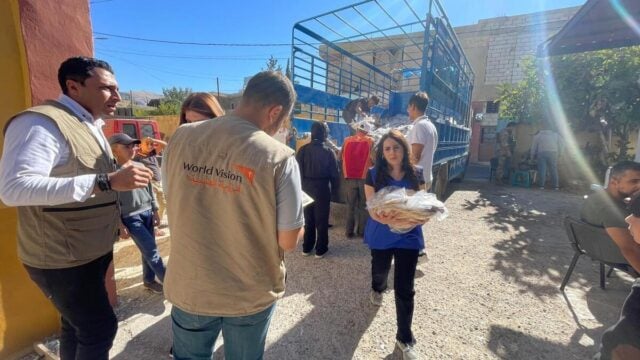
World Vision is committed to partnering with the people of Lebanon to improve their lives today and to help enact sustainable solutions for the future of their children, families, and communities. World Vision’s child sponsorship program plays a vital role in this partnership, with donors from the United States sponsoring more than 10,000 girls and boys. In addition to sponsorship, World Vision operates other programs that benefit communities in Lebanon. Highlights include:
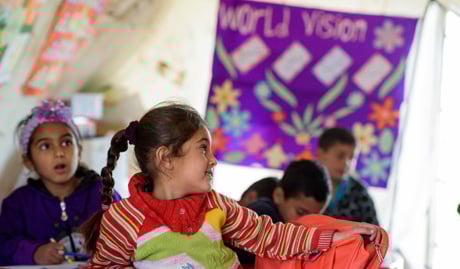
- Enabling children to enjoy quality education as a result of parent-teacher associations, donated equipment and teacher training on alternative methods of discipline.
- Organizing Mother Action Groups that encourage mothers to spread the word about the importance of healthy behaviors.
- Empowering children to affect change in their communities by promoting child-led campaigns on healthy lifestyle choices.
World Vision History in Lebanon
World Vision’s involvement in Lebanon began in 1975 with childcare work through schools and healthcare institutions. Since then, some major accomplishments include:
- Supplying food, medication, and clothing to families displaced by civil war in the late 1970s and into the 1990s.
- Helping children gain access to quality education since the 1980s.
- Providing communities with nutrition, education, healthcare, and agriculture programs since the 1990s.
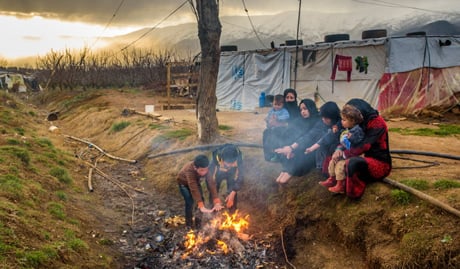
- Distributing food, water, and hygiene supplies to people affected by internal fighting since the beginning of the 21st century.
Geography & People
Geography and people
Lebanon, located on the eastern shore of the Mediterranean Sea, shares its borders with Syria and Israel. The western mountain range contains the last remaining groves of the Cedars of Lebanon, used by the ancient Phoenicians to build ships, houses, and temples.
With its Mediterranean climate, Lebanon is the only country in the Middle East that does not have a desert. Natural resources include limestone, iron ore, salt, drinkable water, and arable land.
More than 95 percent of Lebanese people are Arabic. The remaining population consists of Armenians, Kurds, Jews, and Persians. Many Christian Lebanese identify themselves as descendents of the ancient Canaanites and prefer to be called Phoenicians.
Arabic is the country’s official language, though French, English, and Armenian are also widely spoken and taught in schools.
Many Lebanese people work in industries such as wood and furniture production, mineral and chemical processing, and cement factories. Tourism is also a primary source of national income.
History
After 23 years under France’s rule, Lebanon gained independence in 1943. The country’s history since independence has been marked by civil war and political turmoil. The one exception was in the 1960s when Lebanon enjoyed a period of peace, focusing on banking and tourism.
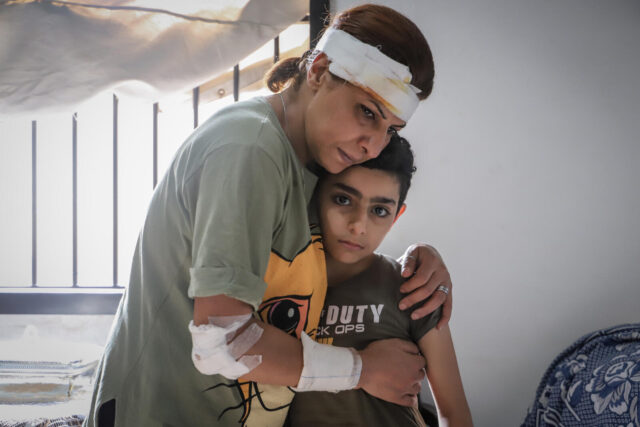
The calm was shattered in April 1975 when Lebanese gunmen ambushed a bus. That event sparked a 16-year civil war filled with car bombs, rocket-propelled attacks, and assassinations. By the end of hostilities in May 1991, hundreds of thousands of people had been killed or affected by the war. Post-war recovery hit a setback in 2006 when a 34-day war started between a Lebanese Islamic group, Hezbollah, and Israel.
In the past few years, debate and tensions have marked elections.
Prayer Requests for Lebanon
Please pray for:
A calm and peaceful year in Lebanon, with a stable government and economy.
All children who are in need of love, care, and protection.
Lebanon Facts
- Earlier years of civil war and recent tensions have taken a toll on Lebanon's economy. More than nine percent of the workforce is unemployed and almost 30 percent of people live below the poverty line.
- Once known as the “classroom of the Middle East", Lebanon has struggled to provide children with quality education because of under-qualified teachers, especially in rural or war-torn neighborhoods.
- Healthcare costs for families in poor communities and Palestinian refugee camps can rise to over half of their annual income.
Child Sponsorship
Through sponsorship, World Vision is partnering with families and communities to help meet immediate needs and promote lasting changes that will strengthen communities and move families toward self-reliance.
Each year sponsors receive updates about their sponsored child and their community. Sponsors also learn about the child's continuing activities and new accomplishments so when they correspond with their child, they can encourage them in their education, hobbies and endeavors.
The commitment of World Vision sponsors helps provide children with love, hope, and opportunities for a healthy, productive future. May God bless sponsors as they make a lasting difference in the life of a special child.
Progress in Lebanon
Thanks to the generous support of our sponsors, World Vision was able
to work alongside communities to accomplish the
following in 2012.

Food and Agriculture
- Distributed goats and hens to families, providing food and a source of income.
- Installed irrigation pipelines to bring water to farms.

Education
- Organized information sessions to teach parents and teachers effective ways to communicate with children.
- Renovated and furnished a recreational center where schoolchildren can gather during summer vacation.
- Supplied books and furniture to help schools create safe, inviting classrooms.
- Assisted schools with educational activities such as field trips, plays, and sporting events.

Emergency Response
- Provided training for emergency relief teams, preparing them to respond to disasters such as earthquakes.

Child Rights
- Held information sessions to teach parents about child rights and the importance of good communication with their children.
- Facilitated summer camps in which children learned about their rights and gained skills in tolerance, negotiation, and conflict management.

Birthday Celebration
- Children participated in games and received gifts.

Healthcare
- Trained healthcare providers in the prevention of HIV and sexually transmitted diseases.
- Organized mothers' support groups and equipped them to educate their peers about maternal and child health.
Lebanon
United States