
Nicaragua
Nicaragua shares its borders with Costa Rica, Honduras, the Pacific Ocean, and the Caribbean Sea. The largest country in Central America, Nicaragua is known as “the land of lakes and volcanoes.” Mountains, coastal plains, and a tropical rainforest also fill the landscape.
Population
5,788,000
Land mass
59,998
Life Expectancy
74 years
Literacy Rate
78%
Access to Safe Water
85%
Under Age 5 Mortality Rate
27/1000
School Enrollment
93%
Average Annual Income
(GNI)
1,080
View US
comparison chart >

US Comparison to Nicaragua
Nicaragua United States |
|---|
Population 5,788,000 307,000,000 |
Land Mass 59,998 3,794,083 sq miles |
Life Expectancy 74 years 78 years |
Infant Mortality 27/1000 7/1000 |
Literacy Rate 78% 97% |
School Enrollment 93% 92% |
Access to Safe Water 85% 100% |
Average Annual Income $1,080 $41,400 |
World Vision in Nicaragua Today
World Vision is committed to partnering with the people of Nicaragua to improve their lives today and to help enact sustainable solutions for the future of their children, families, and communities. World Vision’s child sponsorship program plays a vital role in this partnership, with donors from the United States sponsoring more than 19,400 girls and boys. In addition to sponsorship, World Vision operates other programs that benefit communities in Nicaragua. Highlights include:
- Providing 653 families with improved water through constructing wells and rehabilitating water systems.
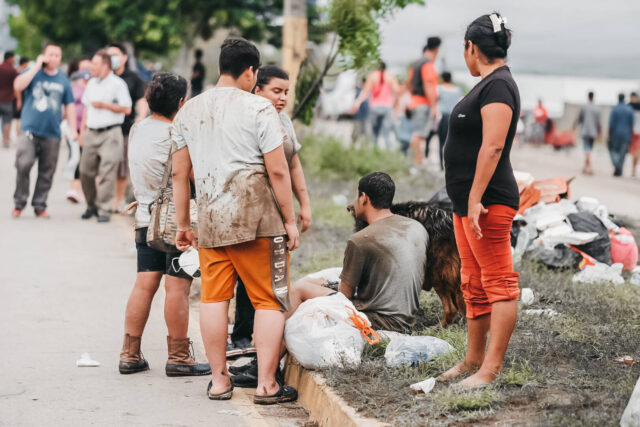
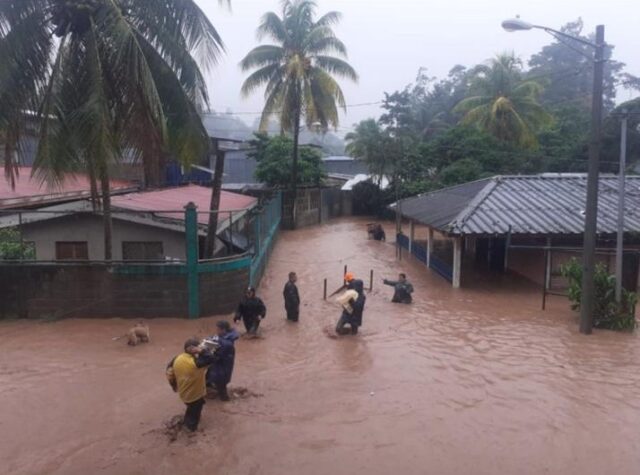
- Protecting residents affected by major flooding by providing emergency relief items to 3,412 families .
World Vision History in Nicaragua
World Vision assistance dates back to a 1972 earthquake in Nicaragua; child sponsorship began in 1990. Since then, some of World Vision’s major accomplishments have included:
- Assisting thousands of people fleeing civil conflict with relief supplies in the 1970s.
- Improving the lives of people in prison through literacy, carpentry, mechanics, printing, and gardening training in the 1980s.
- Helping farmers in agricultural production, raising livestock, and constructing irrigation systems and reservoirs during the 1990s.
- Changing the lives of children with cleft palates or severe burns through reconstructive surgery, medicine and supplies, transportation, and housing in the beginning of the 21st century.
Geography & People
Geography and people
Nicaragua shares its borders with Costa Rica, Honduras, the Pacific Ocean, and the Caribbean Sea. The largest country in Central America, Nicaragua is known as “the land of lakes and volcanoes.” Mountains, coastal plains, and a tropical rainforest also fill the landscape.
Natural resources include gold, silver, copper, tungsten, lead, zinc, timber, and fish.
About 90 percent of Nicaragua’s population lives in the Pacific lowlands, which make up the western third of the country. Most Nicaraguans have mixed Amerindian and Spanish ancestry and speak the official language of Spanish. Residents also speak indigenous dialects.
Families are close-knit and extended families often live together. Nicaraguans use both of their parents’ surnames. They use the father’s name as the family name, but the mother’s last name comes at the end of the full name.
History
Nicaragua gained independence from Spain in 1821 after nearly 300 years of Spanish rule. Following decades of military regimes, the Somoza family ruled as dictators for more than 40 years, beginning in 1936.
The Sandinista National Liberation Front ousted the Somoza family in 1979 after a civil war that killed at least 50,000 people. Internal and external political tensions continued until 1990, when the government held free elections.
In 1998, Hurricane Mitch devastated the country, killing at least 3,000 people and leaving hundreds of thousands more homeless.
Despite continued political tensions, Nicaragua still holds democratic elections today.
Prayer Requests for Nicaragua
Please pray for:
The protection and care of children vulnerable to abuse and neglect.
Families living in poverty to have opportunities for better futures.
Nicaragua Facts
- Nicaragua is one of the poorest countries in Central America. The World Food Program estimates that more than 40 percent of the rural population lives in poverty and about half of Nicaraguan workers are unemployed.
- The country's vulnerability to natural disasters has slowed economic growth.
- The World Food Program estimates that in some areas, more than 40 percent of children under the age of 5 suffer from chronic malnutrition.
- While an estimated 93 percent of children enroll in primary school, many children do not finish school because they must work to help support their families.
Child Sponsorship
Through sponsorship, World Vision is partnering with families and communities to help meet immediate needs and promote lasting changes that will strengthen communities and move families toward self-reliance.
Each year sponsors receive updates about their sponsored child and their community. Sponsors also learn about the child's continuing activities and new accomplishments so when they correspond with their child, they can encourage them in their education, hobbies and endeavors.
The commitment of World Vision sponsors helps provide children with love, hope, and opportunities for a healthy, productive future. May God bless sponsors as they make a lasting difference in the life of a special child.
Progress in Nicaragua
Thanks to the generous support of our sponsors, World Vision was able
to work alongside communities to accomplish the
following in 2012.

Food and Agriculture
- Trained farmers in improved farming methods to increase crop yields and promote soil and water conservation.
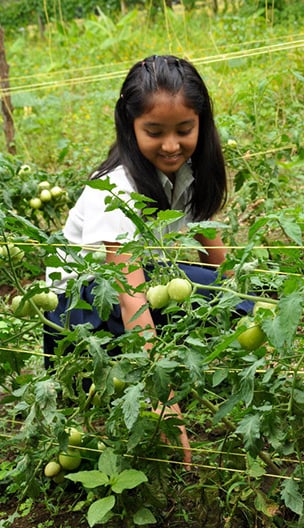
- Distributed seeds and farming supplies to families and schools, enabling them to plant gardens and increasing children's access to nutritious food.

Water and Sanitation
- Contributed materials to help families build household latrines.

Education
- Improved the learning environment by providing schools with desks, chairs, and materials for building maintenance.
- Held math and literacy contests, motivating children to excel in their studies.
- Strengthened the quality of education by providing professional development training for teachers and distributing learning materials such as books.
- Established school libraries to provide students with resource materials.

Child Rights
- Continued to raise awareness of child rights through children's clubs and community advocacy groups.

Healthcare
- Worked with health agencies to evaluate children's health and provide them with anti-parasite medication and vitamin supplements.
- Distributed food packages to severely malnourished children and provided food for school meal programs.
- Trained caregivers in nutrition and taught them how to prepare healthy meals using locally available ingredients.
Nicaragua
United States