
Romania

Romania, located in southeastern Europe, borders Moldova, Ukraine, Bulgaria, Serbia, Hungary, and the Black Sea. The European Union’s longest river, the Danube, flows along the southern border with Bulgaria.

  • Population
    4,228,000
  • Land mass
    92,043
  • Life Expectancy
    74 years
  • Literacy Rate
    98%
  • Access to Safe Water
    88%
  • Under Age 5 Mortality Rate
    14/1000
Romania Map

US Comparison to Romania

Romania United States
Population
4,228,000
307,000,000
Land Mass
92,043
3,794,083 sq miles
Life Expectancy
74 years
78 years
Infant Mortality
14/1000
7/1000
Literacy Rate
98%
97%
School Enrollment
96%
92%
Access to Safe Water
88%
100%
Average Annual Income
$7,841
$41,400

World Vision in Romania Today

World Vision is committed to partnering with the people of Romania to improve their lives today and to help enact sustainable solutions for the future of their children, families, and communities. World Vision’s child sponsorship program plays a vital role in this partnership, with donors from the United States sponsoring more than 6,500 girls and boys. In addition to sponsorship, World Vision operates other programs that benefit communities in Romania. Highlights include:

  • Increasing student enrollment and graduation from high school by providing more than 400 students with scholarships.
  • Providing services for children and youth with disabilities and HIV and AIDS through training children on personal hygiene, nutrition, and prevention.
  • Partnering with community leaders to prevent abusive child labor practices and creating a protective environment for children.

World Vision History in Romania

World Vision assistance to Romania dates back to 1977 after a 7.4 magnitude earthquake, but the office did not open until 1990 after the fall of the communist regime. Since then, some major accomplishments include:

  • Supporting church leaders through a pastoral leadership development program during the 1980s.
  • Improving access to healthcare and health education in rural areas since the early 1990s.
  • Meeting the needs of HIV-positive children through youth clubs, recreational activities, and medical and dental services in the late 1990s.
  • Helping children with disabilities join traditional classrooms by training teachers and supplying proper equipment since the late 1990s and beginning of the 21st century.

Geography & People

Geography and people

Romania, located in southeastern Europe, borders Moldova, Ukraine, Bulgaria, Serbia, Hungary, and the Black Sea. The European Union’s longest river, the Danube, flows along the southern border with Bulgaria.

Mountains, low hills, and grasslands fill Romania’s landscape. The climate is temperate with cold, snowy winters and warm, rainy summers.

Natural resources include petroleum, natural gas, coal, iron ore, timber, salt, and hydropower.

Ethnic Romanians make up most of the population. The nation’s official language is Romanian, but people also speak Hungarian, Romany, and German.

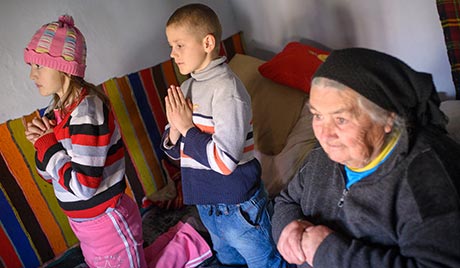
Many Romanians live in apartments with only a few rooms—one of which serves as both a living room and bedroom. Families are important and grandparents often live with their children to help care for their grandchildren.

History

The two principalities of Moldavia and Wallachia joined as Romania in 1877, gaining independence from Turkish rule. Romania remained independent until the end of World War II, when Russia occupied the country and eventually established a communist rule.

During the 1960s, Nicolae Ceausescu came to power and established a neo-Stalinist police-state. Once a prosperous country, Romania suffered from severe food and fuel shortages by the late 1980s.

In December 1989, Ceausescu was overthrown and executed in a violent revolution. Subsequent government attempts at economic reform led to student and worker protests in 1997 and 1999. Romania joined NATO in 2004 and the European Union in January 2007.

Prayer Requests for Romania

Please pray for:

The protection and care of children, especially for those who are left alone while their parents search for work abroad.

Wisdom and stability in the government.

Romania Facts

  • Romania's economy continues to struggle. More than seven percent of the workforce is unemployed and about a quarter of Romanians live below the poverty line.
  • Children and youth under age 24 make up more than 40 percent of Romania's impoverished population.
  • Although healthcare is free in Romania, the healthcare system suffers from underfunding, a lack of basic medication and supplies, and underpaid doctors and nurses.

Child Sponsorship

Through sponsorship, World Vision is partnering with families and communities to help meet immediate needs and promote lasting changes that will strengthen communities and move families toward self-reliance.

Each year sponsors receive updates about their sponsored child and their community. Sponsors also learn about the child's continuing activities and new accomplishments so when they correspond with their child, they can encourage them in their education, hobbies and endeavors.

The commitment of World Vision sponsors helps provide children with love, hope, and opportunities for a healthy, productive future. May God bless sponsors as they make a lasting difference in the life of a special child.

Sponsor a child in Romania

Progress in

Thanks to the generous support of our sponsors, World Vision was able to work alongside communities to accomplish the
following in 2012.

Education

  • Organized art, journalism, and cultural activities to enrich students' educational experiences and develop their talents.
  • Provided children with school supplies, books, and transportation assistance, enabling them to continue their studies. Provided children with school supplies, books, and transportation assistance, enabling them to continue their studies.

Emergency Response

  • Helped communities develop disaster-response plans to prepare for emergencies such as floods.

Economic Opportunities

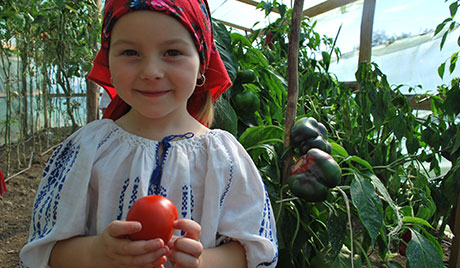
  • Supported agricultural commerce by training farmers in improved farming techniques, modern animal husbandry methods, and business development.
  • Held an agricultural fair to promote local products and strengthen farmers' business networks.
 

Child Rights

  • Continued to raise community members' awareness of child rights through events such as a children's festival.

Community Development

  • Provided training for community-based organizations, improving the community's ability to implement its own development programs.

Healthcare

  • Facilitated health workshops for community members on topics such as hygiene and nutrition.