After years of drought, conflict, and rising food prices, severe hunger continues to spread across Somalia. The latest U.N.-backed assessments warn that an estimated 5.4 million people are expected to face crisis levels of hunger or worse between October and December 2026, including 1.5 million people facing emergency levels of hunger or starvation.
Children are among the hardest hit. An estimated 1.92 million children under 5 will require treatment for acute malnutrition, including 433,000 children with acute malnutrition — a life-threatening condition that weakens immunity, stunts growth, and increases vulnerability to disease. At the same time, anticipated El Niño-related flooding during the October–December rainy season could destroy crops and livestock, disrupt access to markets and health services, and displace families already struggling to survive.
Somalia crisis: Facts, FAQs, and how to help
- Fast Facts: Somalia hunger crisis
- Why is Somalia facing a hunger crisis?
- What does famine mean?
- Is Somalia experiencing famine?
- What is happening in Somalia’s hunger crisis in 2026?
- How are children affected by malnutrition in Somalia?
- How is World Vision responding to the Somalia hunger crisis?
- How can I help children and families impacted by the crisis in Somalia?
Fast Facts: Somalia hunger crisis
- Approximately 5.4 million people in Somalia are projected to face crisis-level hunger or worse (Integrated Food Security Phase Classification Phase 3 or above) in 2026, including over 2 million people experiencing emergency conditions.
- Nearly 26,000 internally displaced people in Baidoa are projected to face catastrophic levels of hunger (IPC Phase 5) during the October–December period.
- An estimated 1.92 million children under 5 will require treatment for acute malnutrition, including 433,000 children with severe acute malnutrition.
- Anticipated El Niño-related flooding during October–December 2026 could destroy crops and livestock, disrupt markets and services, and trigger further displacement.
- Somalia continues to face one of the world’s most severe child malnutrition crises, where acute malnutrition significantly increases the risk of death from preventable diseases such as diarrhea and pneumonia.
- The crisis is driven by overlapping shocks, including conflict, drought, mass displacement, and rising food prices.
Why is Somalia facing a hunger crisis?
Somalia’s hunger crisis is being driven by a combination of factors:
-
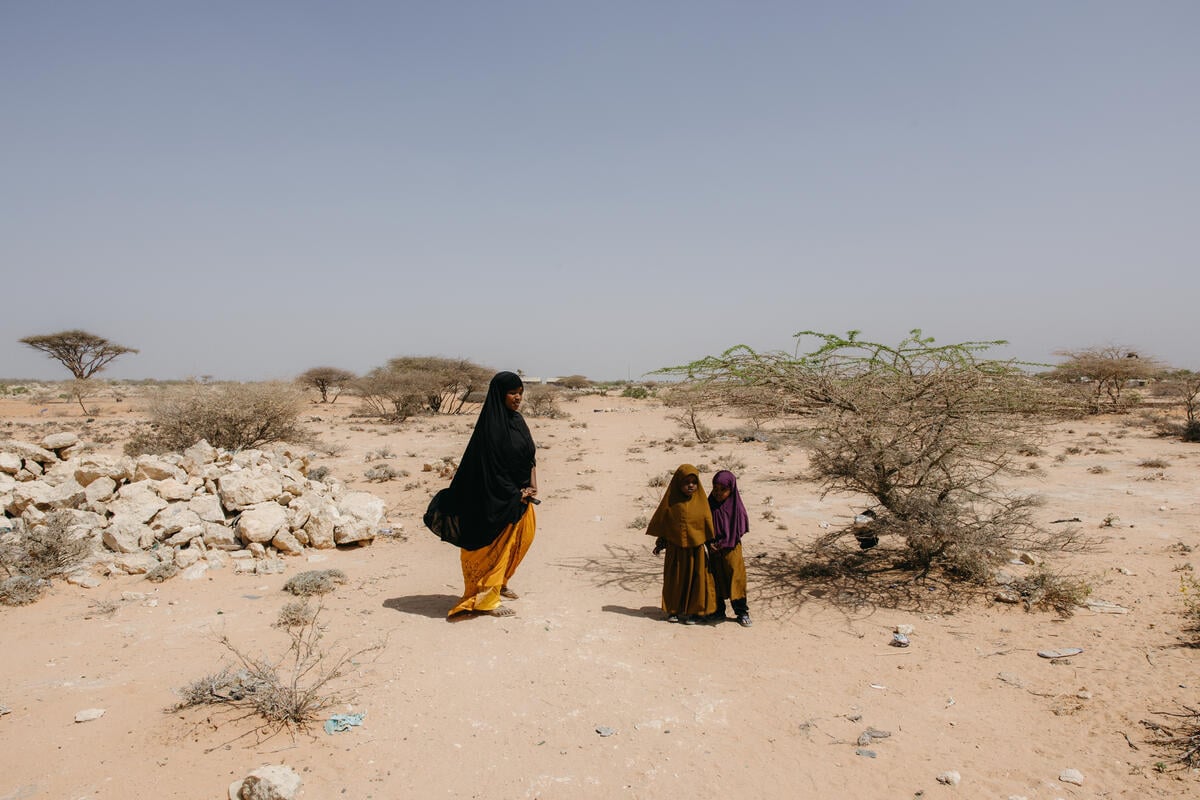
Drought and erratic rainfall have damaged crops, reduced water availability, and weakened livestock-dependent livelihoods after repeated poor seasons.
-
Conflict and insecurity continue to displace families, disrupting farming and livestock production, restricting trade routes, and limiting access to markets and humanitarian assistance.
- High food prices and economic pressures have reduced families’ ability to buy food, making it harder for vulnerable households to afford essentials. Humanitarian agencies warn that high food prices continue to worsen hunger, particularly among displaced people.
-
Flooding could deepen the crisis. Heavy El Niño-related rains expected during the October–December Deyr rainy season could destroy crops and livestock, cut off communities from markets and services, and trigger new displacement just as families are trying to recover from drought.
What does famine mean?
“Famine” is a technical classification, not a general description of hunger. It represents the most severe level of food insecurity, formally defined using the Integrated Food Security Phase Classification system (IPC).
Famine is declared when extreme hunger, severe malnutrition, and hunger-related deaths reach critical thresholds across a population at the same time. It is rare and is only confirmed after rigorous analysis by international food security experts using the IPC framework.
Even before a famine is officially declared, communities may already be experiencing emergency or catastrophic levels of hunger and urgently need lifesaving assistance.
Is Somalia experiencing famine?
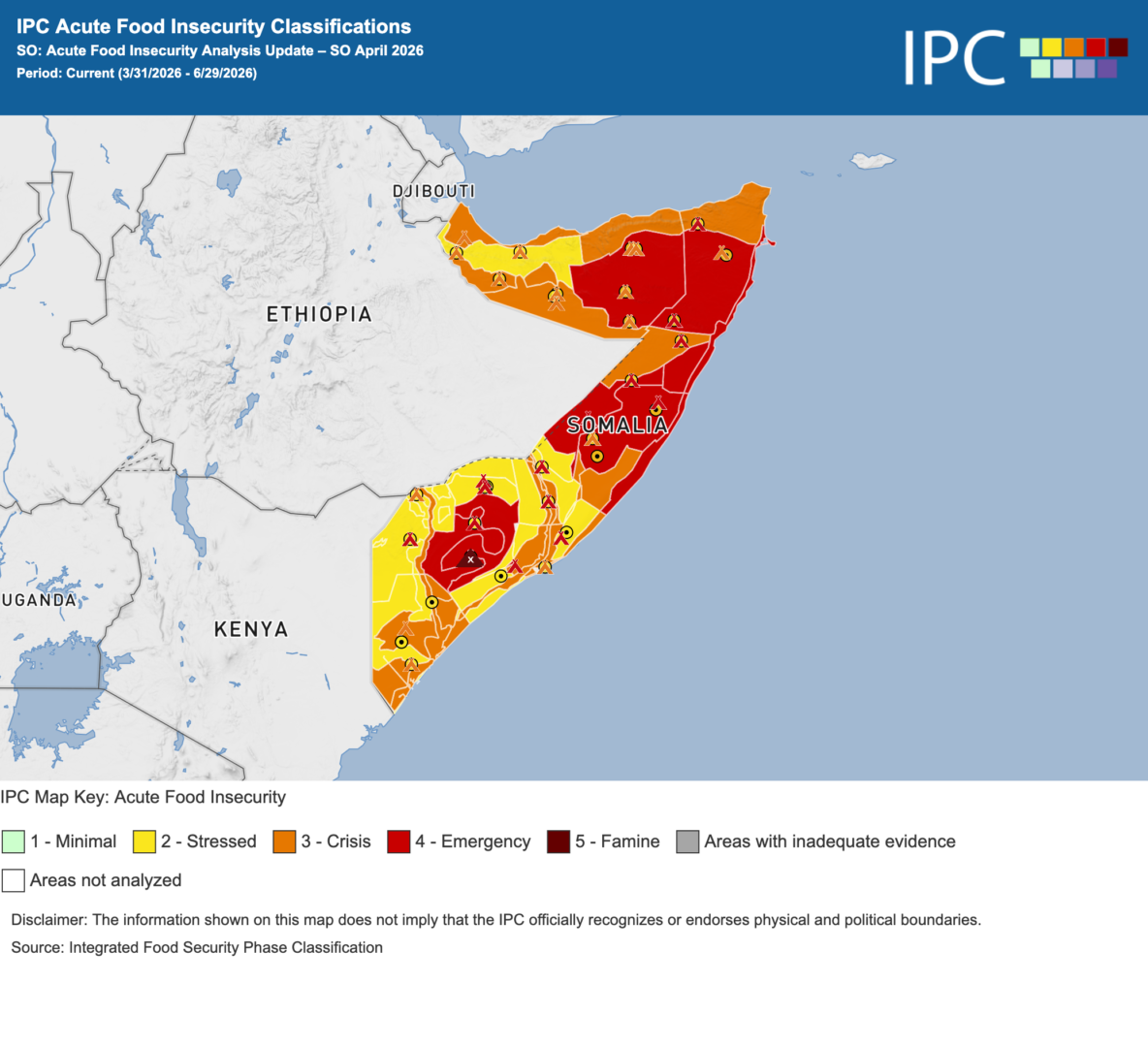
A nationwide famine has not been officially declared in Somalia in 2026. However, the latest IPC analysis identifies a risk of famine among internally displaced people in Baidoa, in Bay Region, if flooding and displacement are more severe than anticipated.
Nearly 26,000 internally displaced people in Baidoa are projected to face Catastrophe (IPC Phase 5) between October and December 2026. Under a plausible worst-case scenario, worsening flooding and displacement could push these communities into famine conditions.
The IPC notes that the Baidoa famine-risk assessment is based on data collected in April 2026, and a follow-up assessment is planned for October to gather new evidence and confirm the level of risk.
“The recent IPC report, flagging the risk of famine in Baidoa, confirms our worst fears: the El Niño floods projected for Somalia will displace thousands of people who are already on the brink of catastrophe,” said Kevin Mackey, national director of World Vision in Somalia.
What is happening in Somalia’s hunger crisis in 2026?
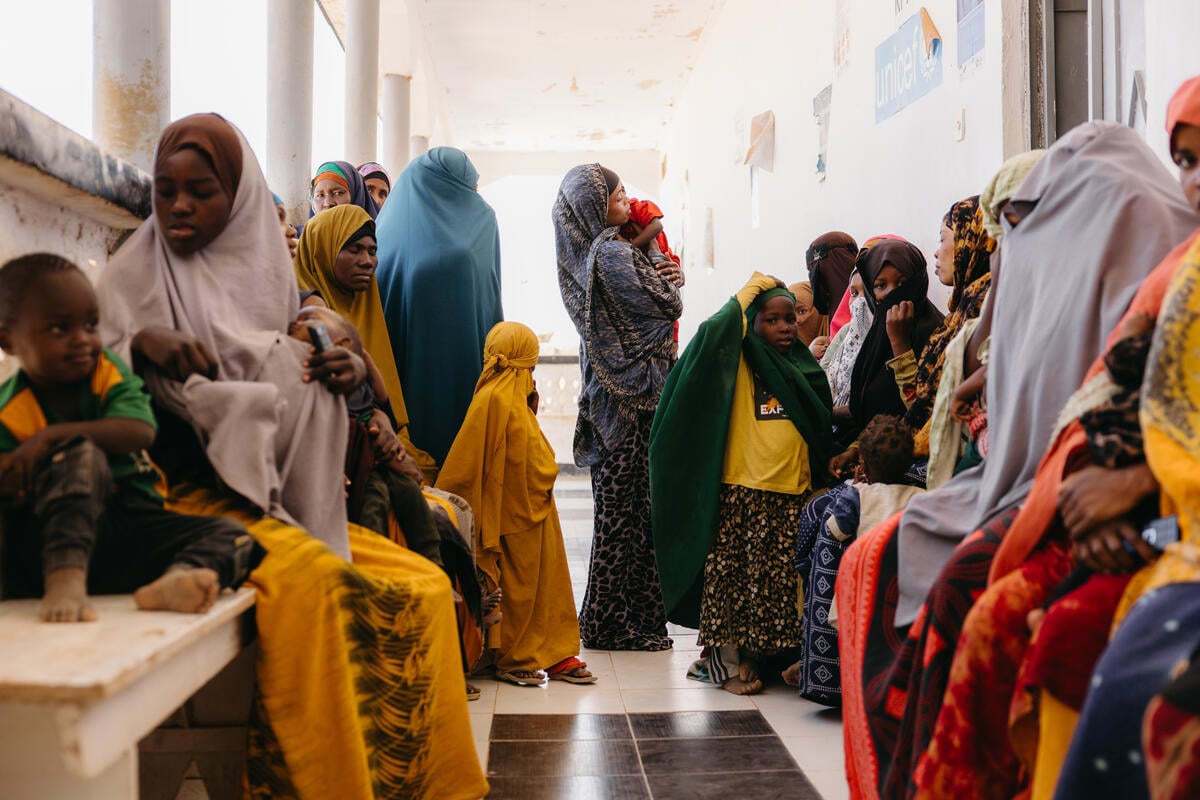
Somalia is experiencing a severe and worsening food insecurity crisis, with millions of families struggling each day to find enough food. According to IPC’s latest analysis projections, 5.4 million people will face crisis-level hunger or worse, including 1.5 million facing emergency levels of hunger or worse.
In Somalia’s hardest-hit areas in the southern and central regions, families are facing extreme food shortages and worsening water scarcity. Repeated climate shocks, including failed rainy seasons, have devastated crops and livestock, threatened livelihoods, and made it increasingly difficult for families to provide for their children.
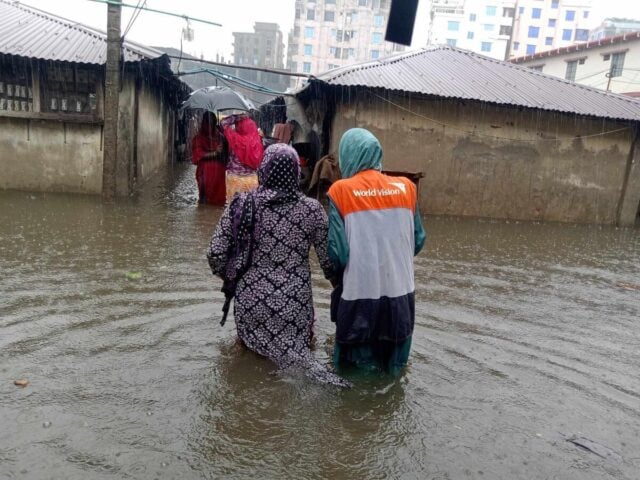
The anticipated El Niño-related rains could bring another major shock. Flooding is expected to hit rural riverine and agropastoral communities particularly hard, damaging crops and livestock, disrupting markets and cutting off access to essential services.
How are children affected by malnutrition in Somalia?
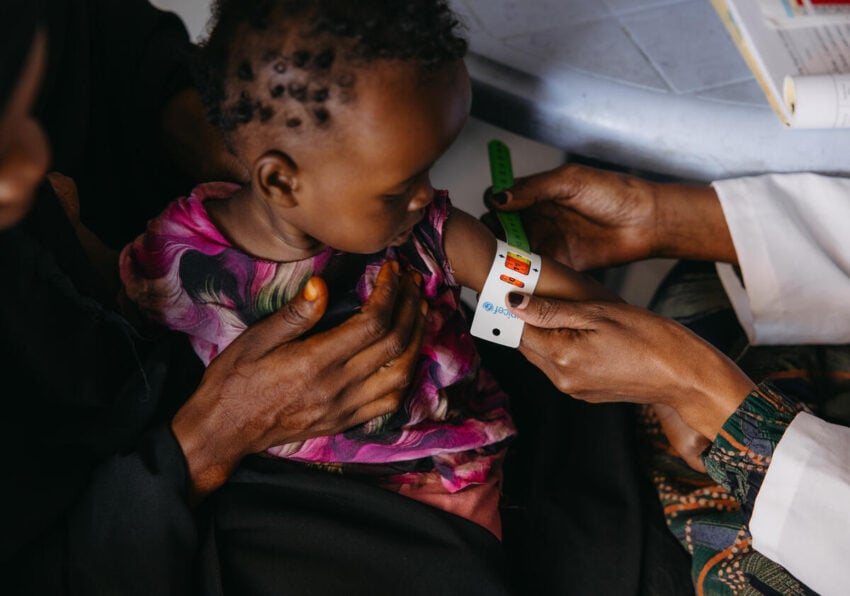
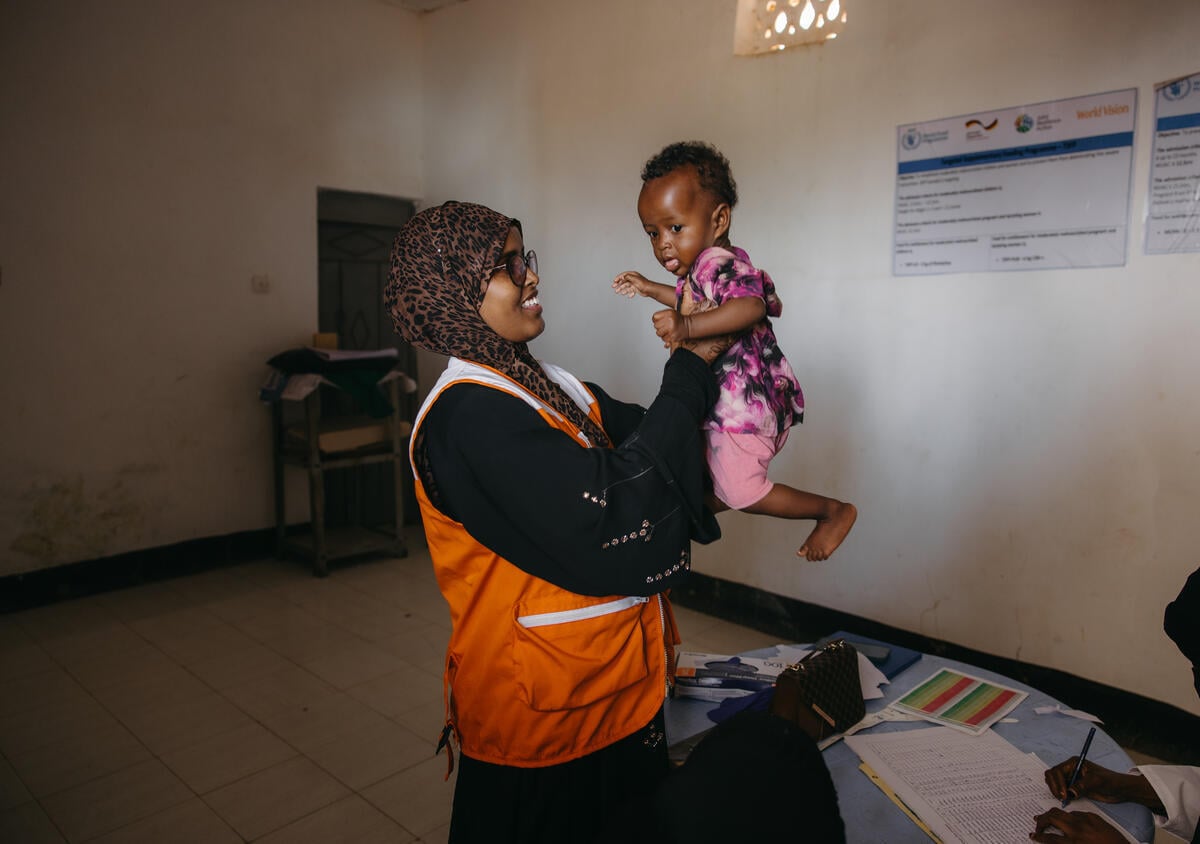
Children are among those most vulnerable to Somalia’s hunger crisis. An estimated 1.92 million children ages 6 months to 5 years will require treatment for acute malnutrition between July 2026 and June 2027, including 433,000 children with severe acute malnutrition, the most life-threatening form.
Across Somalia, World Vision-supported health facilities are reporting a sharp increase in severe child malnutrition. Between January and March 2026, more than 3,500 children were diagnosed with severe acute malnutrition — a 60% increase compared to the same period in 2025.
“In the health facilities that we support, we are treating children who are too weak to cry, their bodies shutting down after days without food, mothers are being forced to walk for hours to reach the nearest health facility,” says Zerihun Merea, health and nutrition advisor for World Vision in Somalia.
According to UNICEF and the World Food Programme, millions of children in drought-affected regions are facing acute malnutrition as repeated climate shocks continue to devastate food systems.
How is World Vision responding to the Somalia hunger crisis?
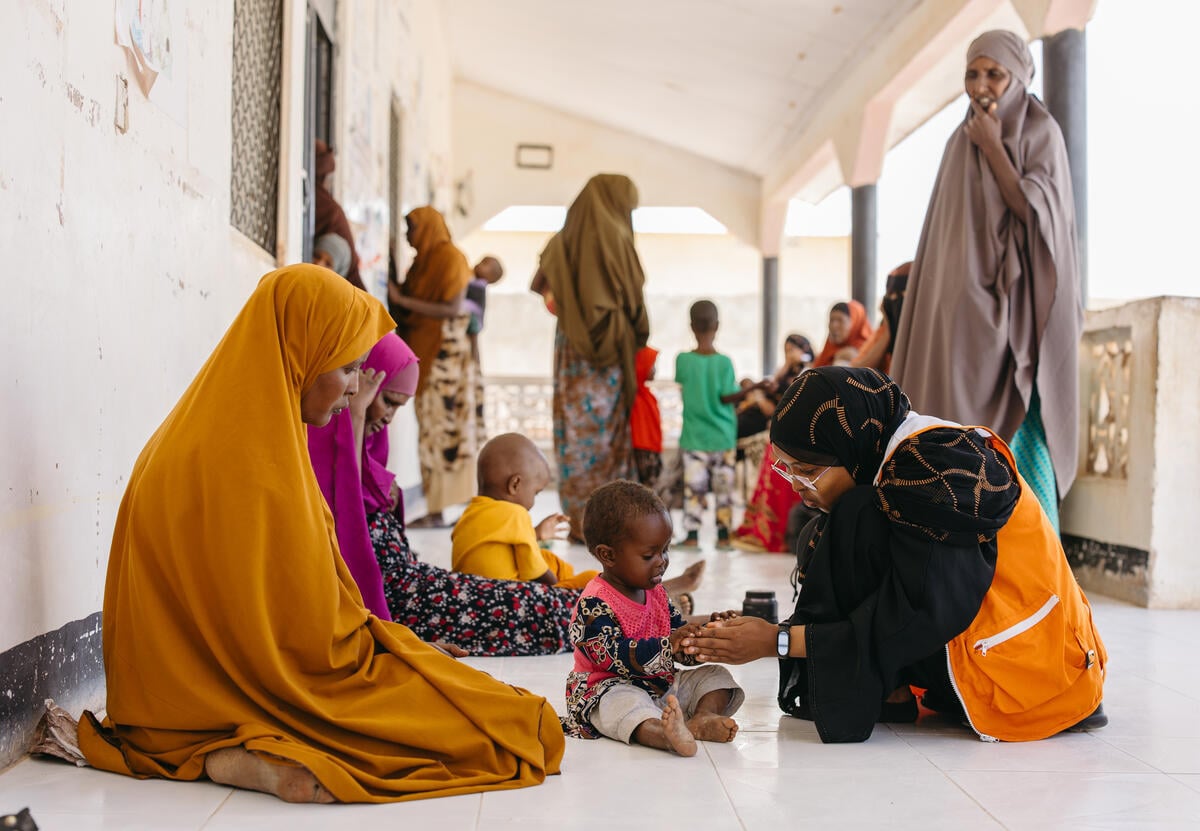
World Vision is working with communities and partners in Somalia to address urgent needs related to food security, health and nutrition, child protection, and clean water, sanitation, and hygiene (WASH).
As Somalia prepares for possible El Niño-related flooding, World Vision is supporting early warning and preparedness efforts and working to position critical supplies before flooding makes roads and other access routes more difficult to use.
World Vision-supported health and nutrition facilities are treating children with acute malnutrition while teams continue supporting vulnerable families affected by drought, displacement and food insecurity.
In 2024, World Vision supported more than 1.38 million people across Somalia through integrated programs in food security and livelihoods, health and nutrition, child protection, and WASH. Even with these efforts, malnutrition and food insecurity remain widespread, particularly in drought-affected and conflict-impacted areas. Access for humanitarian organizations to some of the hardest-hit communities continues to be challenging due to insecurity and poor infrastructure.
Since 1993, World Vision has responded to ongoing humanitarian crises in Somalia driven by conflict, climate shocks, drought, and economic instability, with a particular focus on internally displaced persons, children, and women.
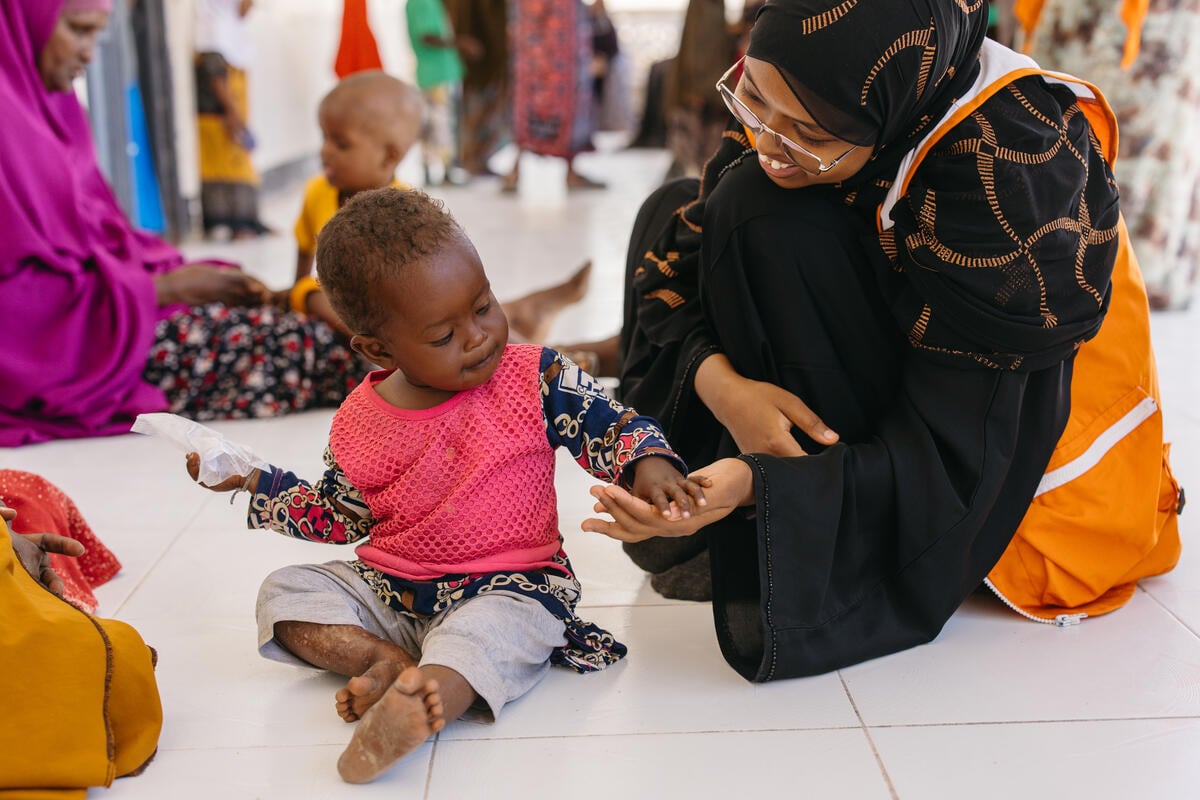
How can I help children and families impacted by the crisis in Somalia?
-
Pray: Lift up children, families, and humanitarian workers who come to their aid.
Heavenly Father, we bring before You the children and families in Somalia who are suffering from hunger and loss. We pray for provision during this time of scarcity, healing for those who are sick, and peace where there is fear. We ask that You heal the children experiencing severe acute malnutrition so they can grow strong and healthy. We also pray for strength for those who are responding to these urgent needs and ask that You inspire us all to act with urgency and love.
- Give: Help meet the most urgent needs of children and families suffering from the hunger crisis.