
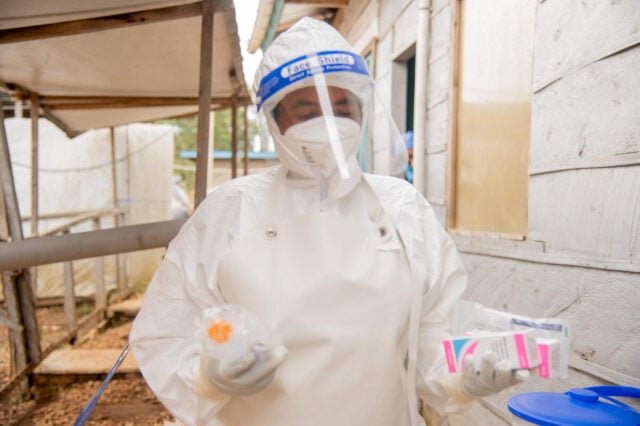
Explore frequently asked questions about the Ebola virus and World Vision’s response to the 2026 Ebola outbreak. Learn how we educate communities, support healthcare workers, provide child protection, and more in the fight against Ebola outbreaks.
News & Stories
Africa
From the Field
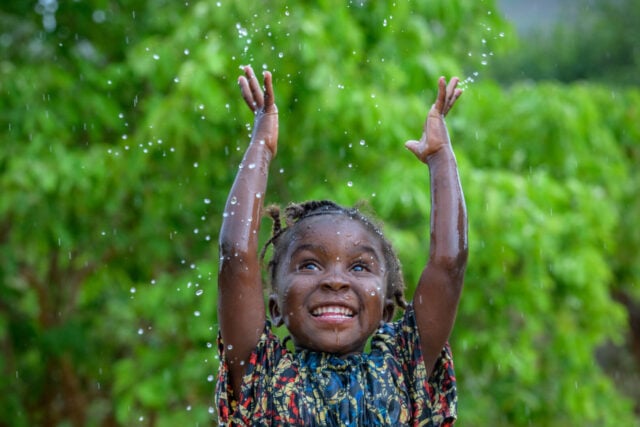
Clean water access assuages a mother’s fears
A past fearful of children drowning no longer exists in a Zambian community. That changed with the arrival of World Vision-drilled wells. Now a young mother and her community no longer fear water-borne illness or sending children to collect water.
From the Field
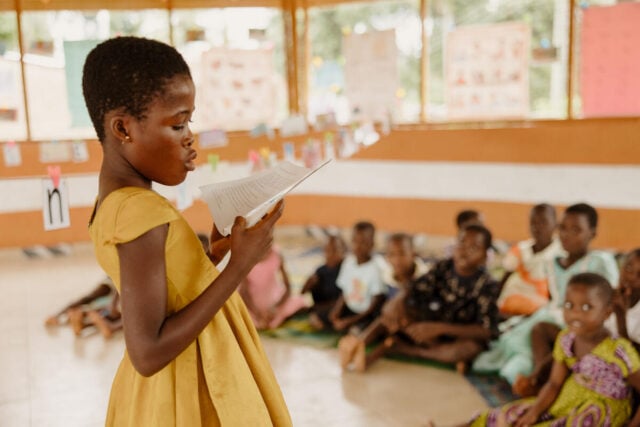
Reading club helps Alberta thrive in Ghana
Nine-year-old Alberta struggled to read and speak English at school in Ghana. A World Vision–supported reading club helped her gain confidence, literacy, and hope for the future.
From the Field
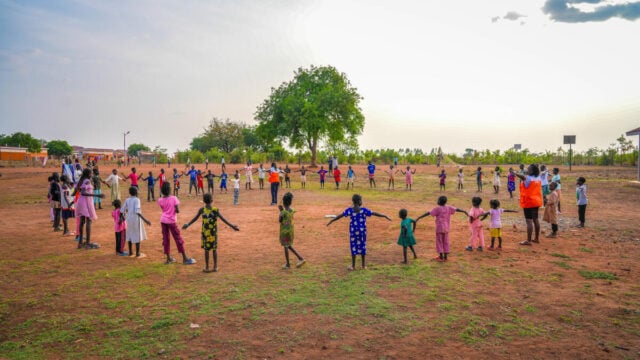
Sudanese refugees find safety in Uganda
Since conflict escalated in Sudan in 2023, millions have been displaced. At Uganda’s Nyumanzi Reception Center, World Vision supports refugee families with shelter, medical care, and protection services.
From the Field
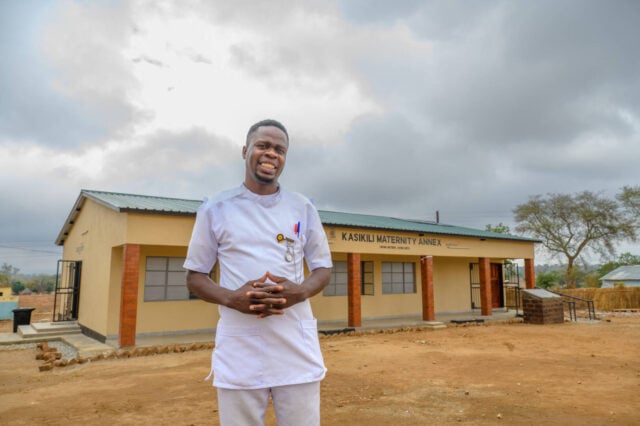
A nurse feels lucky when his clinic gets clean water
A nurse named Lucky didn’t live into his name when he first saw the new clinic in southern Zambia where he’d been assigned. It had no running water, a crumbling roof, and a bat infestation. But World Vision led refurbishing the initial clinic and building a new maternity ward, and they brought clean water into the community.
From the Field
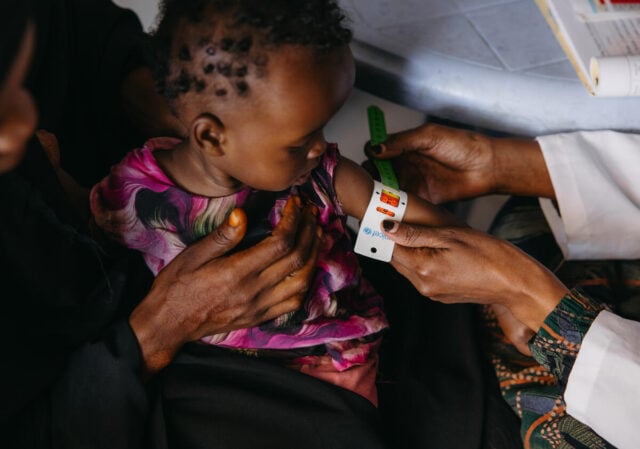
Somalia hunger crisis: Facts, FAQs, and how to help
Somalia is facing a worsening hunger crisis in 2026, with millions affected by food insecurity and child malnutrition. Learn facts and how to help.
From the Field
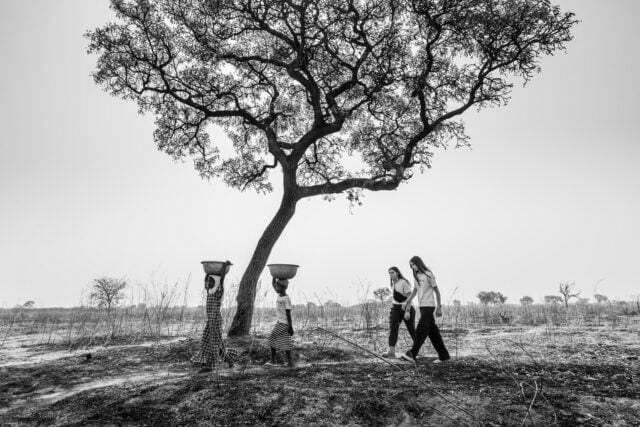
Eyewitness to need: Keeping a promise in Ghana
A mother and her two daughters take an unusual vacation to Ghana. They not only see the beauty of God’s earth, but learn how not having clean water stops progress for mothers and daughters just like them.
From the Field
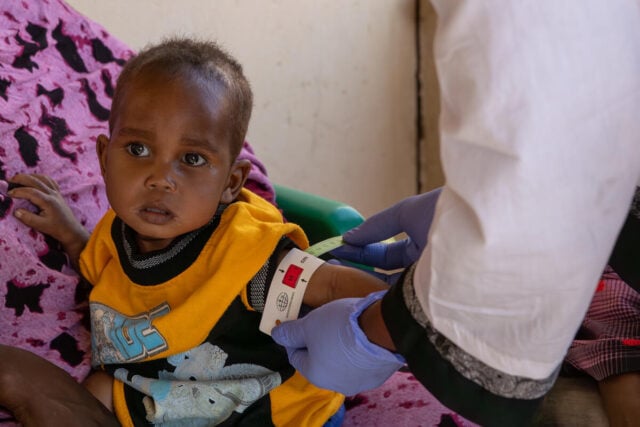
Sudan hunger crisis: Rainy season threatens to cut off lifesaving aid
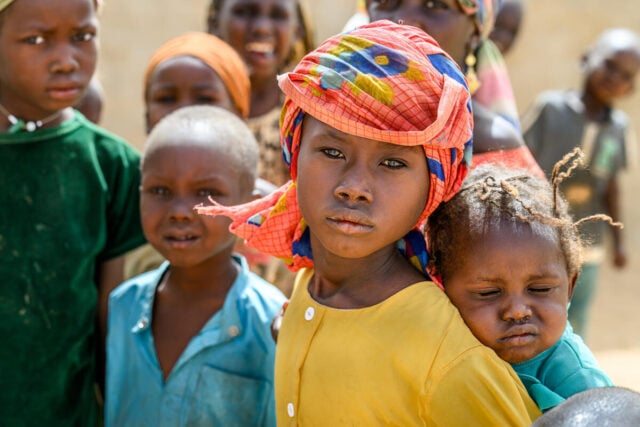
As Sudan enters its fourth year of conflict, more than 12 million people have fled their homes, and aid systems are under strain. As rains threaten to cut off delivery of aid this June, millions of children face escalating hunger and malnutrition. Learn how World Vision is responding to the crisis in Sudan and neighboring countries.
From the Field
Sudan crisis: Stories of survival, hope, and relief
View stories, videos, and updates about the Sudan crisis and World Vision’s response — compiled in one place. Explore the unfolding crisis in Sudan, view survivors’ stories, and learn how World Vision is delivering lifesaving aid to affected communities in the region.
From the Field
Two midwives, two experiences
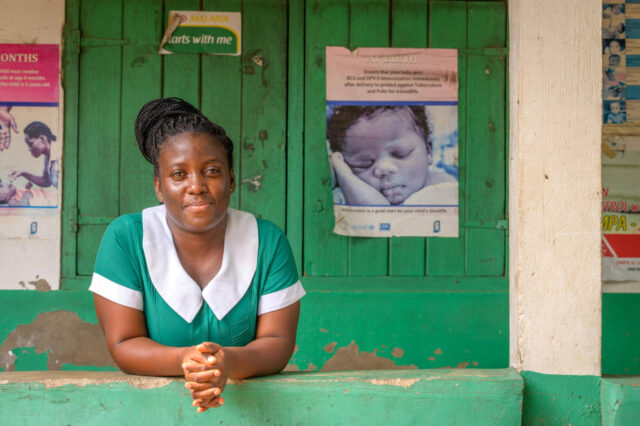
Nearly 4 million Ghanaians lack clean water, a burden felt most in rural clinics where midwives like Mabel and Ramicah struggle to provide safe care. Their facilities depend on contaminated open dams, forcing staff and patients to collect unsafe water that contributes to diarrhea, typhoid, skin infections, and dangerous conditions for mothers and newborns. Water shortages often lead to early discharges, and caregivers themselves fall ill. Child mortality remains high, with many deaths linked to poor water and sanitation. A new mechanized water system installed by World Vision transformed Ramicah’s clinic — providing clean water, functional sanitation, and increasing patient attendance. World Vision is assessing similar solutions for Mabel’s community and aims to expand safe water access across Ghana, including to 500 schools and 200 health facilities, benefiting 700,000 people. Their stories underscore the urgent need for lasting clean water.