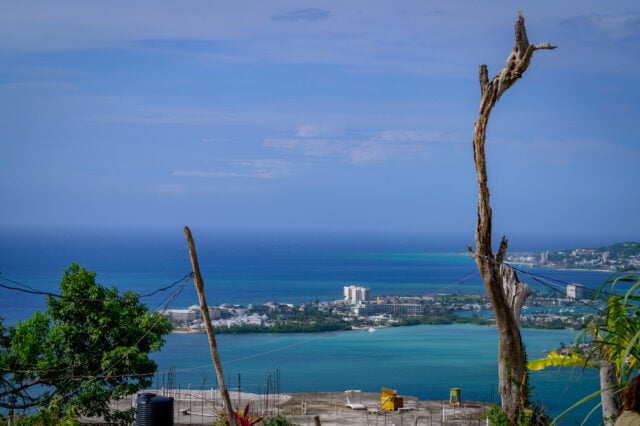
On a Wednesday evening in June, Daniela Romera was at the Fuente de Vida church in La Guaira, Venezuela, just yards from the seaport’s edge. Suddenly the 27-year-old felt a tremor that, unlike the usual ones, rapidly escalated. Trying to flee the building, she lost her balance and became trapped under a door until her father, Henrry Romero, the pastor of the church, rescued her. As nearby buildings collapsed and people became trapped beneath the rubble, Daniela’s family and community immediately focused on rescuing others.
Those 7.2 and 7.5 magnitude earthquakes struck north-central Venezuela less than a minute apart. More than 5,000 people died, and thousands of families were left reeling across these communities near the coast and in the capital city of Caracas.
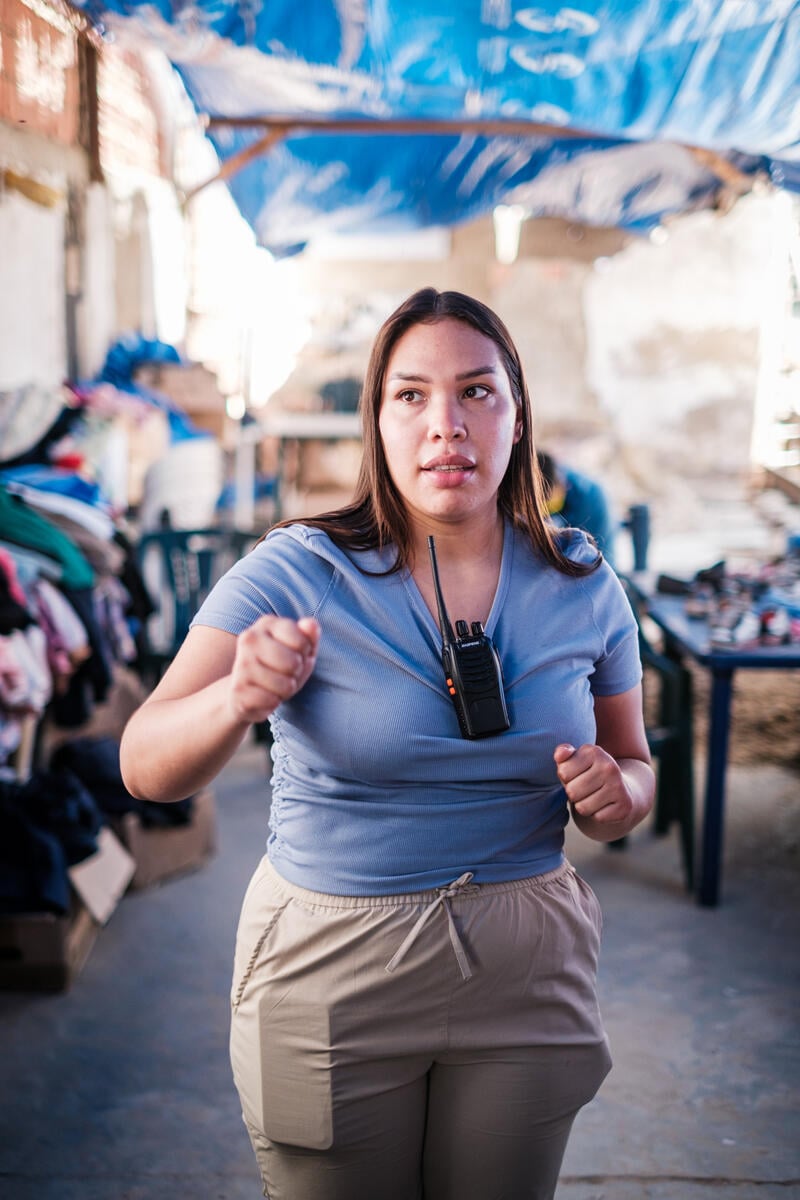
While Daniela’s father and her husband, Johnny Orozco, spent the first five days working tirelessly among the rubble to pull out people alive or dead, Daniela stayed at the church, where she began caring for those seeking safety and shelter. Her involvement grew naturally from love and a desire to serve her neighbors, starting with whatever she had at her quake-damaged home: “water, water with oatmeal and sugar, two kilos of rice with a few eggs.” Soon, Daniela took on roles she didn’t know she was capable of.
“I had to act as a nurse. I had to treat people. I even had to be a psychologist … ” she says. “We had to receive people here with open wounds.”
In the midst of a tragedy, she discovered a new sense of purpose. She says some of the things she valued most before no longer seem as important. And the small details she once overlooked now matter most and carry greater meaning. The experience changed her.
“I feel like I was reborn, and I am a different person,” she says.
Today, Fuente de Vida — fountain of life — church is doing exactly what its name means by serving as a collection center for disaster relief supplies and a haven for families still recovering from the quakes and trying to rebuild their lives. At first, Daniela didn’t know what a “collection center” was — a central location where humanitarian supplies are gathered, stored, and distributed to people who need it most. In the aftermath of the earthquakes, local churches like Fuente de Vida have played a vital role in helping families meet their immediate needs while preparing to start the long-term recovery process.
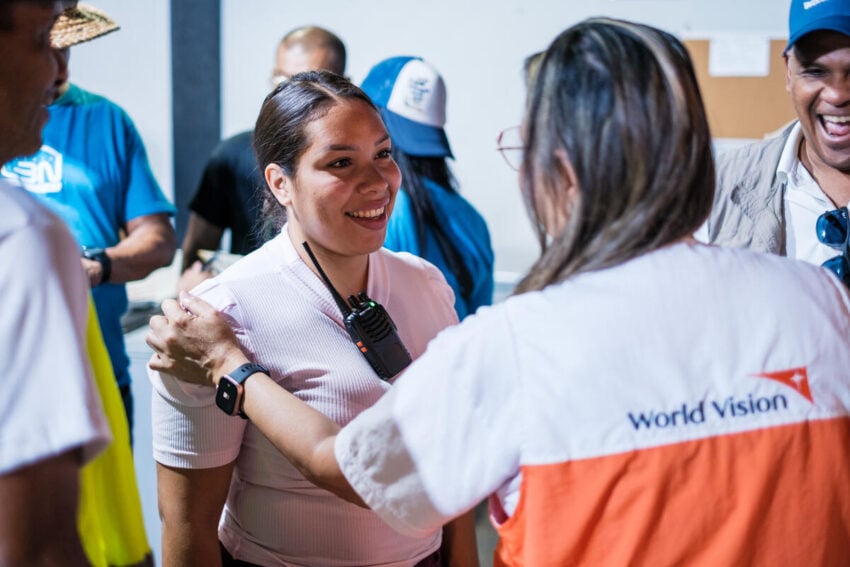
World Vision arrived three days after the quakes to support the community, working with church members to provide humanitarian assistance. Daniela remembers how quickly those supplies were put to use.
“You delivered to us on a Saturday, and by Sunday [at] noon we started distributing things, and at 10:00 p.m. the line still hadn’t stopped,” she says.
Her team found ways to make the resources go further so they could help more people.
“If you gave us 200 bags, we turned them into 400, into 600 bags, because we made up to three bags out of one … so it could reach a larger number of families,” Daniela says.
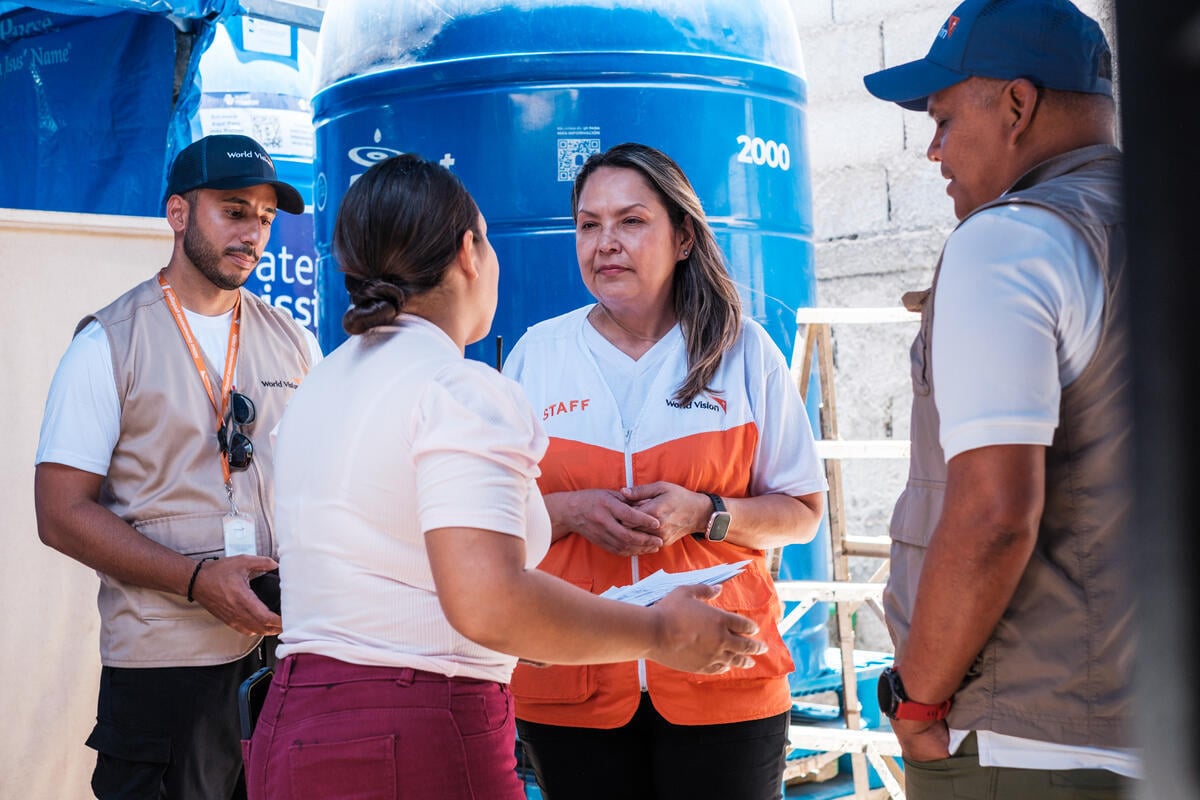
Since the earthquakes, World Vision has worked alongside more than 2,000 local church partners to support families impacted by the disaster. During their visits, World Vision staff delivered water, food, mattresses, power banks, water purification equipment, showers, flashlights, blankets, and pillows, supplies that made a difference for affected families. So far, World Vision has served 82,850 people across the region with emergency food aid, hygiene and water kits, recreational kits, child protection activities, and other essentials.
Daniela says World Vision not only responded quickly but also looks beyond the immediate needs.
“I might tell you we need food, but then they notice we don’t have a water tank.”
“You, as an organization, came with that unique approach of not only thinking about the people’s needs, but supporting us as well with things we might not have considered.”
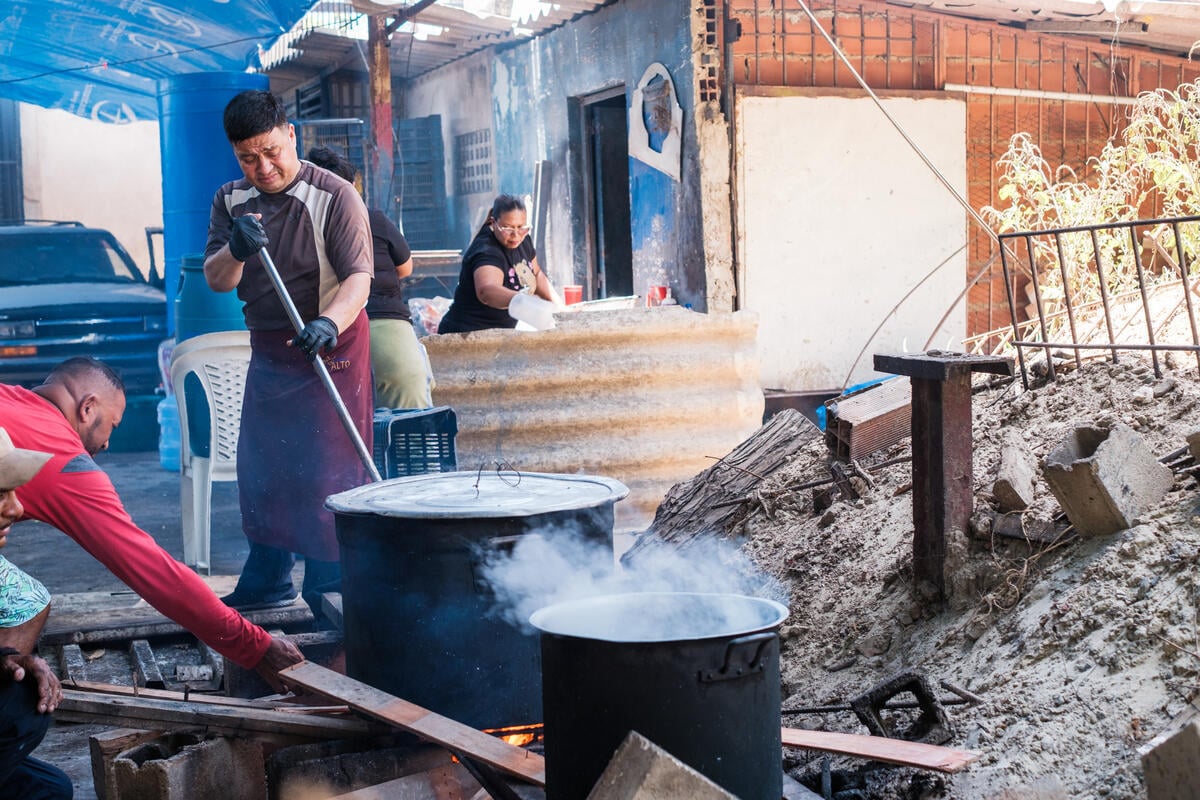
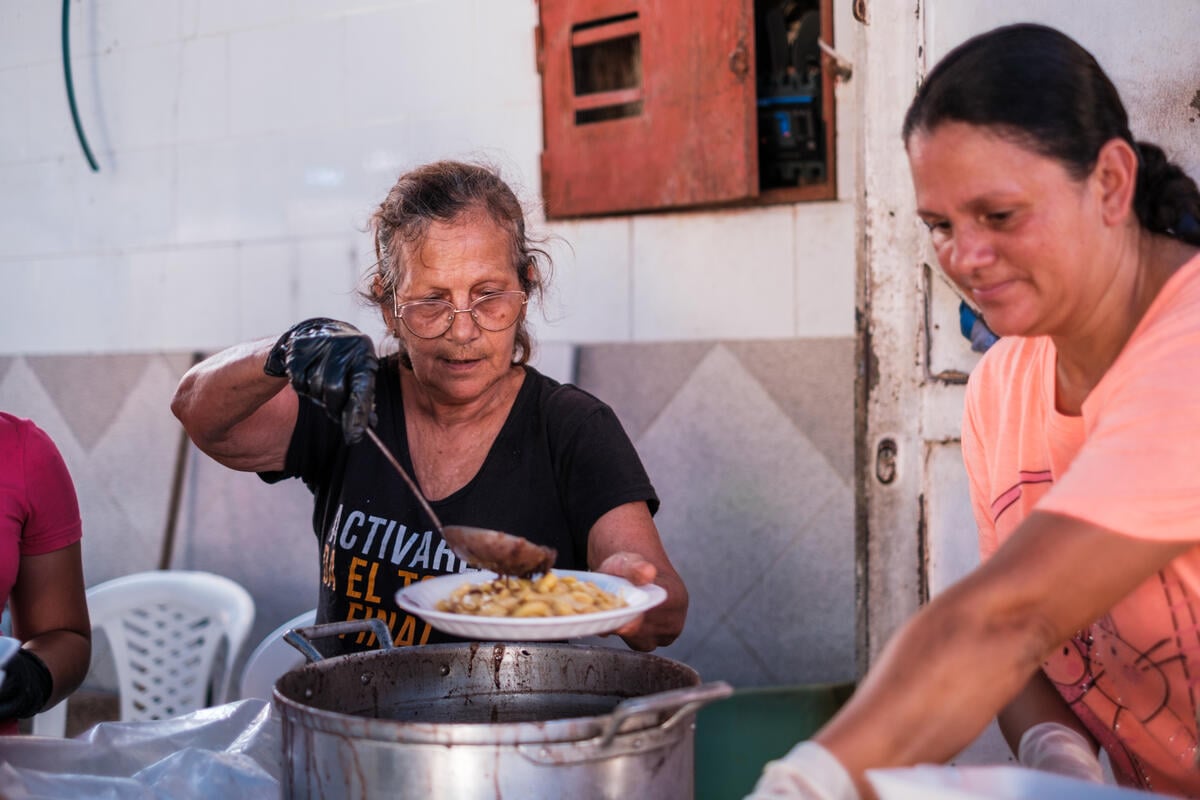
Currently, the Fuente de Vida church continues to provide comprehensive support to the affected community. Volunteers prepare and serve daily breakfasts, lunches, and dinners to families in need. The church continues to help facilitate medical care and access to medicine for people still in need of it. Volunteers continue to distribute supplies as they receive them to further help families begin to restore their daily lives. The distributions vary based on what they receive but can range from clothes and shoes to safety equipment like construction goggles, flashlights, hard hats, and gloves, all the way to cookware sets, tents, tarps, mosquito nets, blankets, pillows, and personal hygiene supplies.
While the earthquakes changed Daniela’s life, she continues to process the trauma, coping with panic attacks and emotional exhaustion. Yet she says her determination to serve others has never been stronger. Alongside her community, she keeps pressing on, helping, offering a message of faith and hope, and bringing encouragement to those who lost everything.
Daniela says, “It all comes down to the fact that people’s lives are more important than anything else.”
Sevil Omer of World Vision’s office in the U.S. contributed to this story.