


Child protection
Every boy and girl deserves a childhood free from violence and exploitation — one in which they’re nurtured and encouraged to become the unique person God has created them to be. Yet half of the world’s children experience some form of violence each year, including war, child labor, child marriage, and trafficking.
World Vision’s approach to ending violence against children equips them, their communities, and local partners with the tools to address the root causes of violence against children — ensuring that communities are actively working to identify and support children in need; advocating for children’s well-being; and providing for immediate needs, such as emergency shelter and essential care.
A few examples of our global leadership in this important area:
The latest articles
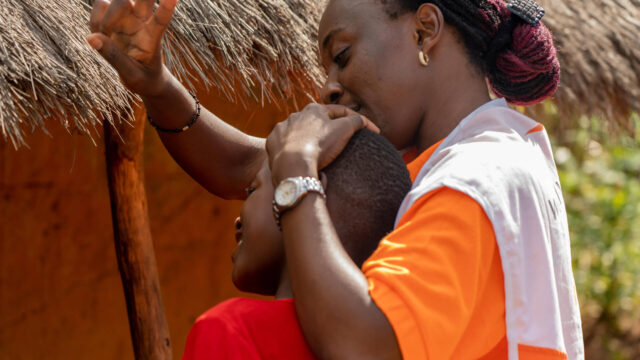
Christine was once unjustly stigmatized as a sorcerer in her community. Then she became an advocate against child mistreatment through music-based therapy, transforming her story into a powerful song broadcast across radio stations.
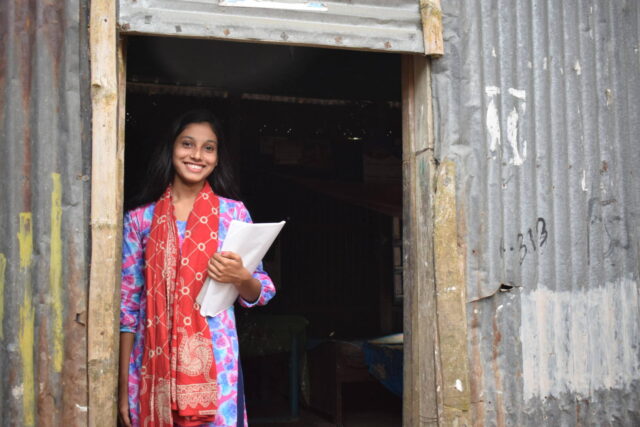
In northern Bangladesh, Sumaiya faced the all-too-common prospect of child marriage when she was 16, a practice still prevalent in her region. With her parents working in a different town, her grandparents, under financial strain, arranged for her marriage. Through Sumaiya’s determination and involvement with her adolescent club, part of a World Vision initiative promoting social justice and education for girls, the marriage was called off, and Sumaiya is helping other girls in her community experience more hopeful futures.
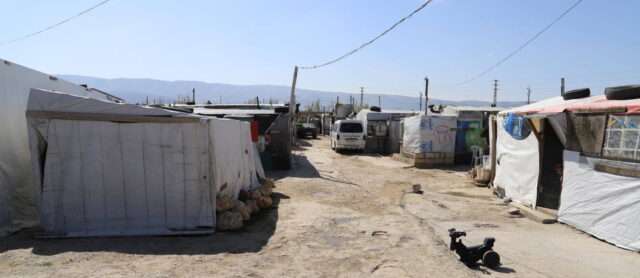
As Lebanon encounters an economic crisis, refugee children face protection risks and fading education access.
10.2 million
children impacted through child protection projects since 2017.
447,390
children and youth who acted to end violence against children.
Thanks to the support of World Vision donors around the world in 2016-2017.
42,533
adolescents who were trained to be youth leaders.
Thanks to the support of World Vision donors around the world in 2016-2017.
Our Child Protection Approach
What does child protection mean?
World Vision defines child protection as all efforts to prevent and respond to abuse, neglect, exploitation, and other forms of violence against children — especially the most vulnerable.
We seek to create a protective environment around children that ensures their physical, emotional, psychological, and spiritual needs are met within caring and protective families and communities.
How does World Vision help children outside of parental care?
We value the family as the primary social unit and affirm the role of parents and family caregivers as those primarily responsible for the nurturing and protection of children. Children develop best in a family-based environment rather than institutional care, the detrimental impacts of which are now widely recognized.
For that reason, we start by equipping families to better care for and protect children, reducing risk of separation from their immediate and extended family, strengthening systems that provide alternative community-based options to institutionalization, and supporting transition and de-institutionalization processes.
Our goal is to help ensure that children can remain with family members. If this is not in the child’s best interest, World Vision supports the family, community, and local leaders in finding community-based solutions.
How does World Vision prevent crimes like child slavery and child sex trafficking?
World Vision works in partnership with local hospitals, schools, community leaders, faith communities, and law enforcement agencies to raise awareness and advocate for risks to children, to speak out against harmful attitudes and practices, and to identify and respond to abuse and exploitation when they encounter it.
World Vision focuses on the most vulnerable — for example, children separated from their families, who live or work on the street, who are affected by disaster or conflict, or who are not in school — and provides targeted education for these children on what trafficking is and recruitment techniques that traffickers use. By connecting vulnerable children with quality education and supporting families to meet children’s immediate needs, such as food and housing, we can contribute significantly to the prevention of child slavery and trafficking.
How does World Vision work to protect children in need?
World Vision brings together key actors to create a protective environment where all children, especially the most vulnerable, are cared for and supported.
The foundation of our approach is Child Protection and Advocacy groups, consisting of formal and informal partners across the child’s world. These groups coordinate and implement programs that:
- EMPOWER GIRLS and BOYS, through knowledge and practical skills, to protect themselves and one another
- STRENGTHEN FAMILIES with parenting and social and economic support so they can function as a first line of protection for children
- ADDRESS HARMFUL ATTITUDES, NORMS, AND BEHAVIORS — ensuring solutions are appropriate to the local context by working closely with families, community and faith leaders, and children themselves
- INFLUENCE GOVERNMENTS through advocacy at all levels, including strengthening local people’s voices, to improve child protection laws and systems
- ADDRESS OTHER ROOT CAUSES of violence against children
What does World Vision do to help children recover from abuse or exploitation?
Children who have been abused or exploited need time and care to recover. We work to reunite them with their families and communities when possible and appropriate, and start by helping them heal through medical, legal, and psychosocial services — connecting them with opportunities to build life and livelihood skills and further their education. Often, this means providing a safe place for them to go while offering counseling and recovery activities.
Child Protection Resources
World Vision is conducting cutting-edge research with Johns Hopkins University and USAID using system dynamics modeling to predict and effectively implement targeted responses to gang and community violence against children in Latin America.
https://wvus.link/child-labor-brief
World Vision partners with governments, the private sector, and civil society to raise awareness and uphold workers’ rights, including the rights of children to be free from economic exploitation, hazardous work, or work that interferes with their education.
/child-protection-news-stories/child-labor-facts
/child-protection-news-stories/female-genital-mutilation-fgm-facts
Every boy and girl deserves a childhood free from violence and exploitation — one in which they’re nurtured and encouraged to become the unique person God has created them to be. Yet half of the world’s children experience some form of violence each year, including war, child labor, child marriage, and trafficking.
World Vision’s approach to ending violence against children equips them, their communities, and local partners with the tools to address the root causes of violence against children — ensuring that communities are actively working to identify and support children in need; advocating for children’s well-being; and providing for immediate needs, such as emergency shelter and essential care.
A few examples of our global leadership in this important area:
The latest articles
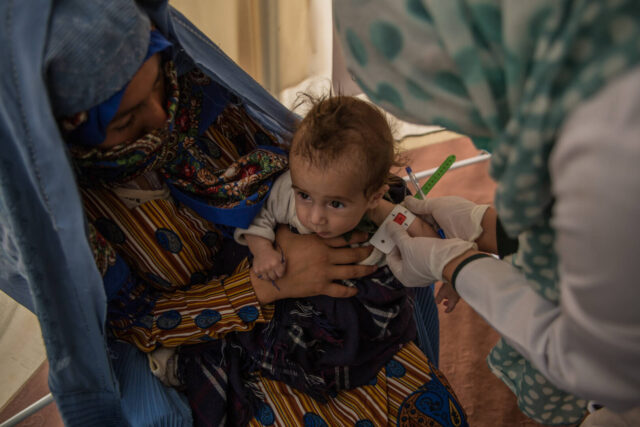
At least 22.8 million people face a hunger crisis in Afghanistan, where parents are faced with the impossible choice of selling a child for food or seeing their families starve. Learn what World Vision is doing to help families affected by the Afghan hunger crisis.
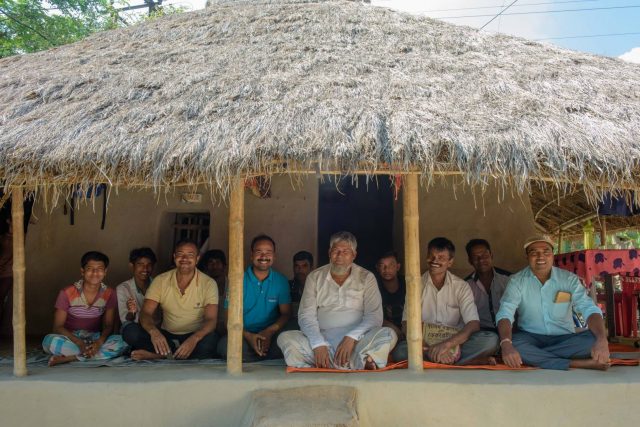
Men Care Groups are part of World Vision’s child protection work in India. By teaching men to treat their wives and daughters with more tenderness, World Vision helps them to create an environment less conducive to child trafficking.
As Lebanon encounters an economic crisis, refugee children face protection risks and fading education access.
10.2 million
children participated in protection activities like community awareness.
Thanks to the support of World Vision donors around the world in 2016-2017.
447,390
children and youth who acted to end violence against children.
Thanks to the support of World Vision donors around the world in 2016-2017.
42,533
adolescents who were trained to be youth leaders.
Thanks to the support of World Vision donors around the world in 2016-2017.
Our Child Protection Approach
What does child protection mean?
World Vision defines child protection as all efforts to prevent and respond to abuse, neglect, exploitation, and other forms of violence against children — especially the most vulnerable.
We seek to create a protective environment around children that ensures their physical, emotional, psychological, and spiritual needs are met within caring and protective families and communities.
How does World Vision help children outside of parental care?
We value the family as the primary social unit and affirm the role of parents and family caregivers as those primarily responsible for the nurturing and protection of children. Children develop best in a family-based environment rather than institutional care, the detrimental impacts of which are now widely recognized.
For that reason, we start by equipping families to better care for and protect children, reducing risk of separation from their immediate and extended family, strengthening systems that provide alternative community-based options to institutionalization, and supporting transition and de-institutionalization processes.
Our goal is to help ensure that children can remain with family members. If this is not in the child’s best interest, World Vision supports the family, community, and local leaders in finding community-based solutions.
How does World Vision prevent crimes like child slavery and child sex trafficking?
World Vision works in partnership with local hospitals, schools, community leaders, faith communities, and law enforcement agencies to raise awareness and advocate for risks to children, to speak out against harmful attitudes and practices, and to identify and respond to abuse and exploitation when they encounter it.
World Vision focuses on the most vulnerable — for example, children separated from their families, who live or work on the street, who are affected by disaster or conflict, or who are not in school — and provides targeted education for these children on what trafficking is and recruitment techniques that traffickers use. By connecting vulnerable children with quality education and supporting families to meet children’s immediate needs, such as food and housing, we can contribute significantly to the prevention of child slavery and trafficking.
How does World Vision work to protect children in need?
World Vision brings together key actors to create a protective environment where all children, especially the most vulnerable, are cared for and supported.
The foundation of our approach is Child Protection and Advocacy groups, consisting of formal and informal partners across the child’s world. These groups coordinate and implement programs that:
- EMPOWER GIRLS and BOYS, through knowledge and practical skills, to protect themselves and one another
- STRENGTHEN FAMILIES with parenting and social and economic support so they can function as a first line of protection for children
- ADDRESS HARMFUL ATTITUDES, NORMS, AND BEHAVIORS — ensuring solutions are appropriate to the local context by working closely with families, community and faith leaders, and children themselves
- INFLUENCE GOVERNMENTS through advocacy at all levels, including strengthening local people’s voices, to improve child protection laws and systems
- ADDRESS OTHER ROOT CAUSES of violence against children
What does World Vision do to help children recover from abuse or exploitation?
Children who have been abused or exploited need time and care to recover. We work to reunite them with their families and communities when possible and appropriate, and start by helping them heal through medical, legal, and psychosocial services — connecting them with opportunities to build life and livelihood skills and further their education. Often, this means providing a safe place for them to go while offering counseling and recovery activities.
Child Protection Resources
World Vision is conducting cutting-edge research with Johns Hopkins University and USAID using system dynamics modeling to predict and effectively implement targeted responses to gang and community violence against children in Latin America.
https://wvus.link/child-labor-brief
World Vision partners with governments, the private sector, and civil society to raise awareness and uphold workers’ rights, including the rights of children to be free from economic exploitation, hazardous work, or work that interferes with their education.
/child-protection-news-stories/child-labor-facts
/child-protection-news-stories/female-genital-mutilation-fgm-facts
Ways to support child protection
Hope for sexually exploited girls
The innocence of millions of girls is stolen by sexual assault and violence — and exploitation is worsening due to economic and social fallout from the pandemic, ongoing conflict situations, and growing hunger crises.
Your gift will help shine God’s love in the most challenging places and help restore physical and spiritual health to survivors by providing medical care, safe shelter and nutritious food, compassionate counseling, and vocational training that empowers girls with opportunities to pursue brighter futures.
Become a Child Protection Partner
It’s estimated that by the end of 2022, nearly 9 million more children will have been forced into child labor as a result of the pandemic’s economic effects.
Your gift to support child protection will help shield vulnerable girls and boys from harm — and help those who have been exploited to recover. Thanks to public grants, your gifts will multiply 5 times in impact to provide specialized preventive and restorative programs.
Monthly giving is the most effective way to help children and families who need it most. Plus, it lowers costs, which means more of your gift helps kids!
Ways to support child protection
Hope for sexually exploited girls
The innocence of millions of girls is stolen by sexual assault and violence — and exploitation is worsening due to economic and social fallout from the pandemic, ongoing conflict situations, and growing hunger crises.
Your gift will help shine God’s love in the most challenging places and help restore physical and spiritual health to survivors by providing medical care, safe shelter and nutritious food, compassionate counseling, and vocational training that empowers girls with opportunities to pursue brighter futures.
Become a Child Protection Partner
It’s estimated that by the end of 2022, nearly 9 million more children will have been forced into child labor as a result of the pandemic’s economic effects.
Your gift to support child protection will help shield vulnerable girls and boys from harm — and help those who have been exploited to recover. Thanks to public grants, your gifts will multiply 5 times in impact to provide specialized preventive and restorative programs.
Monthly giving is the most effective way to help children and families who need it most. Plus, it lowers costs, which means more of your gift helps kids!
Ways to support child protection
Hope for sexually exploited girls
The innocence of millions of girls is stolen by sexual assault and violence — and exploitation is worsening due to economic and social fallout from the pandemic, ongoing conflict situations, and growing hunger crises.
Your gift will help shine God’s love in the most challenging places and help restore physical and spiritual health to survivors by providing medical care, safe shelter and nutritious food, compassionate counseling, and vocational training that empowers girls with opportunities to pursue brighter futures.
Become a Child Protection Partner
It’s estimated that by the end of 2022, nearly 9 million more children will have been forced into child labor as a result of the pandemic’s economic effects.
Your gift to support child protection will help shield vulnerable girls and boys from harm — and help those who have been exploited to recover. Thanks to public grants, your gifts will multiply 5 times in impact to provide specialized preventive and restorative programs.
Monthly giving is the most effective way to help children and families who need it most. Plus, it lowers costs, which means more of your gift helps kids!
We work hand in hand with each community to address their unique needs — and achieve lasting change.
Choose one and see how our work gets done.


Health

Poverty in America

Economic empowerment

Clean water

Education

Christian faith

Gender equality

Disability inclusion

Refugees & fragile states

Child sponsorship