
Brazil

Brazil is the fifth largest country in the world in both area and population, and borders every South American country except Chile and Ecuador. Located in eastern South America, Brazil has an Atlantic coastline of more than 4,600 miles.

  • Population
    194,946,000
  • Land mass
    3,287,612
  • Life Expectancy
    73 years
  • Literacy Rate
    90%
  • Access to Safe Water
    97%
  • Under Age 5 Mortality Rate
    19/1000
Brazil Map

US Comparison to Brazil

Brazil United States
Population
194,946,000
307,000,000
Land Mass
3,287,612
3,794,083 sq miles
Life Expectancy
73 years
78 years
Infant Mortality
19/1000
7/1000
Literacy Rate
90%
97%
School Enrollment
95%
92%
Access to Safe Water
97%
100%
Average Annual Income
$9,390
$41,400

World Vision in Brazil Today

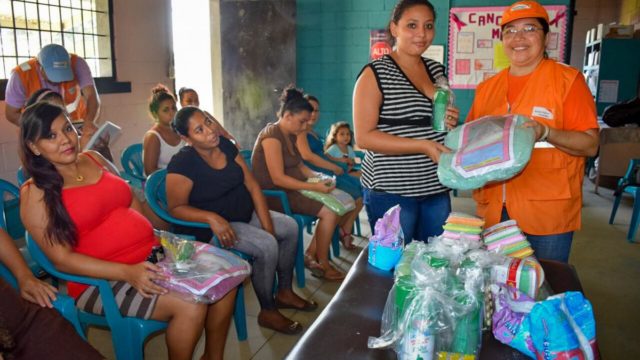
World Vision is committed to partnering with the people of Brazil to improve their lives today and to help enact sustainable solutions for the future of their children, families, and communities. World Vision’s child sponsorship program plays a vital role in this partnership, with donors from the United States sponsoring more than 35,000 girls and boys. In addition to sponsorship, World Vision operates other programs that benefit communities in Brazil. Highlights include:

  • Improving healthcare access for women, children, and their surrounding communities.
  • Providing health services to children and their families along the Amazon River regions with partners such as local churches and the ministry of health.
  • Offering microloans, business skills training and information on how to access markets to help communities increase their incomes and reduce poverty.
  • Training youth leaders in the education and prevention of HIV and AIDS.
  • Helping young mothers living on the street gain access to medical care and social services. Providing health education and vocational training.
  • Working with youth networks to promote advocacy.

World Vision History in Brazil

In 1961, World Vision began working in Brazil through child sponsorship at the Nosso Lar children’s boarding home in São Paulo. Since then, some major accomplishments include:

  • Funding orphanages during the 1960s.
  • Providing food and medical care to children and expectant mothers, offering healthcare classes, and helping families affected by drought to resettle in the 1970s.
  • Distributing supplementary water and food to families affected by drought during the early 1980s.
  • Improving a shelter for people living with HIV and AIDS and offering skills training for illiterate and unemployed women during the late 1980s.
  • Providing relief supplies to people affected by natural disasters since the 1990s.
  • Encouraging economic growth in communities through microloans and business training since the 1990s and into the 21st century.

Geography & People

Geography and people

Brazil is the fifth largest country in the world in both area and population, and borders every South American country except Chile and Ecuador. Located in eastern South America, Brazil has an Atlantic coastline of more than 4,600 miles.

The diverse climate includes hot rainforests, arid plateaus, and temperate mountains with snowfall. Water flows through tributaries to the Amazon River, which carries one-fifth of the world’s volume of fresh water.

Natural resources include gold, iron ore, nickel, platinum, tin, petroleum, hydropower, and timber. Brazil is a major producer of coffee and soybeans.

The people of Brazil are culturally and racially diverse, tracing their roots to Portuguese colonists, African slaves, and indigenous tribes. More than half of Brazilians are of European descent, while nearly 40 percent are a mixture of white, black, and Amerindian. The official language is Portuguese, but Brazilians may also speak Italian, German, Japanese, and English.

Brazilians value their diverse culture, as well as their ability to find inventive solutions to problems.

History

Brazil is the only Latin American country that derives its language and culture from Portugal, which began colonization of the area in 1532. After Brazil declared independence in 1822, an empire governed the region until 1889 when an era of military rule began.

A succession of civilian presidents ruled in the 20th century until another military administration took over. In 1985, the military government stepped down amid several protests. A new constitution went into effect in 1988, reestablishing democracy and providing for a directly elected president.

Recent presidents have focused on industrial and agricultural development. Brazil’s wide range of natural resources and a large workforce continue to encourage economic growth in the 21st century.

Prayer Requests for Brazil

Please pray for:

People recovering from floods and other natural disasters.

Continued economic growth and stability so poverty rates will decrease.

Brazil Facts

  • More than six percent of Brazilians are unemployed and about 26 percent live below the poverty line.
  • Income distribution among Brazilians is extremely uneven; as of 2010, the country has the 10th highest income inequality in the world.
  • While Brazil has a universal healthcare system, corruption and poor management continue to prevent many Brazilians'-especially those struggling with poverty-from receiving adequate care.
  • Most children attend primary school, but dropout rates are high for children in secondary school.
  • In rural areas, families often lack safe water, sanitation, and health services. In more urban areas, the issues of street children, child prostitution, violence, and drug abuse are widespread.

Child Sponsorship

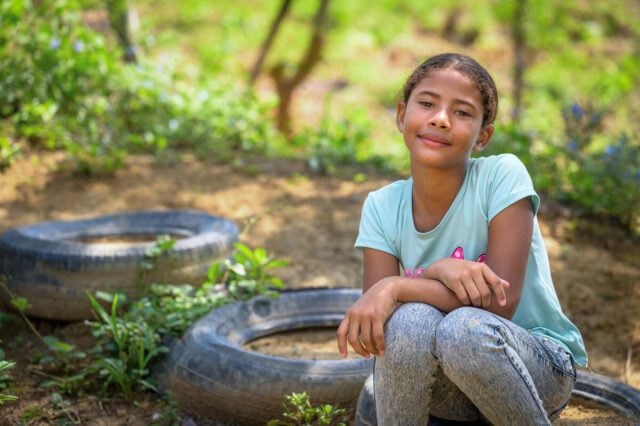
Through sponsorship, World Vision is partnering with families and communities to help meet immediate needs and promote lasting changes that will strengthen communities and move families toward self-reliance.

Each year sponsors receive updates about their sponsored child and their community. Sponsors also learn about the child's continuing activities and new accomplishments so when they correspond with their child, they can encourage them in their education, hobbies and endeavors.

The commitment of World Vision sponsors helps provide children with love, hope, and opportunities for a healthy, productive future. May God bless sponsors as they make a lasting difference in the life of a special child.

Sponsor a child in Brazil

Progress in Brazil

Thanks to the generous support of our sponsors, World Vision was able to work alongside communities to accomplish the
following in 2012.

Food and Agriculture

  • Helped families establish backyard vegetable gardens to improve their access to nutritious food and provide a source of income.
  • Trained farmers in soil conservation and environmentally-friendly farming methods to increase yields and help protect farmland from soil erosion.

Education

  • Developed sports activities and reading groups to increase children's recreational opportunities and encourage them to use their free time positively.
  • Established child-development centers to provide children with learning resources and facilitate enrichment programs such as art workshops.
  • Working with schools to address challenges related to education quality and student retention.

Economic Opportunities

  • Organized neighborhood trade fairs to help local artisans market their products, working to increase productivity and household income.
  • Helped small business–owners organize into cooperative groups to improve efficiency and increase profitability.
  • Taught community members how to cultivate native medicinal plants and prepare herbal remedies, improving their income sources.
  • Provided vocational and business training for community members.
 

Child Rights

  • Continued to raise awareness of women's and children's rights through community forums, youth advocacy groups, and meetings with local leaders.

Healthcare

  • Monitored children's health and helped sick children access medical treatment.
  • Organized health workshops for community members on topics such as preventive healthcare and nutrition.
  • Advocating with families for public health services from the government.

Christian Commitment

  • Working with local partners, including churches, to organize cultural activities and workshops that offer biblically based values and spiritual nurture for children and youth.