Simone Mane is the national director of World Vision in Sudan. He shares a critical update on the escalating situation in the country.
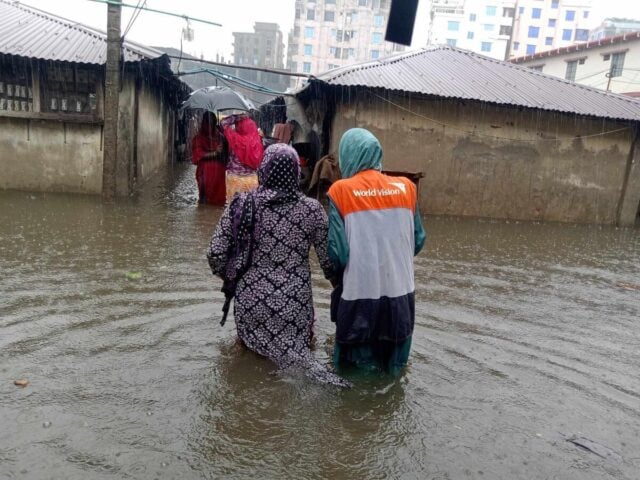
Malnourished children in Sudan’s Darfur region will become nearly unreachable as the four-month rainy season begins in June. Humanitarian aid routes into Darfur from Chad turn impassable, as roads dissolve into flooded wadis and thick, wheel-sucking “black cotton” mud, cutting off access to the care and nutrition children urgently need.

As Sudan enters its fourth year of conflict, the country is at a breaking point. More than 12 million people have fled violence, agricultural production is collapsing, and funding shortages are forcing many agencies to leave or cut operations.
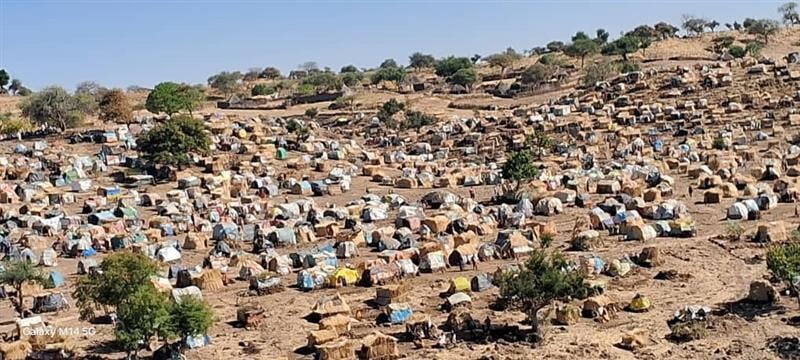
Across the nation, tens of millions of Sudanese are struggling to survive after fleeing their communities to camps in remote and inhospitable locations, and in the mountains, without any belongings and no access to water or food.
Risk of starvation among children
Without urgent action, Sudan’s most vulnerable people, especially malnourished children, face a growing risk of starvation. Sustained humanitarian access, expanded food assistance, and innovative delivery methods are critical to preventing widespread loss of life.
More than 10 million people are experiencing extreme or severe levels of food insecurity, uncertain of where their next meal is coming from. Many families rely on already-stretched host communities, search for wild food, or wait for infrequent aid deliveries of wheat, millet, and pulses such as lentils, peas, and beans that must travel over 1,677 miles from Cameroon’s port of Douala, into Chad, and then across the border into Darfur, Sudan.
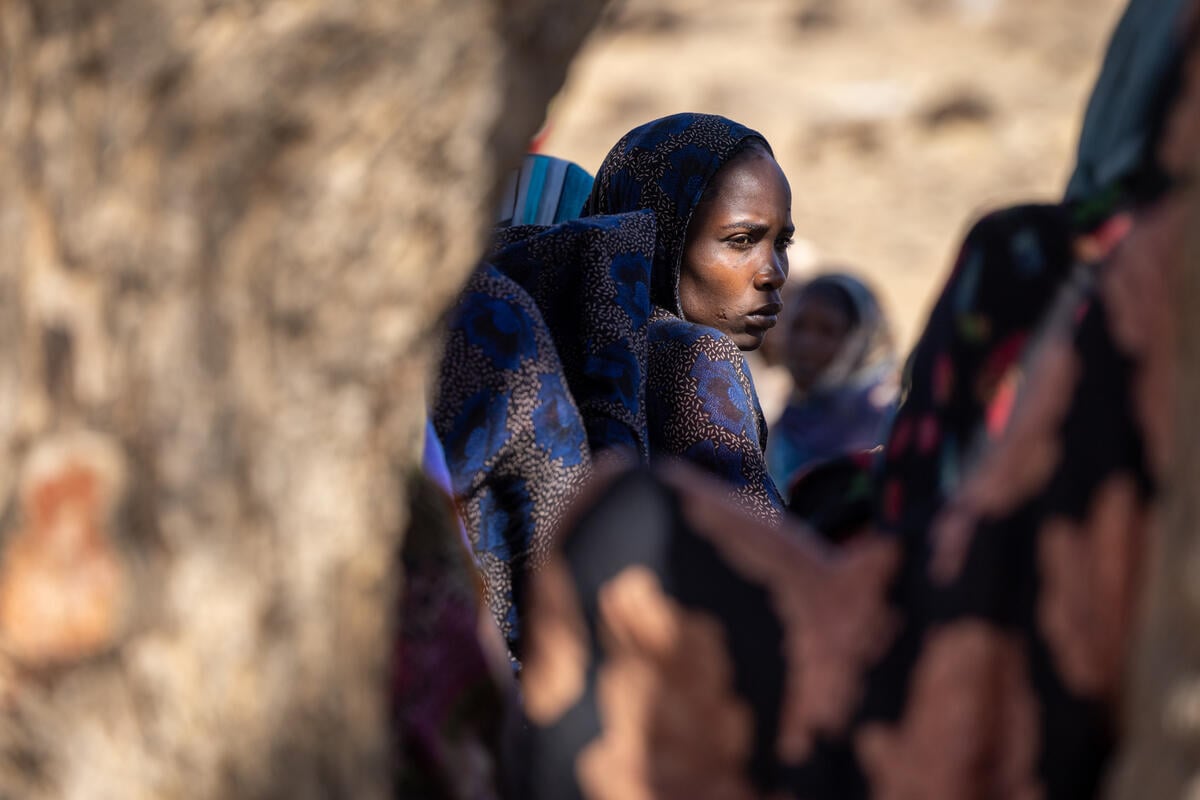
In places like the mountainous region of Jabal Marra in western Sudan, women who fled the recent brutal siege of El Fasher, the capital of North Darfur state, say they have not had food in more than four months and are now feeding their children one or, at most, two meagre meals of sorghum a day. This is the hot season before the rains come in June, when temperatures reach 104 degrees Fahrenheit, and almost nothing grows.
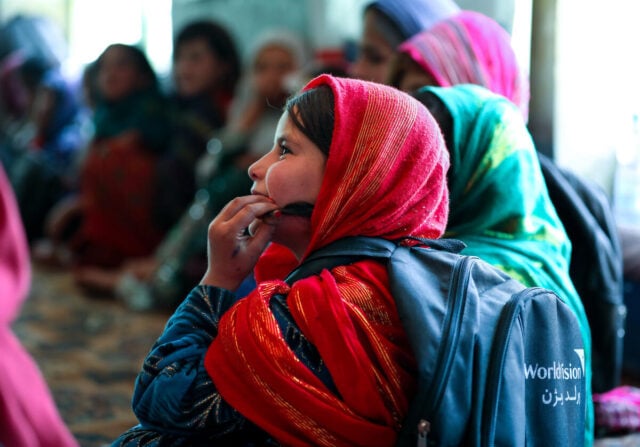
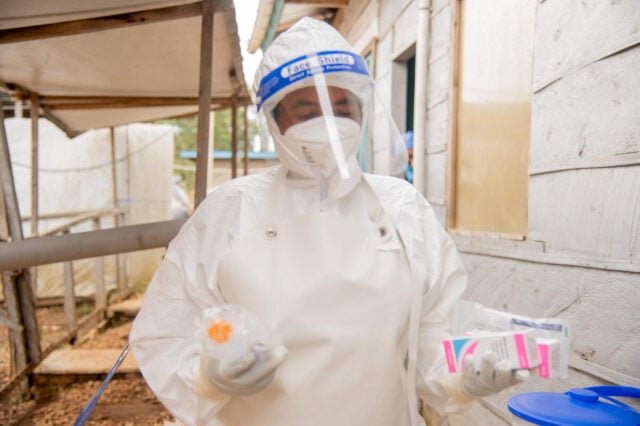
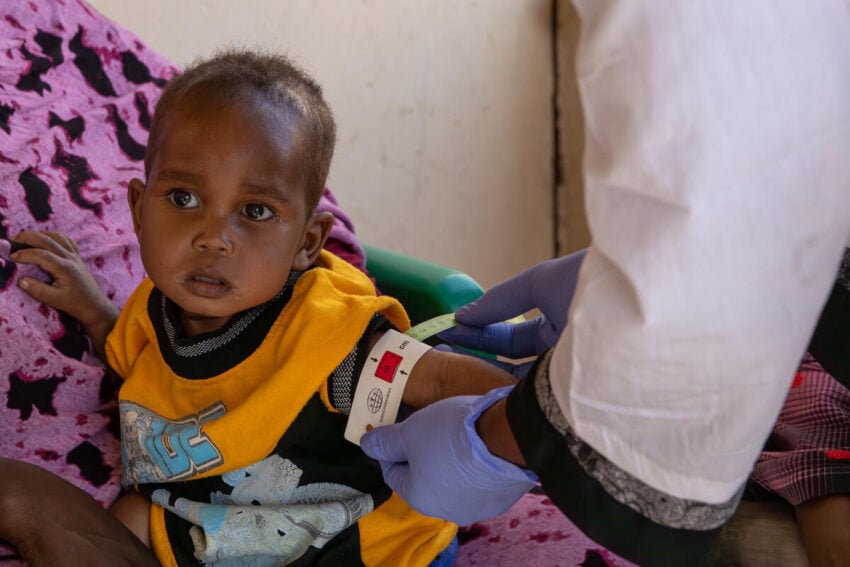
An estimated 800,000 children — most of them in the Darfur and Kordofan regions — are at immediate risk of death without urgent nutritional support. As the rainy season begins, the risk of disease outbreaks, including cholera, typhoid, mosquito-borne malaria, and diarrheal illnesses, will further increase, particularly among the already malnourished children.
A complex response to help the most vulnerable
Expanded humanitarian access during the rainy season will be critical to reach those most in need. This includes ensuring safe passage for aid, protecting supply routes, and enabling pre-positioning of food before roads become inaccessible. Without storage capacity, it becomes much harder to sustain distributions throughout the rainy months.
At least 168,000 tons of food is required to address the hunger crisis over the coming months. Logistical challenges mean that only supplies already in transit are likely to reach some of the affected areas in time. Aside from humanitarian aid, the Chad-Sudan border is closed to normal trade due to drone strikes inside Chad.
Air delivery of food remains a last resort option. The Ilyushin Il-76 cargo planes typically carry only up to 50 tons of food, enough to feed up to 5,000 people for a month on reduced rations, far short of what is needed at this scale.
Sachets of Ready-to-Use-Therapeutic Food (RUTF) — a high-energy peanut paste for children at extreme risk of death — could be parachuted in for children on the brink of death. But this is specialized therapeutic food and would need to be collected at designated drop zones by aid workers to ensure it reaches those managing the therapeutic feeding centers. If the armed groups opened their airports to allow humanitarian food flights in, that would be even better.
In a region so cut off, another critical option is digital cash assistance. This relies on satellite-based connectivity, which in many areas has replaced damaged mobile networks. These connections have become a lifeline, allowing people to contact relatives, access support, and get digital cash transfers.
Humanitarian agencies can also use these systems to transfer funds to those most in need through mobile applications. Sudan’s most malnourished typically don’t have mobile phones, so the aid agency works through trusted financial agents, who convert digital funds into cash and distribute it to registered families.
Ultimately, saving lives at this scale will require multiple approaches, rapidly expanded and focused on those most at risk.
Humanitarian agencies can’t move enough food by road before the rains. Airdrops, especially of lifesaving therapeutic food, can help sustain the most vulnerable children and mothers. At the same time, digital cash assistance can support local markets and extend reach into inaccessible areas.
Ensuring sustained humanitarian access and safe passage for aid remains one of the most significant challenges.
Funding is another major constraint. The World Food Programme supports over 4 million people each month but has been forced to reduce rations due to funding shortfalls. Approximately 700 million is urgently needed to maintain food assistance.
World Vision continues to provide lifesaving support to the most severely malnourished children, including therapeutic feeding, but we need to keep the supplies flowing.
The U.N. says overall, Sudan needs nearly $3 billion to deliver humanitarian services to 20.4 million people in need. Only 16.1% has been pledged so far.