Hurricane Nate made two landfalls in the U.S. between Oct. 7 and Oct. 8. It has since been downgraded to a tropical depression as it moved inland.
Before strengthening to a hurricane and moving toward the U.S., the storm killed 28 people in Central America as a tropical storm.
Here’s what you need to know about the storm.
Where did Hurricane Nate hit?
The storm made two landfalls in the U.S. The first came Saturday night, Oct. 7, as a Category 1 storm in southeast Louisiana.
The second came very early Sunday morning, Oct. 8, near Biloxi, Mississippi, also as a Category 1. It was the first hurricane to make landfall in Mississippi since Hurricane Katrina in 2005.
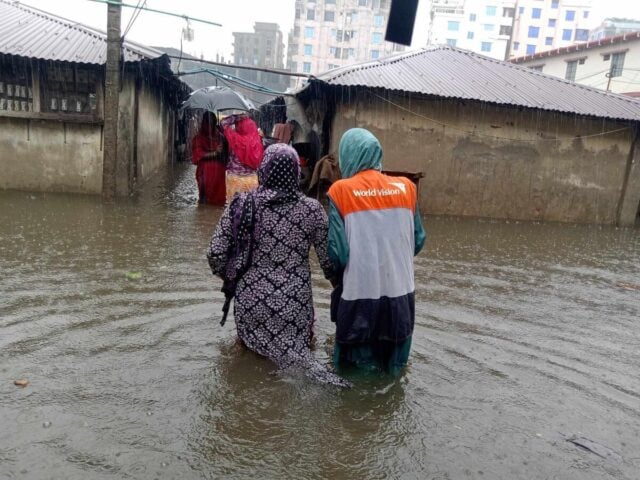
As a tropical storm, it killed 28 people in Central America Oct. 5, and hundreds were rescued from floodwaters and mudslides.
How bad was Hurricane Nate?
The storm killed 28 people as it passed over Costa Rica, Nicaragua, and Honduras and caused widespread flooding and mudslides.
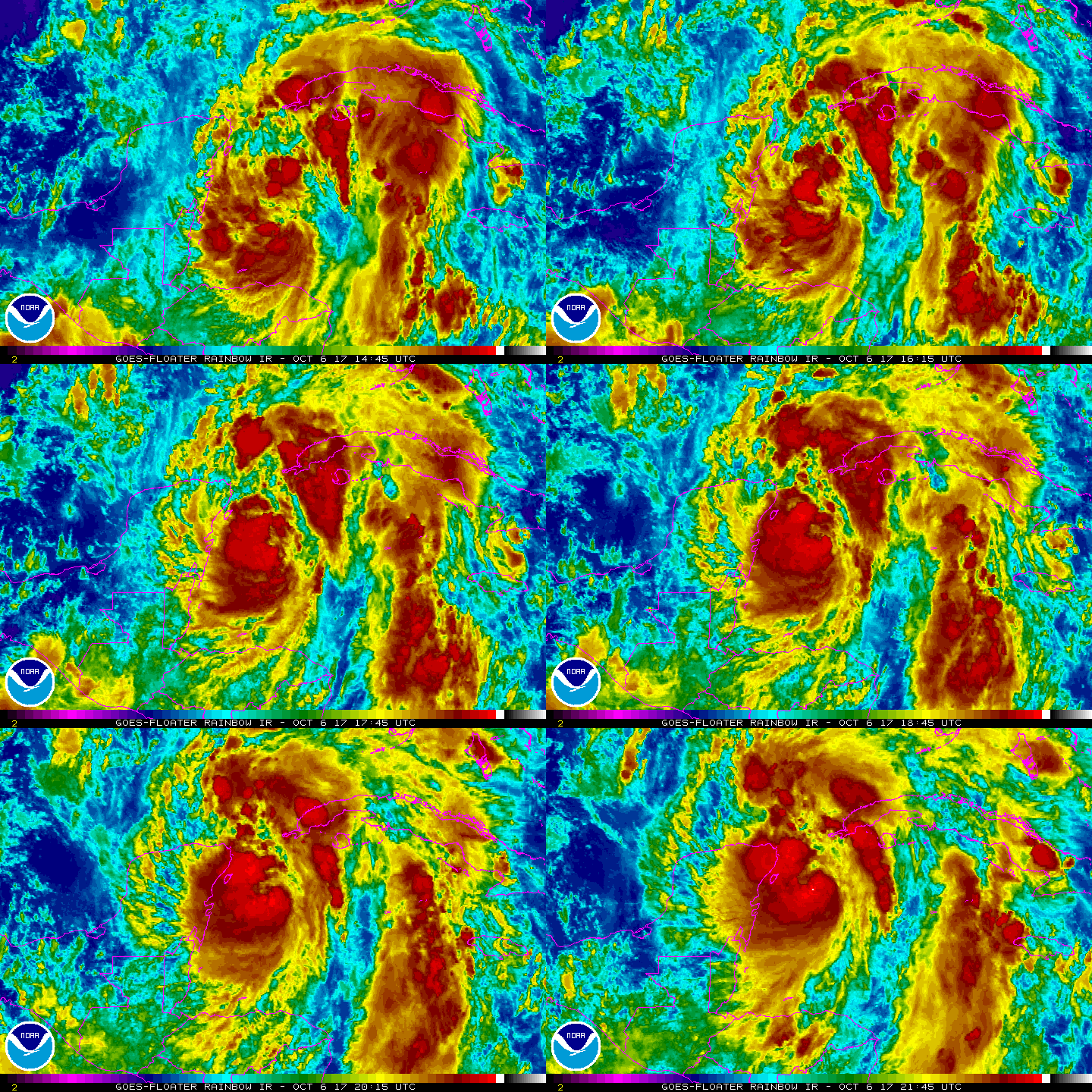
The National Hurricane Center initially issued a tropical storm warning for the Gulf Coast but upgraded it Friday, Oct. 6 to a hurricane warning.
When it made landfall in the U.S., it had maximum sustained winds of 85 mph, making it a Category 1 storm. The storm caused some flooding, which has already begun receding. There was no loss of life in the U.S. The storm knocked out power to 67,000 homes across the Gulf of Mexico, mostly in Alabama. Mississippi had more than 3,700 homes without power, and Louisiana had about 330.
How can I help?
Pray for those affected by the storm.
Almighty Father, we ask for Your mercy on those people affected by the storm. Give people peace and comfort as they deal with the aftermath of the storm across Central America and the U.S.