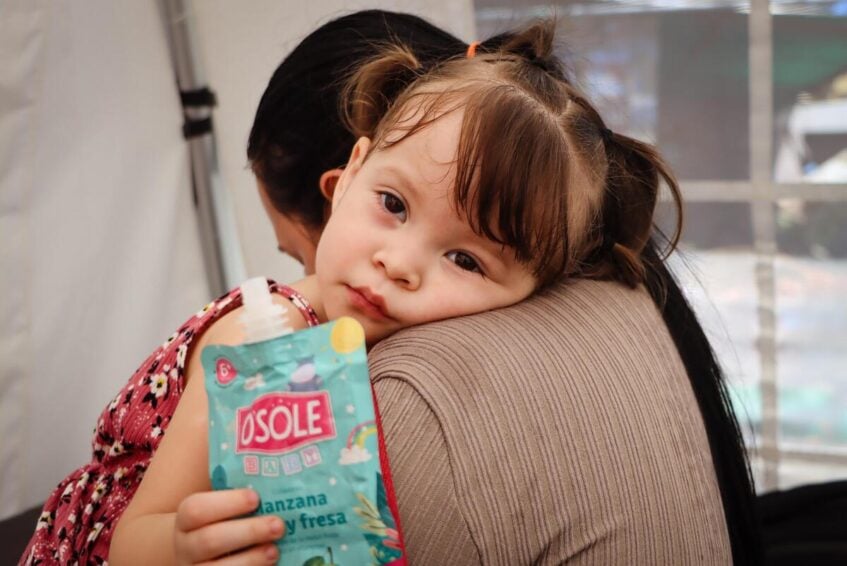
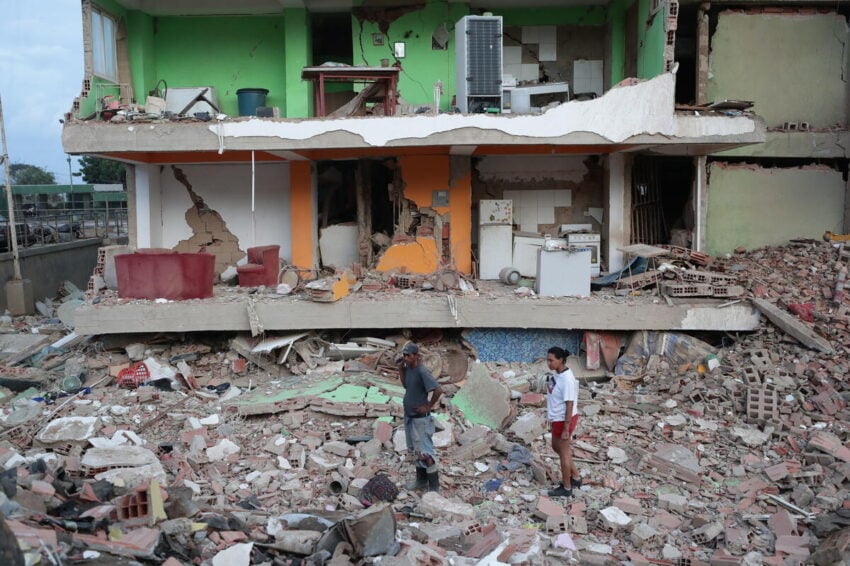
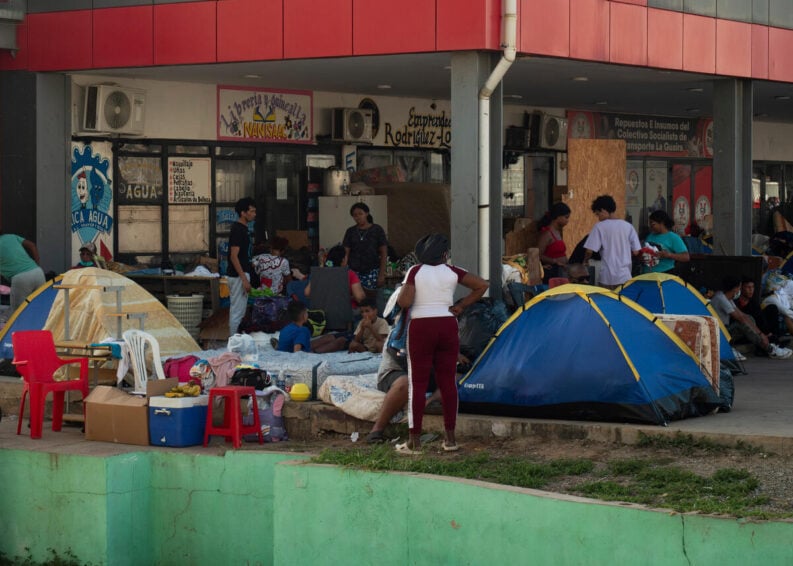
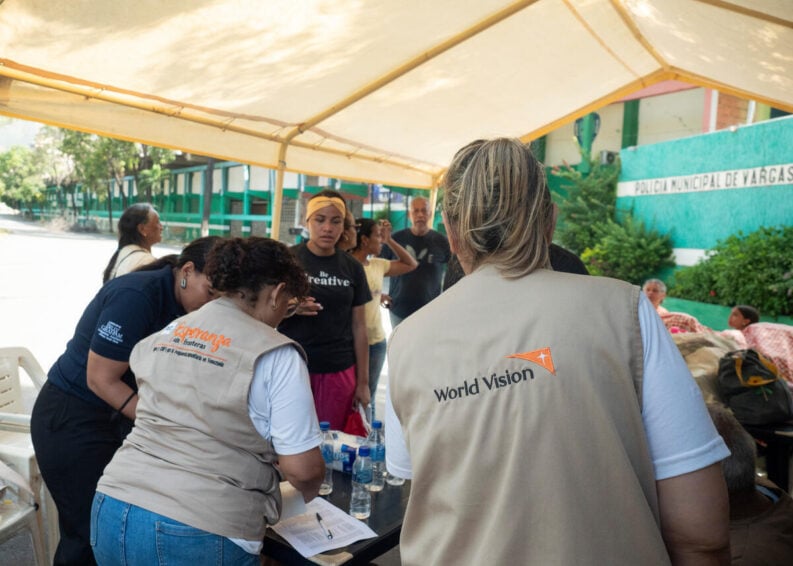
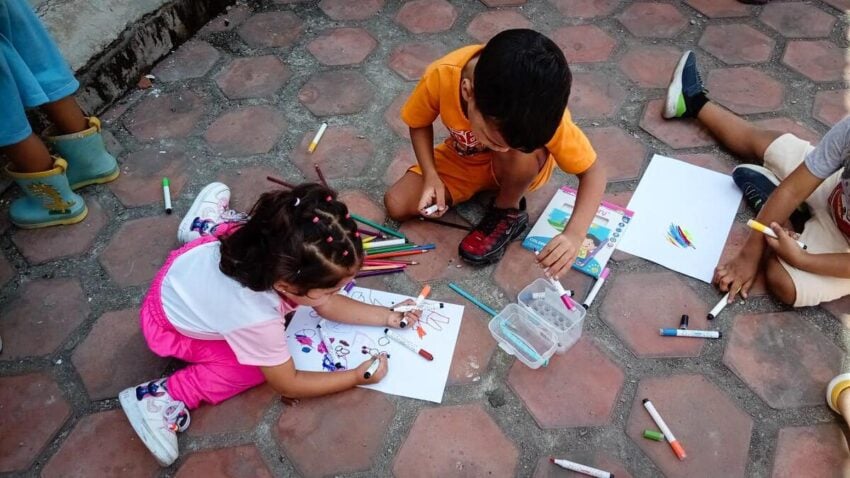
On June 24, 2026, two powerful earthquakes struck north-central Venezuela, causing widespread devastation near Caracas, killing over 6,500 people, and impacting thousands of families. The earthquakes destroyed and damaged homes, schools, health facilities, and critical infrastructure, leaving communities in urgent need of shelter, access to clean water, food assistance, medical care, and safe places for children.
While the emergency phase has passed, recovery is expected to take months, and in some communities, years. More than three months later, thousands of people remain displaced, and debris removal and rebuilding are far from complete. World Vision and local church partners continue to support affected communities, providing food aid, relief supplies, child protection services, recovery programs, and more.
On August 10, 2026, a magnitude 7.4 earthquake struck western Colombia near San José del Palmar. It was the deadliest earthquake in Colombia since 1999, killing at least 335 people. World Vision is responding there too. See our Colombia earthquake page for details.
Venezuela earthquakes: Facts, FAQs, and how to help
- Fast Facts: 2026 Venezuela earthquakes
- What is the latest update on the Venezuela earthquakes?
- Where did the earthquakes occur?
- How much damage did the Venezuela earthquakes cause?
- How many people have died in the Venezuela earthquakes?
- What are the most urgent needs?
- How is World Vision responding?
- How long has World Vision been serving in Venezuela?
- How can I help people impacted by the Venezuela earthquakes?
Fast Facts: 2026 Venezuela earthquakes
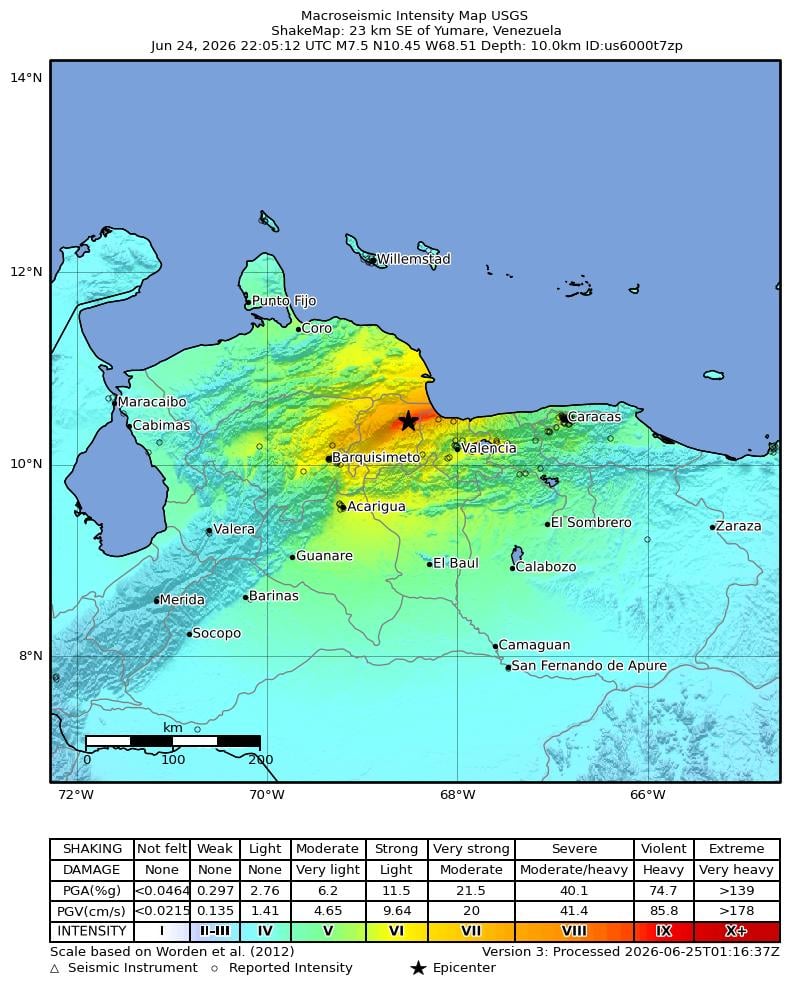
- Two major earthquakes struck Venezuela on June 24, 2026, just 39 seconds apart.
- The earthquakes measured approximately 7.2 and 7.5 magnitude, according to the U.S. Geological Survey (USGS).
- The earthquakes are among the strongest to strike Venezuela in more than a century.
- The epicenters were near Morón on Venezuela’s Caribbean coast, about 100 miles west of Caracas, the capital.
- More than 1,400 aftershocks followed the earthquakes, according to official counts reported in July
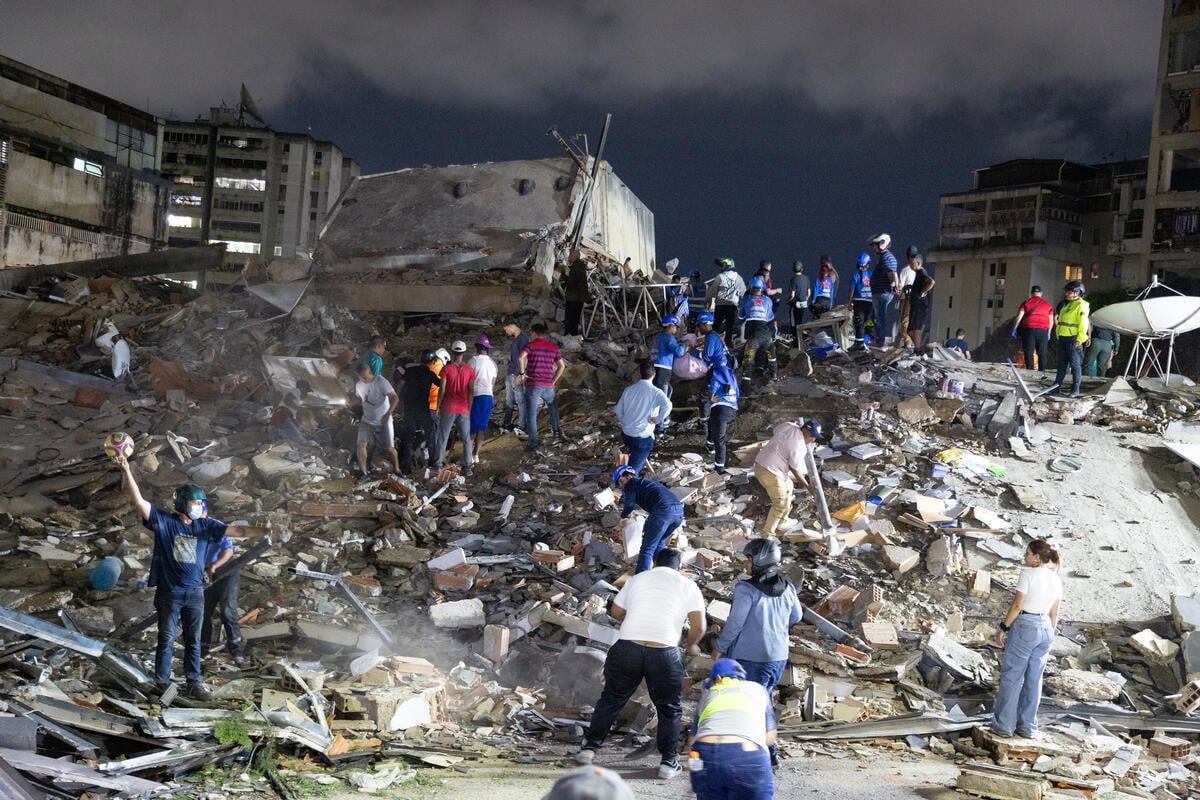
- Strong shaking caused buildings to collapse in Caracas and other communities, trapping people beneath rubble.
You can deliver hope and help
amid emergencies.
What is the latest update on the Venezuela earthquakes?
Large-scale emergency search-and-rescue operations have ended, but many families are facing the long-term impacts of the disaster. Many people are living in temporary shelters or in homes damaged by the earthquakes. Camps and shelters have struggled with inadequate water and sanitation, and health experts have warned of infectious disease risks in crowded conditions. People are trying to rebuild their lives after losing loved ones, homes, and livelihoods.
Recovery is slow.
In Venezuela, children continue to face significant challenges as impacted communities try to recover. Beyond the need to rebuild homes, schools, healthcare centers, and other essential infrastructure, families will need ongoing access to clean water, food, healthcare, child protection services, and emotional support to help children heal from the trauma caused by the earthquakes. The Aug. 10, 2026, Colombia earthquake, families in affected communities may also face ongoing needs as the full extent of the damage and impact becomes clear.
World Vision and local church partners are actively working alongside devastated communities, delivering emergency assistance while also supporting long-term recovery efforts, enabling children and families to rebuild their lives with hope and dignity.
Where did the earthquakes occur?
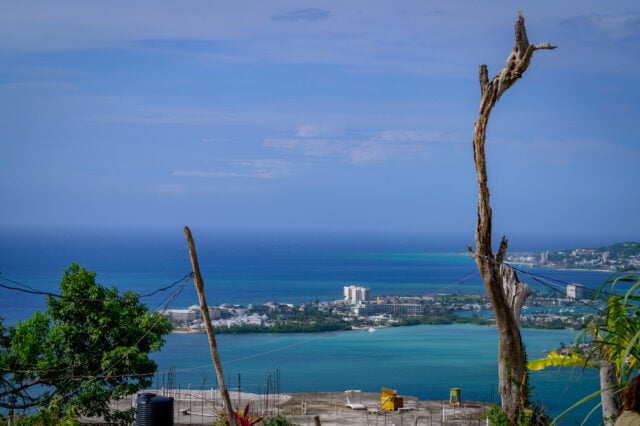
The earthquakes were centered near the coastal city of Morón, about 100 miles west of the capital city of Caracas. Residents felt strong shaking across the capital and several neighboring states. Severe damage has been reported in Caracas, La Guaira, and other nearby communities. La Guaira, on the coast north of Caracas, was the hardest hit.
How much damage did the Venezuela earthquakes cause?
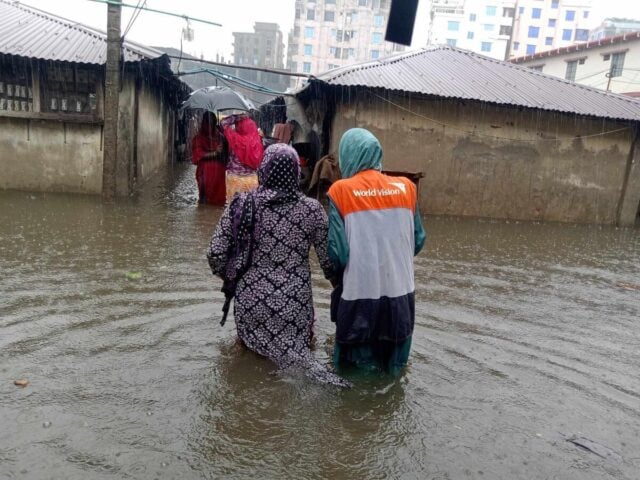
The earthquakes caused widespread damage across north-central Venezuela. Residential buildings, hospitals, schools, roads, bridges, and other critical infrastructure sustained significant damage. Thousands of families were displaced, and homes became unsafe or collapsed entirely.
“We are deeply shaken and frightened,” said María Andreína Pernalete, a resident of Caracas and communications manager for World Vision in Venezuela. Recalling the day of the earthquakes, “I was with my 2-year-old baby, my mother, and my husband. I received an alert just a few seconds before everything started shaking, and we gathered under a column.”
Like many families in Caracas, Maria and her loved ones were unable to return home because of safety concerns and had to find safety at a nearby convent.
How many people have died in the Venezuela earthquakes?
According to recent reports, the death toll has exceeded 6,500 people. More than 16,740 others have been injured, and thousands remain missing. Emergency responders and civil protection authorities worked frantically to find survivors, inspecting damaged structures, conducting rescue operations, and assessing the impact on affected communities.
What are the most urgent needs?
Families affected by the earthquakes continue to need:
- Safe, durable shelter
- Safe drinking water and sanitation
- Food assistance
- Health care and rehabilitation services
- Hygiene supplies
- Child protection and psychosocial support
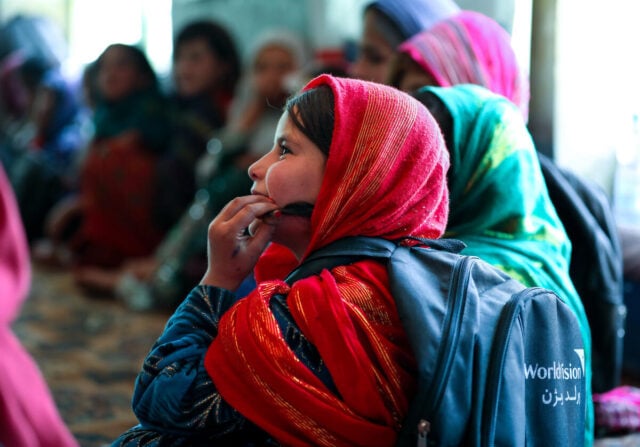
- Education support and temporary learning spaces for children
- Livelihood recovery
Needs are now shifting from immediate relief to longer-term recovery.
How is World Vision responding?
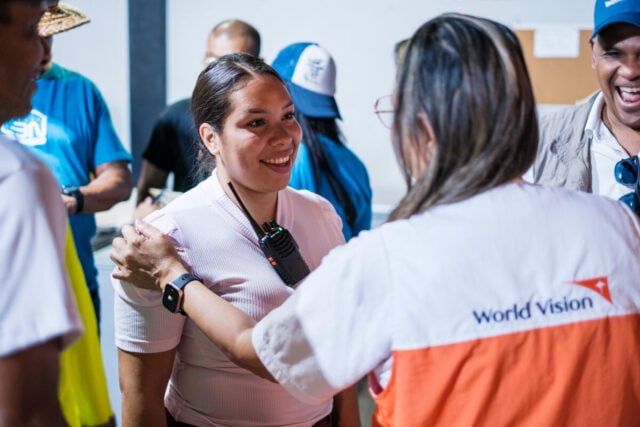
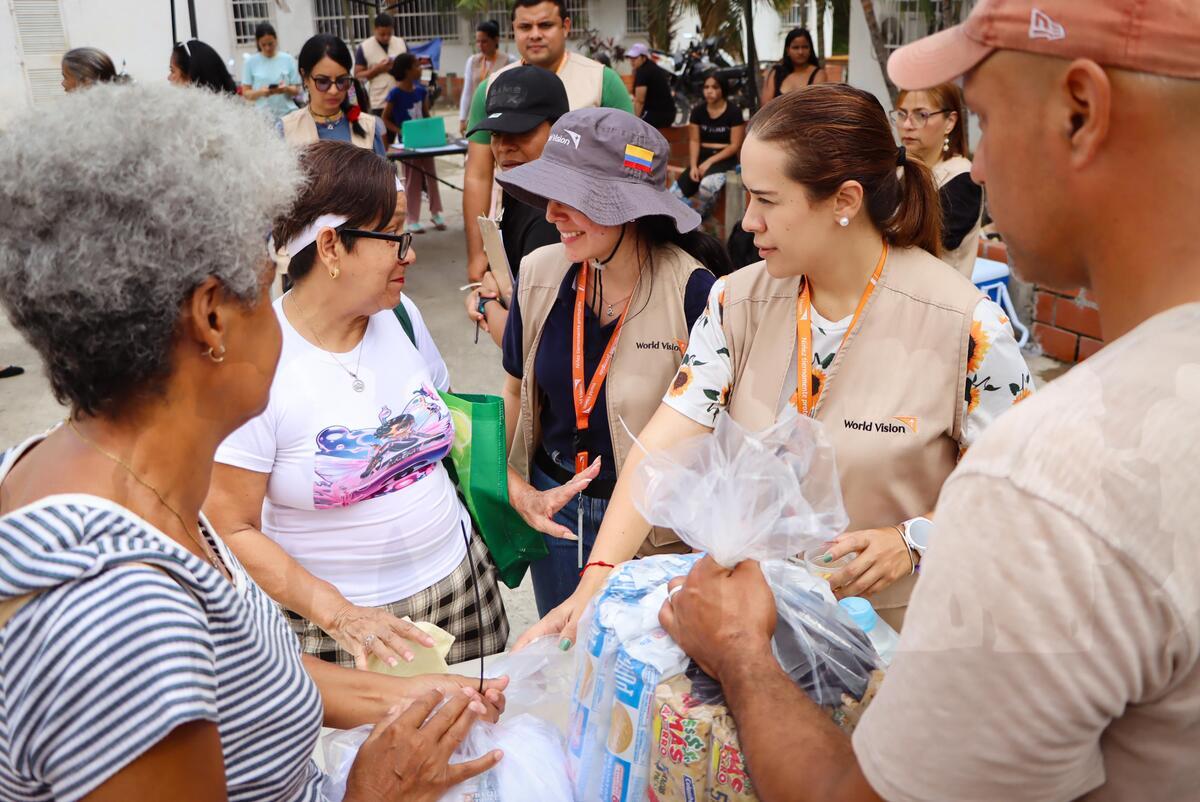
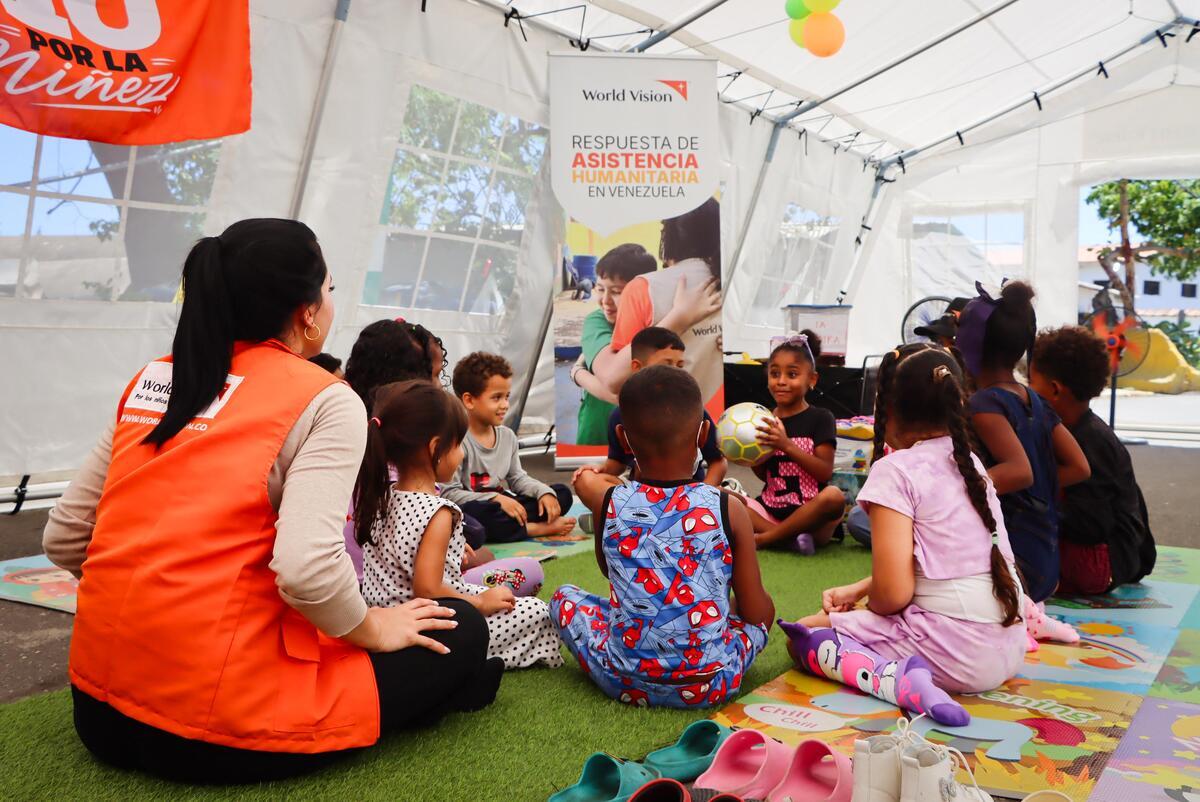
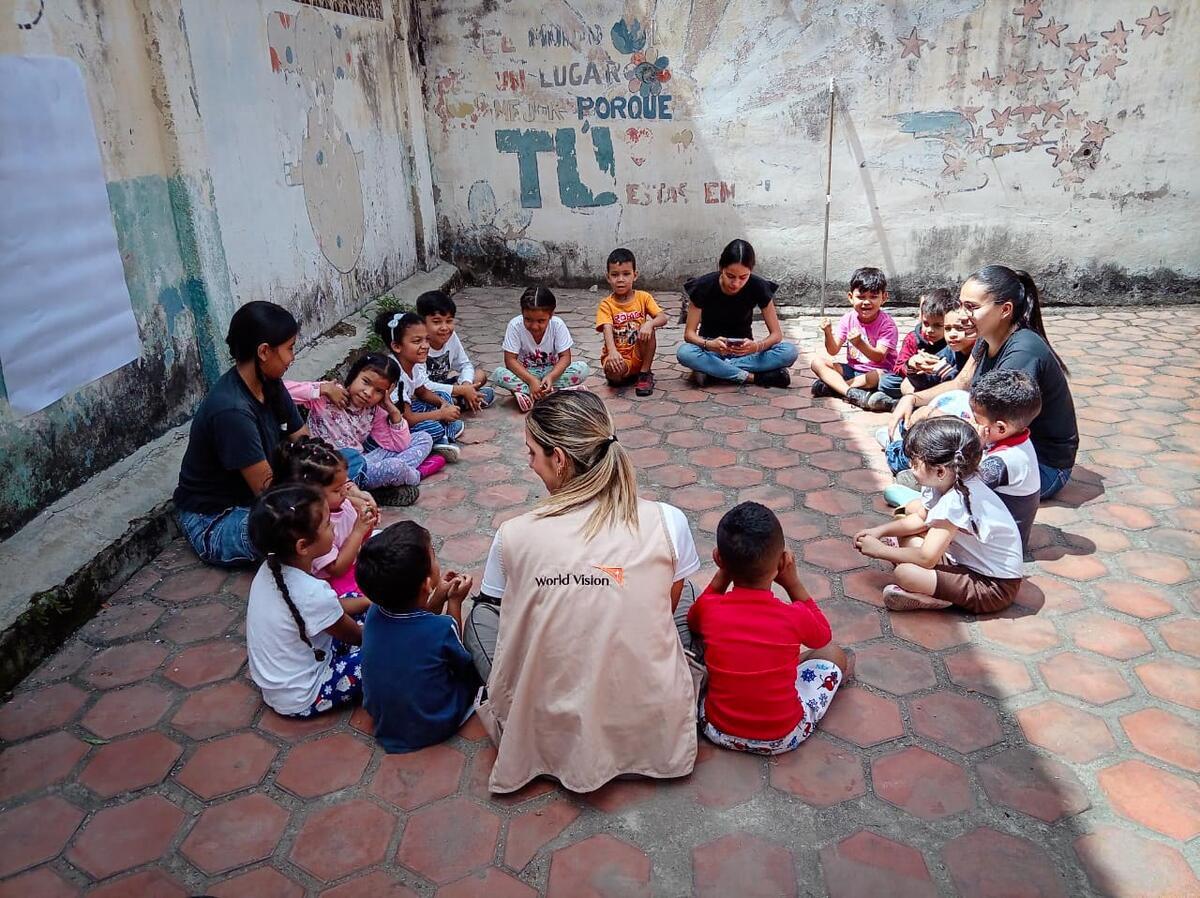
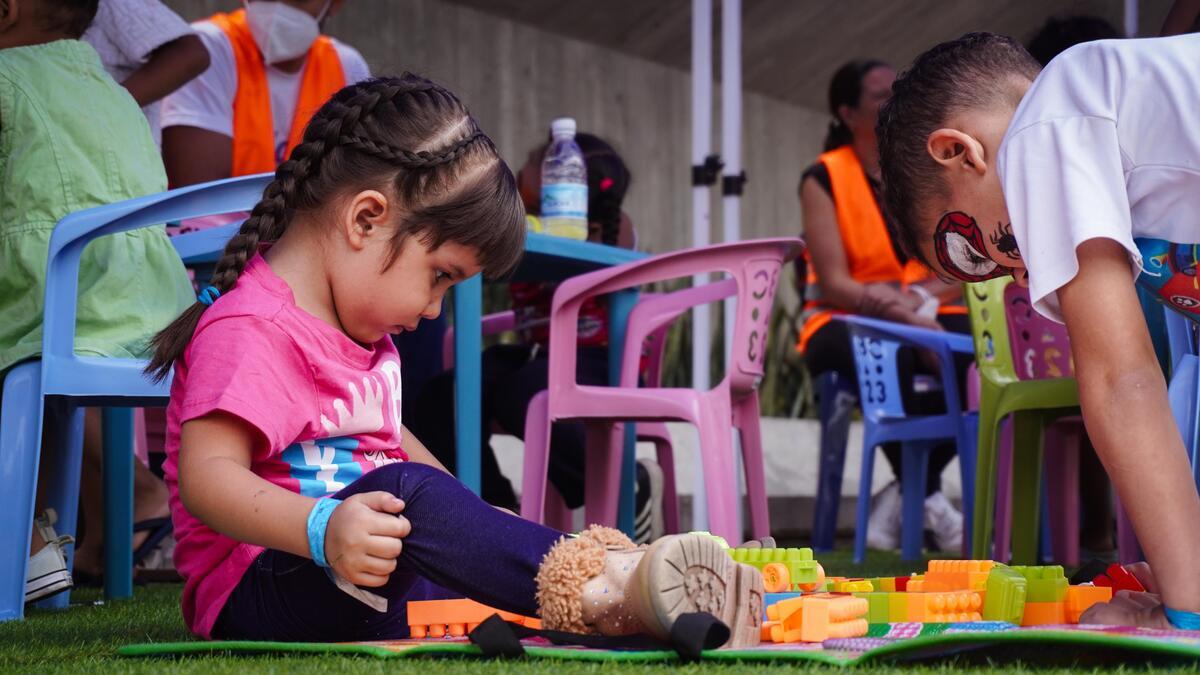
Since the earthquakes, World Vision has worked alongside more than 2,000 local church partners through our Hope Without Borders program to support children and families affected by the disaster. To date, World Vision has reached over 130,321 people across La Guaira, Caracas, Miranda, and beyond with emergency food aid, hygiene and water kits, recreational kits, child protection activities, and other essential items. As communities begin to recover, World Vision continues to support children and families through Child-Friendly Spaces in affected communities in Caracas. These safe spaces offer structured play, psychosocial support, and caring adult supervision to help children recover from trauma and reduce their risk of violence, exploitation, and abuse.
“Over the last few days, I’ve met families who lost everything in a matter of moments — their homes, their livelihoods, and, for some, even loved ones,” said Edgar Sandoval Sr., president and CEO of World Vision. “I’ve listened to children describe fear and loss no child should ever experience. Their pain is deeply personal to me as Venezuela is where I spent much of my childhood.”
After visiting the hardest-hit areas, he described the destruction as resembling the aftermath of a conflict zone. Read more about his visit in his interview with RELEVANT.
Through partnerships with 2,000 local churches, World Vision is helping communities meet immediate needs while supporting children and families throughout the long journey of recovery.
In La Guaira, Pastor Eusebio Cortés of Iglesia La Familia de Dios Unida knows the heartache of the earthquakes firsthand. He lost family members, his livelihood, and much of his church building. Yet each day, he opens the church’s doors to people who walk long distances in search of help, comfort, and hope. “When I prayed to the Lord, I never imagined I would receive so much for others,” Pastor Eusebio said. “The earthquake has been challenging, but there has been immense support.”
His church in the hardest-hit area has become a place of refuge for families as they begin rebuilding their lives. But he knows recovery will take time.
“This is like a river that rises and then dries up,” he said. “That’s when the true tragedy begins.”
During the initial disaster response, World Vision U.S. deployed emergency relief supplies, including hygiene kits, tarps, generators, personal protective equipment (PPE), and other essential items, from its U.S. warehouse network. Additional assistance has continued as recovery needs evolve.
“Solidarity is making a real difference in Venezuela. Thanks to the dedication of our staff, volunteers, churches, and partners, we are reaching thousands of people affected by this disaster,” said Peter Gape, World Vision’s national director for Colombia and Venezuela. “However, the scale of this emergency requires sustained support. We remain committed to ensuring that every child and every family can find protection, hope, and opportunities to rebuild their lives with dignity.”
How long has World Vision been serving in Venezuela?
World Vision has served vulnerable children and families in Venezuela since 2019, while supporting Venezuelan migrants and refugees across Latin America. Through the Hope Without Borders and partnerships with local churches, World Vision has delivered more than 2.65 million services to children and families affected by displacement and crisis.
How can I help people impacted by the Venezuela earthquakes?
- Pray: Join us in praying for the people of Venezuela:
- Protection: For children and families sleeping outdoors or in unsafe conditions, that God would surround them with safety, comfort, and hope.
- Recovery: For families as they rebuild their homes and neighborhoods and recover from the emotional trauma of the earthquakes. Pray to strengthen churches and humanitarian workers serving those in need.
- Provision: For children and adults who have lost loved ones, their homes, and livelihoods will continue to access shelter, food, clean water, and the support they need.
Give: Your gift today helps provide emergency assistance to children and families impacted by disasters in Venezuela and around the world.