In 2026, an estimated 16.5 million people across Syria require humanitarian assistance, including approximately 7.5 million children. Millions of people remain displaced inside the country, while millions more continue to live as refugees in neighboring countries and beyond.
Syrian refugee crisis: Facts, FAQs, and how to help
- Fast facts: Syrian refugee crisis in 2026
- What’s the current humanitarian situation in Syria?
- Humanitarian impact of the Syria crisis
- How did the 2023 earthquake affect Syrian refugees?
- Where do Syrian refugees live?
- How has the Syrian conflict affected the children in Syria?
- How is World Vision responding to the crisis in Syria in 2026?
- How long has World Vision worked in the Middle East?
- How can I help vulnerable Syrian children and their families?
Fast facts: Syrian refugee crisis in 2026
- As of 2026, an estimated 16.5 million people in Syria require humanitarian aid, according to U.N. agencies. Of those, more than 7.5 million are children in urgent need of assistance.
- Approximately 90% of the Syrians live below the poverty line due to prolonged conflict, economic collapse, and displacement.
- Despite ongoing challenges, about 1.3 million Syrians returned from neighboring countries and other host nations in 2025.
- At the end of 2025, approximately 4.9 million Syrian refugees remained outside the country.
- Neighboring Turkey (officially the Republic of Türkiye) hosts over 2.4 million Syrian refugees, as of January 2026.
- Approximately 2.45 million Syrian refugee children are out of school.
- A 7.8 magnitude earthquake on February 6, 2023, devastated northwest Syria and southeast Turkey, displacing hundreds of thousands of people.
- The conflict in Syria began on March 15, 2011, escalating from peaceful protests to full-scale violence.
What’s the current humanitarian situation in Syria?
More than a decade of conflict has devastated communities across Syria. While recent political developments have created opportunities for some families to return home, many returnees face significant challenges.
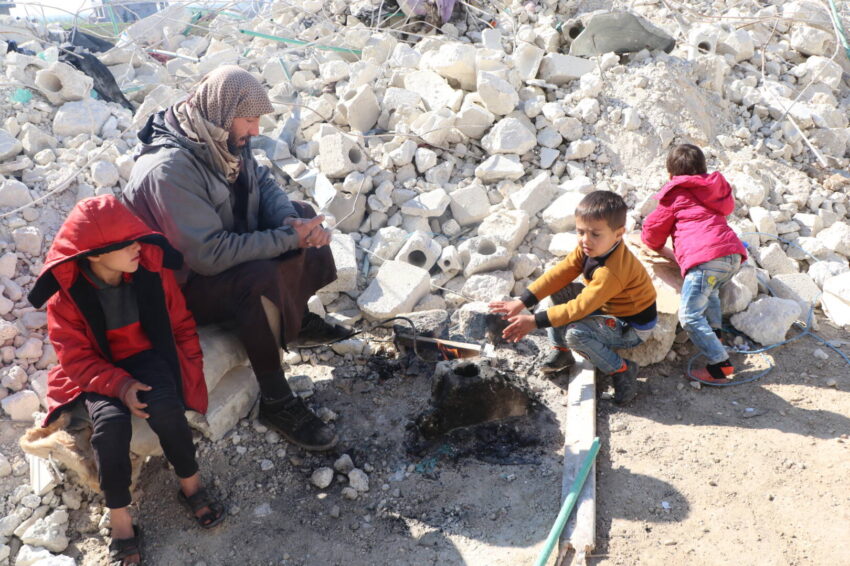
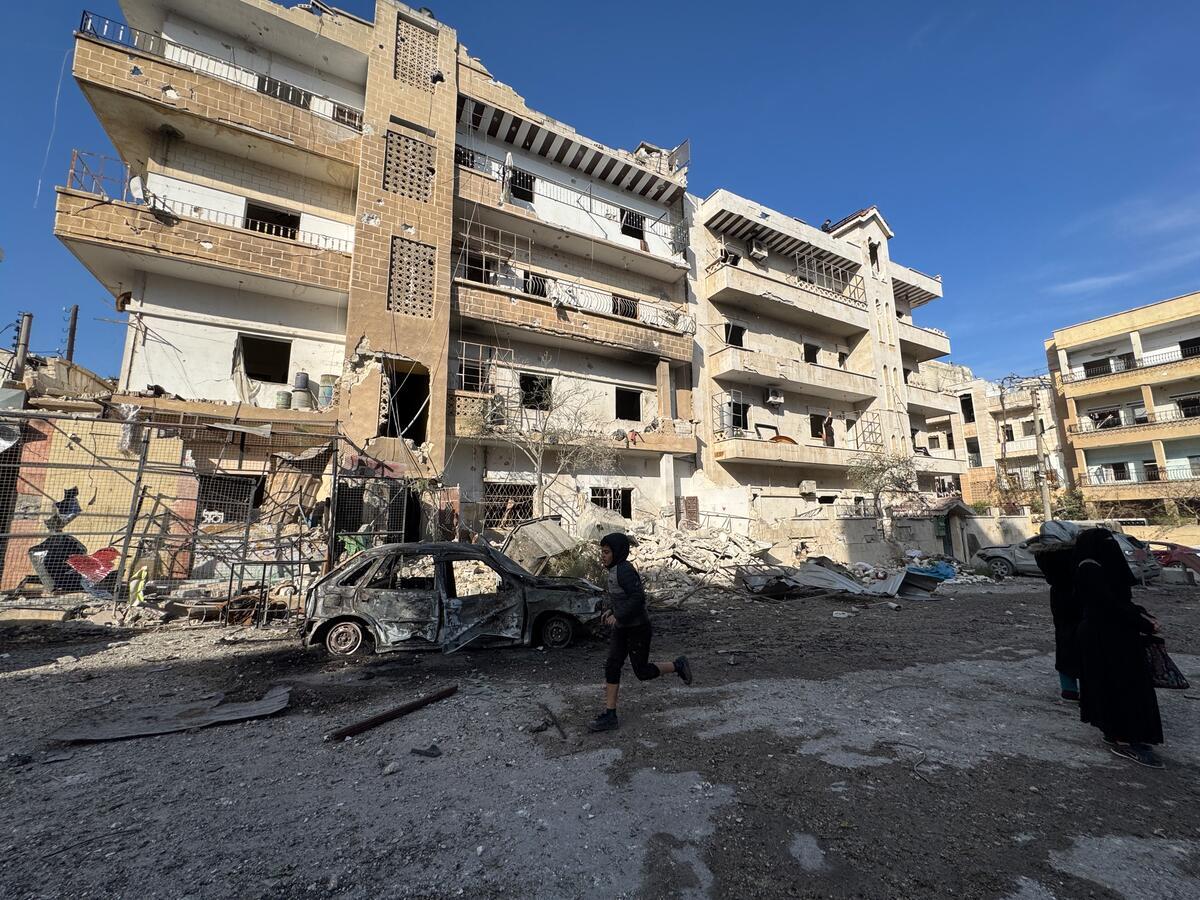
Homes, schools, healthcare facilities, water systems, and critical infrastructure have been damaged or destroyed in many areas. Communities continue to struggle with limited access to healthcare, education, clean water, electricity, and livelihoods.
Humanitarian agencies report that millions of people continue to rely on humanitarian assistance to meet basic needs. Economic hardship, food insecurity, displacement, and protection concerns remain widespread across the country.
Although increasing numbers of Syrians have returned home since late 2024, many families are returning to communities that lack essential services and opportunities for recovery.
Humanitarian impact of the Syria crisis
The conflict has affected nearly every aspect of life for millions of Syrians.
- Loss of life: Hundreds of thousands of people, including civilians, have died. Entire neighborhoods, schools, hospitals, roads, and public infrastructure have been damaged or destroyed, limiting access to essential services.
- Economic implications: Years of conflict and instability have weakened the economy and left most Syrians struggling to meet their basic needs. Nearly 90% of the population lives below the poverty line.
- Food insecurity: Millions struggle to meet their daily food needs, with families often skipping meals. At least 2 million children are at risk of malnutrition.
- Mass displacement: Over 6.3 million refugees are living abroad, and millions of people are internally displaced.
How did the 2023 earthquake affect Syrian refugees?
The February 6, 2023, earthquake and aftershocks in southern Turkey and northwest Syria deepened the struggles of displaced Syrians. The disaster worsened displacement, elevated hunger levels and malnutrition, and limited access to healthcare and educational support.
Where do Syrian refugees live?
While Syrian refugees have sought asylum in more than 130 countries, most remain in nearby nations across the Middle East. Turkey hosts the largest share, with around 2.3 million Syrian refugees, followed by significant populations in Lebanon, Jordan, Iraq, and Egypt.
How has the Syrian conflict affected the children in Syria?
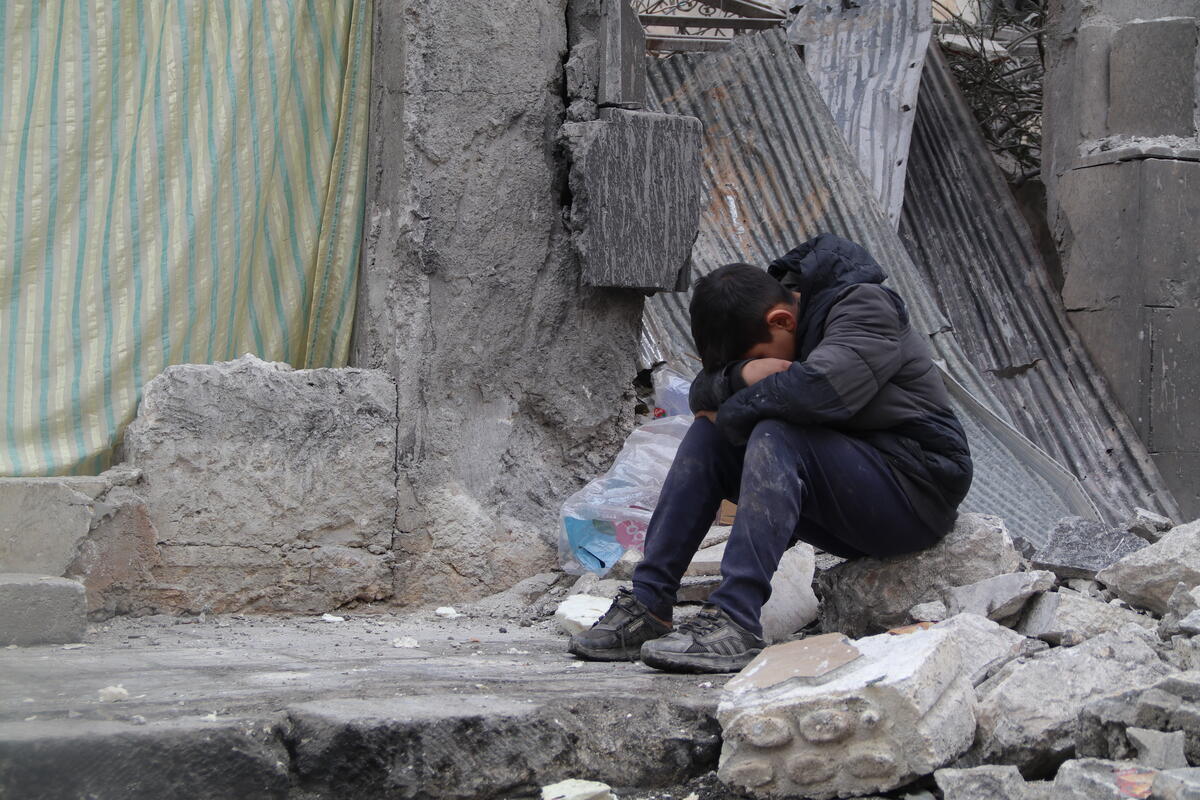
The war has had a devastating impact on the children of Syria. According to UNICEF, approximately 7.5 million children in Syria urgently need humanitarian aid, with 2 million at risk of malnutrition. Many children impacted by the crisis in Syria have never known a time without war. Here’s how the war in Syria is affecting Syrian children today.
- Displacement: Millions of children live in makeshift camps, overcrowded shelters, or streets, often lacking access to necessities like food, water, and medical care.
- Diseases and malnutrition: Hunger and malnutrition, poor sanitation and hygiene, and limited healthcare access make children more vulnerable to diseases like cholera. In poor housing, cold weather increases the risk of pneumonia and other respiratory infections. Lack of access to healthy foods weakens them further.
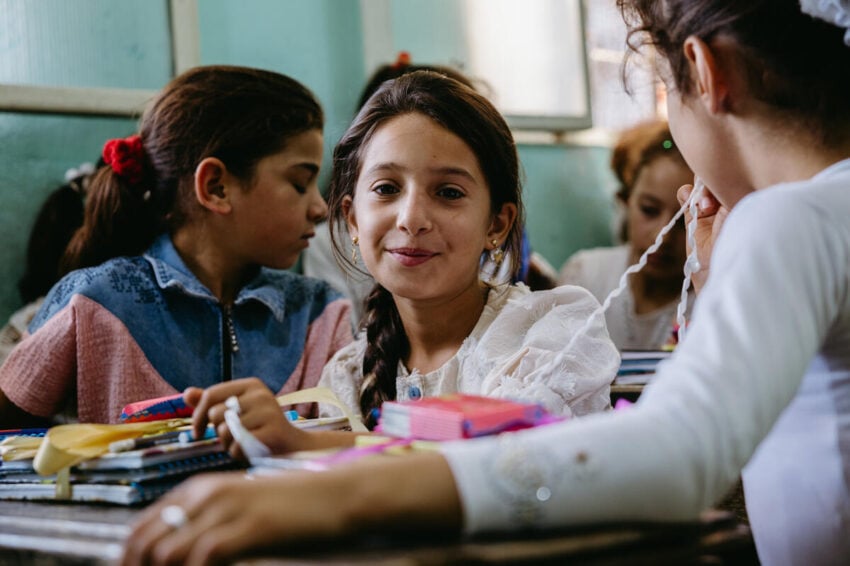
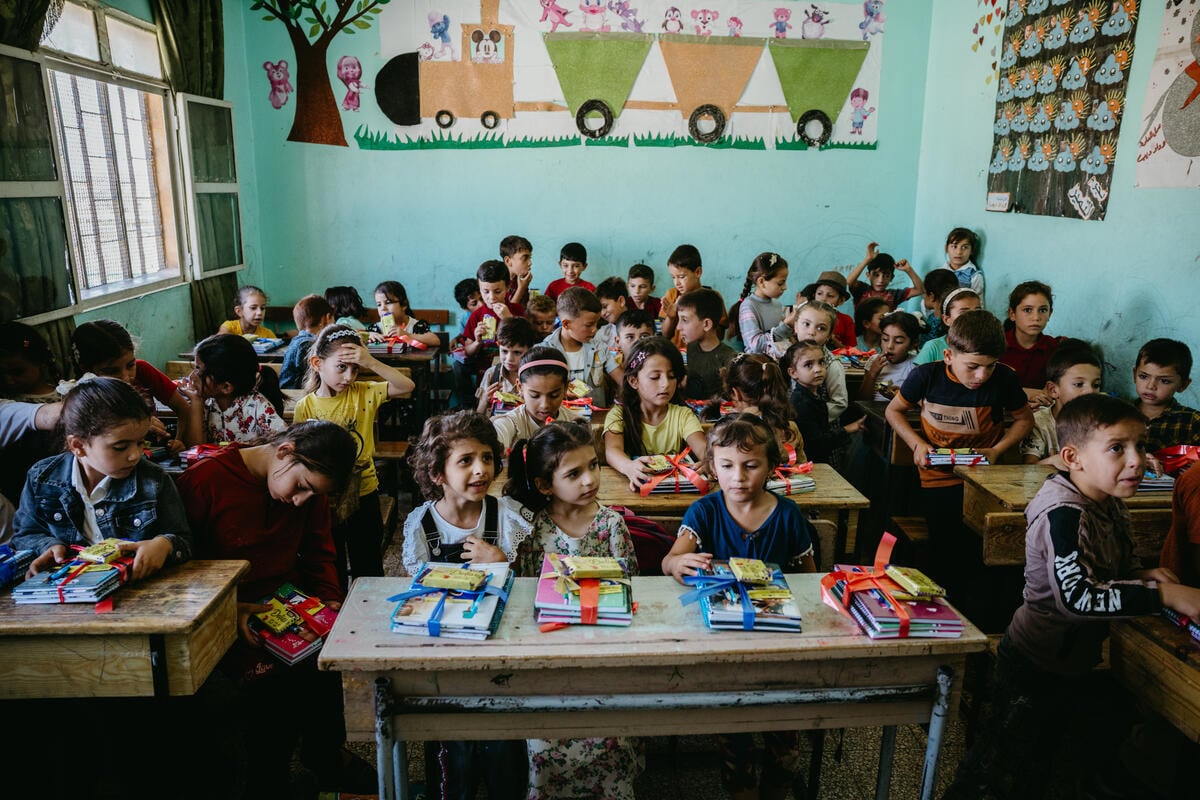
- Education: An estimated 2.45 million children in Syria are out of school, and many have fallen behind in their education. Some schools have been turned into emergency centers for displaced families, disrupting education for tens of thousands of students.
- Child marriage and abuse: Syrian children are more vulnerable to sexual abuse and exploitation in the unfamiliar and overcrowded conditions in refugee camps and informal tent settlements. Families desperate for income may be more prone to arrange marriages for their young daughters in exchange for dowries.
- Child labor: Many children have been forced to work in dangerous and exploitative conditions to help support their families.
- Recruitment of child soldiers: Armed groups and government forces have recruited children to fight in the conflict, putting them in harm’s way and robbing them of their childhood.
- Psychological toll: Many children have experienced trauma, anxiety, and depression and have little access to mental health services.
How is World Vision responding to the Syria crisis in 2026?
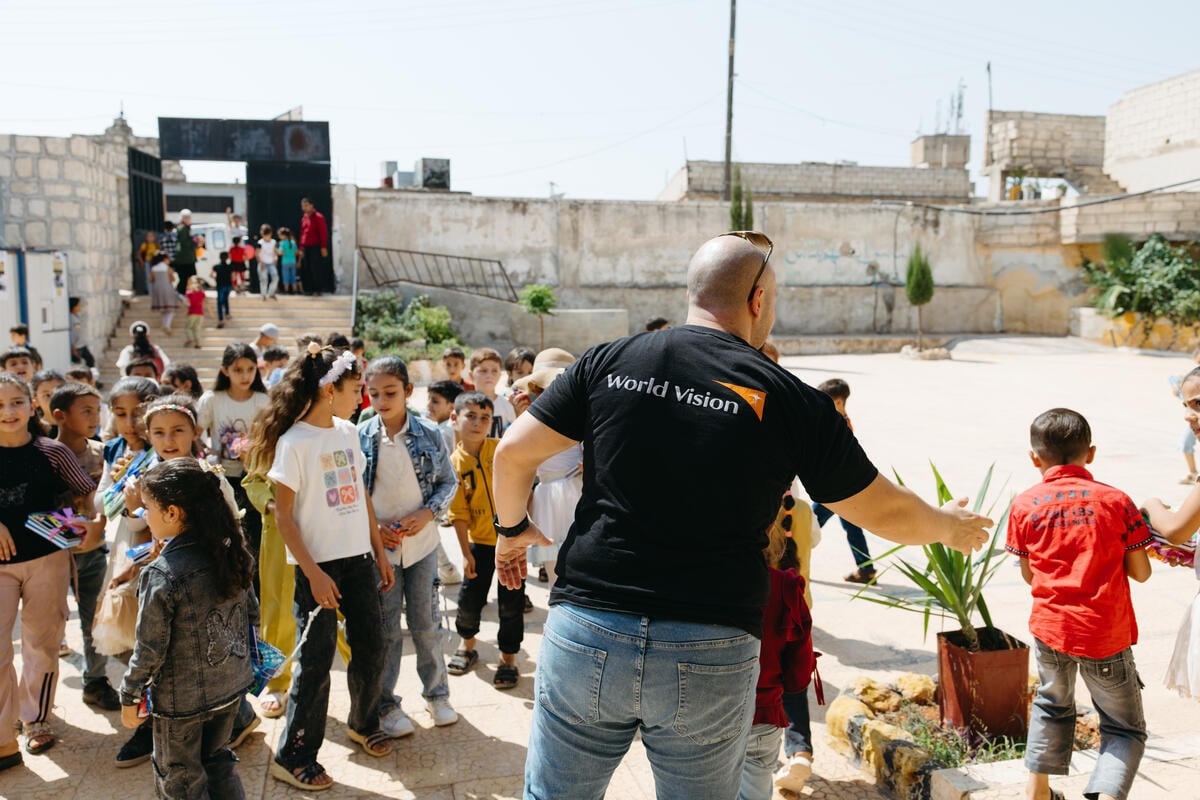
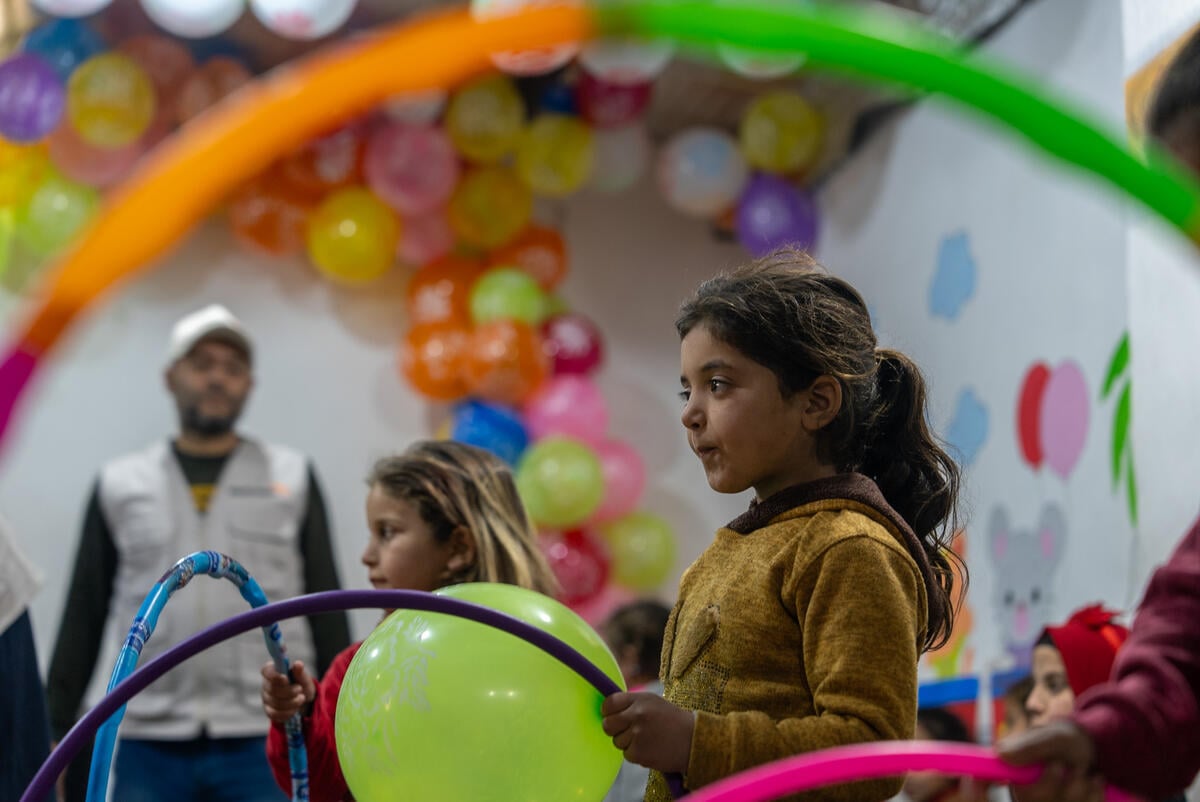
Since the onset of the Syrian crisis in 2011, World Vision has been at the forefront of humanitarian and recovery efforts in Syria, Jordan, and Turkey. In 2025, our programs aided over 4.2 million people, including more than 2.5 million children. We provided support in various areas such as health and nutrition, protection, water, sanitation and hygiene (WASH), education, livelihoods, and more.
Following the devastating earthquake on February 6, 2023, we launched more than 50 projects in partnership with local organizations, supporting nearly 1.8 million people. Our earthquake response programs covered a range of critical areas, including child protection; water, sanitation, and hygiene (WASH); livelihoods; health; nutrition; education; and more. As part of our ongoing response, we supplied safe drinking water to over 529,900 people through 23 water stations. Some key highlights of our work include:
- In Turkey, our child protection programming called LIFT (Life in Fullness Together) combines psychosocial support, education, and child protection services to promote child well-being.
- In Jordan and Syria, initiatives like Channels of Hope and Celebrating Families partner with communities of faith to target the root causes of violence.
- Critical WASH interventions were implemented, including responses to cholera outbreaks and the 2023 earthquake.
- Technical skills training, cash-for-work programs, and cash and voucher programs are strengthening family and community resilience.
- Health and nutrition programs continue to serve vulnerable families in northwest and northeast Syria.
“I have achieved my dream, through the support from [World Vision]. They gave me the opportunity to open my own stationery book shop,” said Om Ahmad, who participated in one of our training programs in Syria.
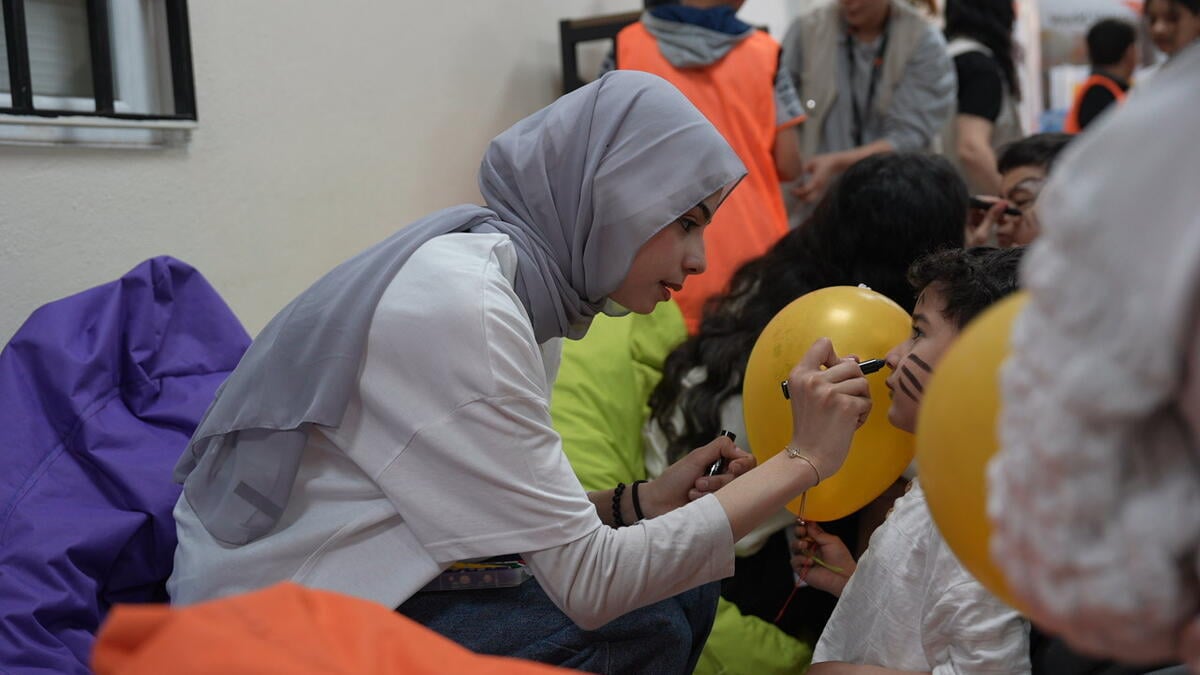
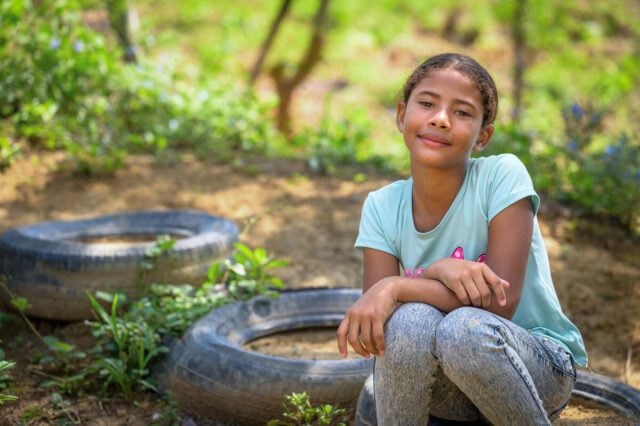
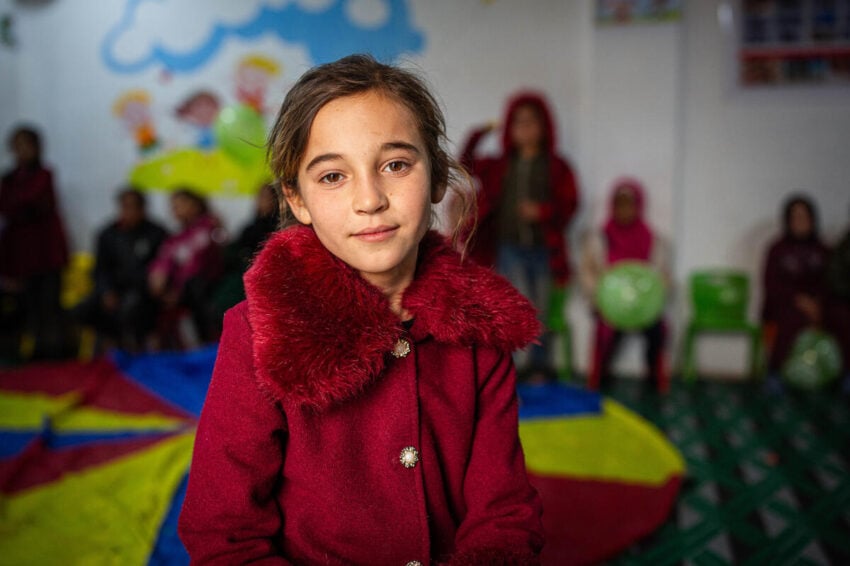
Sara, a teenager from Syria (pictured above) has lived in Şanlıurfa, Turkey, for 13 years after being displaced by the conflict in Syria, one of the most dangerous places to be a child. During that time, she faced many challenges due to forced displacement and survived the devastating earthquake in 2023. Through the LIFT Project, World Vision is helping children like her rebuild their lives.
“The LIFT center gave me passion, hope, and dreams to continue my studies and become a doctor, even after the earthquake,” she said.
How long has World Vision worked in the Middle East?
World Vision has served in the Middle East region for nearly four decades. We’re dedicated to improving the lives of children, families, and the communities where they live through long-term sustainable development and responding to disasters and crises.
How can I help vulnerable Syrian children and their families?
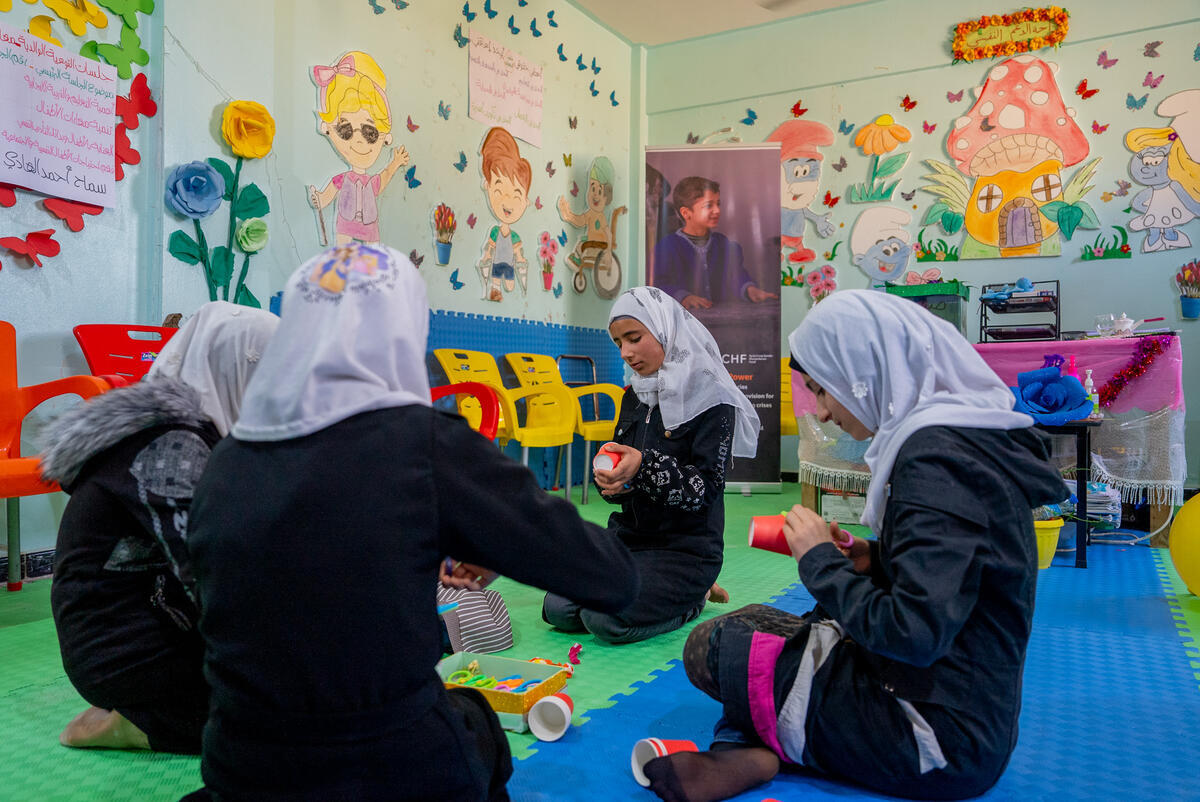
You can help Syrian refugees by praying for them, using your gifts to support them, and learning more facts about the Syrian refugee crisis.
- Pray: Join us in lifting the needs of Syrian families caught in the ongoing conflict, refugee children, and our sustained humanitarian response.
- Give: Become a vital partner in helping equip refugee children and families to survive, recover, and rebuild.