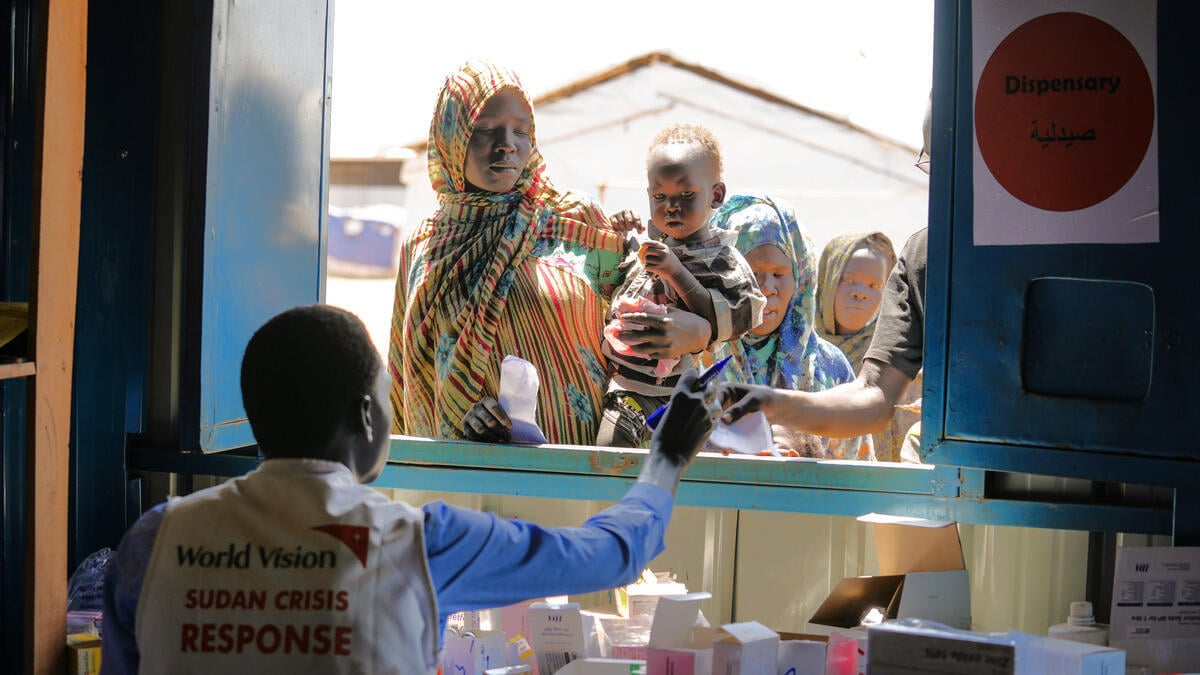
As of the end of 2025, 41.6 million people worldwide are refugees — people forced to flee their home countries due to conflict, violence, persecution, or human rights violations, according to the United Nations Refugee Agency (UNHCR) in its latest Global Trends report.
Each year on June 20, World Refugee Day, the United Nations and people worldwide honor the strength and resilience of refugees and raise awareness of their needs. Explore the challenges refugees face and learn more about the global refugee crisis below.
Refugees: Facts, FAQs, and how to help
- Fast facts: Refugees
- What is the definition of a refugee under international law?
- How are refugees different from asylum-seekers, internally displaced people, and migrants?
- How many displaced people are there in the world in 2025?
- What are the top refugee crises in the world right now?
- What rights and obligations do refugees have under international law?
- How does World Vision gain access to serve refugees and displaced children and families?
- What is World Vision doing to help refugees?
- What are some of the groups of refugees and displaced people World Vision supports?
- How can I help refugees and displaced children today?
Fast facts: Refugees
- Global displacement totals: At the end of 2025, 117.8 million people were forcibly displaced worldwide, approximately 1 in every 70 people, according to UNHCR.
- Largest displacement crisis: Sudan remains the world’s largest displacement crisis, with approximately 14.3 million displaced, including internally displaced people and refugees, surpassing Syria’s long-standing crisis.
- Main cause of displacement: Armed conflict remains the primary driver of displacement, causing millions to flee their homes in Sudan, Myanmar, and Ukraine.
- Increase in refugee returns: In 2025, an estimated 14.7 million people returned to their areas or countries of origin, including nearly 4.4 million refugees and 10.3 million internally displaced people, which is one of the highest return figures ever recorded by UNHCR.
- Host countries: Iran, Turkey (officially the Republic of Türkiye), Colombia, and Germany hosted some of the largest populations of refugees.
- Impact on children: Children accounted for 39% of the world’s refugees in 2025, despite making up a much smaller share of the global population. Many have spent years or even their entire lives in displacement.
Open the door to hope for refugee children.
What is the definition of a refugee under international law?
Refugees are people forced to flee their home countries because of persecution, conflict, violence, or other circumstances that place them in need of international protection. Under international law, anyone who meets these criteria is a refugee, although a host country may require asylum seekers to establish a well-founded fear of danger before formally granting them refugee status. The 1951 Refugee Convention outlines refugees’ rights, including the right to non-refoulement — the right of a person not to be returned to a country where they may be persecuted. Refugee protections do not apply to people who have committed serious crimes or pose a security threat.
How are refugees different from asylum-seekers, internally displaced people, and migrants?
- Refugees are people who flee their home country because of danger or persecution and because they are not protected by their country’s government. A person may fit this definition before being formally granted refugee status.
- Asylum seekers are people who’ve applied for protection — refugee status — on arrival in a country besides their own.
- Internally displaced people (IDPs) are people displaced by conflict, violence, or natural disasters within their home country.
- Migrants are people who move from their usual place of residence, whether internally or internationally, regardless of their legal status or reasons for moving. Although there is no formal legal definition, experts agree on this classification.
How many displaced people are in the world in 2025?
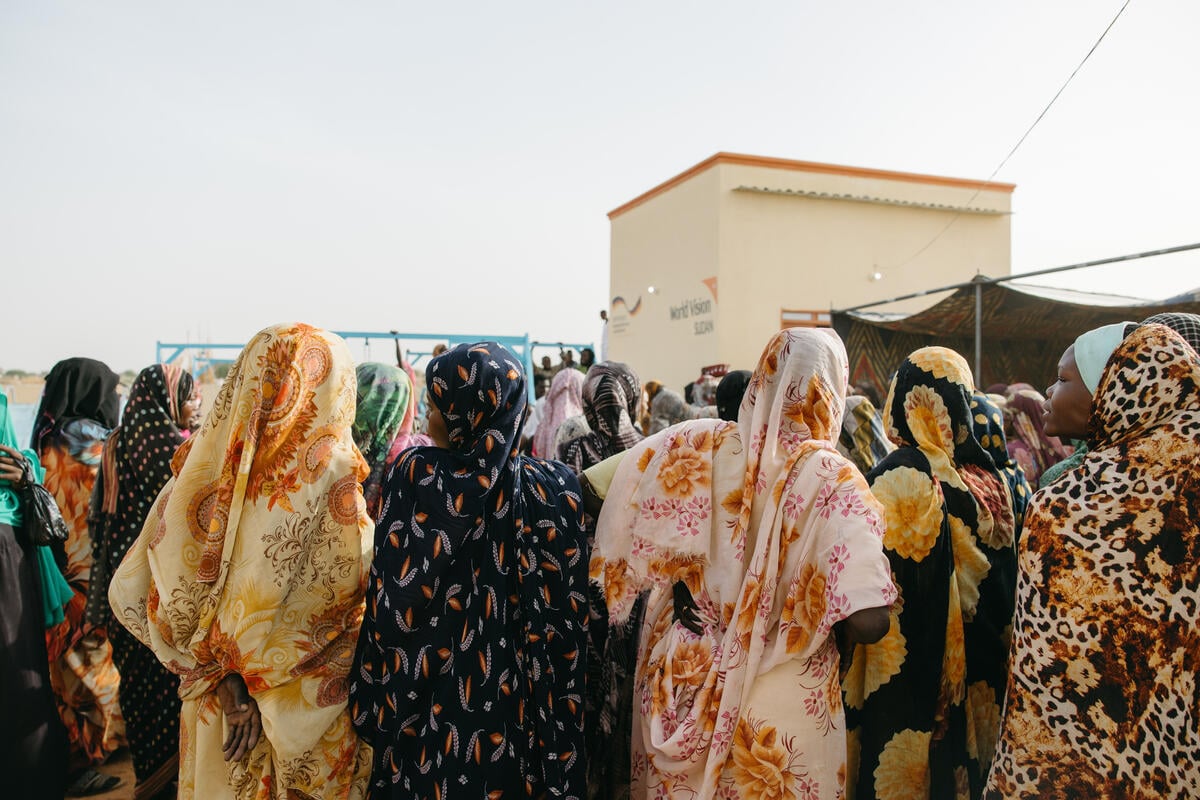
Globally, 117.8 million people were forcibly displaced at the end of 2025 because of persecution, conflict, violence, human rights violations, or events seriously disturbing public order, according to UNHCR.
While this marks a slight decline from the previous year, displacement remains at historically high levels. The shift shows the continued fragility of crises that remain unresolved across multiple regions.
In 2025, more people were able to return to their homes or countries of origin than in the previous year. Yet many of these returns took place under difficult and uncertain conditions, where homes had been damaged or destroyed, essential services were limited, and safety remained uncertain. For many families, returning home did not mean the end of displacement, but the beginning of another uncertain chapter.
Children continue to carry a disproportionate share of this burden. Nearly 4 in 10 refugees globally — about 39% — are children, many of whom have spent years, or even their entire lives, growing up far from home, school, and the stability every child needs.
Behind every statistic is a person — a mother searching for safety, a child separated from home, or a family rebuilding their lives after unimaginable loss.
Read about the struggles of displaced mothers and their families.
What are the top refugee crises in the world right now?
At the end of 2024, more than one-third of displaced people came from just four countries: Afghanistan, Sudan, Syria, and Ukraine.
Sudan now faces the largest displacement crisis in the world, with an estimated 14.3 million people displaced. This surpasses the number of people displaced by armed conflict in Syria (13.5 million), followed by Afghanistan (10.3 million) and Ukraine (8.8 million)
What rights and obligations do refugees have under international law?
Refugees have the right to safe asylum and not to be returned to possible persecution in their country of origin. According to the 1951 Refugee Convention, they are entitled to the basic rights of any other foreigner in the host country, especially the right to practice their religion, pursue education, and move about freely. They must follow and respect the laws of the country that accepts them.
Sometimes an influx of refugees is sudden and immense. Refugee camps are set up to provide temporary shelter and safety for them. Aid groups can deliver food, water, and other services in these camps. As time goes on, they sometimes become thriving communities.
How does World Vision gain access to serve refugees and displaced children and families?
Through our presence in nearly 100 countries, World Vision is well-positioned to meet the needs of displaced people, whether they are in their own country or living as refugees. We coordinate humanitarian activities with national governments and other aid organizations to achieve the best outcomes for people affected by refugee crises.
What is World Vision doing to help refugees?
We support refugees around the world through:
- Emergency relief, including access to food, clean water, shelter, and other essentials refugees need when displaced by conflict or disaster
- Child protection programs and Child-Friendly Spaces where kids can play, learn life skills, and experience everyday childhood interactions while also receiving psychosocial support to help them and their families navigate the difficulties of displacement
- Education support for refugee children, helping ensure they have the opportunity to learn in safe environments during displacement
- Livelihoods training and cash-for-work programs, focusing on empowering families to thrive and become self-sufficient.
We also partner with local communities and governments, local churches, and international organizations like United Nations agencies — including the World Food Programme (WFP) and the U.N. Children’s Fund (UNICEF) — to go beyond responding to immediate needs and support communities for long-term development.

What are some of the groups of refugees and displaced people that World Vision supports?
We support millions of people affected by forced displacement across regions such as Asia, Eastern Europe, the Middle East, South America, and beyond. The following are some of the groups we support:
World Vision’s response to the Sudan conflict
Sudan continues to face one of the world’s most severe and rapidly expanding humanitarian emergencies. Since conflict escalated in April 2023, violence has displaced millions of people and intensified food insecurity across the country and the surrounding region.
By the end of 2025, Sudan had become one of the largest displacement crises in the world, with displacement levels significantly exceeding the 14.3 million people reported earlier in the conflict. Ongoing violence, economic instability, and limited access to essential services continue to force families to flee their homes.
World Vision has worked in Sudan for decades and remains one of the largest humanitarian organizations serving vulnerable children and families in the country. Since April 2023, our emergency response programs in Sudan and neighboring countries have reached more than 3.2 million people, primarily women and children, through food assistance, health and nutrition services, child protection programs, and water, sanitation, and hygiene interventions.
How World Vision supports Syrian refugees and children
More than a decade of conflict has displaced millions of Syrians from their homes, creating one of the world’s largest displacement crises. While many Syrians sought refuge in neighboring countries such as Turkey, Lebanon, and Jordan, political changes in late 2024 created new opportunities for families to return home.
By the end of 2025, an estimated 4.9 million Syrian refugees remained displaced outside the country. Since December 2024, approximately 1.26 million Syrians have returned from neighboring countries, while more than 1.7 million internally displaced people have returned to their areas of origin within Syria. Despite these encouraging returns, many families face damaged infrastructure, limited services, economic hardship, and ongoing security concerns as they rebuild their lives.
World Vision has supported more than 7.8 million children in the surrounding region, including in Jordan, Lebanon, Syria, and Turkey. The 2023 earthquake in Syria and Turkey further complicated the situation, impacting internally displaced Syrians and Syrian refugees living in Turkey. In partnership with local organizations, World Vision has initiated 39 projects, including healthcare services, health and nutrition assistance, education programs, and psychological support sessions in schools. These critical efforts assisted more than 1.8 million people within the first year of our response.
Help for Ukrainian refugees and displaced people
World Vision has been responding since the onset of the war in Ukraine in late February 2022, which has resulted in an estimated 5.9 million refugees as of February 2026. Our dedicated staff in the region swiftly assisted refugees crossing into Romania, offering essentials such as food, shelter, cash assistance, and protection against trafficking. Continuing our response, we’ve partnered with churches and local organizations to support displaced families and their host communities in Romania, Moldova, Georgia, and Ukraine. Since 2022, we’ve supported over 2.35 million people in the region with crucial resources like emergency food assistance, hygiene kits, and child protection programs.
Responding to the Venezuela crisis
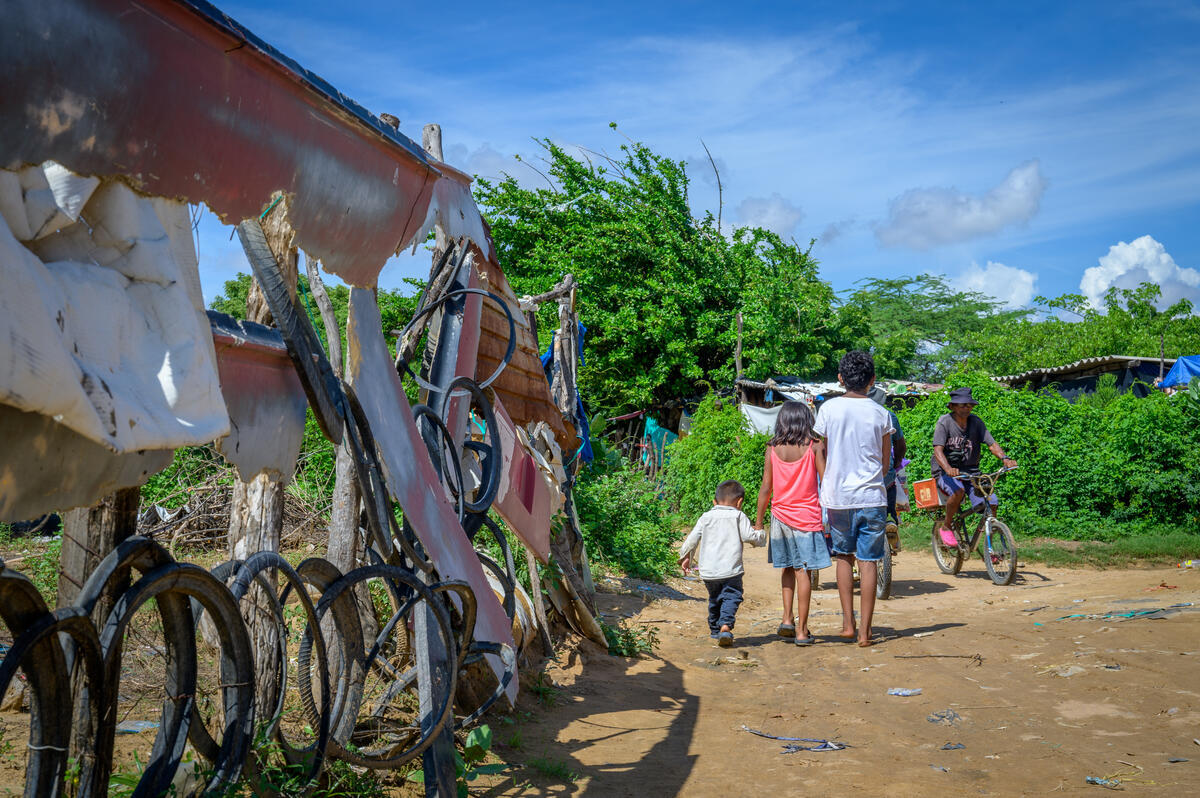
Over 7 million refugees and migrants have left Venezuela since 2017 in search of food, employment, and a better life. World Vision supports affected children and families by offering food and nutritional assistance, access to clean water, and essential health and education services in nearby countries such as Bolivia, Brazil, Chile, Colombia, Ecuador, Panama, and Peru.
In Venezuela, we’re working with partner organizations to empower families to improve their children’s lives. As of December 2024, our efforts have supported over 2.58 million people in the affected countries. Our programs focus on child protection, education, food security, access to clean water, sanitation and hygiene (WASH), and livelihoods.
Supporting Rohingya refugees in Bangladesh
Since 2017, the Rohingya people have endured violence, persecution, and human rights violations in Myanmar’s Rakhine state, prompting many to seek refuge elsewhere. The majority of Rohingya refugees have crossed the border into neighboring Bangladesh.
World Vision has been delivering crucial assistance in Bangladesh since the onset of the crisis. In 2024, we supported over 416,000 people living in overcrowded camps in Cox’s Bazar. Our ongoing work encompasses 34 camps, providing essential aid such as food, clean water, sanitation facilities, and shelter, as well as addressing gender-based violence and child protection. By working in these challenging circumstances, we strive to alleviate suffering and address the critical needs of the Rohingya people.