On August 4, 2020, an explosion at the Port of Beirut devastated Lebanon’s capital, becoming one of the largest non-nuclear explosions in history. The blast killed more than 200 people, injured more than 6,000, and damaged or destroyed thousands of homes, schools, hospitals, and businesses.
The powerful explosion sent shock waves across Beirut, shattering windows and damaging buildings within miles beyond the port.
In the densely populated city of more than 1.6 million people, about 300,000 had been displaced, and hundreds of thousands more were left in need of food, shelter, and essential support.
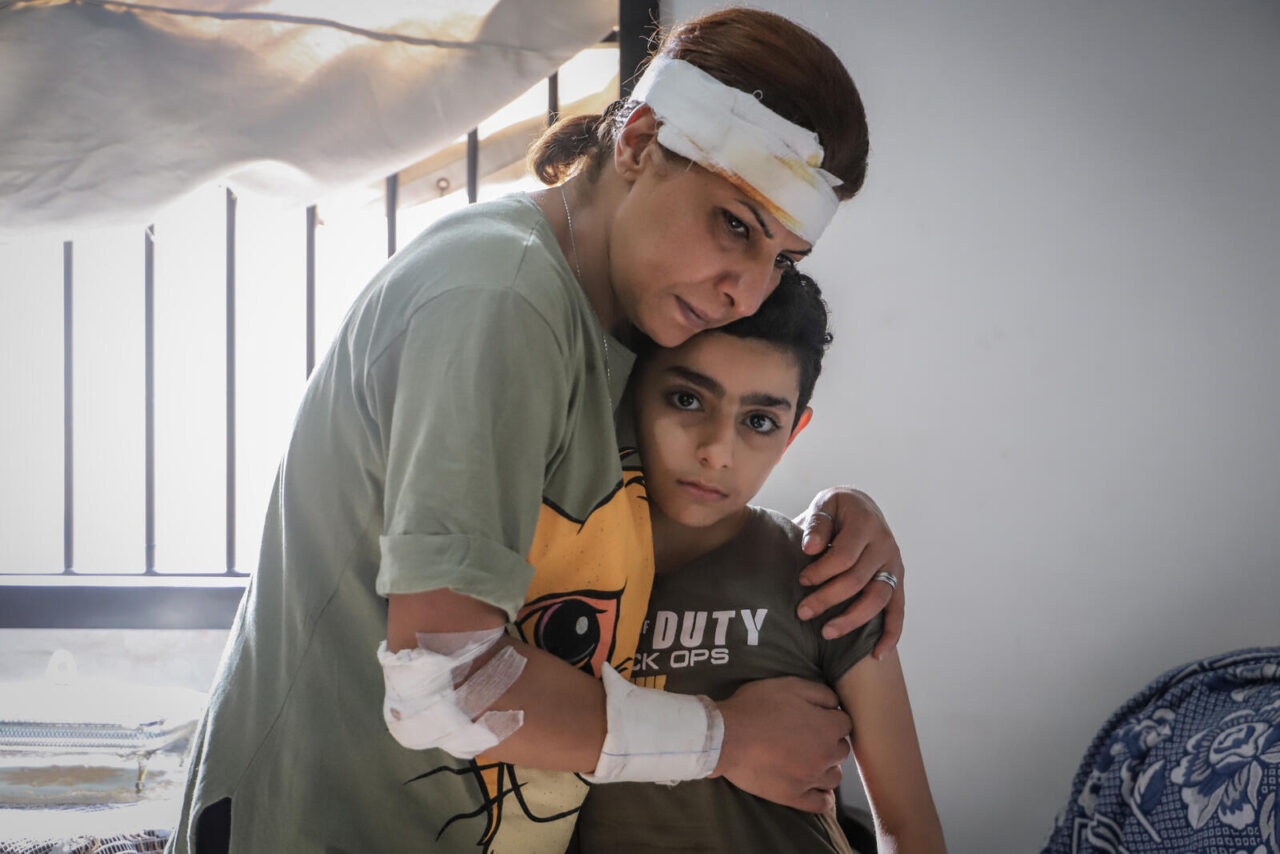
What caused the Beirut explosion?
The explosion occurred after a fire ignited approximately 6 million pounds of ammonium nitrate that had been improperly stored for years in a warehouse at the Port of Beirut. The blast caused widespread destruction across the city and prompted an international humanitarian response.
While the immediate emergency has passed, the explosion remains one of the defining events in Lebanon’s recent history. Many communities continue to recover from the lasting economic impacts.
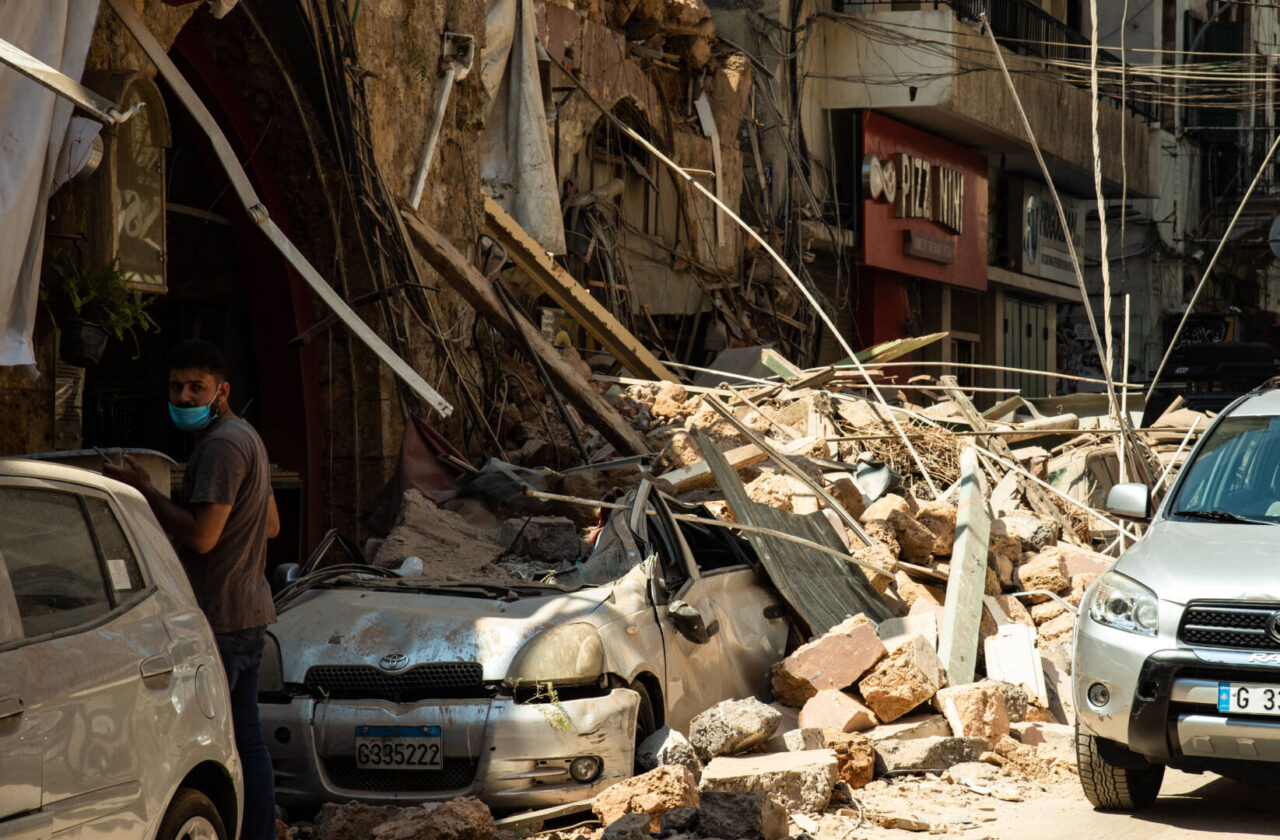
How did the explosion affect children and families?
Children were among those who were most affected by the disaster.
Thousands of families lost their homes, and many residences were heavily damaged. Schools, hospitals, businesses, and critical infrastructure were destroyed or forced to close, which disrupted education, healthcare, and livelihoods. In addition to the physical damage, many children experienced fear, grief, and emotional trauma as their lives changed overnight.
The explosion also worsened existing challenges in Lebanon, where many families were already struggling with economic hardship and the pressures of hosting one of the world’s largest refugee populations due to the crisis in Syria.
Why does the Beirut explosion still matter today?
The Beirut port explosion was a devastating moment in Lebanon’s history, but for many children and families, its impact didn’t end when the fires were extinguished. The disaster deepened challenges that were already affecting the country, leaving many people to rebuild their lives while facing economic hardship, displacement, and uncertainty.
Years later, recovery continues. Today, many families still struggle to access stable livelihoods and essential services, while children continue to feel the effects of disrupted education, emotional trauma, and ongoing instability. The explosion became one chapter in a broader humanitarian crisis that continues to affect vulnerable communities across Lebanon.
How did World Vision respond to the Beirut explosion?
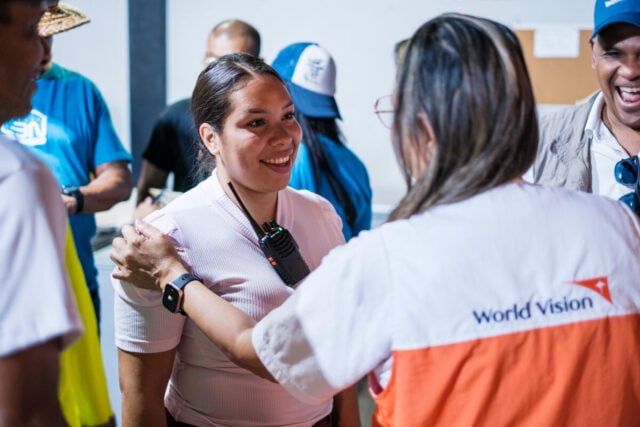
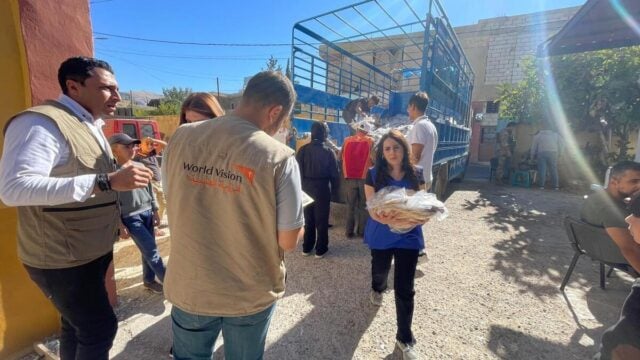
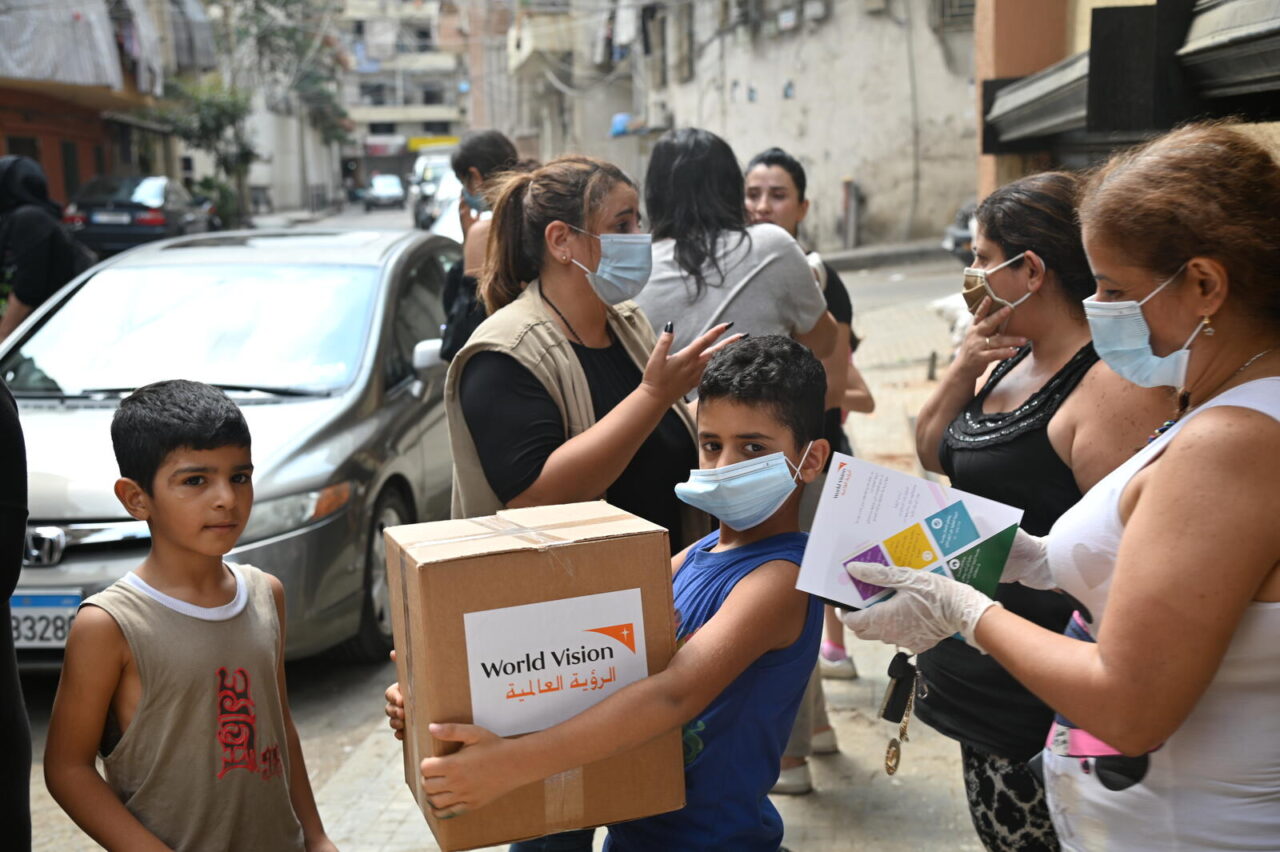
In the aftermath of the explosion, World Vision partnered with local churches and community organizations to help children and families meet their most urgent needs. Emergency assistance included:
- Food and essential household supplies
- Hygiene kits and other basic necessities
- Temporary shelter assistance and home repairs
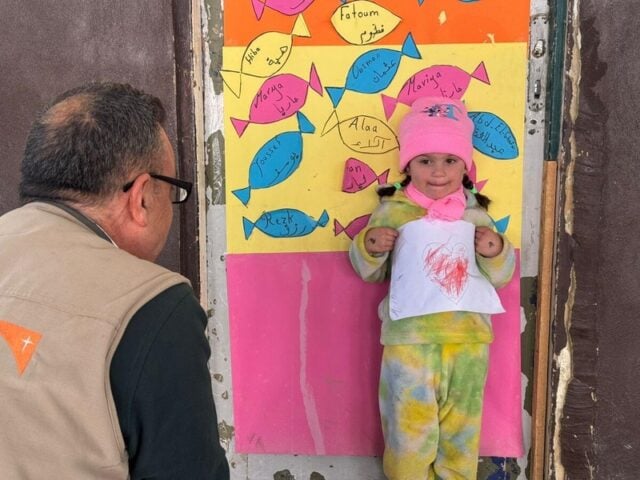
- Psychological first aid and child protection support
World Vision has been working in Lebanon since 1975, serving local families as well as refugees, including Syrian children and families displaced by the Syrian unrest.
Today, World Vision works with vulnerable children, Syrian refugee families, and host communities through programs that strengthen child protection, education, livelihoods, and resilience, helping families build hope for the future.
How can I help people in need in Lebanon?
Children and families in Lebanon continue to face humanitarian challenges years after the Beirut port explosion. Your support can help bring help and hope in times of emergencies.
- Pray: Lift up children, families, and communities in Lebanon as they continue to recover and rebuild
- Give: Help support people impacted by disasters like the Beirut explosion.
- Learn more: Explore our Lebanon crisis page to better understand the country’s ongoing humanitarian needs and how World Vision is responding.