An intensifying El Niño could push an additional 49 million people into acute food insecurity in 2027, according to the World Food Programme (WFP). For children and families already facing hunger, poverty, conflict, or displacement, changing weather patterns could deepen an already difficult crisis.
El Niño is a natural weather phenomenon that begins with unusually warm ocean temperatures in the tropical Pacific. Those warmer waters shift rainfall and temperatures around the world, increasing the risk of extreme heat, drought, and flooding in different regions and threatening food supplies, clean water, health, and education.
The strengthening 2026–2027 event is forecast to become very strong, increasing the risk of drought, flooding, and extreme weather in vulnerable regions.
The World Meteorological Organization (WMO) reports a near-100% likelihood that El Niño will persist through February 2027. The U.S. National Oceanic and Atmospheric Administration (NOAA) also forecasts a strong-to-very-strong event through early 2027, with a significant chance it could surpass previous events in strength.
Its impacts will vary by location. In places where droughts, floods, or other extreme weather threaten to cut off access to food, water, and livelihoods, the impacts can be severe. Communities experiencing poverty often have fewer resources to prepare for or recover from these weather events, placing children and families at higher risk of a humanitarian emergency.
World Vision is working with communities, local churches, and humanitarian partners to prepare for potential impacts, protect children, and help families meet urgent needs.
El Niño: Facts, FAQs, and how to help
- Fast Facts: El Niño 2026–2027
- What is El Niño?
- What is the difference between El Niño and La Niña?
- How often does El Niño occur?
- How does the 2026–27 El Niño compare to 2015–16?
- What happened to children during the last major El Niño?
- Why could El Niño 2026–2027 be different?
- What does El Niño 2026-2027 mean for children?
- Where could El Niño have the greatest impact in 2026-2027?
- How is World Vision preparing for El Niño right now?
- How can I help children and families impacted by El Niño?
Fast facts: El Niño 2026–2027
- The 2026–2027 El Niño is forecast to become one of the strongest on record.
- WMO reports a near-100% likelihood it will persist through February 2027.
- An estimated 49 million people globally are at risk of acute hunger, including children already facing food insecurity, conflict, and displacement.
- More than 347 million children in nearly 100 countries will be exposed to El Niño events, increasing the risk of extreme floods and droughts with potentially devastating consequences, according to UNICEF.
- Africa: In Somalia, an estimated 1.92 million children under 5 will need treatment for acute malnutrition through June 2027.
- Central America: In El Salvador and Honduras, millions of people are facing acute food insecurity and drought, with tens of thousands requiring urgent lifesaving assistance.
- South America: In Peru, nearly 8 million people live in flood-risk areas as coastal El Niño is forecast to reach strong to very strong intensity through April 2027.
- World Vision is preparing for weather-related risks through early warnings, community preparedness, and anticipatory responses in countries, including El Salvador, Honduras, Peru, Malawi, Mozambique, Somalia, Zambia, and other countries.
What is El Niño?
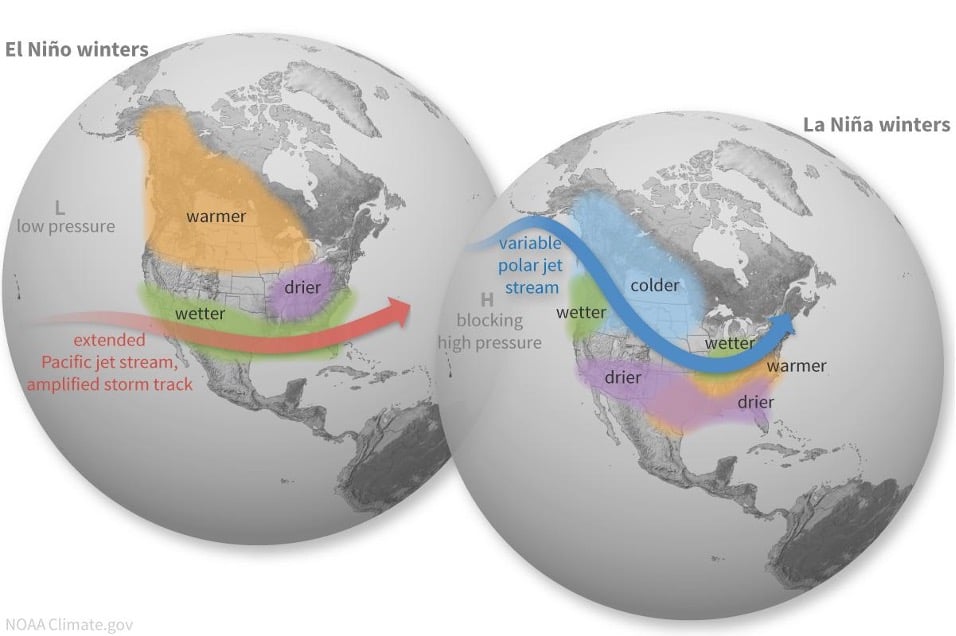
El Niño is a naturally occurring climate pattern that happens when ocean temperatures in the central and eastern tropical Pacific become warmer than usual. That warming influences atmospheric circulation, shifting rainfall and temperature patterns around the world.
Effects vary significantly by region. Some places experience drought and extreme heat. Others face heavier rainfall, flooding, or storms.
The 2026–2027 event is already established and is expected to strengthen. The WMO says there is a near-100% likelihood El Niño will continue through February 2027, reaching very strong intensity before peaking toward the end of 2026.
NOAA is also forecasting a greater than 90% chance of very strong El Niño conditions during the Northern Hemisphere fall and winter.
“El Niño is a massive threat to the food security of millions who are already vulnerable,” said Carl Skau, WFP’s acting executive director. “The sooner we help families to prepare for these climate shocks, the greater our ability to save lives and protect livelihoods.”
For more than 30 years, World Vision has partnered with WFP to deliver emergency food assistance and strengthen long-term food security. World Vision is WFP’s largest implementing partner.
Forecasters expect the current El Niño to become exceptionally strong. It may be referred to as “super El Niño,” a term commonly used to describe an exceptionally strong event, but it is not an official scientific classification. Scientists use terms such as “strong,” “very strong,” or “historic.”
When changing weather patterns collide with impoverished communities that already have very little room to absorb another shock, conditions worsen.
What is the difference between El Niño and La Niña?
El Niño and La Niña are opposite phases of the El Niño–Southern Oscillation (ENSO), a recurring climate pattern in the tropical Pacific Ocean.
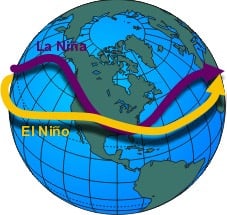
- El Niño occurs when sea surface temperatures in the central and eastern tropical Pacific become warmer than average.
- La Niña occurs when those waters cool below average.
Both can shift atmospheric circulation and influence rainfall, temperatures, and weather patterns globally. Their effects depend on the region and time of year.
Between these phases, conditions can be neutral, meaning neither El Niño nor La Niña is present.
How often does El Niño occur?
El Niño events typically occur every two to seven years, lasting about nine to 12 months, though some events can last longer. No two events are alike and can affect weather in regions far beyond the Pacific.
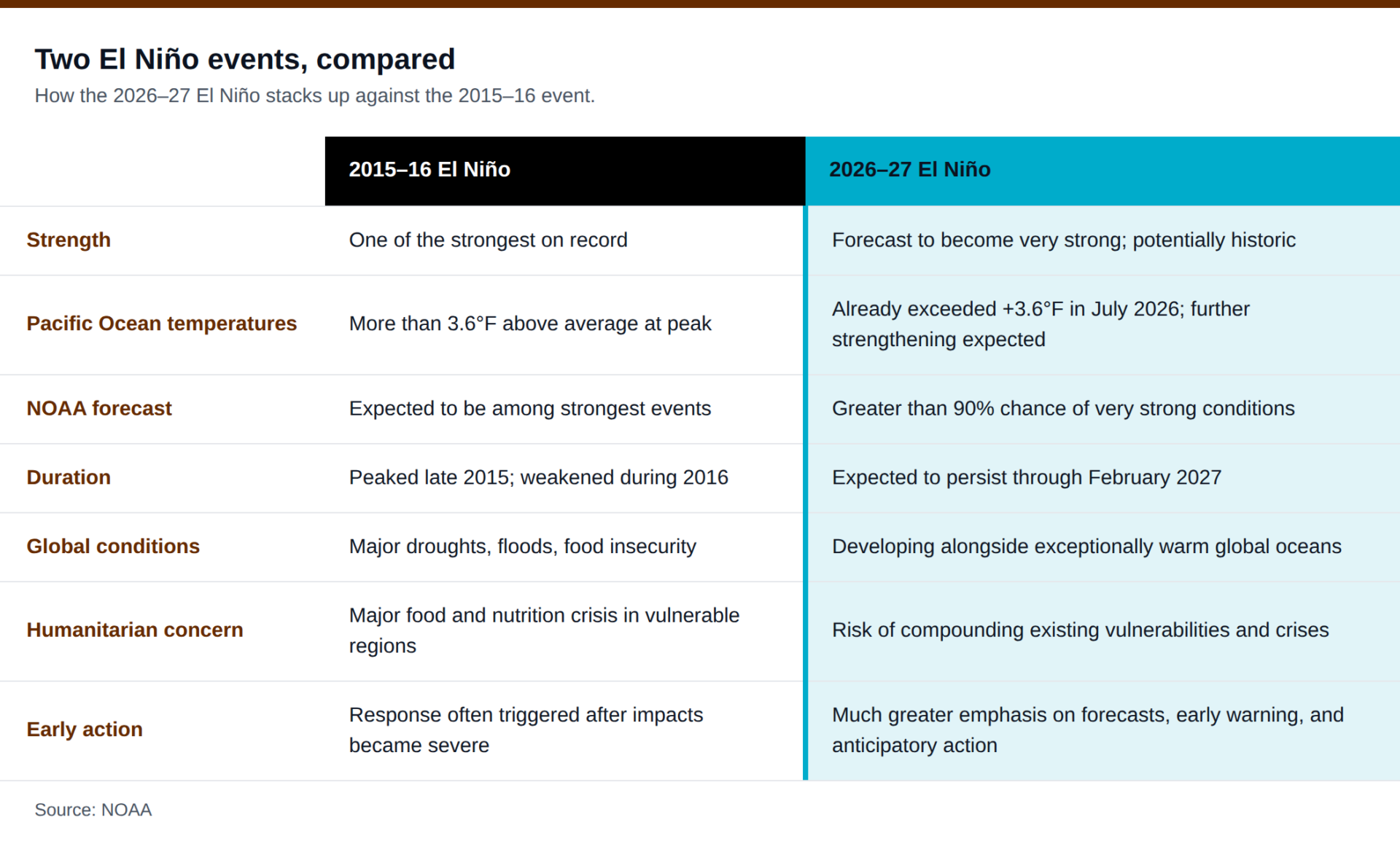
How does the 2026–27 El Niño compare with 2015–16?
The 2015–2016 El Niño was one of the strongest ever recorded. It contributed to severe drought, flooding, and food insecurity in vulnerable regions, including parts of Eastern and Southern Africa.
The current event is developing during exceptionally warm ocean conditions and could rival earlier historic events.
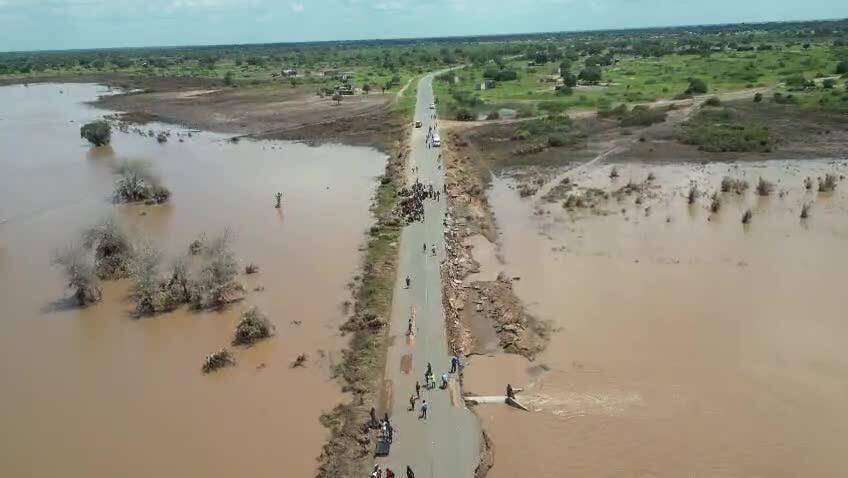
A strong El Niño, however, affects places in different ways. Weather impacts depend on geography, timing, and other climate patterns. For example, shifting water temperatures across the Indian Ocean (known as the Indian Ocean Dipole) can strengthen, weaken, or alter typical El Niño effects. That means a very strong event does not automatically translate into drought or flooding everywhere.
What happened to children during the last major El Niño?
The 2015–16 El Niño showed how quickly extreme weather can threaten children’s health, safety, and futures.
In Africa alone, more than 11 million children were at risk of hunger, disease, and water shortages, according to estimates reported by UNICEF in 2015. Drought contributed to crop failures, livestock losses, and worsening food insecurity, particularly across eastern and southern Africa.
In Ethiopia, failed and unpredictable rains contributed to widespread crop loss and food shortages. Across the region, children faced increased risks of hunger and malnutrition as families lost food supplies and livelihoods.
World Vision responded with food assistance, nutrition support, access to clean water, livelihood assistance, disaster preparedness, and more. World Vision delivered food and cash transfers to more than 800,000 people affected by prolonged drought in Southern Africa. Nearly 70% of those reached were children.
In Zimbabwe, drought pushed entire villages into desperation, forcing families into heartbreaking choices between feeding their children and protecting livelihoods they depended on.
Globally, the crisis triggered life-threatening drought conditions and catastrophic water shortages, with children among those most severely affected.
When families are already struggling with poverty, hunger, or displacement, another weather shock can quickly deepen the crisis. A failed harvest can mean less food and income. Rising food prices can force parents to cut back on nutritious meals. When water sources dry up, children may spend hours gathering water instead of attending school.
Early action can help families prepare before conditions worsen. Providing food, clean water, nutrition support, and help protecting crops and livestock can help communities recover.
Why could El Niño 2026–27 be different?
Every El Niño is different because it constantly interacts with weather cycles, ocean temperatures, and atmospheric patterns like the polar vortex. For 2026–2027, three factors make this event especially important to watch.
- Warm ocean conditions
El Niño is a natural phenomenon and isn’t caused by rising temperatures. But the 2026–27 event is developing against a backdrop of unusually warm oceans and above-average global temperatures.
These warmer background conditions can increase the risks associated with extreme heat. El Niño also shifts rainfall patterns, which can contribute to drought in some regions and heavy rainfall in others.
The combination makes it especially important to monitor local forecasts and prepare for region-specific impacts.
- Communities already in crises
In many parts of the world, families are already coping with conflict, displacement, hunger, poverty, high food prices, and repeated droughts or floods. That means a weather shock can carry a much greater cost.
- A family that has sold livestock to buy food has fewer resources when another drought arrives.
- A family displaced by conflict may have nowhere safe to go when flooding destroys homes.
- A child already experiencing malnutrition faces additional risks when food, access to clean water, and health services become harder to access.
- More opportunities to prepare
There is also reason for hope.
Improved forecasting and early-warning systems have improved significantly since 2015. Humanitarian organizations like World Vision can increasingly use those forecasts to identify risks and act before a crisis reaches its worst point by prepositioning food and nutrition supplies, preparing water systems, strengthening livelihoods, or helping communities plan for drought and flooding.
Early action can turn a forecast into an opportunity to prepare, rather than leaving families to respond only after disaster strikes.
As Mclarence Mandaza, World Vision’s global technical lead for environment sustainability and climate action, says: “Forecasting is becoming increasingly sophisticated, but technical accuracy alone does not empower a household.”
For example, Mandaza said that for a mother in Mozambique’s Gaza province caring for five children while recovering from flooding, the most important questions are practical. “Will there be enough water? Should she plant now? What can she do before the rains fail?”
Forecasts must be translated into clear, actionable guidance and shared through trusted channels, including traditional and faith leaders, local institutions, and accessible media.
“A forecast that does not change a decision has limited value,” Mandaza says.
Turning forecasts into practical action can give families more choices while they still have them. In recent Food and Agriculture Organization (FAO) studies in Mozambique, every $1 invested in preparing communities ahead of disaster can generate $3 to $7 in savings.
What does El Niño 2026–2027 mean for children?
Children are often among the first and hardest hit when extreme weather disrupts food, water, health, and education.
El Niño can increase the risk of:
- Hunger and malnutrition. Drought and crop failures reduce food availability and household income. When food becomes more expensive, families face difficult and impossible choices about what and how much their children eat.
- Unsafe water. Drought reduces access to safe water, while flooding can contaminate water sources and increase the risk of waterborne disease.
- Disease: Changes in rainfall and temperature influence the spread of diseases such as malaria and dengue.
- Loss of livelihoods. Warmer ocean temperatures can disrupt fisheries and change marine ecosystems, while shifts in rainfall and temperatures can damage crops, including staple foods. For families who depend on agriculture or fishing, these changes can reduce both income and food security with lasting consequences for children’s nutrition and wellbeing.
- Disrupted education. Children may miss school due to hunger, displacement, damaged schools, or the need to help their families find food and water.
- Displacement and protection risks. Floods, storms, drought, and food insecurity can force families from their homes, increasing children’s risk of exploitation, abuse, and separation from caregivers.
- Emotional distress. Disasters expose children to frightening events, loss, and uncertainty that can have lasting effects on their wellbeing.
These risks often compound one another. A child experiencing malnutrition is more vulnerable to illness. A family that loses crops may struggle to afford food or keep children in school. Drought can force families to move — disrupting education, relationships, and support networks that children depend on.
Protecting children from the effects of El Niño means protecting the systems they rely on to grow, learn, and thrive.
Where could El Niño have the greatest impact in 2026-2027?
El Niño’s effects vary by region. In communities already facing hunger, poverty or displacement, changing rainfall and temperatures can place added strains on food supplies, access to clean water, health services, and children’s education. Here are a few regions where El Niño may have adverse effects.
Africa: Hunger and flooding threaten communities
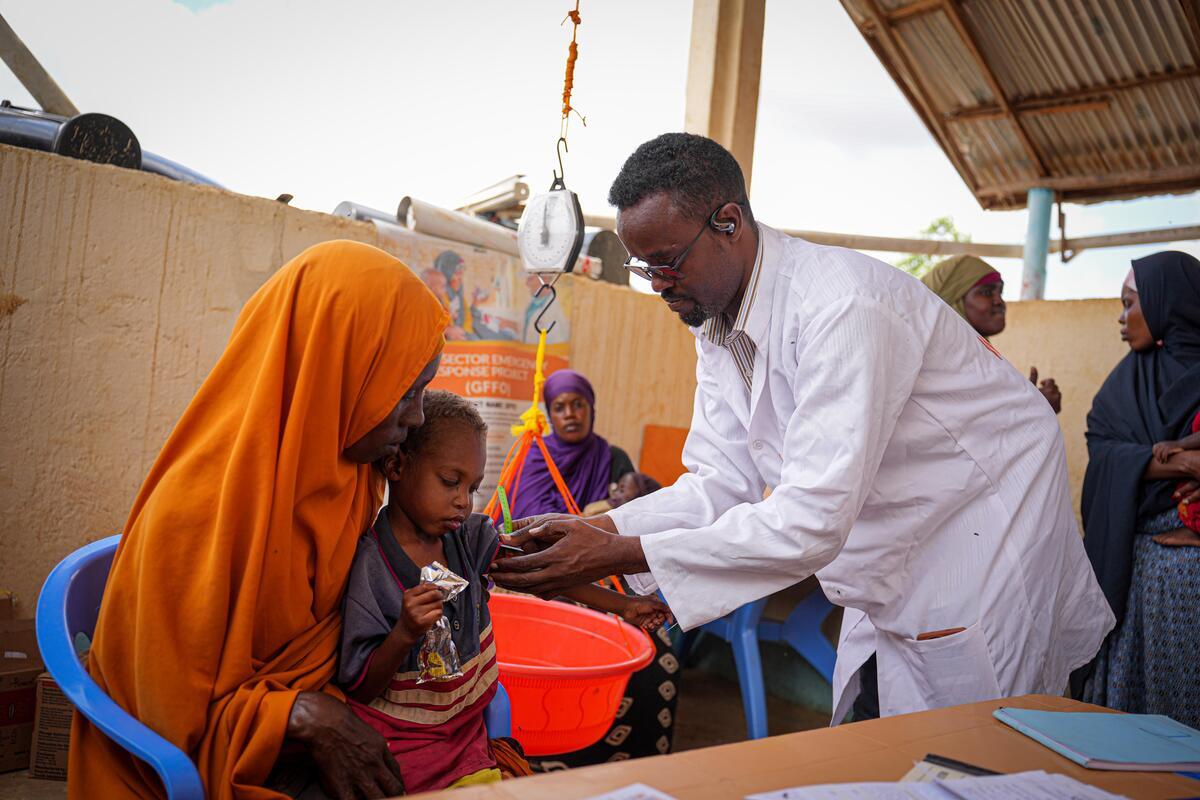
In Somalia, the latest Integrated Food Security Phase Classification (IPC) analysis warns of worsening food insecurity and malnutrition as Somalia faces a combination of food shortages, displacement, insecurity, limited humanitarian funding, and the anticipated impacts of El Niño. The situation is especially concerning in southern Somalia, including Baidoa.
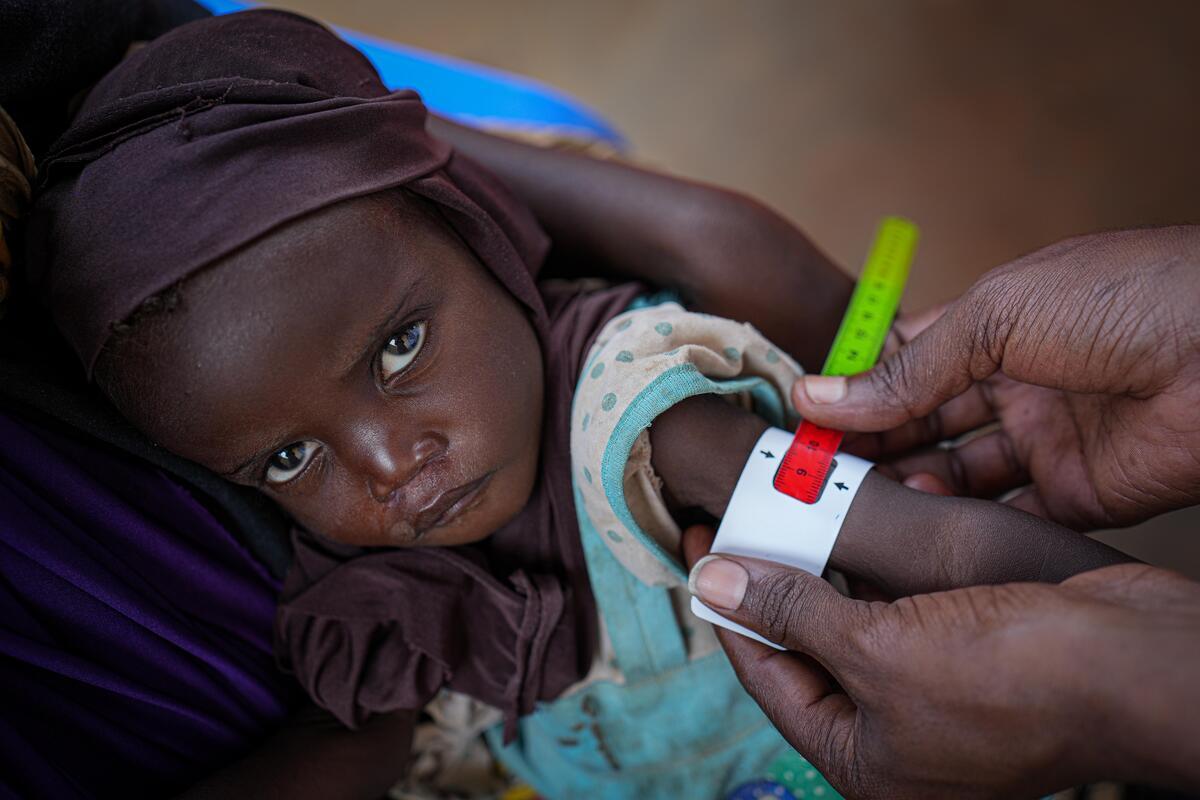
In Somalia, an estimated 1.92 million children (ages 6 months to 5 years) will need treatment for acute malnutrition through June 2027, according to IPC estimates.
Conflict, displacement, food insecurity, limited humanitarian funding, disease and inadequate access to healthcare, water and sanitation are contributing to the crisis. Forecast flooding could further displace families and disrupt access to lifesaving health and nutrition services.
Kevin Mackey, national director for World Vision in Somalia, described the urgency: “The recent IPC report, flagging the risk of famine in Baidoa, confirms our worst fears: the El Niño floods projected for Somalia will displace thousands of people who are already on the brink of catastrophe.”
In Malawi, Mozambique, and Zambia, our teams are also preparing for weather-related risks to food security, livelihoods and children’s nutrition. The specific risks vary by country, making local forecasts and community-led preparation essential.
Central America: Drought across the Dry Corridor
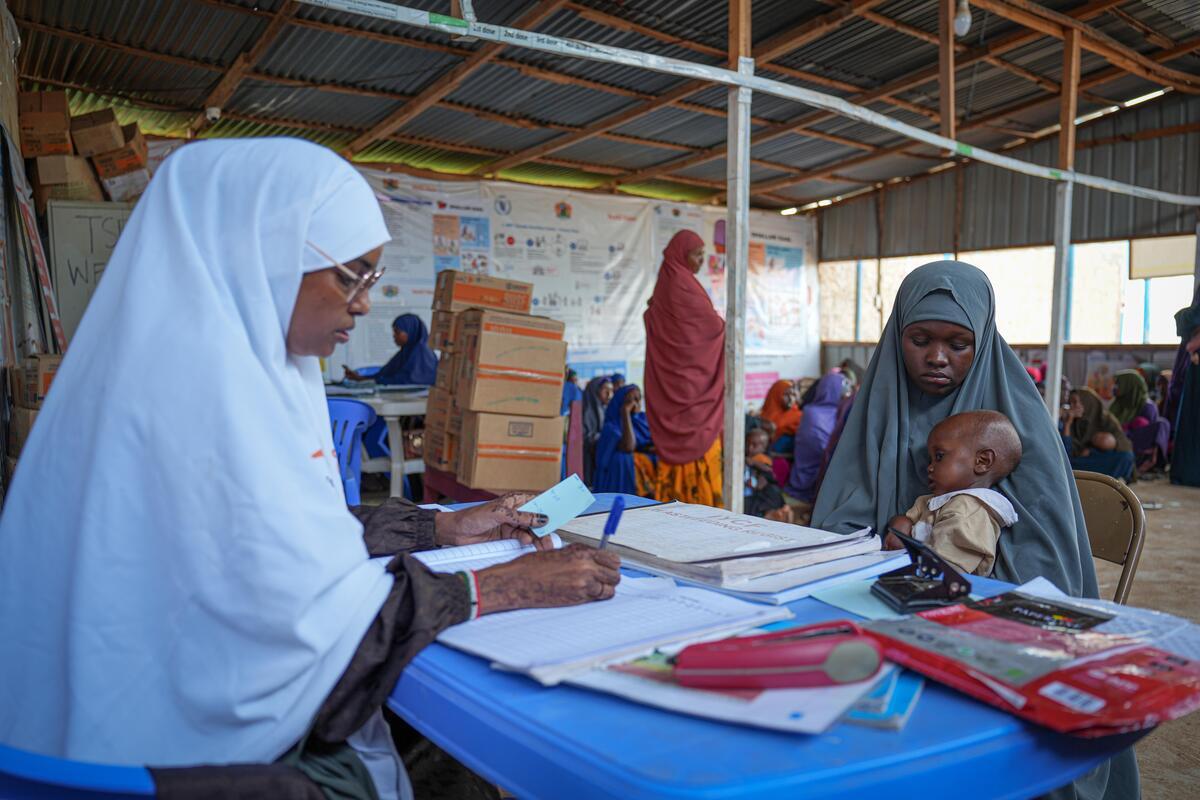
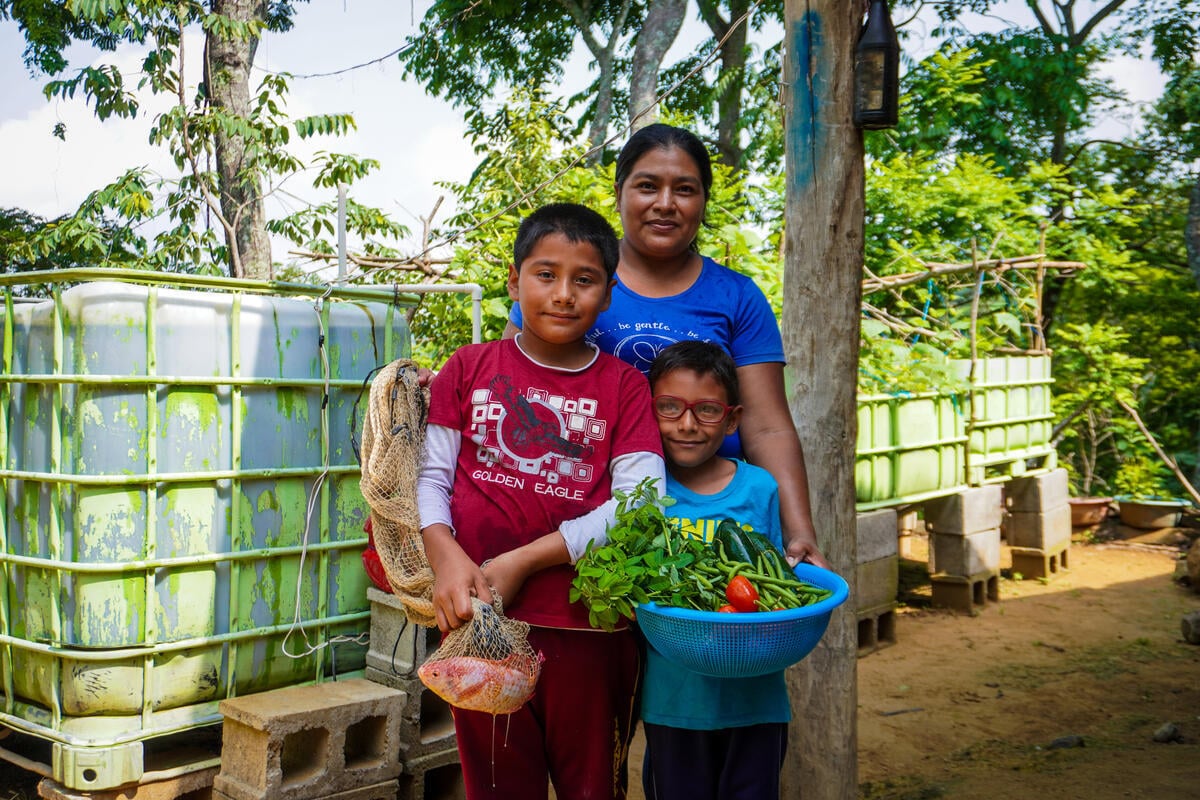
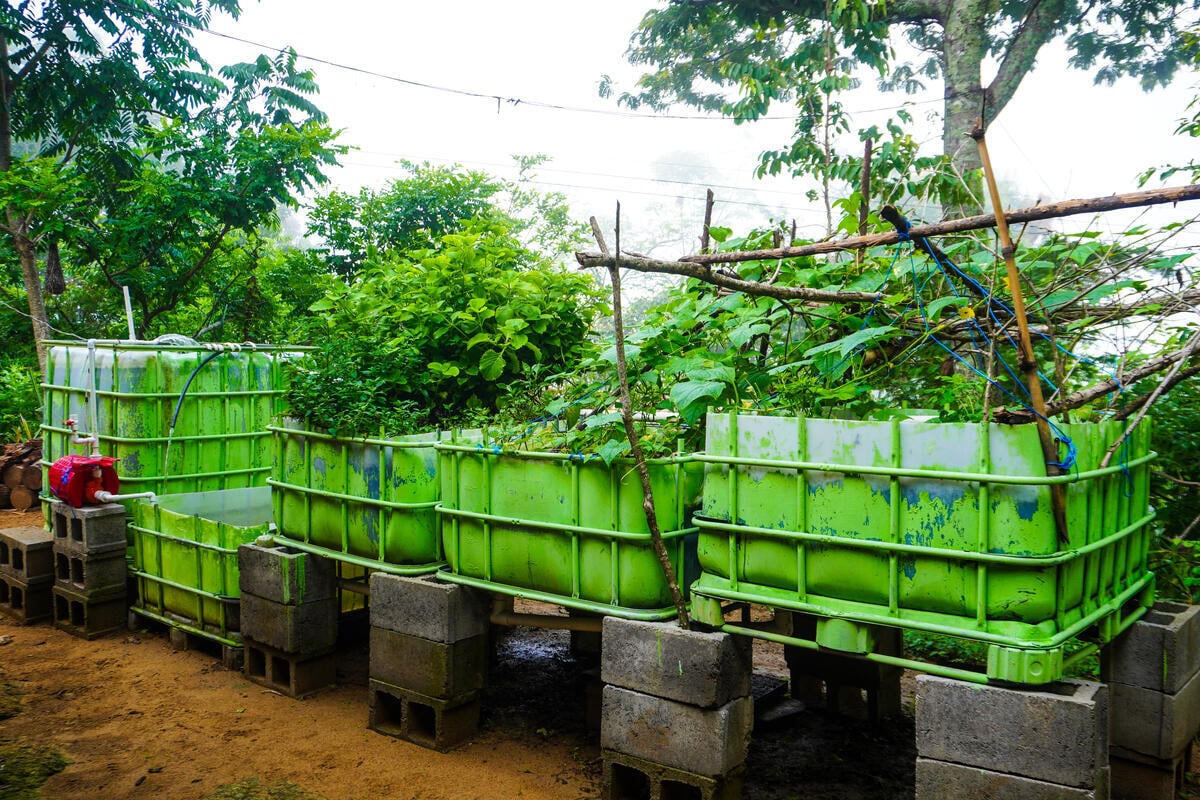
Across Central America’s Dry Corridor, a drought-prone region stretching from southern Mexico to Panama, prolonged dry periods threaten families who depend on agriculture and seasonal rainfall for their food and livelihoods.
In El Salvador, drought has put hundreds of thousands of people at risk of hunger. Three meteorological drought events have already been recorded in 2026, including one that reached up to 19 consecutive dry days. More than 818,700 people could be severely affected, including an estimated 43,900 children.
Honduras is also facing significant crop losses and acute food insecurity, with families struggling as staple crops such as maize and beans are affected. According to the IPC, approximately 1.8 million people (18% of the population) had experienced acute food insecurity as of August 2026, with at least 60,000 people requiring urgent, lifesaving assistance.
For families whose livelihoods depend on rainfall, acting early can help protect food, income, and the choices families have before drought takes an even greater toll.
Asia: Heat and drought threaten food production
El Niño is expected to bring prolonged heat, drought and below-average rainfall across parts of Asia, with peak agricultural stress forecast for late 2026 into early 2027.
Countries across the Mekong region, including Myanmar, Cambodia and Vietnam, face a high risk of drought and reduced crop yields. In South Asia, prolonged heat and delayed monsoon conditions could affect food production and water access in Bangladesh, Nepal and India. The Philippines also faces potential drought and heightened cyclone activity.
South America: Threat of flooding in Peru
Peru is experiencing Coastal El Niño, a regional warming of ocean waters off the country’s coast that can influence rainfall, marine ecosystems and local livelihoods. This phenomenon is distinct from, though related to, the broader El Niño developing in the central and eastern tropical Pacific.
Peru’s national forecasting authorities have warned that Coastal El Niño could continue into 2027, with the potential for heavy rainfall along parts of the coast. Flooding, river overflows and landslides could threaten homes, schools, health facilities, and livelihoods.
Approximately 7.9 million people live in areas classified as high risk for flooding. More than 11,000 health facilities and 74,000 educational institutions are located in zones classified as high or very high risk. Warmer coastal waters are already changing marine ecosystems, while shifts in rainfall and temperatures are affecting crops including mangoes, avocados, rice, maize, cacao, and coffee.
How is World Vision preparing for El Niño right now?
World Vision is drawing on decades of experience responding to droughts, floods, storms, and other emergencies, with a growing focus on acting before the worst impacts arrive.
World Vision works with local communities, churches, governments, and humanitarian partners to understand and identify the risks, needs, and prepare solutions because the people living in these communities understand them better than anyone.
Preparation can include:
- Sharing early-warning messages and helping communities understand what forecasts mean for them
- Positioning emergency, medical, water, and nutrition supplies closer to areas at risk
- Supporting food security, climate-resilient agriculture and livelihoods
- Helping communities prepare for drought, flooding and other hazards
- Protecting children’s access to nutrition, clean water, healthcare, and education
- Working with governments, humanitarian partners, local leaders, and churches to develop practical preparedness plans
In East and Southern Africa, World Vision is preparing for different potential impacts across several countries:
- Somalia: World Vision is sharing early-warning information and preparing supplies, including boats, medical equipment, and nutrition supplies, to help communities facing potential flooding. World Vision-supported health centers are also providing health and nutrition services to children and families experiencing hunger and malnutrition.
- Malawi: World Vision is focusing on drought risks during the November 2026 to January 2027 period.
- Mozambique: We’re strengthening community disaster-risk reduction and preparedness ahead of the 2026–27 rainy season, while supporting climate-resilient agriculture and livelihoods.
- Zambia: World Vision is advocating for increased investment in school meals as families prepare for the potential effects of drought on children’s nutrition and learning.
In Central America, we’re preparing in El Salvador and Honduras, where we’re conducting needs assessments and prepositioning food, clean water, and hygiene supplies for communities most affected by drought across the Dry Corridor.
In South America, World Vision in Peru has extended its emergency declaration through June 2027, prepositioning humanitarian supplies and working with communities and local authorities to prepare for potential flooding and landslides associated with Coastal El Niño.
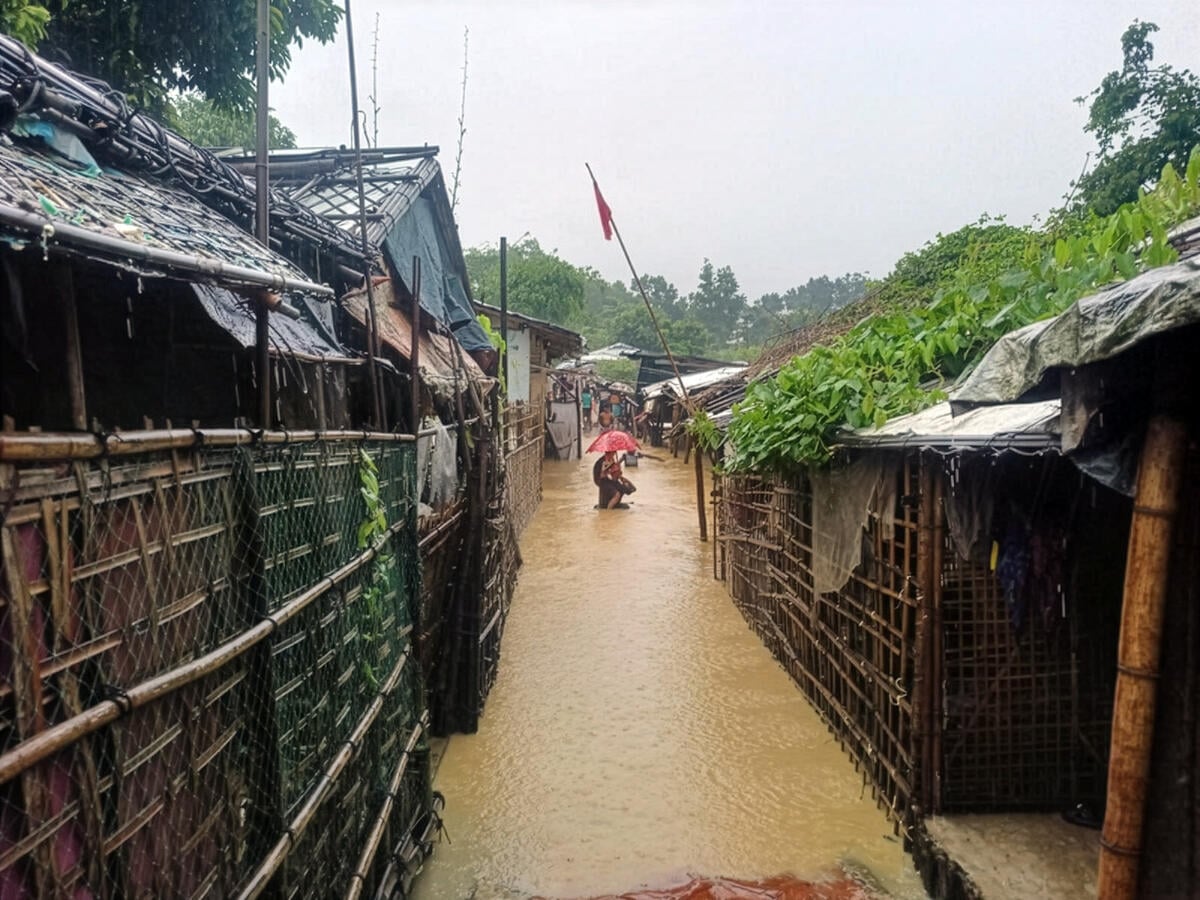
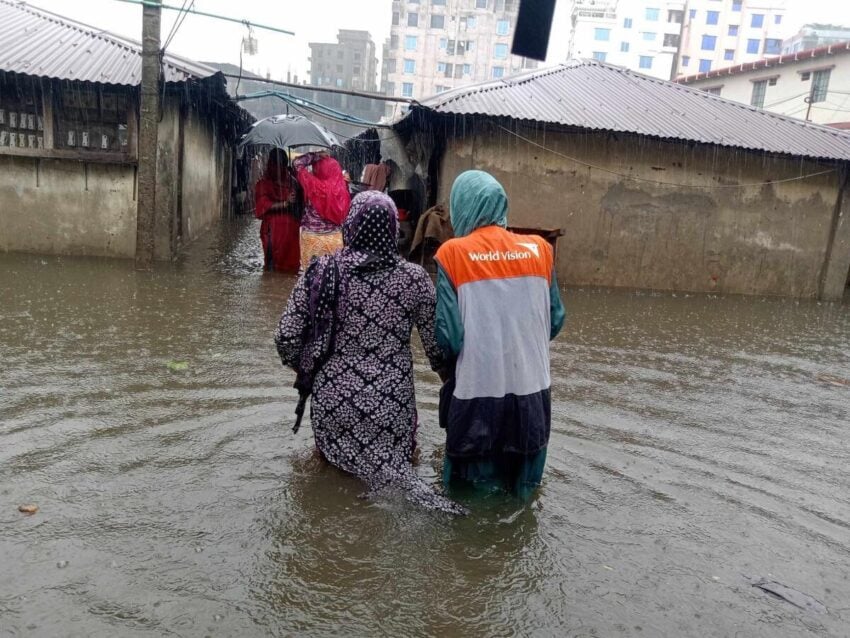
In Asia, World Vision is monitoring conditions across the region and working with communities and local partners to strengthen early-warning systems, protect food security and livelihoods, and prepare for potential displacement and health impacts. For example, following torrential rains that started July 5, 2026, and triggered severe flash floods and landslides in Bangladesh’s Chittagong area, World Vision delivered disaster relief supplies to affected communities.
Across all these efforts, our aim is to help communities prepare before a crisis becomes a catastrophe.
How can I help children and families impacted by El Niño?
- Pray: Lift up children, families, and the communities facing the threat of drought, flooding, and extreme weather events. Pray for protection, provision, and the strength of those responding to urgent needs.
- Give: Your gift can help World Vision deliver lifesaving food, clean water, and nutrition support to children and families in El Niño-affected communities before conditions worsen.