
In 2026, disasters and humanitarian crises have upended millions of lives around the world. Earthquakes and floods have destroyed communities and critical infrastructure. Conflict, displacement, hunger, and disease continue to threaten children’s safety, health, and futures.
From earthquakes in Colombia and Venezuela to worsening hunger crises in Somalia and Sudan, these emergencies have placed enormous pressure on families already struggling to meet their most basic needs. For children, the consequences can be especially severe: missed meals, disrupted education, separation from loved ones and caregivers, and inability to access healthcare and more.
The scale of need is immense. UNICEF estimates that more than 200 million children across 133 countries and territories will need humanitarian assistance in 2027. Looking ahead, the 2026–2027 El Niño cycle could increase the risk of droughts, floods, and extreme weather in areas where 347.5 million children live.
With a presence in nearly 100 countries, World Vision works alongside local communities, churches, and partners to deliver lifesaving assistance, protect children, and help families rebuild their lives. In 2025, World Vision responded to 117 emergencies worldwide, providing aid to 38.1 million people across 72 countries.
Here are 13 major disasters and humanitarian crises that affected children and families in 2026, listed alphabetically, and how World Vision has been responding.
Top disasters of 2026
- Afghanistan humanitarian crisis
- Colombia earthquake
- Democratic Republic of the Congo conflict and Ebola outbreak
- Haiti humanitarian crisis
- Middle East crisis
- Nepal floods
- Rohingya refugee crisis
- Somalia hunger crisis
- South Sudan humanitarian crisis
- Sudan humanitarian crisis
- Syria humanitarian and refugee crisis
- Ukraine humanitarian crisis
- Venezuela earthquakes
Afghanistan humanitarian crisis
Children and families in Afghanistan have been facing one of the world’s most severe humanitarian crises. Decades of conflict, chronic poverty, natural disasters, and the large-scale return of refugees have left millions struggling to access food, healthcare, education, or reliable livelihoods.
The U.N. estimates that 21.9 million people, including 11.6 million children, will need humanitarian assistance in 2027. Approximately 41% of children under 5 in Afghanistan experience stunting, a sign of chronic malnutrition. Women and girls face additional barriers, including restrictions on education, employment, and essential services that have contributed to increased rates of child marriage and mental health concerns.
For many children, poverty creates impossible choices between helping their families survive or going to school. Eleven-year-old *Ozair from Ghor province began polishing shoes on the streets to help feed his family of eight after his father left the family. Watching other children go to school, Ozair longed to be in a classroom.
“I have never been to school, … but I have always wanted to learn,” he says.
Through a World Vision-supported educational program, Ozair began attending classes while continuing to help his family. He also received health support, and his family was connected with services to help address his mother’s health needs.
“I want to become a teacher,” Ozair says, “so I can help children like me.”
World Vision’s response: From April through May, World Vision reached 223,734 people through health, nutrition, food security, livelihoods, protection, education, emergency programs, and water, sanitation, and hygiene (WASH). World Vision also delivers vaccines through its immunization program, helping protect children against preventable diseases that can cause serious illness or death.
Colombia earthquake
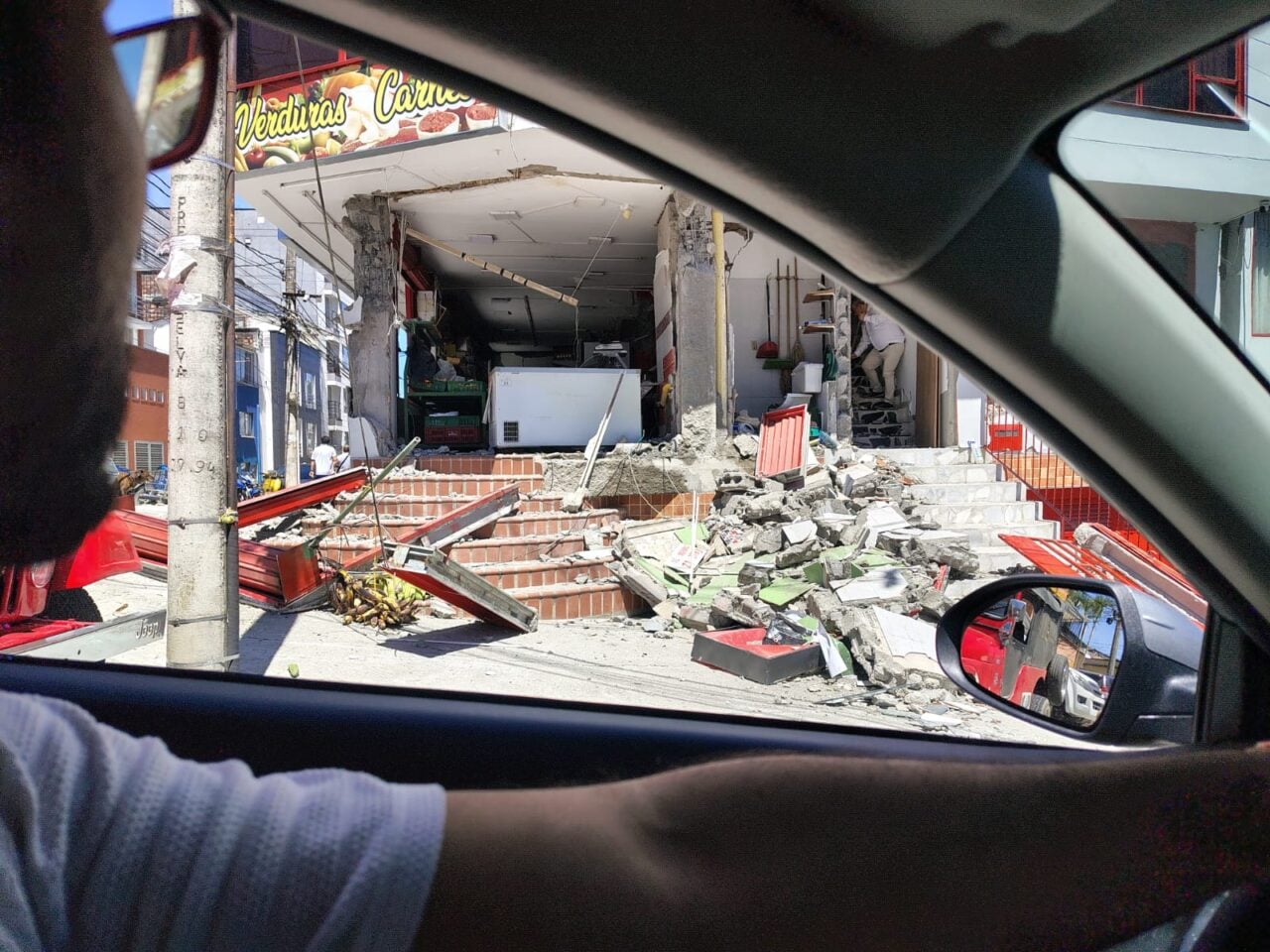
A 7.4-magnitude earthquake struck western Colombia August 10, killing at least 335 people and injuring thousands. The earthquake’s epicenter was near San José del Palmar in the Chocó department. Damage spread across 13 departments and 357 municipalities, destroying 31,461 homes and affecting 3,483 educational facilities, 348 health facilities, and 112 water supply systems.
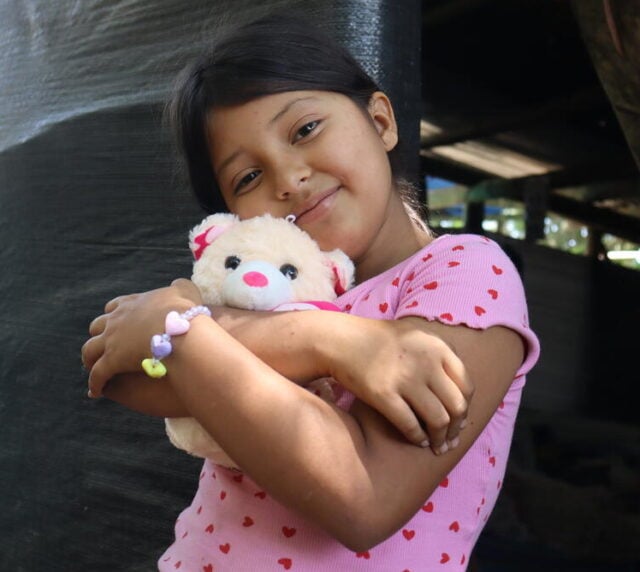
For children, the disaster brought fear and uncertainty as families searched for loved ones, assessed the damage to their property and communities, and tried to regain a sense of normalcy.
Nine-year-old Danna was at school in Pereira, Colombia, when the earthquake struck. She and her family were unharmed, but their home was damaged, forcing them to move into temporary accommodations.
“It was really scary because everything was moving like that,” Danna says, moving her hands to recreate the intensity of the shaking she felt that day. Even as her family adjusts to a new living situation, Danna misses school and the familiar routines of childhood. “I want to go back.”
World Vision’s response: In Chocó, World Vision worked through a humanitarian consortium to deliver food, clean water, sanitation, and hygiene support, as well as child protection and Child-Friendly Spaces, where children like Danna could play and feel safe. As part of its response, World Vision has reached 29,941 people, including 11,426 children, with vital relief.
Democratic Republic of the Congo conflict and Ebola outbreak
The Democratic Republic of the Congo (DRC) has faced overlapping humanitarian emergencies in 2026, including conflict, displacement, hunger, and an Ebola outbreak caused by the Bundibugyo virus.
Ongoing conflict in eastern DRC has forced families from their homes and deepened food insecurity. Disease outbreaks have placed added pressure on communities, disrupting health services, education, and livelihoods. For children, displacement and fear of infectious diseases can compound the trauma of conflict and undermine their sense of safety.
Twelve-year-old Kelly experienced the cost of DRC’s conflict. In 2022, Kelly, her mother, and siblings fled on foot as gunshots rang out in their hometown. For three days, they traveled from Kirumba through Virunga National Park at night. She lost classmates to the fighting. Now, in the community of Kiwanja, Kelly fears the Ebola outbreak and worries about becoming infected.
“I’m so scared when playing with my friends at school because I don’t want to catch this disease that has no cure. They tell us that if we come into contact with an infected person, we both risk dying,” she says.
World Vision’s response: World Vision reached 4.7 million people in the DRC with humanitarian assistance in 2025. Our programs support vulnerable children and families through humanitarian and health programs, working with local partners to meet urgent needs and strengthen child protection to keep kids safe.
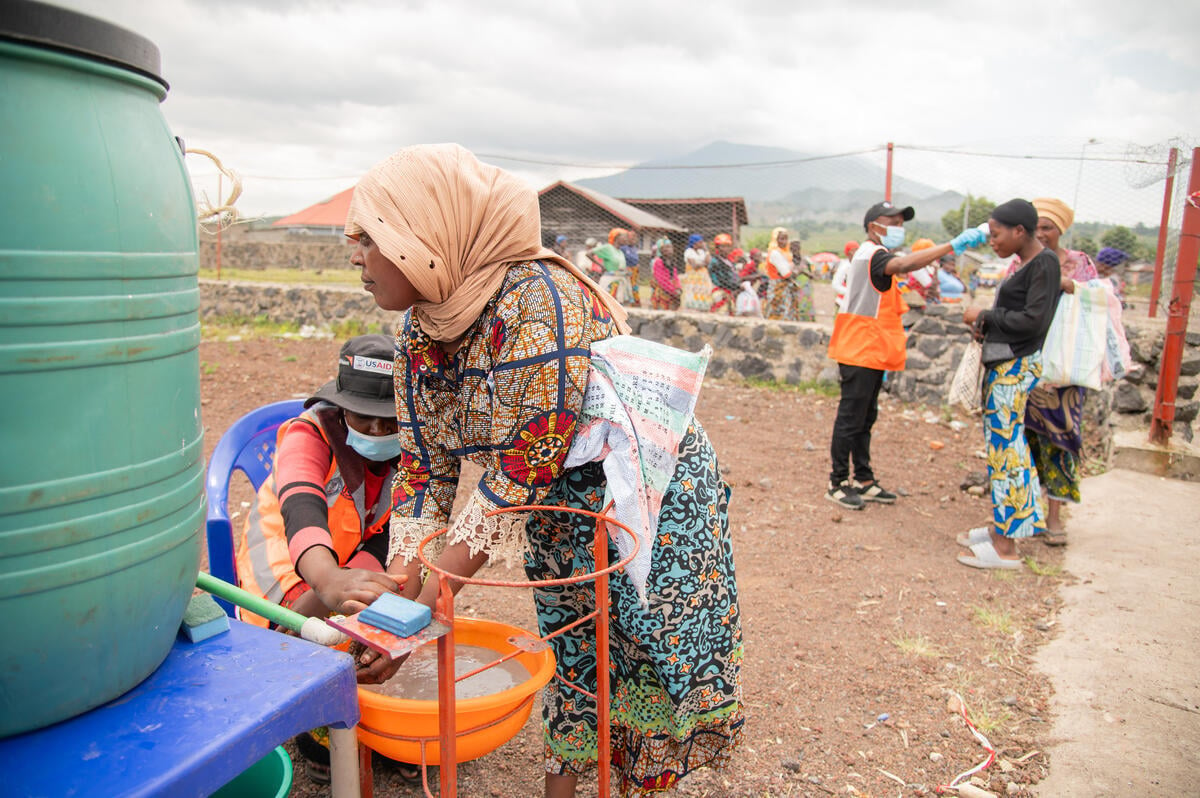
In response to the Ebola outbreak, World Vision has supported Ebola prevention activities in affected communities and in schools, including the school Kelly attends. These efforts include hand-washing stations, hygiene promotion, and information on recognizing Ebola symptoms and accessing health services. By helping children and their families understand health risks and how to reduce them, these activities support safer schools and communities.
Haiti humanitarian crisis
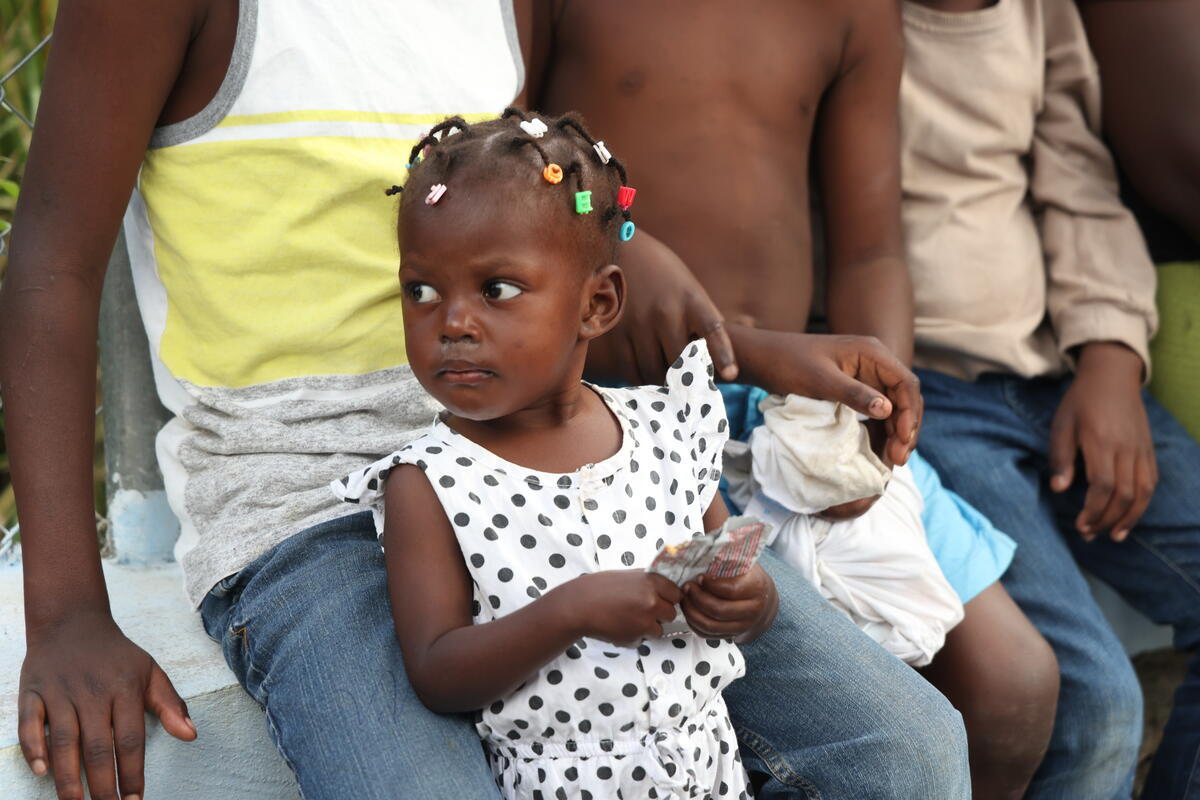
Haiti’s continuing humanitarian crisis is driven by violence, displacement, and severe food insecurity. Families forced to flee their homes have faced growing challenges accessing food, education, healthcare, and other essential services. Insecurity can also make it harder for humanitarian organizations to reach people in need.
Children have been particularly vulnerable. Displacement and interrupted schooling have increased risks of exploitation and other forms of harm, while limited access to nutritious food and health services has threatened their health and development. Families who have lost their homes, income, or community support have struggled to recover, even when immediate danger subsides. Children with disabilities have faced additional barriers to mobility, inclusion, and participation in daily life.
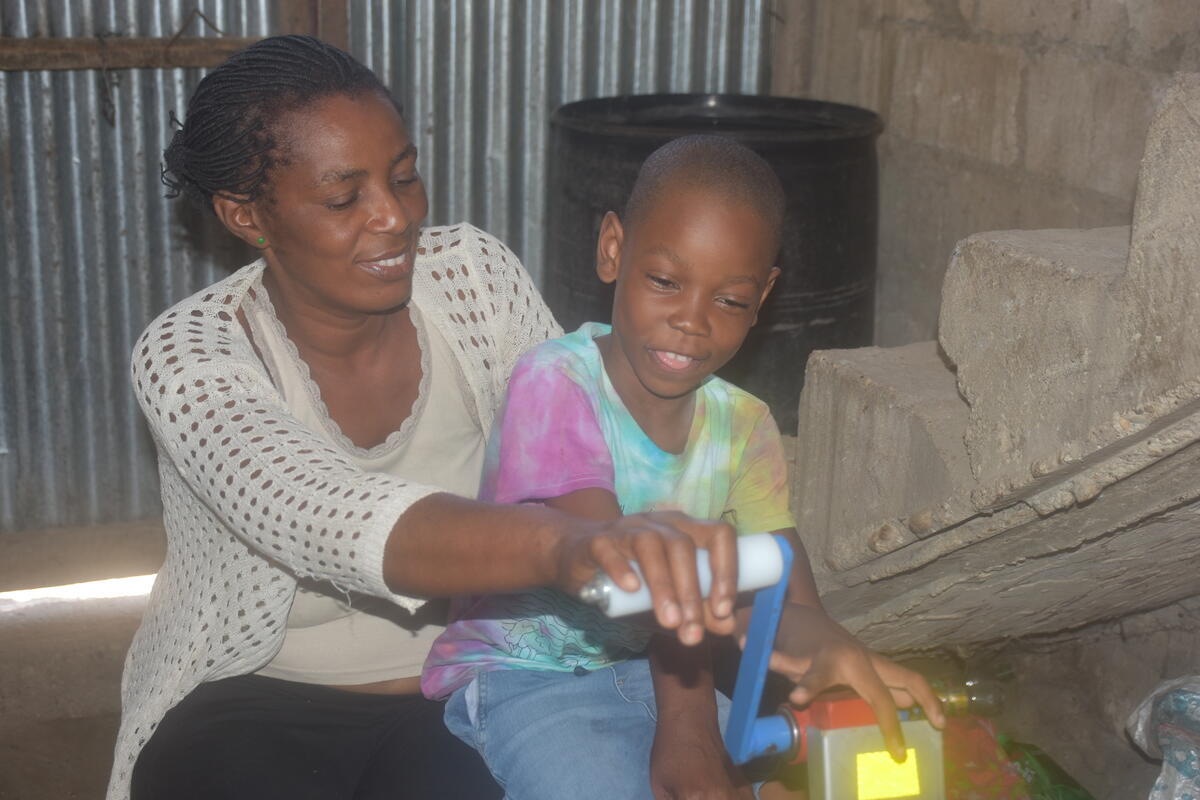
“I used to feel sad all the time,” says Joe, 8. He and his mother fled gang violence in Haiti in 2025. Joe, who is paralyzed in both legs because of an illness, struggled with isolation after displacement because he could not move around independently or join other children at play.
Through World Vision’s emergency response, Joe received a hand-propelled wheelchair, and his family received hygiene supplies. The support helped Joe move around more independently, reconnect with other children, and take part in daily life. He says, “Now, I smile and play again.”
World Vision’s response: In 2025, World Vision reached approximately 567,000 people in Haiti through humanitarian and development programs addressing health, nutrition, education, child protection, livelihoods, emergency response, and water, sanitation and hygiene (WASH). Our work included providing clean water to 27,495 people through 12 new water points, supporting 37,654 children to stay in school, and treating 1,839 cases of malnutrition. World Vision reported an approximately 98% recovery rate among children treated for severe malnutrition.
Middle East crisis
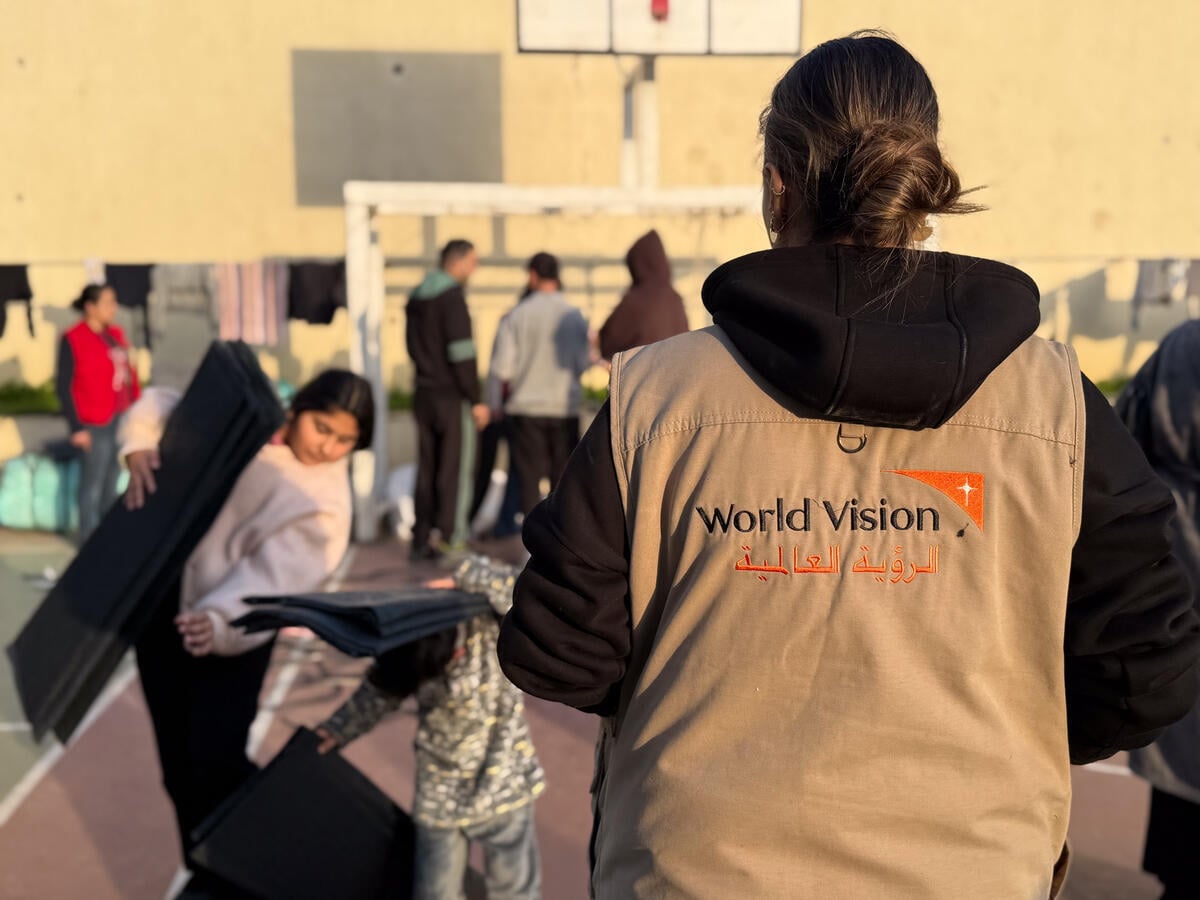
Conflict and humanitarian need across Lebanon and the wider Middle East continued to affect children and families in 2026. Many families faced significant challenges accessing food, clean water, healthcare, shelter, and education.
For children, the effects of conflict extend far beyond immediate physical danger. Displacement, disrupted schooling, loss and separation from family members, and exposure to violence can have lasting consequences for their emotional well-being.
Seven-year-old Ali from Lebanon left home in a rush when his family fled the violence. He had no time to gather the things that mattered most to him.
“I didn’t even have time to take my school bag,” he says. “We ran away so fast … I left behind my things, my books, my notebooks, my clothes, and all my toys.”
World Vision’s response: In Lebanon, World Vision and partners had reached more than 221,000 people, including over 77,000 children, through multisector assistance as of August. Support included emergency assistance and services addressing needs such as food, water, hygiene, shelter, psychosocial support, and child protection.
Nepal floods
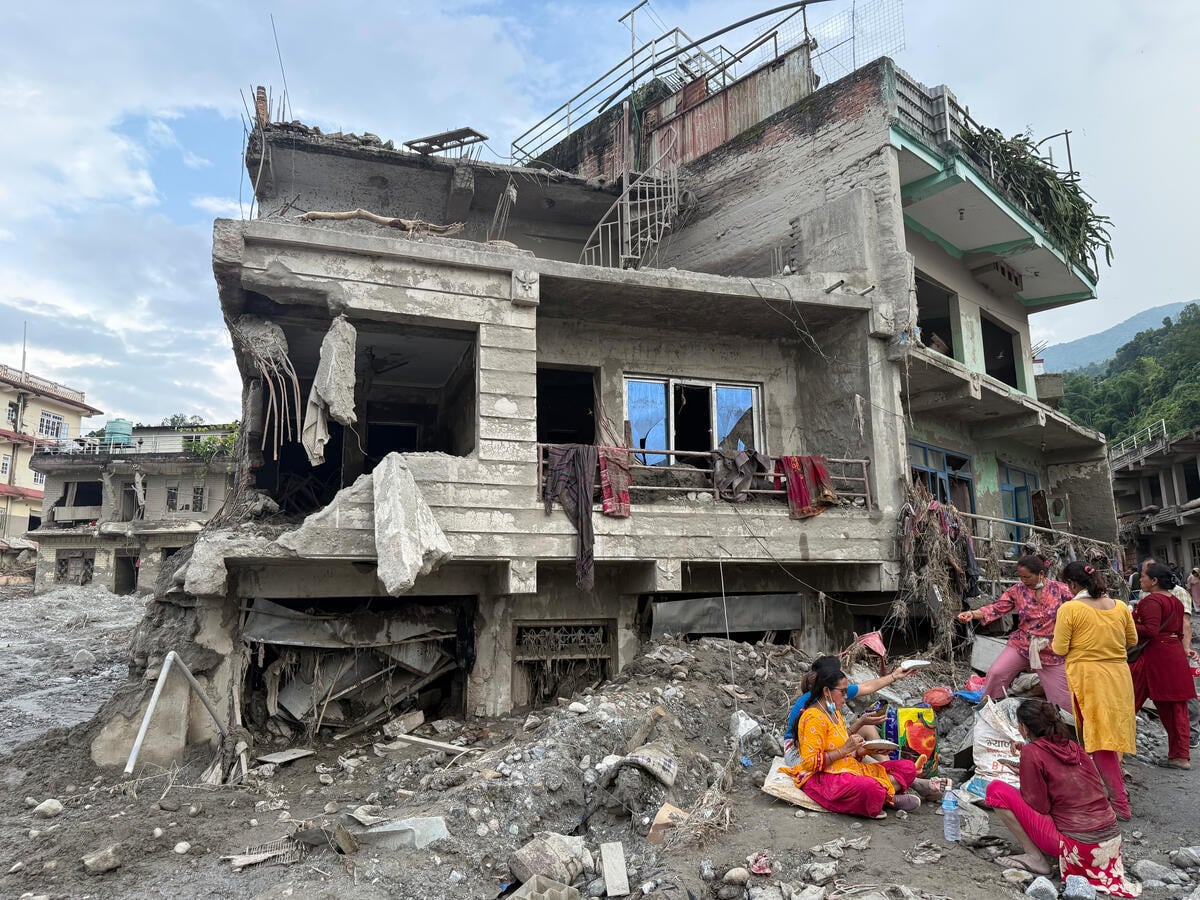
Catastrophic flash flooding swept through northern Nepal in late August, devastating communities in Nuwakot and Rasuwa. As of early September, over 1,500 people had died and nearly 5,600 remained missing. The floods destroyed entire communities, bridges, hydropower dams, and schools. Some 2.2 million tons of debris and sediment now cover what used to be homes, schools, roads, and rivers.
For children and families who lost homes and their belongings, recovery has been made harder by damaged roads and disrupted services. Children face additional risks when displacement interrupts access to safe shelter, education, healthcare, and other essential support.
For children who survived the floods in Nuwakot and Rasuwa, the water may have receded, but the emergency has not.
“I had to leave my cycle and ball behind, and the river swept them away,” says 8-year-old Salun. “The flood took everything I owned. I was afraid when I saw houses collapse. I saw the water enter our house and tear away the back of it. I did not know where we would stay, and now we are here at a school converted into a temporary shelter.”
World Vision’s response: By September, World Vision had reached 1,582 people in Nepal, including 679 children, affected by the floods in Rasuwa and Nuwakot. Assistance included water purification tablets, solar lights, mattresses, child protection services through two Child-Friendly Spaces, and emergency food, shelter, and kitchen kits. Our response plan aims to reach 25,000 people during the emergency relief phase, followed by support for another 20,000 during early recovery.
Rohingya refugee crisis
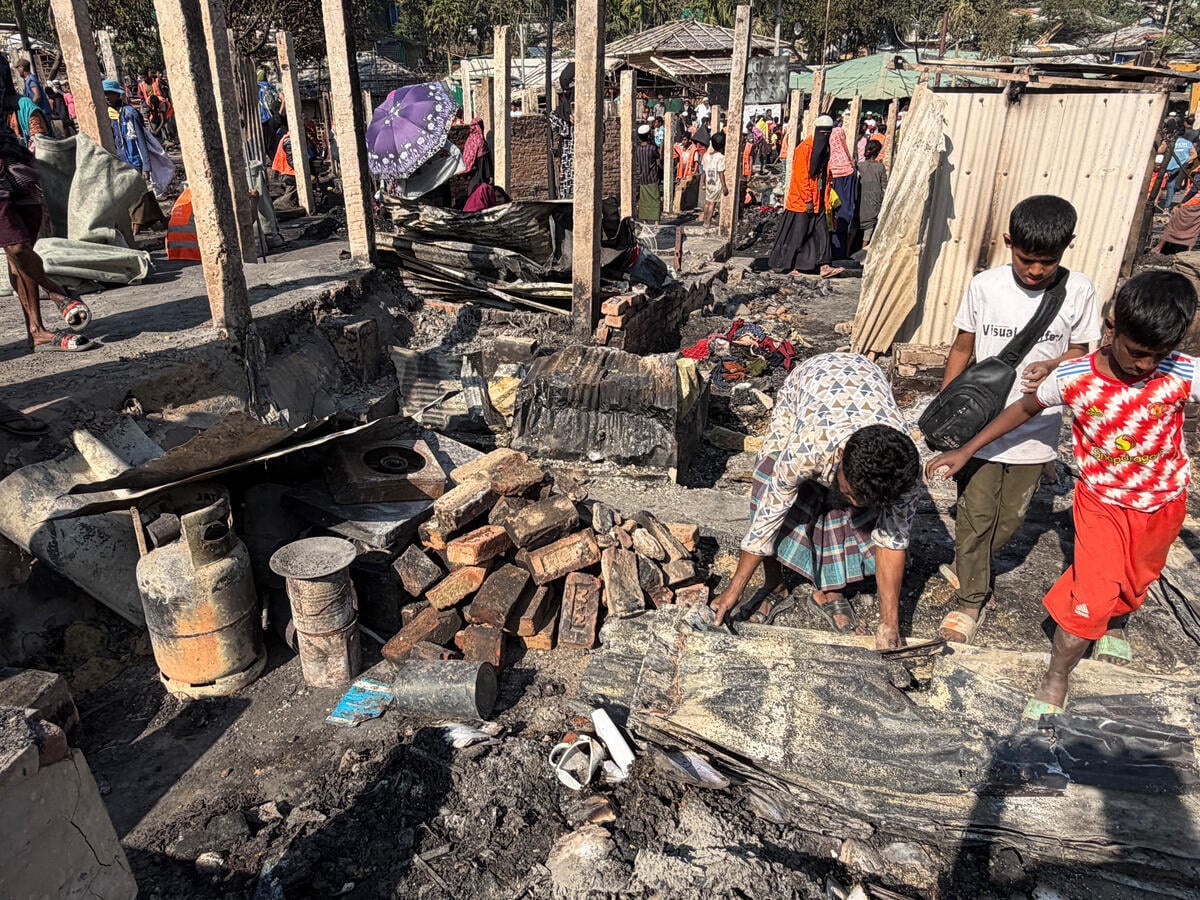
Cox’s Bazar, Bangladesh, has remained the world’s largest refugee settlement, as the Rohingya crisis remains one of the world’s largest and most protracted refugee emergencies. Since August 2017, hundreds of thousands of Rohingya refugees fled to southern Bangladesh.
Many families have endured years of displacement, and recurring emergencies have further threatened their safety and stability. More than 1 million Rohingya refugees have now spent years — some for nearly a decade — in crowded settlements with limited access to food, education, healthcare, and clean water. Fires, often linked to cooking and heating, have destroyed shelters and essential facilities over the years, while monsoon rains have triggered landslides and flooding in these vulnerable areas.
Children make up a significant share of the population and have faced heightened risks of malnutrition, disease, exploitation, and disrupted education.
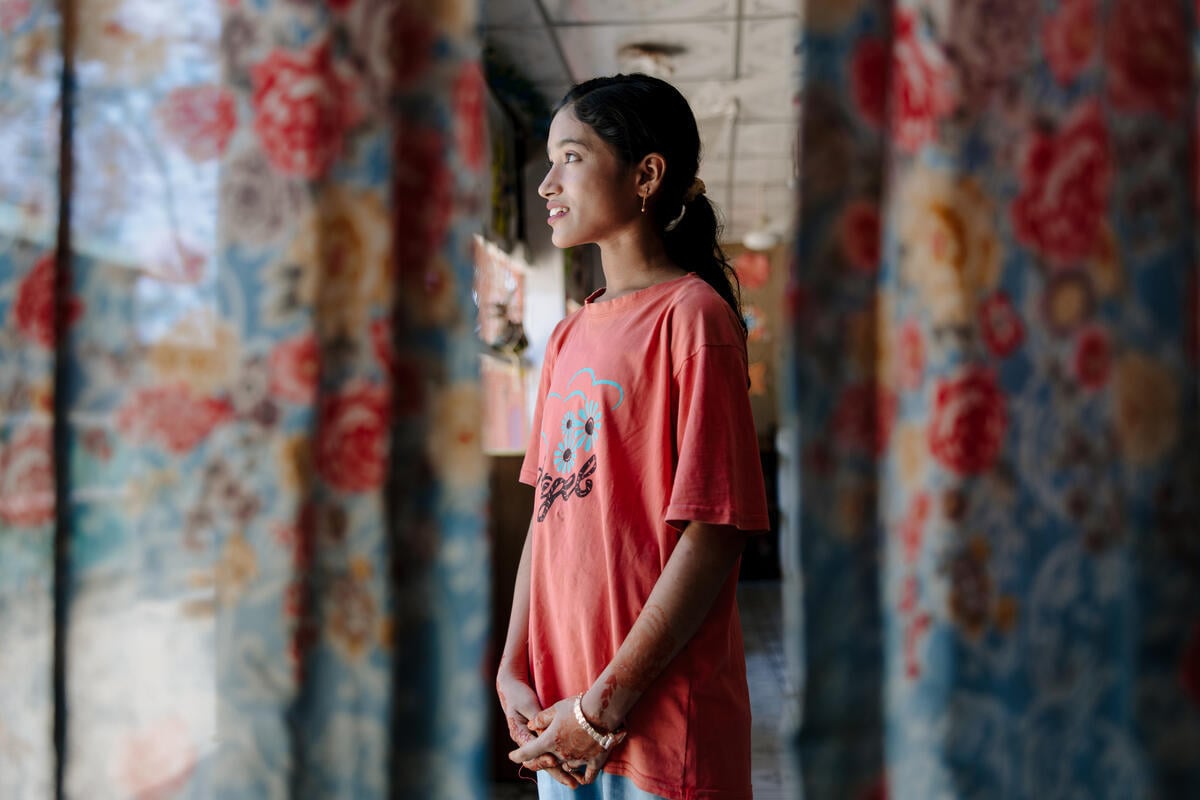
Twelve-year-old Win has lived with displacement for eight years. She attends school and religious studies, then visits a Child-Friendly Space in the refugee camp. She hopes to become a doctor and worries about the safety risks facing children in the camps.
“I think about what will happen to my future if I don’t study,” says Win. “If I am not educated, how will I educate my children?”
World Vision’s response: In 2026, World Vision reached 352,760 people across 19 camps and 26 host-community unions, focusing on health, protection, and essential care for 164,563 children. Our response activities included food and nutrition assistance, safe water, psychosocial support, and child protection services. World Vision also provided emergency meals to families in Cox’s Bazar and across the region and continued food assistance for refugee households.
Somalia hunger crisis
Repeated drought, displacement, and economic hardship left millions of people in Somalia struggling to find enough food. As the hunger crisis deepened in 2026, young children have faced an especially urgent threat from starvation.
An estimated 1.92 million children under 5 are expected to experience acute malnutrition through June 2027, according to the Integrated Food Security Phase Classification (ICP). Anticipated El Niño-related flooding could further threaten lives and livelihoods, making access to food and essential services even more difficult.
For pastoralist and farming families, repeated failed rainy seasons have meant the loss of livestock, income, and their primary source of food. Many families displaced by drought and conflict have been seeking help in areas far from their homes.
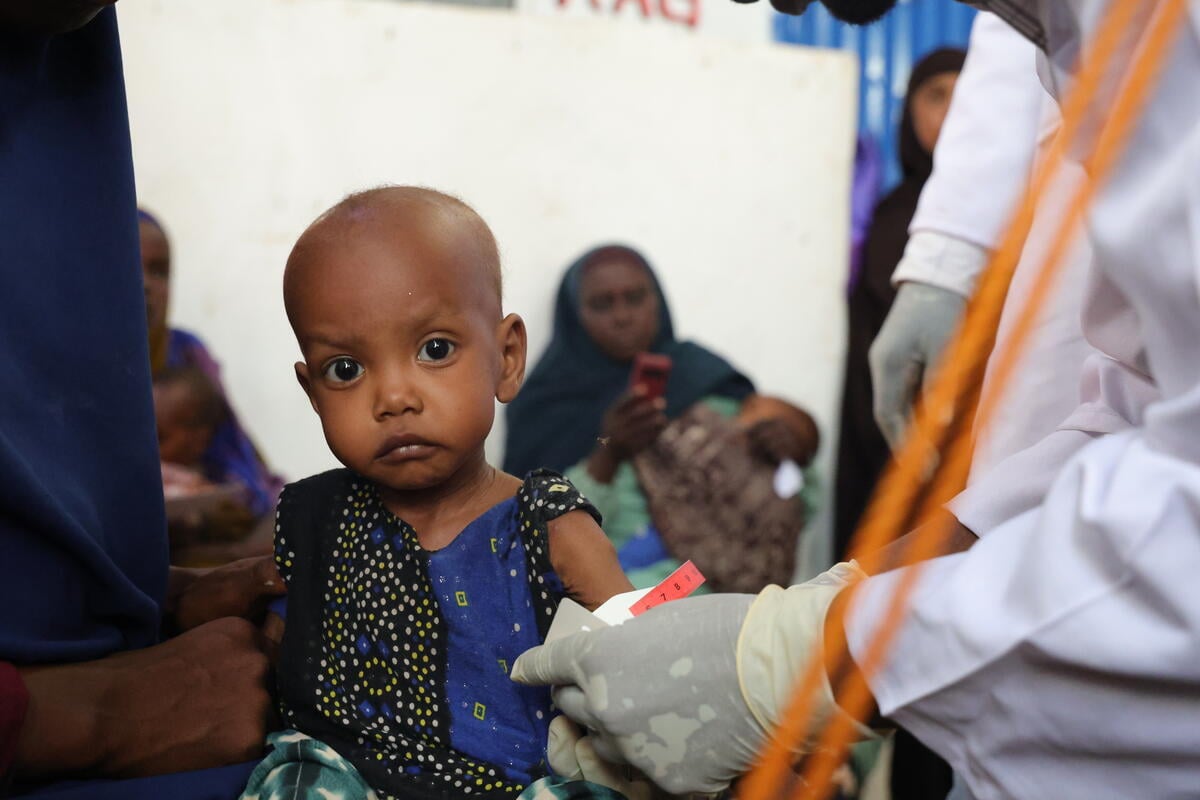
*Mariam, a farmer and mother of five, was forced to leave her farm after drought destroyed her livestock, crops, and livelihood. She and her children walked for three days to reach a World Vision-supported health clinic, where she sought emergency care for her 1-year-old, *Hanan, who was diagnosed with severe acute malnutrition.
“I don’t know what I will give my children to eat,” Mariam says. “I don’t want my children to die of hunger.”
At the Waberi Health Facility, more than 1,500 children have been screened each month, and health workers reported at least five new cases of severe malnutrition every day.
World Vision’s response: World Vision reached more than 1.3 million people in Somalia through programs supporting WASH, health and nutrition, education, child protection, food security, and livelihoods.
South Sudan humanitarian crisis
Conflict, displacement, recurrent flooding, and economic hardship have deepened South Sudan’s humanitarian crisis in 2026, leaving millions of families struggling to survive. The war in neighboring Sudan has added to the pressure, driving Sudanese refugees across the border and as well as forcing South Sudanese refugees who had previously fled to Sudan back into their home country, again searching for safety.
Children have faced some of the greatest risks. An estimated 7.8 million people in South Sudan have experienced high levels of acute food insecurity, while 2.11 million children under 5 have experienced acute malnutrition. Limited access to healthcare, clean water, sanitation, and nutritious food has placed children at greater risk of disease and life-threatening malnutrition.
For 15-year-old *Shufa, the crisis has also meant losing access to education. For the past three years, she has lived in a camp with her mother, Amal, and her siblings. Instead of carrying books, she gathers firewood to help her mother sell it at the local market to feed the family.
“If I returned to school, I would be happy and would make friends,” she says. “Going back would bring back my memories. But since I came here, … I have not held a book. I am almost forgetting how to read.”
World Vision’s response: In 2025, World Vision reached more than 2 million people, including 1.4 million vulnerable children, through programs addressing food assistance, food security, health and nutrition, education, and water, sanitation and hygiene.
Sudan humanitarian crisis
Sudan’s humanitarian crisis has remained one of the world’s most severe in 2026. Years of conflict have forced millions of people to flee their homes, internally displacing people and also forcing them across the country’s borders into Chad, Uganda, and South Sudan. Millions have faced food insecurity, limited access to healthcare, and ongoing violence.
Children have borne an enormous burden. Displacement and the loss of family income and food sources increased their risk of hunger, violence, and exploitation. Even when children received treatment for malnutrition, families have struggled to maintain adequate nutrition once treatment ends.
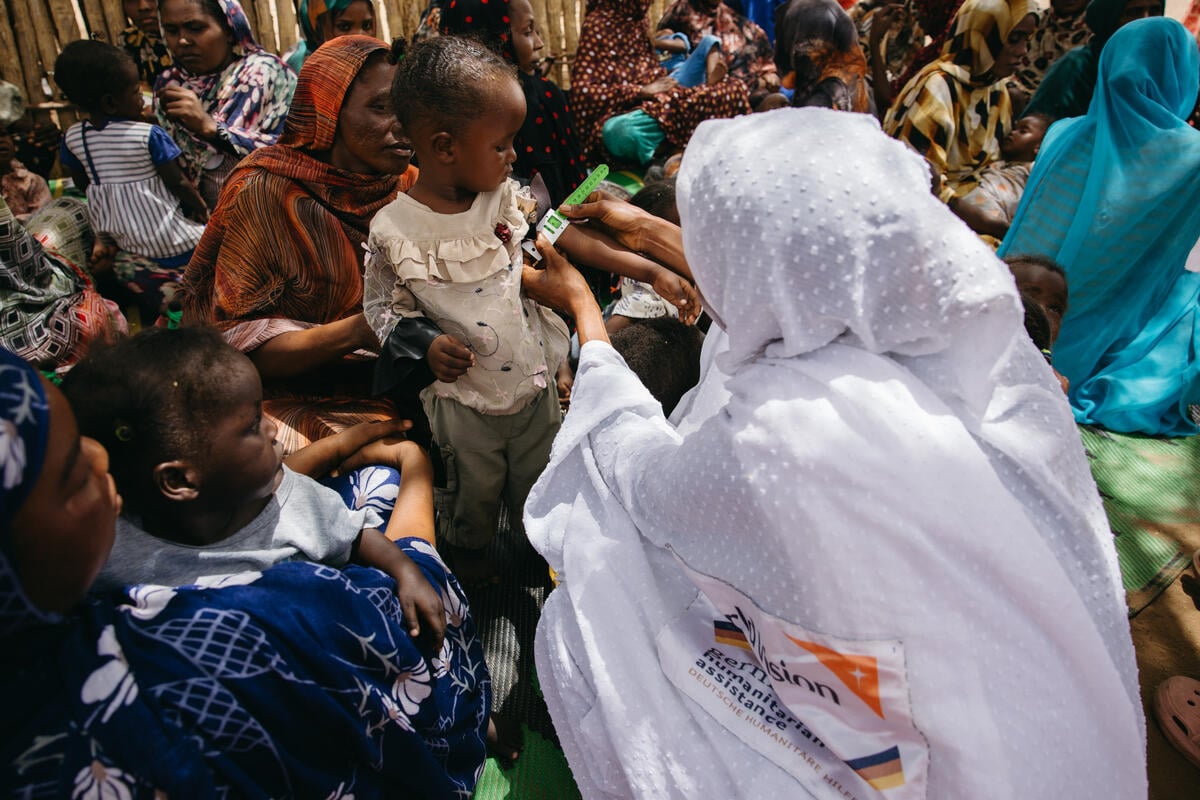
In East Darfur, World Vision’s Nutrition Impact and Positive Practice (NIPP) program has helped address the underlying causes of malnutrition. Mothers learned how to prepare nutritious meals using locally available foods, while children who have completed acute malnutrition treatment continued to receive monitoring and nutritional support. By combining treatment with practical nutrition education, the program is helping families prevent recurring malnourishment in their children.
“This is not just a public health crisis — it is a crisis of childhood, of dignity, and of survival,” said Simon Mane, World Vision’s national director in Sudan. “Children are dying from preventable diseases because we lack adequate resources to respond.”
The number of children needing urgent nutritional care highlights the severity of the crisis. Between January and March 2026, nearly 100,000 children in Sudan were admitted for treatment for severe acute malnutrition, a life-threatening condition that can be fatal without urgent treatment, according to UNICEF.
World Vision’s response: World Vision has supported more than 2.8 million people, including 1.5 million children, with food assistance, clean water, emergency healthcare, and psychosocial support. World Vision also distributed 7,000 metric tons of food and trained 737 health workers.
Syria humanitarian and refugee crisis
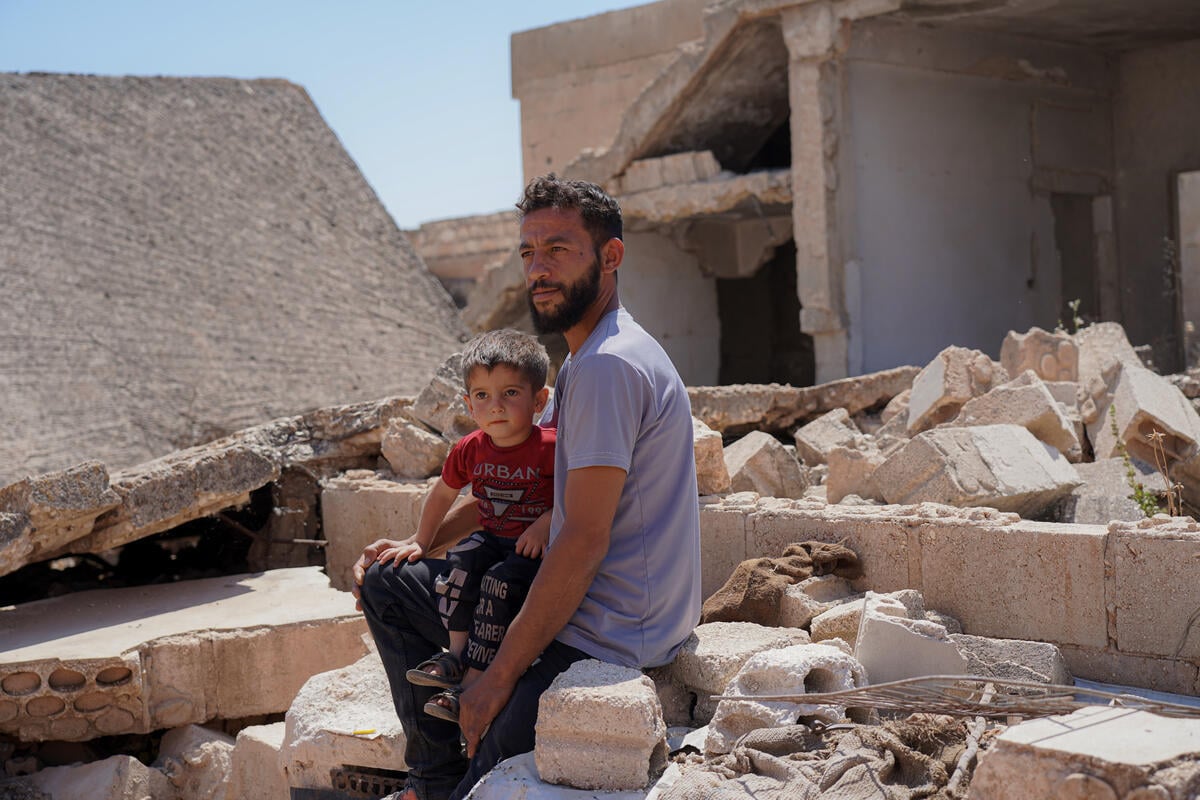
After more than 15 years of conflict, millions of people in Syria have remained displaced, and communities continued struggling to recover. In 2026, Syrians returning home and those who remained displaced continued facing challenges finding adequate housing, healthcare, education, and reliable livelihoods.
For many families, returning home didn’t mean returning to the life they knew. Homes and essential infrastructure have been damaged, basic services remained out of reach in some communities, and job opportunities have been limited. For children, displacement and prolonged instability have interrupted schooling, undermined emotional well-being, and limited access to the services they need to thrive.
After eight years in Türkiye, Ali returned to his village in Aleppo governorate, northwest Syria, in February 2025. He expected to find destruction. What he struggled with most, however, was the absence of the people who had once made his village home. “Coming back was harder than leaving,” Ali says. “I expected destruction. I knew that. But the hardest thing was not seeing my house destroyed. It was that there was nobody. My neighbors had left. My relatives had left. I came home, but there was no one waiting.”
For many Syrians like Ali, rebuilding a life will take more than returning home.
World Vision’s response: We continued supporting children and families in Syria and refugees displaced across the region. In 2025, World Vision reached over 4.22 million people, including 2.53 million children, across Syria, Jordan, and Türkiye.
Support included nutrition services for more than 63,000 children, protection services for nearly 36,000 people, and access to safe water for 1.7 million people. Education and psychosocial support also reached 28,840 children through rehabilitated learning centers.
Ukraine humanitarian crisis
More than four years into the war in Ukraine, children continued facing the consequences of attacks, displacement, and damage to homes and essential infrastructure. Many families have been forced to relocate, while others remained in communities where access to services and a sense of security were uncertain.
For children, the effects extended beyond physical danger. The war has disrupted education, separated families, and turned everyday routines upside down. Many children and caregivers also needed emotional support as they coped with prolonged uncertainty, separation, and loss.
Nine-year-old Diana in Dnipro, Ukraine, says, “My father went to war, and I really miss him. He rarely comes back, and that is very hard for me.”
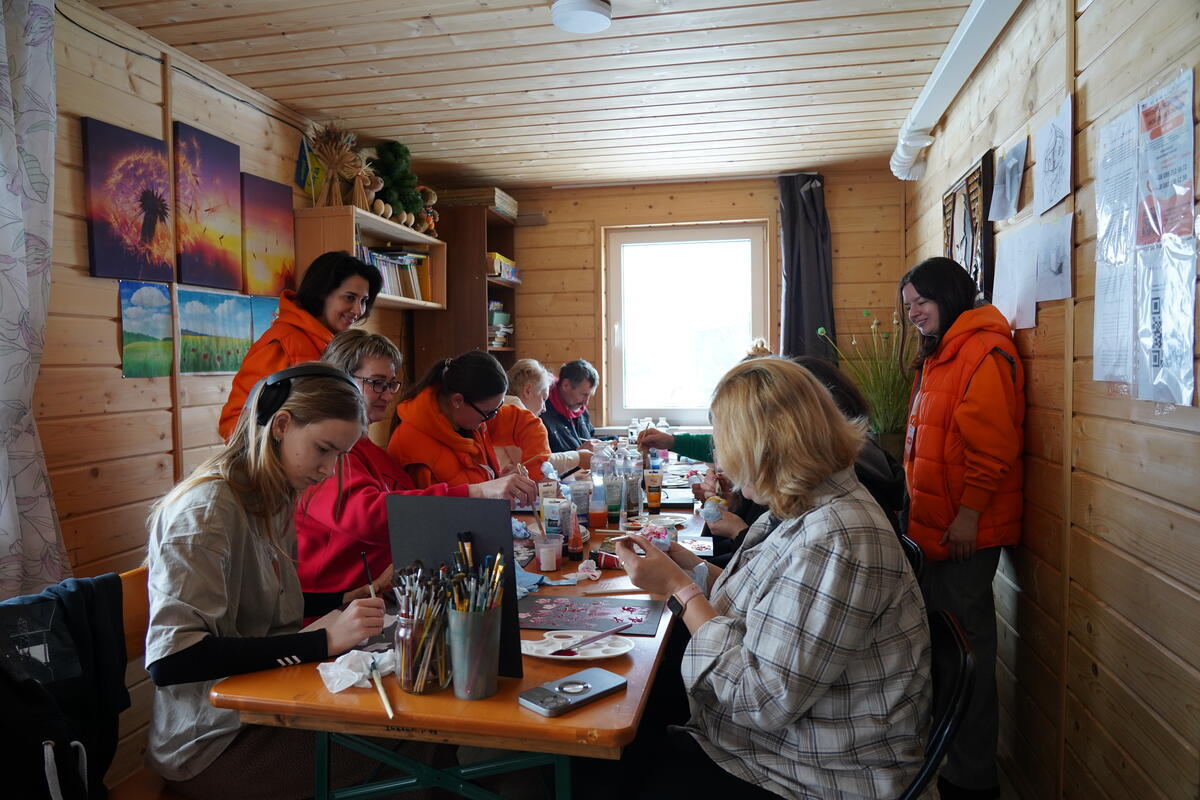
World Vision’s response: World Vision supported affected families through mobile teams that brought essential services directly to communities. Operated by World Vision’s local partner, the Ukrainian Foundation for Public Health, these multidisciplinary teams included a coordinator, social worker, psychologist, lawyer, and more.
Psychologists provided psychological first aid, while lawyers helped families understand their rights, access available assistance, and navigate potential compensation. Art therapy offered children and families a creative way to express their feelings, process distress, and begin regaining a sense of normalcy.
As of July, World Vision had reached more than 2.4 million people, including 1,062,311 children, across Ukraine, Moldova, Romania, and Georgia. Assistance included food security, cash assistance, protection, education, livelihoods, and mental health and psychosocial support.
Venezuela earthquakes
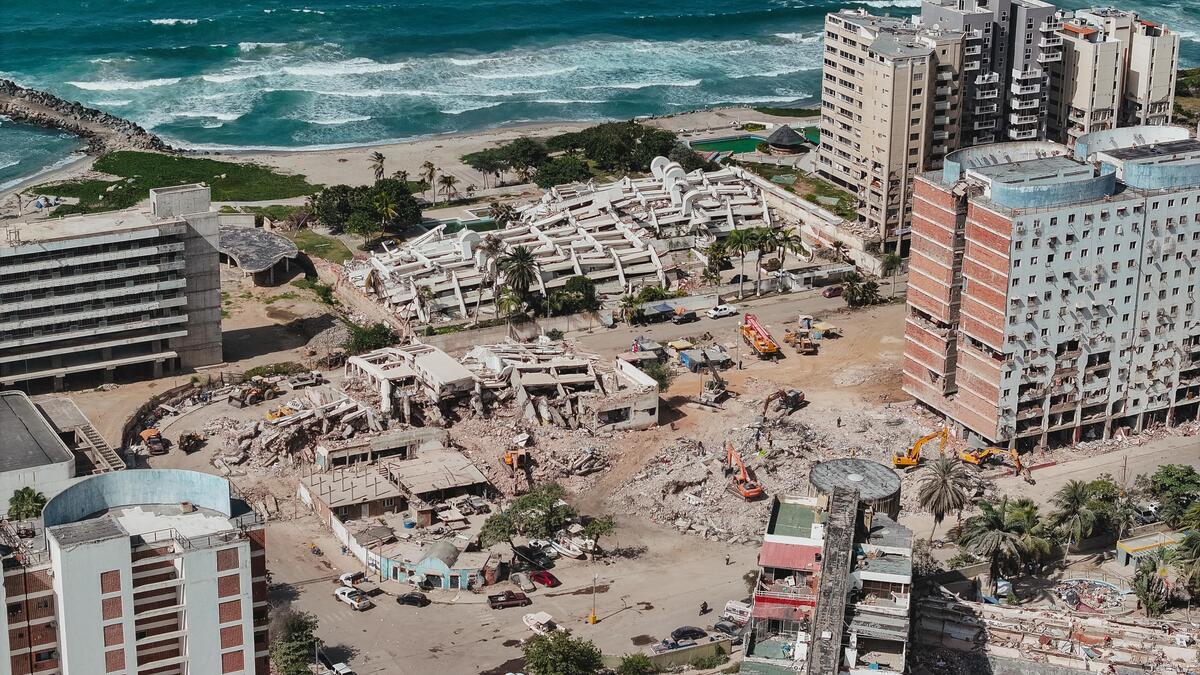
Two powerful earthquakes measuring 7.2 and 7.5 in magnitude struck north-central Venezuela June 24, just 39 seconds apart. The quakes killed more than 6,500 people and injured more than 16,740 others. The earthquakes caused widespread damage to homes, schools, health facilities, and critical infrastructure, leaving families in need of shelter, food, clean water, and medical care.
The earthquakes struck a country already facing a prolonged displacement crisis and significant humanitarian needs. Families who lost their homes or livelihoods have faced months of uncertainty, while children have experienced fear, disrupted routines, separation, and interruptions to education.
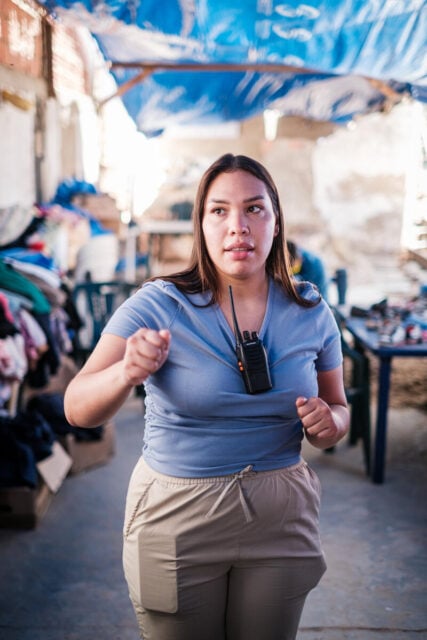
Daniela Romero, 27, experienced the disaster firsthand. After surviving the earthquakes, she began helping people seeking refuge at her church and even offered what little she had at home: “water, water with oatmeal and sugar, two kilos of rice, with a few eggs.” Her response was just one of the many ways the community stepped forward to support their neighbors in the immediate aftermath.
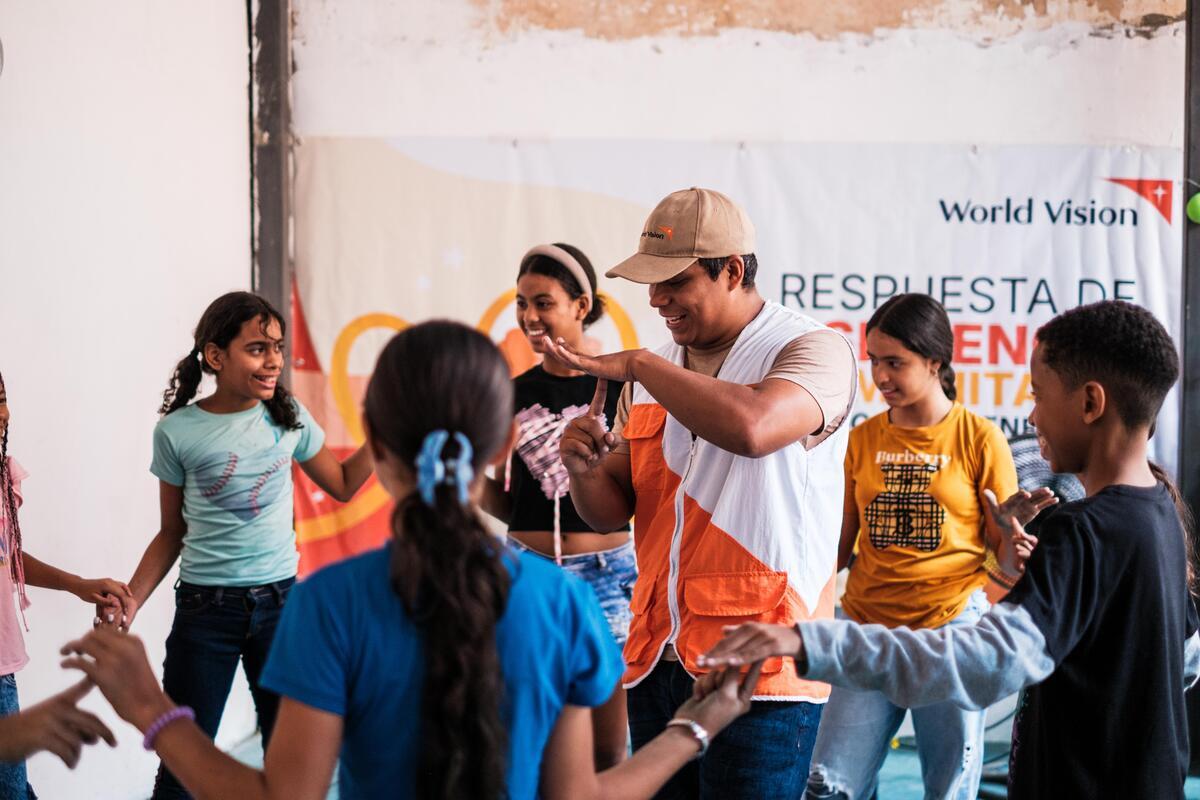
World Vision’s response: World Vision and local church partners have supported affected communities with emergency food, clean water, hygiene supplies, shelter assistance, child protection, and psychosocial support through Child-Friendly Spaces. These safe spaces gave children opportunities to play, learn, connect with others, and express their emotions while families worked toward recovery.
World Vision also worked with the World Food Programme to provide meals to children and adults affected by the disaster. As recovery continues, families will need sustained assistance to rebuild homes, restore essential services, and regain stability.
*Names changed to protect identities.
World Vision communicators who contributed to this story include: Tatiana Michell Amézquita Blanco in Colombia, Rodrigue Harakandi in Democratic Republic of the Congo, Annila Harris in Bangladesh, Gwayi O. Patrick in Somalia and Haiti, Laurentia Jora in Syria and Ukraine, André Guardiola in Venezuela, and Fatima, Shakila, and Azizullah Hayat in Afghanistan
