When temperatures rise, many people look for shade, turn on the AC, or reach for a glass of cold water. But millions of children around the world don’t have those options, especially when extreme heat and heat waves become more frequent, longer-lasting, and more intense.
In communities already facing poverty and instability, dangerous heat can increase the burden of daily life. Heat waves not only threaten health but can strain water supplies, damage crops, and threaten livelihoods. Children are especially vulnerable when families can’t access clean water, healthcare, or ways to cool down.
Around the world, World Vision works alongside communities before, during, and after disasters to help protect children and strengthen their resilience against crises, including those made worse by extreme heat.
Whether you’re trying to understand heat waves, why they are becoming more common, or how you can help, this guide will answer some of the most common questions.
Frequently asked questions
- Fast facts: Heat waves and extreme heat
- What is a heat wave?
- What causes a heat wave?
- Are heat waves becoming more common?
- Why are children especially vulnerable to heat?
- How do heat waves affect people and communities?
- Who is most at risk from extreme heat?
- What are the warning signs of heat illness?
- How do you prevent heat illness?
- How does World Vision respond during extreme heat?
- How can I help people impacted by extreme heat?
Fast facts: Heat waves and extreme heat
Here are a few important things to know about extreme heat and heat waves:
-
Heat waves are among the most dangerous natural hazards and cause serious illness and death.
-
Changing weather patterns are making extreme heat and heat waves more frequent, longer-lasting, and more intense.
-
Infants, young children, older adults, pregnant women, people with certain health conditions, and outdoor workers can face greater risks from extreme heat.
-
Extreme heat can worsen drought and water shortages and put more pressure on food security and livelihoods.
-
People living in poverty, as well as displaced populations, can face greater risks from extreme heat because they may have less access to safe housing, cooling, and other resources to help protect against dangerous temperatures.
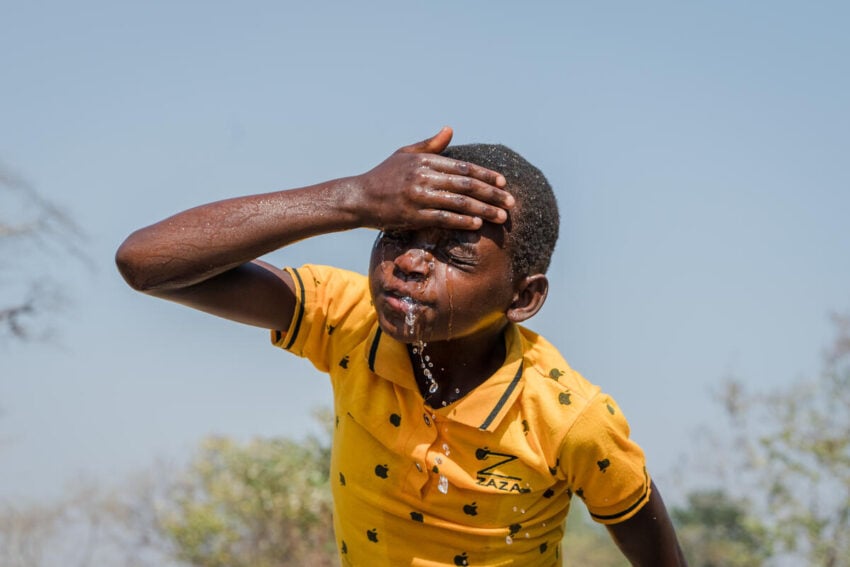
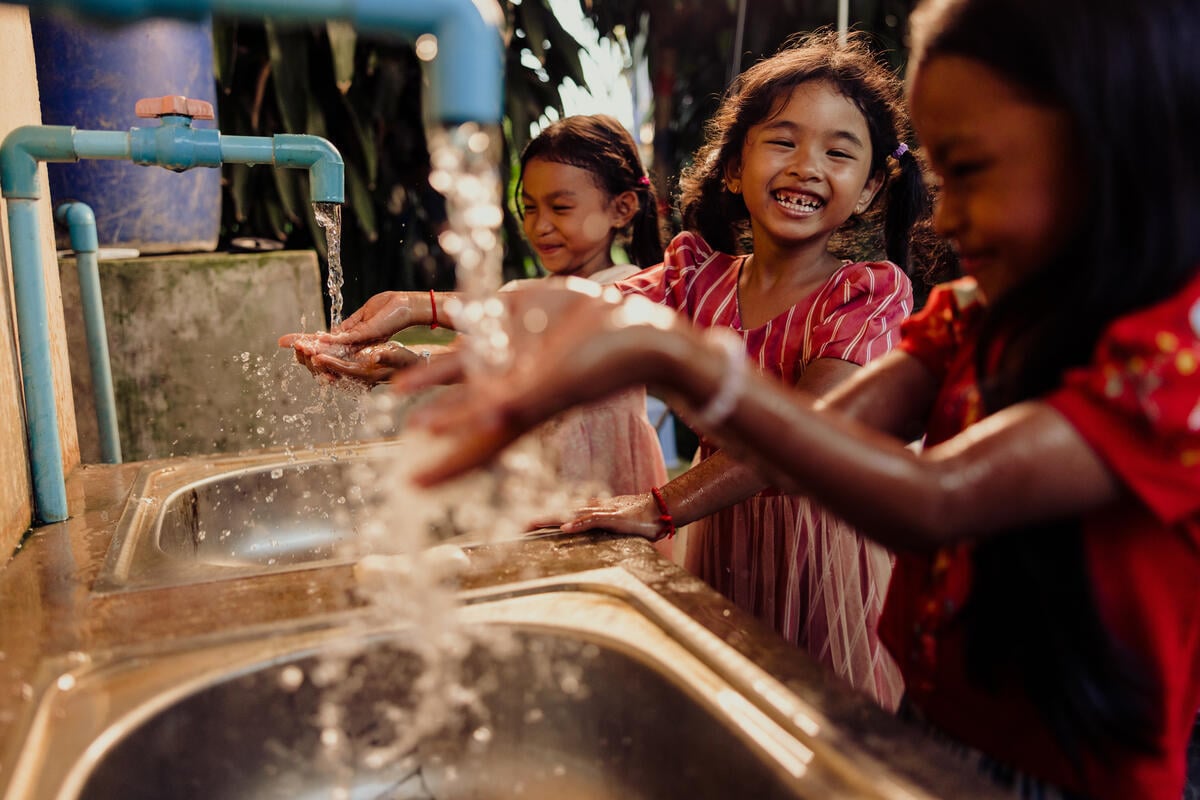
- Access to clean water is essential during periods of extreme heat, when dehydration can become a serious health threat.
What is a heat wave?
A heat wave is a prolonged period of unusually hot weather, often lasting several days or longer, according to the World Health Organization (WHO). In many places, high humidity makes the heat feel even more intense and prevents the body from cooling itself effectively.
Heat waves can occur almost anywhere, but their impacts are not felt equally.
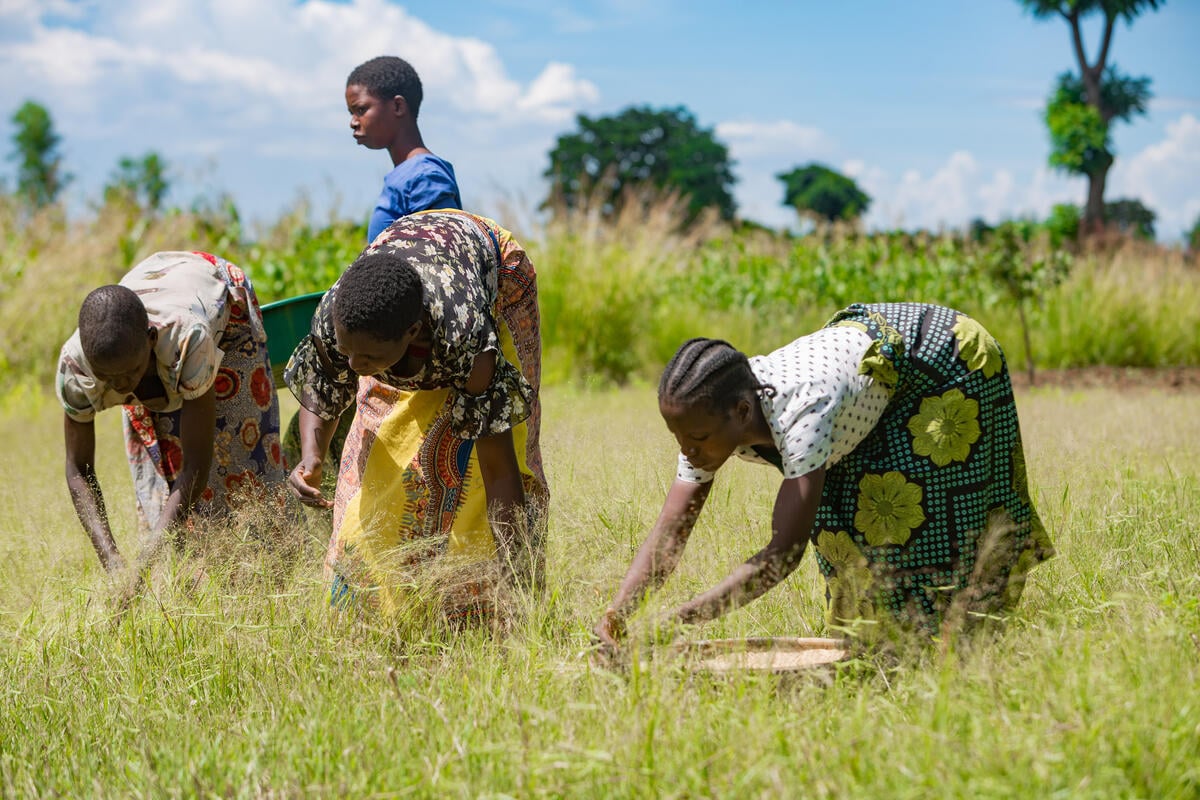
Families living without reliable electricity, access to clean water, adequate housing, or healthcare can face far greater risks during periods of extreme heat.
What causes a heat wave?
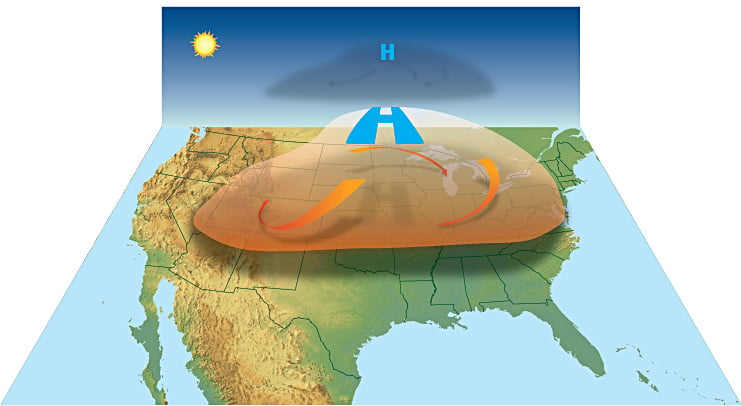
Heat waves usually develop when a high-pressure weather system traps warm air over an area for several days or longer, according to the National Oceanic and Atmospheric Administration (NOAA). In recent decades, extreme heat events have become more frequent, lasting longer and more intense in many parts of the world.
Are heat waves becoming more common?
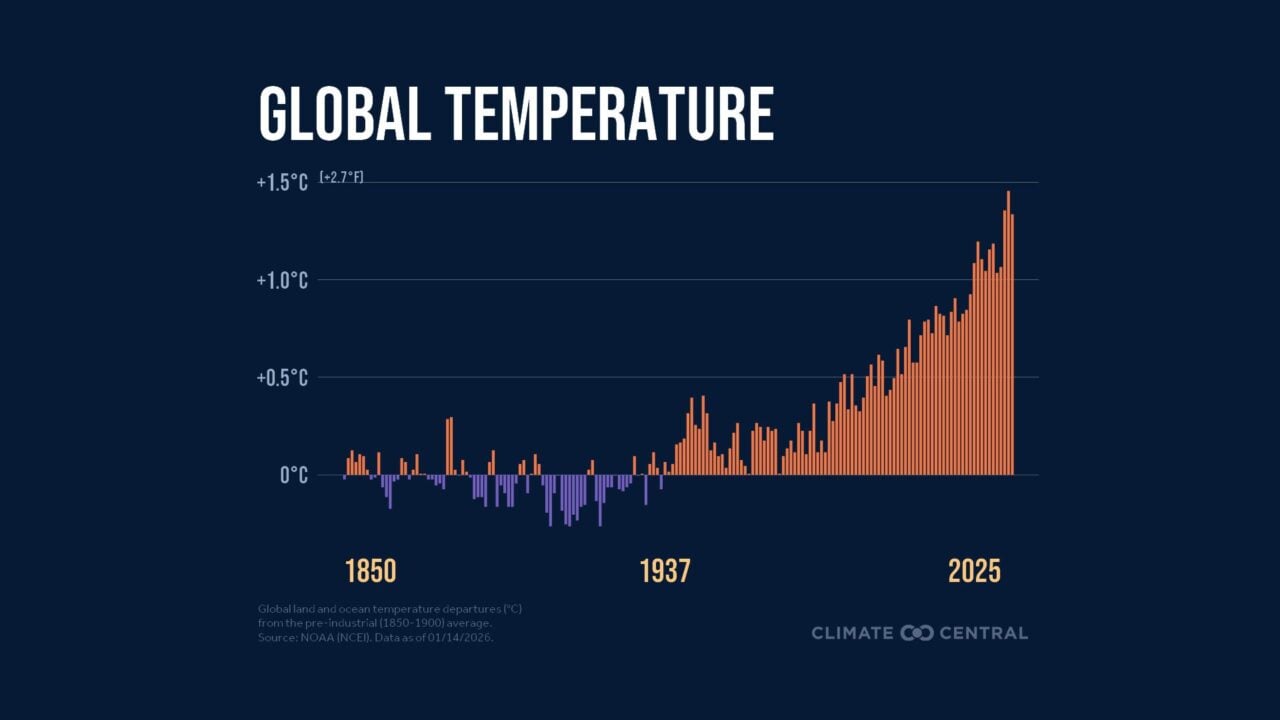
Yes. Extreme weather patterns are increasing in frequency, intensity, and duration of extreme heat events in many parts of the world. While weather naturally varies from year to year, rising global temperatures are making dangerous heat more likely.
The World Meteorological Organization (WMO) reports that the rate of warming has increased in recent decades. The past decade was the warmest on record, and 2024 was the warmest year on record, with temperatures approximately 2.8 degrees F (1.55 degrees C) above the 1850–1900 average.
Why are children especially vulnerable to heat?
Children experience heat differently than adults. Their bodies produce more heat relative to their size and are less efficient at cooling themselves. Young children may not recognize the signs of dehydration or know when they need to rest or drink water. Infants and children with existing health conditions face even greater risks.
Extreme heat can affect more than physical health and can disrupt children’s learning, daily activities, and overall well-being. UNICEF reports that 466 million children — about 1 in 5 children worldwide — live in areas experiencing at least twice as many extremely hot days as six decades ago.
You can deliver hope and help
amid emergencies.
How do heat waves affect people and communities?
Extreme heat touches nearly every part of daily life. About 489,000 heat-related deaths occur each year, according to the World Health Organization’s studies, and heat-related mortality among people over 65 increased by about 85% between 2000–2004 and 2017–2021.
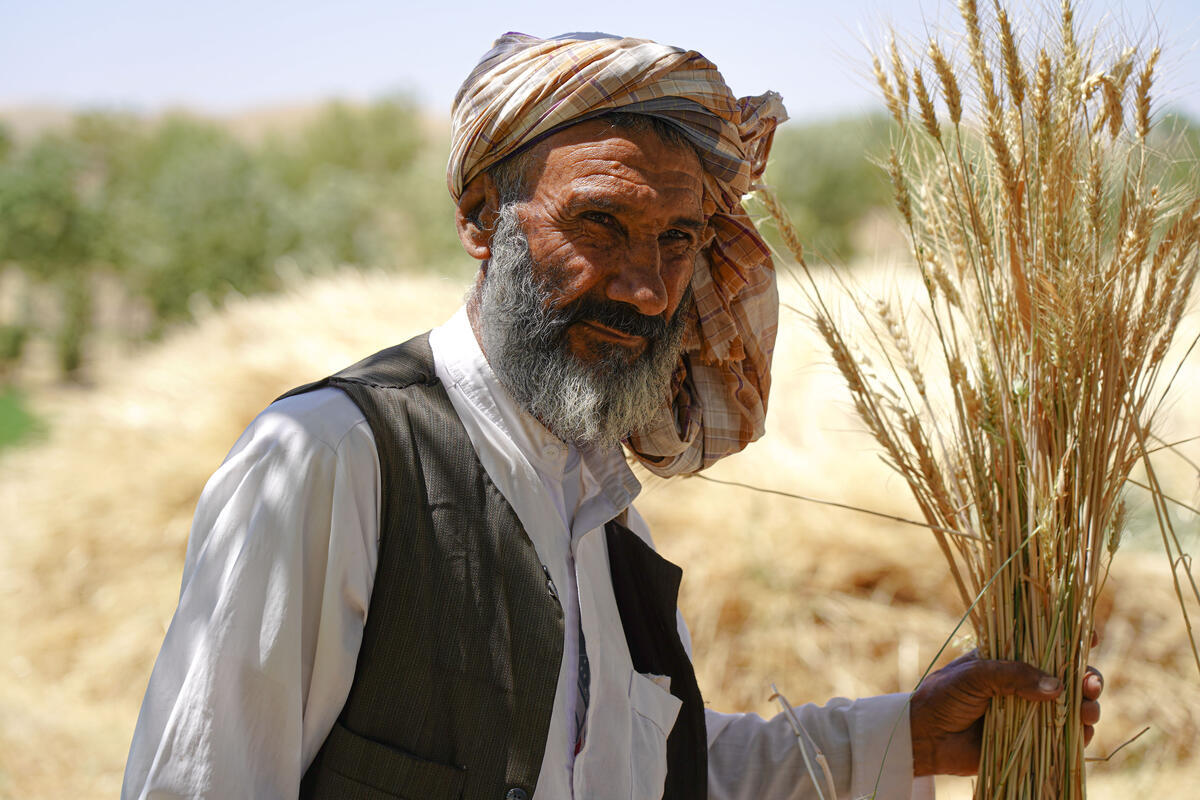
Heat waves and extreme heat also threaten livelihoods. More than 2.4 billion workers (approximately 71% of the global workforce) are exposed to excessive heat, contributing to more than 22.8 million occupational injuries each year.
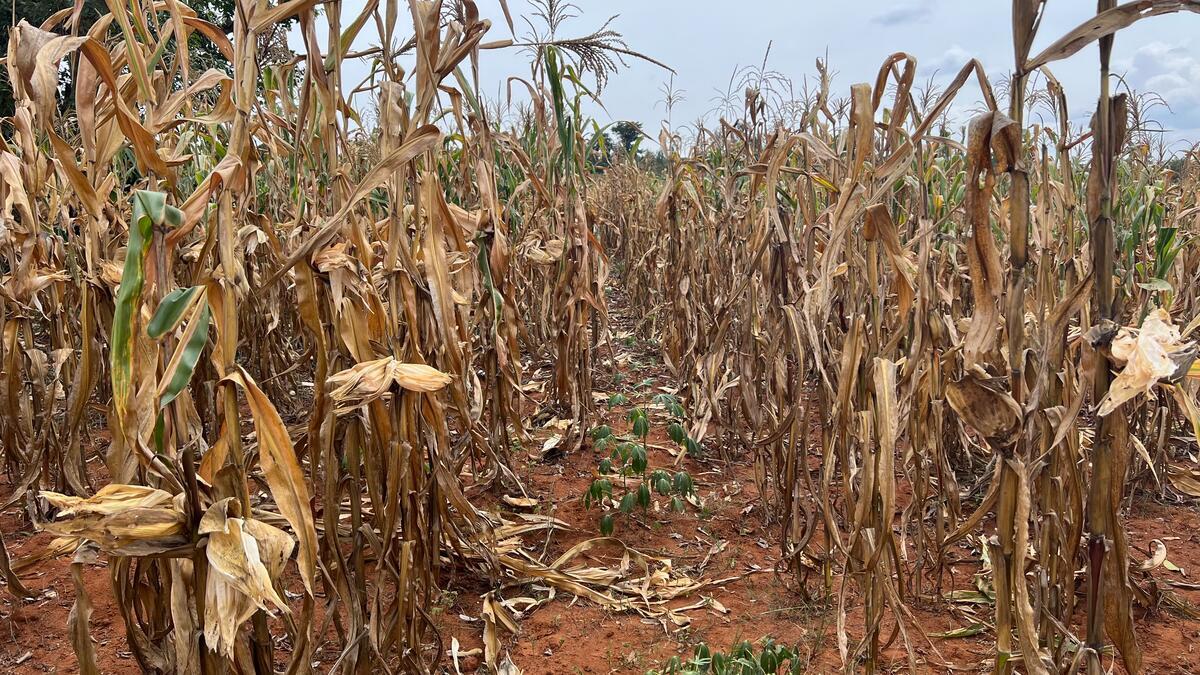
Heat can also damage crops and livestock. A recent U.N. report by the Food and Agriculture Organization (FAO)-WMO found that heat events have caused double-digit crop losses in some regions.
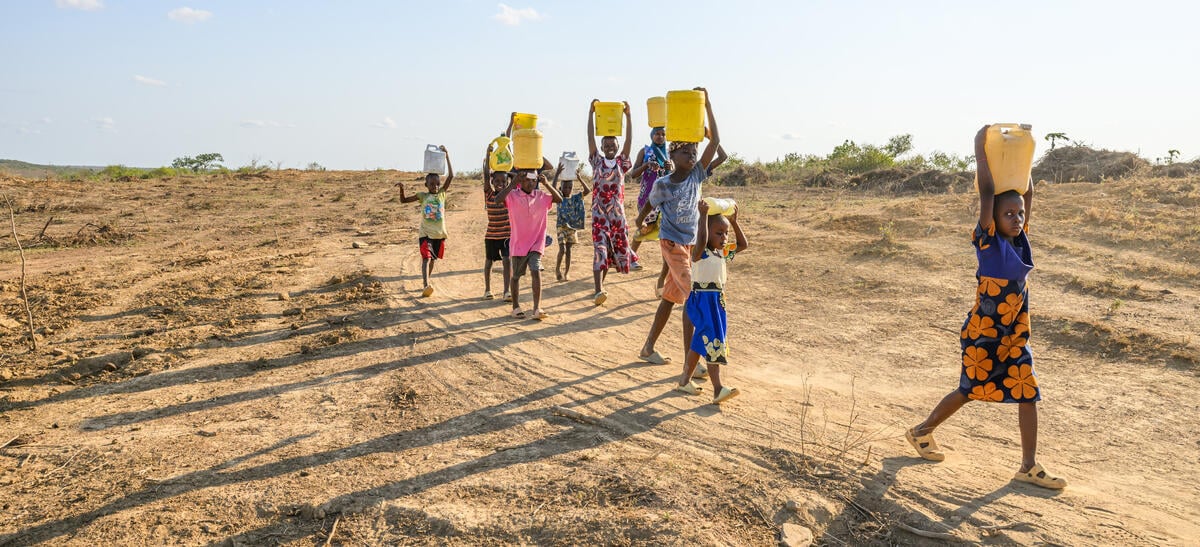
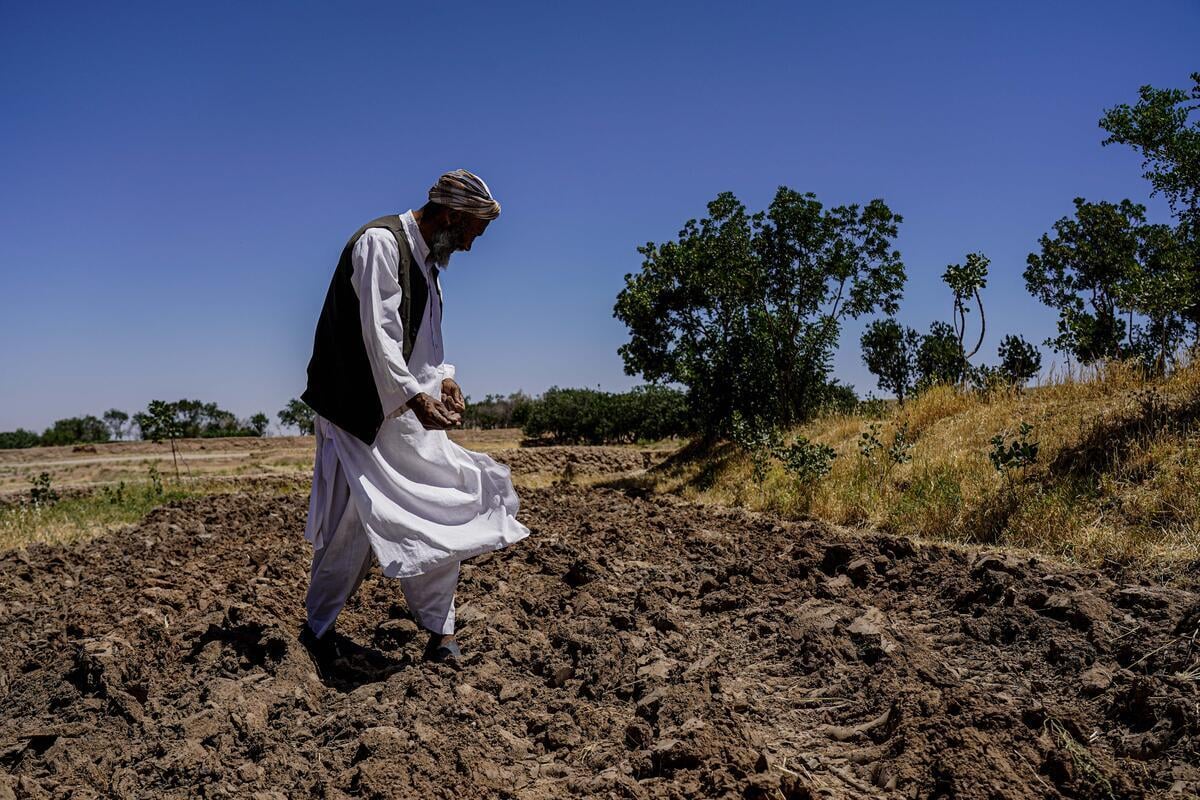
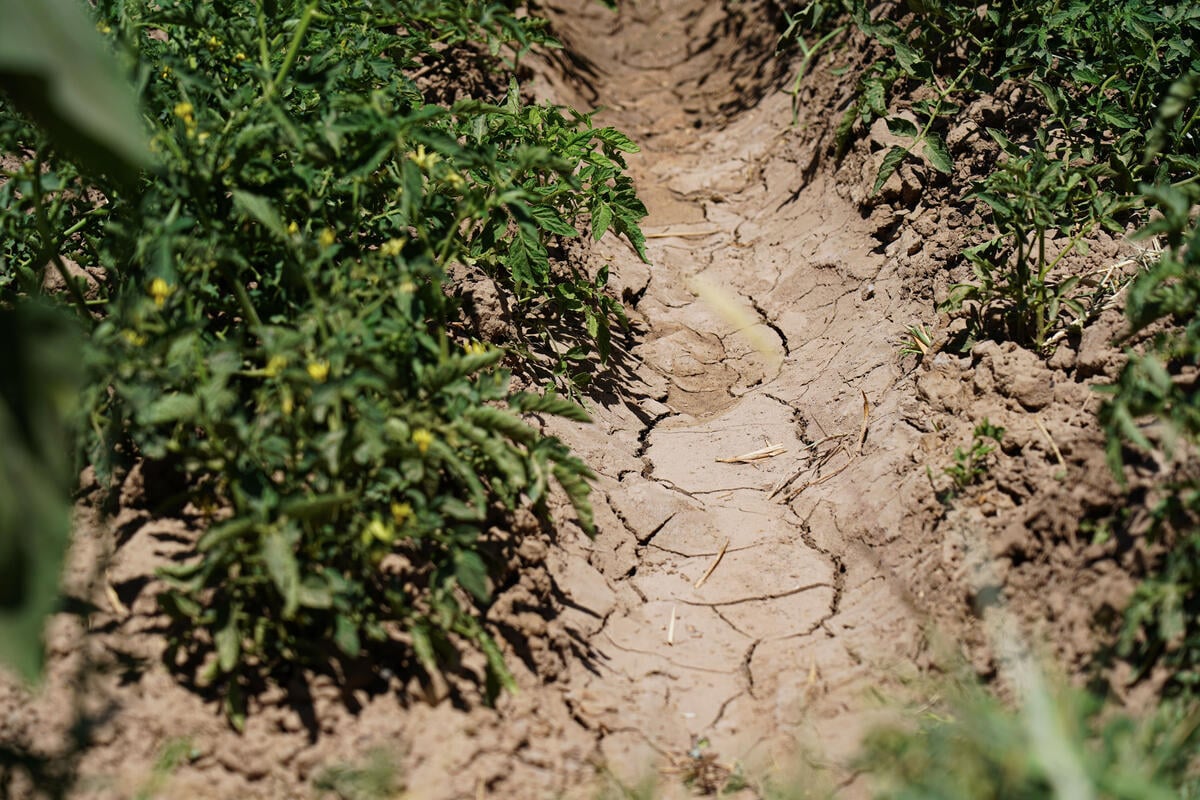
In many communities where World Vision works, families are already coping with challenges such as conflict, displacement, hunger, or limited access to healthcare. During a heat wave, those existing hardships become even more severe. Extreme heat often worsens existing conditions and crises. As temperatures rise, rivers, ponds, and shallow wells may shrink or dry up. Families often spend more time searching for safe water, reducing time for school or work, and increasing hardships.
Who is most at risk from extreme heat?
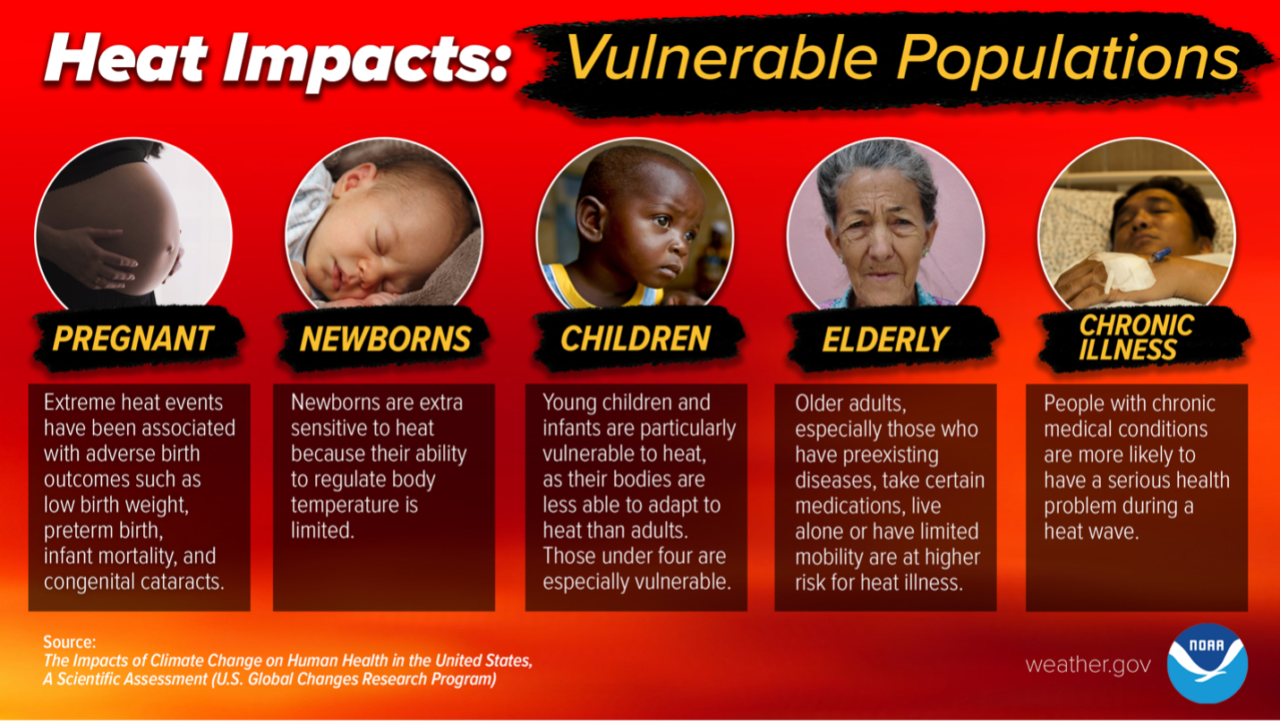
Anyone can experience heat-related illness, but some people have the greatest risks, including:
- Young children, whose bodies heat up more quickly and are less able to cool themselves.
- Older adults, who may have reduced ability to regulate body temperature.
-
Pregnant women, whose bodies work harder to cool both themselves and their developing baby. Pregnancy can also raise the risk of dehydration and heat-related complications.
-
People with certain chronic health conditions, including asthma, diabetes, heart disease, respiratory conditions, and kidney disease, which can be worsened by extreme heat.
- Outdoor workers, who may spend hours in hot conditions and direct sunlight.
- People experiencing homelessness, who may have limited or no access to shade, cooling, and safe shelters.
-
Families living without reliable access to clean water, cooling, or safe shelter, making it harder to protect themselves during extreme heat.
-
People living in urban areas with limited trees or green space, where pavement and other surfaces can absorb and retain heat, creating hotter conditions known as urban heat islands.
What are the warning signs of heat illness?
Early signs of heat-related illnesses can include:
- Heavy sweating
- Dizziness
- Fatigue
- Headache
- Muscle cramps
- Nausea
Heatstroke is a medical emergency. Warning signs can include:
- Confusion
- Loss of consciousness or seizures
-
A very high body temperature, often 103 degrees F (39.4 degrees C) or higher
- Hot skin that may be red, dry, or sweaty
Seek emergency medical care immediately if someone is showing signs of heatstroke.
How do you prevent heat illness?
You can help prevent heat illness and stay cool during a heat wave or period of extreme heat by:
- Staying hydrated: Drink water regularly throughout the day, especially if you’re active and spending time in the heat.
- Staying cool: Spend time in air conditioning, shade, or another cool place whenever possible.
- Avoiding the hottest hours: Plan strenuous activity and outdoor work for cooler parts of the day when possible.
- Dressing for the heat: Choose loose, lightweight clothing and protect yourself from direct sunlight.
- Protecting children: Keep children cool and hydrated, and never leave them or pets alone in a parked vehicle.
- Checking on others: Look in on older adults, young children, and people who may be especially vulnerable to extreme heat.
How does World Vision respond during extreme heat?
Extreme heat is often part of a larger humanitarian crisis. That’s why World Vision works with local communities to address both immediate needs and long-term resilience.
Depending on the context, World Vision’s response may include:
-
Through child sponsorship, working with communities and families over the long term to improve access to clean water, healthcare, education, livelihoods, and other resources that can help children and families become more resilient in weather-related challenges. Helping communities strengthen resilience through expanding access to sustainable clean water sources, agricultural opportunities, and disaster preparedness programs
- Supporting water systems and water trucking where supplies are limited
- Creating Child-Friendly Spaces where children can rest and play safely
- Supporting health programs for vulnerable families
By partnering with local churches, community leaders, and families, World Vision works to ensure that support reaches impacted children and families who need it most.
How can I help people impacted by extreme heat and other emergencies?
No child should face life-threatening heat because they lack access to water, shelter, or healthcare.
- Pray: Join us in lifting the needs of children and families facing emergencies, including extreme heat and heat waves.
- Give: Your support can help provide clean water, strengthen community resilience, and equip families with the resources they need to prepare for and recover from extreme weather-related disasters.
- Sponsor: Sponsoring a child is a personal way to show God’s love to a child in need.