

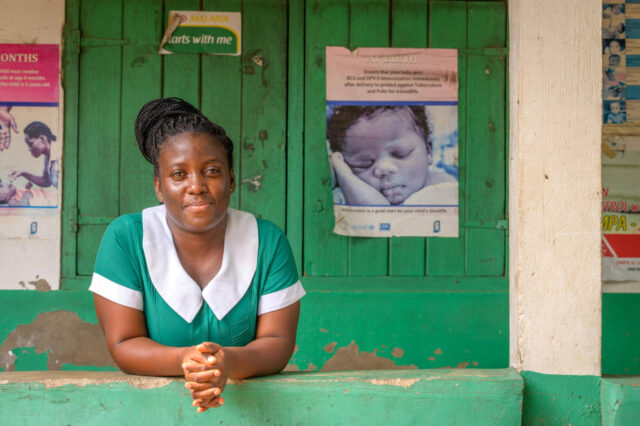
Nearly 4 million Ghanaians lack clean water, a burden felt most in rural clinics where midwives like Mabel and Ramicah struggle to provide safe care. Their facilities depend on contaminated open dams, forcing staff and patients to collect unsafe water that contributes to diarrhea, typhoid, skin infections, and dangerous conditions for mothers and newborns. Water shortages often lead to early discharges, and caregivers themselves fall ill. Child mortality remains high, with many deaths linked to poor water and sanitation. A new mechanized water system installed by World Vision transformed Ramicah’s clinic — providing clean water, functional sanitation, and increasing patient attendance. World Vision is assessing similar solutions for Mabel’s community and aims to expand safe water access across Ghana, including to 500 schools and 200 health facilities, benefiting 700,000 people. Their stories underscore the urgent need for lasting clean water.
News & Stories
From the Field
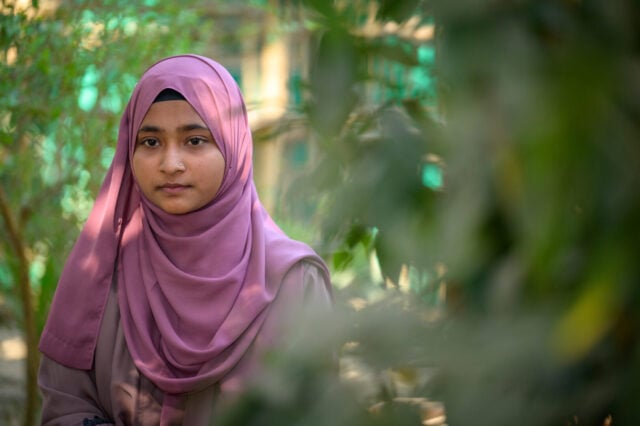
Her voice, her future: Unlocking children’s confidence
Children are the future — and World Vision is empowering youth to be leaders in their communities who advocate for their own well-being, protection for themselves and their peers, and an end to child marriage.
From the Field
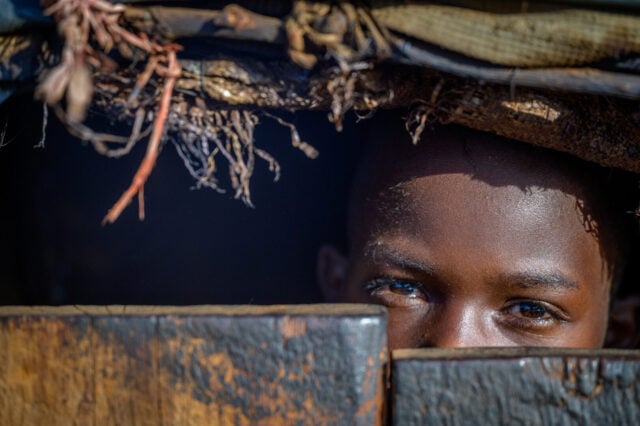
The cost of child marriage
When families in Kenya are faced with extreme poverty and social pressure, they often seek relief by marrying off their young daughters to older men. World Vision has decided to help bring an end to child marriage and other harmful practices for girls by tackling the root causes.
Voices
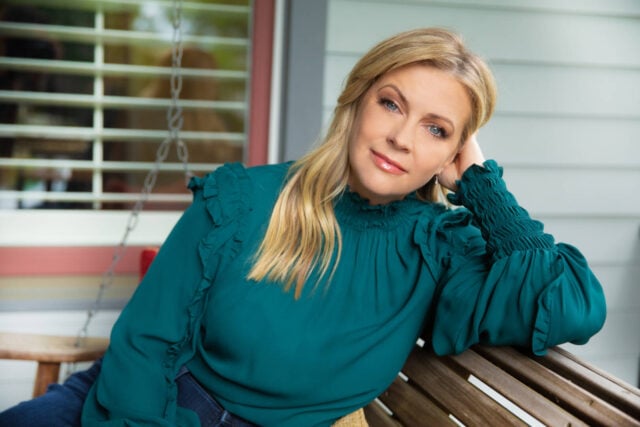
Fueled by passion and purpose: Melissa Joan Hart shares her story of being a World Vision Celebrity Ambassador
Melissa Joan Hart shares her passion for helping communities both locally and internationally as a World Vision Celebrity Ambassador and child sponsor.